The Ganges River is one of the most significant rivers in the world, deeply rooted in cultural, spiritual, historical, and ecological importance. Originating from the Himalayan region, it flows across northern India and is regarded as a lifeline for millions of people. For centuries, it has been closely associated with human civilization, supporting agriculture, transportation, livelihood, and spiritual practices.
The river is not only a physical water body but also a symbol of purity, faith, and devotion. It is widely respected in traditions and is often considered sacred by many communities. The river basin supports one of the most densely populated regions in the world, making it extremely important for daily life activities such as farming, drinking water supply, and industry usage.
Historically, ancient settlements developed along its banks due to fertile soil and abundant water supply. Major cities and cultural hubs emerged, shaping the course of history and civilization in the region. Over time, the river became an essential part of cultural identity, influencing literature, rituals, and traditions.
In addition to its cultural relevance, the river also supports biodiversity, hosting various aquatic species and ecosystems. However, increasing population, urbanization and industrial activities have put pressure on its natural health. Efforts are continuously made to maintain its ecological balance and sustainability.
Today, the Ganges remains one of the most important rivers in South Asia, symbolizing life, continuity, and heritage. It plays a crucial role in shaping both the environment and human civilization around it.
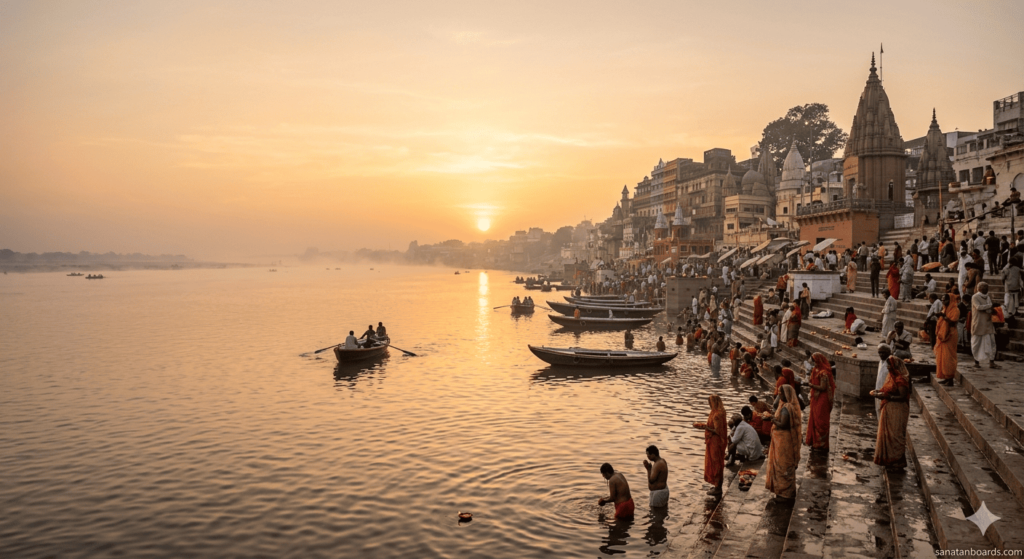
What Is Ganges River – Holiest Hindu River ?
The Ganges River is a major river system flowing through India and Bangladesh, formed by the confluence of Himalayan glaciers and tributaries. It begins in the Indian Himalayas and travels through plains before reaching the Bay of Bengal. It is considered one of the most important river systems due to its geographical, cultural, and environmental significance.
The river is known for its large basin, which supports hundreds of millions of people. It provides essential resources such as irrigation water for agriculture, drinking water for communities, and support for industries. The fertile plains around the river are among the most productive agricultural regions in the world.
Apart from its physical importance, the river holds deep cultural meaning. It is associated with rituals, traditions, and ceremonies practiced for centuries. Many settlements and cities along its banks have historical importance and continue to play major roles in society.
Ecologically, the river supports a wide variety of flora and fauna. Fish species, aquatic plants, and riverine ecosystems depend on its continuous flow. However, environmental challenges such as pollution, waste disposal, and water extraction have affected its natural condition.
Despite these challenges, efforts have been made to restore and protect the river system through conservation programs and awareness initiatives. The river remains a vital part of life in the region, connecting nature, culture, and economy in a unique way.
Who Is Required Ganges River – Holiest Hindu River ?
The Ganges River is required by a wide range of users, ecosystems, and communities that depend on it for survival and development. First and foremost, millions of people living along its basin rely on it for daily water needs, including drinking, cooking, bathing, and cleaning. It is a primary water source for both rural and urban populations.
Farmers are among the most dependent groups, as the river provides irrigation for agricultural lands. The fertile soil and consistent water supply help produce crops such as rice, wheat, sugarcane, and vegetables. Without the river, agricultural productivity in the region would be significantly reduced.
Industries also depend on the river for manufacturing processes, cooling systems, and resource production. Many industrial zones are located near the river due to easy access to water supply and transportation routes.
Beyond human usage, ecosystems depend heavily on the river’s flow. Aquatic animals, birds, and plant species rely on its waters for survival. The river supports biodiversity and maintains ecological balance in the region.
Religious and cultural communities also consider the river essential for rituals, ceremonies, and traditional practices. It plays a central role in cultural identity and social customs that have existed for generations.
Thus, the river is required by humans, agriculture, industries, ecosystems, and cultural systems, making it one of the most vital natural resources in the region.
When Ganges River – Holiest Hindu River Is Required ?
Ellora Caves and the iconic Kailasa Temple are required when discussing historical architecture, ancient engineering achievements, cultural heritage studies, and religious art history.
The Kailasa Temple, carved entirely out of a single rock, represents one of the greatest architectural wonders in the world. It is required for academic study when exploring ancient Indian temple architecture, rock-cut construction techniques, and cultural expression through stone craftsmanship. Historians and archaeologists refer to it when analyzing how ancient civilizations achieved large-scale structural precision without modern tools.
It is also required in tourism and heritage conservation discussions. When promoting cultural tourism in India, Ellora Caves and Kailasa Temple are often highlighted as prime examples of UNESCO-recognized heritage sites. They help in understanding how ancient societies preserved religion, mythology, and artistry in physical form.
In religious and cultural studies, the Kailasa Temple is required to understand Hindu mythology, temple symbolism, and spiritual traditions represented through architecture. It also plays a role in comparative studies of Buddhist, Hindu, and Jain influences, as Ellora Caves contain structures from multiple religions.
The site is required during engineering research as well, especially in structural geology and historical construction methods. The monolithic design of the Kailasa Temple continues to inspire modern architects and engineers studying rock excavation and design symmetry.
In educational contexts, it is required in school and university curriculums that focus on Indian history, heritage conservation, and art history. It is also included in documentaries and research papers discussing world heritage monuments.
Thus, Ellora Caves and Kailasa Temple are required whenever ancient architecture, cultural heritage, religious studies, tourism development, and historical engineering achievements are discussed.
Where Ganges River – Holiest Hindu River Is Required?
The Ganges River is required across multiple geographical, environmental, social, and economic regions in South Asia, especially in northern and eastern India, as well as parts of Bangladesh. It flows through major states including Uttarakhand, Uttar Pradesh, Bihar, Jharkhand, and West Bengal.
It is required in agricultural regions where farming depends heavily on river water for irrigation. The fertile plains surrounding the river are among the most productive agricultural zones, making it essential for food security in the region.
Urban areas located along the river also require it for municipal water supply, sanitation, and industrial operations. Major cities such as Varanasi, Kanpur, Prayagraj, Patna, and Kolkata depend on the river for various essential needs.
It is required in religious and cultural regions where rituals, ceremonies, and traditional practices are performed along its banks. Many pilgrimage sites are located along the river, making it a central part of spiritual geography.
Ecologically, the river is required in wetland regions, aquatic ecosystems, and biodiversity zones. It supports fish populations, river dolphins, and other aquatic species that depend on its natural flow.
The river is also required in economic zones, as it supports trade, transportation, fisheries, and tourism. River-based activities contribute significantly to local economies.
How Ganges River – Holiest Hindu River Is Required ?
The Ganges River is required in multiple essential ways that support human life, economic development, environmental balance, and cultural continuity across the regions it flows through. It acts as a foundational natural resource system that connects various aspects of society and nature.
First, it is required as a primary source of freshwater. Millions of people depend on it for drinking water, cooking, washing, and daily household needs. In both rural and urban areas, it serves as a lifeline where alternative water sources may be limited or insufficient. Its continuous flow supports water availability across densely populated regions.
In agriculture, the river is required as a major irrigation source. Vast agricultural lands depend on its water supply to grow crops such as rice, wheat, sugarcane, and vegetables. Through natural flow and canal systems, it sustains farming activities that feed large populations and support rural economies.
Industrially, the river is required for processes such as cooling, cleaning, and production in sectors like textiles, chemicals, food processing, and manufacturing. Many industries are established along its basin due to easy access to water resources, making it a backbone of regional industrial development.
Ecologically, it is required to maintain biodiversity and support aquatic ecosystems. Fish species, river dolphins, and other wildlife depend on its natural flow and water quality. Wetlands and surrounding habitats also rely on it for survival and ecological balance.
Socially and culturally, the river is required for rituals, ceremonies, and traditional practices that have been followed for generations. It plays an important role in shaping cultural identity and sustaining heritage practices across communities.
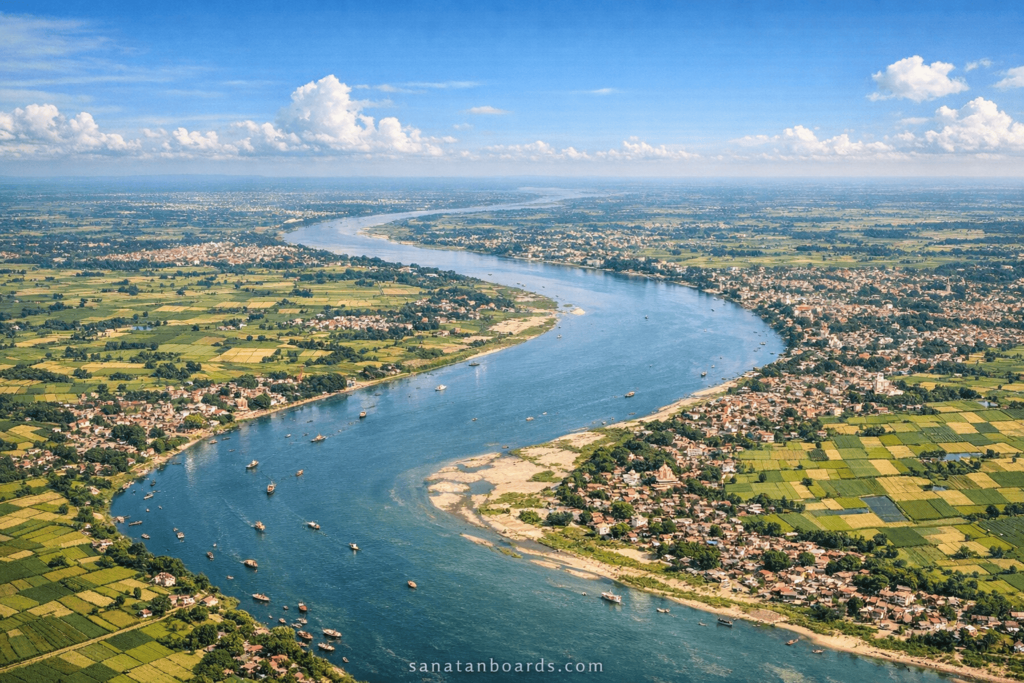
Case Study On Ganges River – Holiest Hindu River
The Ganges River serves as a complex case study of environmental management, cultural significance, and resource dependency. It represents the interaction between natural ecosystems and human civilization over thousands of years.
Historically, civilizations developed along its banks due to fertile land and abundant water. Ancient cities flourished, trade routes expanded, and cultural traditions evolved. Over time, the river became central to settlement patterns and economic development.
However, rapid urbanization and industrialization led to increased pressure on the river system. Waste discharge, agricultural runoff, and untreated sewage significantly impacted water quality. This created environmental challenges such as pollution, reduced biodiversity, and ecosystem imbalance.
In response, multiple initiatives were introduced to restore the river. Government-led programs and conservation efforts focused on cleaning the river, improving sewage treatment infrastructure, and promoting sustainable usage practices. Public awareness campaigns also encouraged responsible behavior toward water resources.
From an ecological perspective, the river supports diverse species including fish, amphibians, and river dolphins. However, habitat degradation has threatened several species, making conservation efforts essential.
Economically, the river continues to support agriculture, fisheries, tourism, and industries. It remains a critical resource for millions of livelihoods.
Socially and culturally, it continues to influence traditions, rituals, and community life. Despite environmental challenges, it remains deeply integrated into social identity.
This case study highlights the need for balanced development strategies that combine environmental protection with human requirements. Sustainable water management, pollution control, and ecosystem restoration are essential for maintaining the river’s long-term health.
The Ganges River thus represents both a natural asset #Sanatanboardsinuttarpradesh and a responsibility, requiring coordinated efforts across multiple sectors to ensure its sustainability for future generations.
White Paper On Ganges River – Holiest Hindu River
The Ganges River system is one of the most significant freshwater ecosystems in South Asia, playing a vital role in environmental sustainability, economic development, and social infrastructure. A structured analysis reveals its importance as well as the challenges it faces.
The river basin supports a large population dependent on it for water supply, agriculture, and industry. It serves as a backbone for irrigation networks that sustain food production across extensive agricultural zones. Additionally, it provides water for domestic and industrial consumption, making it indispensable for regional development.
Despite its importance, the river faces significant environmental stress. Pollution from industrial discharge, untreated sewage, and agricultural chemicals has led to deterioration in water quality. This has impacted biodiversity, reduced aquatic populations, and disrupted ecological balance.
Urban expansion along the river has intensified pressure on water resources. Increasing population density has led to higher demand for water, resulting in over-extraction and reduced flow in certain sections.
The river also holds immense cultural and social value. It is integrated into traditions, rituals, and community life, making it more than just a natural resource. This dual role as both a utility and a cultural symbol makes its management more complex.
Government and institutional initiatives have been implemented to address these challenges. These include river cleaning programs, wastewater treatment infrastructure development, and environmental regulations aimed at reducing pollution levels. Community participation and awareness campaigns have also played an important role.
However, long-term sustainability requires integrated water resource management. This includes strict enforcement of environmental laws, adoption of eco-friendly industrial practices, and improvement in urban sanitation systems.
Technological solutions such as real-time water monitoring, advanced filtration systems, and sustainable irrigation practices can contribute significantly to river conservation.
The white paper emphasizes that protecting the river is not only an environmental necessity but also an economic and social priority. #Sanatanboardsinvasai A balanced approach that integrates development with sustainability is essential.
Industry Application Of Ganges River – Holiest Hindu River
The Ganges River plays a crucial role in supporting multiple industries by providing essential natural resources such as water, fertile land, and ecosystem services. Its basin is one of the most economically important regions, where industries depend directly and indirectly on its water system for growth and sustainability.
1. Agriculture Industry
One of the biggest applications of the river is in agriculture. It supplies irrigation water to vast farmlands, supporting the cultivation of crops like rice, wheat, sugarcane, pulses, and vegetables. Fertile alluvial soil deposited by the river further enhances agricultural productivity, making the region highly suitable for farming-based industries and agribusiness.
2. Manufacturing and Processing Industry
Industries such as textiles, paper, chemicals, leather, and food processing use river water for production processes, washing, cooling systems, and cleaning operations. Many industrial hubs have developed along the river due to easy water availability, which is essential for large-scale manufacturing.
3. Energy Production Industry
The river supports hydroelectric power generation in certain regions. Water flow is harnessed to produce renewable energy, contributing to electricity supply for domestic and industrial consumption. This makes it an important natural resource for sustainable energy development.
4. Fisheries and Aquaculture Industry
The river supports inland fishing and aquaculture activities. Fish farming provides employment and food supply to millions of people. It also supports local markets and export-based fisheries businesses.
5. Tourism and Hospitality Industry
The river attracts religious, cultural, and ecological tourism. Pilgrimage sites along its banks generate significant economic activity in hotels, transport, guides, and local businesses. Tourism is one of the fastest-growing industries linked to the river.
6. Transportation and Trade Industry
Historically and in some regions today, the river is used for inland water transport. It helps in the movement of goods and reduces transportation costs, supporting trade and commerce.
7. Environmental and Research Industry
The river is also used in environmental monitoring, water management research, and sustainability studies. Scientists and organizations study its ecosystem to develop pollution control and conservation technologies.
Conclusion
Overall, the Ganges River is a key natural resource that supports agriculture, manufacturing, energy, fisheries, tourism, transport, and environmental industries, #Sanatanboardsinmumbai making it a vital economic backbone of the region.
source : FactSpark
ASK FAQ
1. What is the importance of the Ganges River in industry ?
The Ganges River is important for industries because it provides water for manufacturing, agriculture, energy production, fisheries, and tourism activities.
2. How does the Ganges River support agriculture?
It supports agriculture by supplying irrigation water and fertile soil, helping grow major crops like rice, wheat, and sugarcane.
3. Which industries depend on the Ganges River?
Industries like textiles, chemicals, food processing, fisheries, hydropower, and tourism depend on the river for water and resources.
4. Why is the Ganges River important for economic development?
It boosts economic development by supporting farming, industrial production, energy generation, and employment in multiple sectors.
5. How is the Ganges River used in tourism and business?
It attracts religious and cultural tourism, which supports hotels, transport services, local markets, and hospitality businesses.
Table of Contents
Disclaimer
This content is prepared purely for educational and informational purposes. It is intended to provide general knowledge and understanding of the subject matter and should not be considered as authoritative, religious, or scientific certification.