
WORLDWIDE: TOP 25 HINDU PILGRIMAGE & TOURISM PLACES
Hindu pilgrimage and tourism places across the world represent some of the most spiritually significant and culturally rich destinations on the planet. These sacred sites are deeply connected with ancient traditions, mythology, religious practices, and centuries-old heritage that continue to inspire millions of devotees and travelers every year. From the banks of the holy river Ganga in India to temple complexes in Nepal, Bali, Mauritius, and other parts of the world, Hindu pilgrimage destinations offer a unique blend of spirituality, architecture, and cultural unity.
The concept of pilgrimage in Hinduism is rooted in the idea of seeking inner peace, purification, and connection with the divine. These journeys are often undertaken to gain blessings fulfill vows, or simply experience sacred energy associated with holy places. Many of these destinations are associated with major deities such as Lord Shiva, Vishnu, Rama, Krishna, and Goddess Durga, making them highly revered among followers.
In addition to spiritual importance, these places also attract global tourists due to their architectural brilliance, historical importance, and scenic beauty. Famous temple towns, river confluences, mountain shrines, and coastal temples form a diverse spiritual map across countries. Whether it is the Himalayan shrines of Kedarnath and Badrinath or the grand Jagannath Temple in Puri, each destination carries unique legends and rituals.
Today, Hindu pilgrimage tourism has become a major part of global cultural travel, bringing together devotees, researchers, and tourists. It promotes cultural exchange, preserves ancient traditions, and supports local economies. The following sections explore the significance purpose, timing, location, methods, case studies, and industrial applications of these globally recognized sacred destinations.
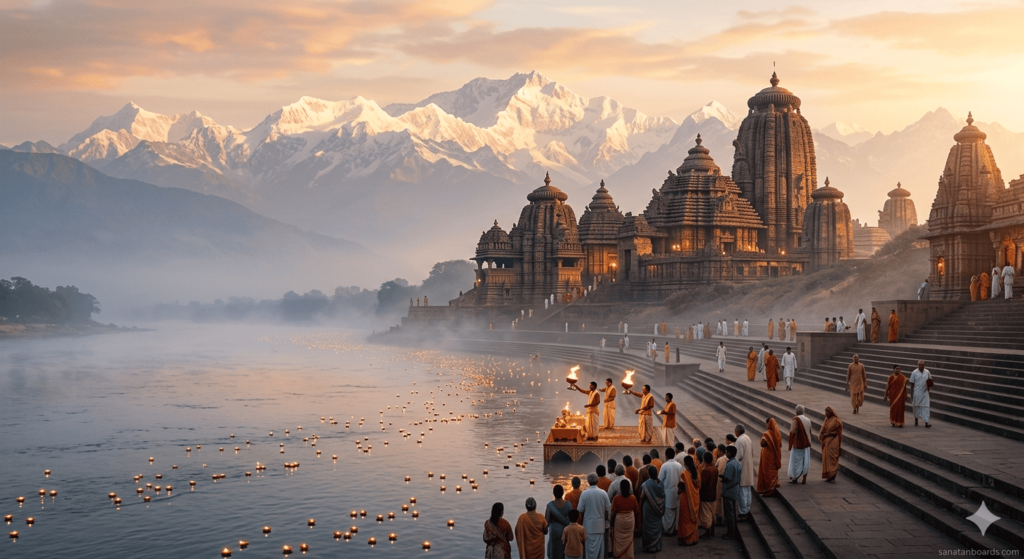
What Is Worldwide: Top 25 Hindu Pilgrimage & Tourism Places ?
The phrase “WORLDWIDE: TOP 25 HINDU PILGRIMAGE & TOURISM PLACES” refers to a collection of the most spiritually important and widely visited Hindu sacred destinations across the globe. These places are not limited to one country but are spread across India and several other nations where Hindu culture and traditions have historical or modern influence.
These pilgrimage destinations generally include temples, riverbanks, mountain shrines, coastal holy sites, and ancient spiritual cities. Each location is associated with specific deities, mythological stories, and religious events described in ancient scriptures such as the Vedas, Puranas, and epics like Ramayana and Mahabharata.
Some of the most recognized sites include Varanasi (Kashi Vishwanath Temple), Ayodhya (birthplace of Lord Rama), Mathura and Vrindavan (associated with Lord Krishna), Rameswaram, Dwarka, Jagannath Puri, Kedarnath, Badrinath, and Tirupati Balaji. Outside India, places like Pashupatinath Temple in Nepal, Batu Caves in Malaysia, and Ganga Talao in Mauritius also hold deep spiritual importance.
These locations serve multiple purposes: religious worship, cultural preservation, historical education, and tourism development. Pilgrims visit these sites to perform rituals, seek blessings, and experience spiritual awakening. Tourists visit to explore heritage architecture, local traditions, festivals, and natural beauty surrounding these sacred spaces.
Thus, this concept represents a global spiritual network that connects devotees through faith, tradition, and cultural heritage, making it an important subject of study in religion, tourism, and cultural studies.
Who Is Required Worldwide: Top 25 Hindu Pilgrimage & Tourism Places ?
The need for WORLDWIDE: TOP 25 HINDU PILGRIMAGE & TOURISM PLACES arises among multiple groups of people, institutions, and communities. Primarily, Hindu devotees require these sacred destinations for religious practices such as worship, meditation, rituals, and spiritual fulfillment. For them, these places are not just tourist spots but sacred centers of divine connection.
Religious scholars and historians also require knowledge of these pilgrimage sites to study ancient scriptures, cultural evolution, temple architecture, and historical development of civilizations. These locations provide deep insights into how religion and culture have shaped societies over thousands of years.
Tourism professionals and travel agencies require information about these destinations to design spiritual travel packages, manage pilgrimage tours, and promote cultural tourism. Governments and tourism boards also play a major role in maintaining, promoting, and developing infrastructure around these sites to support visitors and preserve heritage.
Students and researchers in fields such as anthropology, religious studies, history, and cultural studies require this information for academic purposes. It helps them understand belief systems, rituals, and global cultural diversity.
Additionally, international travelers and cultural enthusiasts seek these destinations to experience spirituality, architecture, and traditions. Even wellness seekers and meditation practitioners are increasingly drawn to these places for peace and mental well-being.
Thus, the requirement of these pilgrimage and tourism places spans across religious, academic, economic, and global travel sectors, making them universally significant.
When Worldwide: Top 25 Hindu Pilgrimage & Tourism Places Is Required ?
The requirement of WORLDWIDE: TOP 25 HINDU PILGRIMAGE & TOURISM PLACES arises at various times depending on religious calendars, personal life events, and tourism seasons. In Hindu tradition, pilgrimage is often linked with auspicious timings based on festivals, lunar calendars, and planetary positions.
Many devotees visit these sacred sites during major Hindu festivals such as Maha Shivaratri, Diwali, Navratri, Ram Navami, Janmashtami, and Kumbh Mela. These periods are considered highly auspicious for seeking blessings and performing religious rituals. For example, Varanasi and Kedarnath witness large pilgrim gatherings during Shivaratri, while Ayodhya becomes central during Ram Navami celebrations.
Apart from festivals, pilgrims often undertake journeys during specific life stages such as after retirement, during spiritual vows, or after fulfilling personal commitments. Some also visit these places during special religious events like temple anniversaries, ritual ceremonies, or spiritual retreats.
From a tourism perspective, the best time to visit these destinations depends on climate and accessibility. For instance, Himalayan shrines like Kedarnath and Badrinath are accessible mainly between April and November due to harsh winter conditions. Coastal temples like Rameswaram and Puri can be visited year-round but are especially vibrant during festival seasons.
Academic and research visits may occur throughout the year depending on study requirements, while international tourists often plan visits during vacation seasons.
Thus, the requirement of these pilgrimage places is not fixed to one time but is deeply connected to spiritual timing, seasonal accessibility, cultural festivals, and personal intentions of travelers and devotees.
Where Worldwide: Top 25 Hindu Pilgrimage & Tourism Places Is Required ?
WORLDWIDE: TOP 25 HINDU PILGRIMAGE & TOURISM PLACES are required across multiple geographical regions and cultural landscapes. The most prominent concentration is in India, which is the birthplace of Hinduism and home to thousands of sacred temples and pilgrimage sites.
In North India, places like Varanasi, Ayodhya, Mathura, Haridwar, Rishikesh, Kedarnath, and Badrinath are highly significant. These locations are associated with the Ganga river system and Himalayan spiritual traditions. In South India, major pilgrimage centers include Tirupati Balaji, Rameswaram, Madurai Meenakshi Temple, and Kanchipuram temples, known for their Dravidian architecture and deep devotional practices.
Western India includes Dwarka and Somnath in Gujarat, along with Shirdi in Maharashtra, which is also a major spiritual center. Eastern India is home to the Jagannath Temple in Puri and Kamakhya Temple in Assam.
Outside India, Hindu pilgrimage sites are found in Nepal (Pashupatinath Temple), Indonesia (Bali temples), Malaysia (Batu Caves), Mauritius (Ganga Talao), and other regions with Hindu diaspora communities.
These places are required in both rural and urban settings, from remote mountain shrines to coastal temple cities and metropolitan spiritual centers. They also exist in natural environments such as riverbanks, forests, and hills, symbolizing harmony between spirituality and nature.
Thus, these pilgrimage destinations are globally distributed, reflecting the worldwide presence and cultural influence of Hindu traditions.
How Worldwide: Top 25 Hindu Pilgrimage & Tourism Places Is Required ?
The requirement of WORLDWIDE: TOP 25 HINDU PILGRIMAGE & TOURISM PLACES is fulfilled through a combination of religious devotion, tourism infrastructure, cultural preservation, and organized travel systems.
Devotees travel to these places through personal planning, guided pilgrimages, or organized religious tours. Many travel agencies design special pilgrimage packages that include transportation, accommodation, temple visits, and guided rituals. Governments and tourism boards support this process by developing roads, railways, airports, and hospitality services near major pilgrimage sites.
Religious institutions and temple authorities manage rituals, crowd control, and spiritual activities. They ensure that visitors can participate in ceremonies, prayers, and offerings in an organized manner. Digital technology also plays an increasing role, with online booking systems, virtual darshan, and pilgrimage information platforms.
Cultural organizations help preserve heritage by restoring ancient temples, promoting festivals, and educating visitors about traditions. Media and educational platforms spread awareness about these sacred destinations globally.
Environmental and sustainability practices are also being integrated to protect natural pilgrimage sites like Himalayan shrines and river-based temples.
Thus, these pilgrimage and tourism places are required through a coordinated system involving religion, government, technology, and society, ensuring accessibility, preservation, and spiritual enrichment for all visitors.

Case Study On Worldwide: Top 25 Hindu Pilgrimage & Tourism Places
A comprehensive case study of worldwide Hindu pilgrimage and tourism places can be understood by examining four major spiritual destinations: Varanasi (India), Tirupati (India), Kedarnath (India), and Pashupatinath (Nepal). These sites collectively represent how religious heritage, tourism, economy, and culture interact in real-world scenarios.
Varanasi, one of the world’s oldest continuously inhabited cities, is a central example of spiritual tourism. The city is deeply connected with the Ganga River and is considered a major destination for rituals, prayers, and life-cycle ceremonies. Every day, thousands of devotees gather at the ghats for spiritual cleansing rituals. The Kashi Vishwanath Temple plays a central role in attracting pilgrims from across India and abroad. The local economy is heavily dependent on tourism, including boat services, flower offerings, lodging, and traditional handicrafts. However, the city also faces challenges like overcrowding, waste management issues, and environmental stress on the river ecosystem.
Tirupati Balaji Temple in Andhra Pradesh represents one of the most organized pilgrimage systems in the world. Managed by a structured temple administration, it handles millions of visitors every month. The temple is known for its efficient queue management system, digital ticketing, donation transparency, and large-scale food distribution programs. A significant portion of temple revenue is used for education, healthcare, and social welfare initiatives. This creates a model where religious tourism directly contributes to public development. The challenge here lies in maintaining crowd discipline during peak festival seasons and ensuring smooth operations without compromising spiritual experience.
Kedarnath Temple, located in the Himalayas, provides an example of high-altitude pilgrimage tourism. Accessibility is limited due to extreme weather conditions, yet devotion drives millions of pilgrims to undertake the difficult journey. After the 2013 natural disaster, massive reconstruction efforts were undertaken to rebuild infrastructure, improve safety systems, and restore access routes. Helicopter services, improved trekking paths, and emergency facilities now support pilgrims. This case highlights resilience and the importance of disaster management in pilgrimage tourism.
Pashupatinath Temple in Nepal reflects cross-border Hindu spiritual traditions. It attracts devotees from India, Nepal, and global Hindu communities. The temple is not only a religious site but also a cultural and social hub where rituals related to life and death are performed along the Bagmati River. It demonstrates how pilgrimage sites serve multiple spiritual functions beyond worship.
These case studies show several important outcomes: strong economic impact through tourism, preservation of ancient traditions, development of infrastructure, and global cultural connectivity. At the same time, they highlight challenges such as environmental degradation, overcrowding, and the need for sustainable tourism policies.
In conclusion, Hindu pilgrimage destinations function as living systems where spirituality, economy, and society interact continuously, shaping both local communities and global religious tourism patterns.
White Paper On Worldwide: Top 25 Hindu Pilgrimage & Tourism Places
Executive Summary
Worldwide Hindu pilgrimage and tourism destinations form one of the most extensive spiritual tourism networks globally. These sites are not only centers of worship but also critical contributors to cultural preservation, economic development, and international tourism. This white paper examines their structure, impact, challenges, and future sustainability needs.
1. Cultural and Religious Importance
Hindu pilgrimage sites are deeply rooted in ancient scriptures, mythology, and traditions. They represent spiritual geography where devotees connect with divine energies through rituals, meditation, and offerings. These destinations preserve centuries-old customs, temple architecture, classical art forms, and festival traditions. They serve as cultural repositories that maintain continuity between ancient civilization and modern society.
2. Economic Impact
Religious tourism contributes significantly to local and national economies. Millions of pilgrims travel annually, generating revenue for transportation, hospitality, food services, retail shops, and religious donations. Cities like Varanasi, Tirupati, and Puri rely heavily on pilgrimage tourism as a primary economic driver. The multiplier effect extends to artisans, guides, small vendors, and service providers, creating large-scale employment opportunities.
3. Infrastructure Development
The growth of pilgrimage tourism has led to major infrastructure development, including highways, airports, ropeways, sanitation systems, and smart city projects around religious centers. Governments invest heavily in improving accessibility and safety for pilgrims, especially in difficult terrains like Himalayan shrines.
4. Technological Integration
Digital transformation has significantly enhanced pilgrimage experiences. Online booking systems, virtual darshan services, mobile apps, GPS navigation, and crowd monitoring systems are widely implemented. These technologies improve efficiency, transparency, and accessibility for global devotees.
5. Environmental Challenges
One of the biggest concerns is environmental degradation. High footfall leads to pollution, waste accumulation, water contamination, and strain on natural resources. Sacred rivers like the Ganga face ecological pressure due to mass rituals and tourism activities. Sustainable tourism practices are urgently required.
6. Social and Cultural Challenges
Overcrowding, commercialization, and loss of traditional authenticity are emerging issues. Managing large crowds during festivals while maintaining spiritual sanctity is a complex task. There is also a need to balance modernization with cultural preservation.
7. Policy Recommendations
- Development of eco-friendly pilgrimage corridors
- Strict waste management policies
- Digital crowd control systems
- Preservation of heritage architecture
- Community-based tourism models
- Increased awareness programs for pilgrims
Conclusion
Hindu pilgrimage and tourism sites are powerful global assets that integrate spirituality, culture, economy, and technology. Proper planning and sustainable #sanatanboardsinvasai development strategies are essential to ensure their long-term preservation and continued global significance.
Industry Application On Worldwide: Top 25 Hindu Pilgrimage & Tourism Places
1. Tourism Industry
The most direct application is in the tourism sector. Pilgrimage destinations attract millions of domestic and international visitors annually. Travel agencies design specialized spiritual tour packages covering major temples, sacred rivers, and festival experiences. These packages often include transportation, accommodation, guided tours, and ritual assistance. Spiritual tourism has become a growing niche market globally, attracting not only devotees but also cultural explorers and wellness travelers.
2. Hospitality Industry
Hotels, guest houses, dharamshalas, and homestays thrive around pilgrimage centers. Demand ranges from budget accommodations for pilgrims to premium stays for international tourists. Food services also play a major role, with traditional vegetarian cuisine being a key attraction in many sacred cities. Seasonal spikes during festivals significantly boost occupancy rates and revenue.
3. Transportation Sector
Pilgrimage tourism heavily influences transportation networks. Airlines introduce special routes during festival seasons. Railways operate additional trains for major pilgrimage circuits. Road transport services, including buses, taxis, and shared mobility options, are essential for last-mile connectivity. Ropeways and helicopter services are developed in difficult terrains like Himalayan regions.
4. Digital and Technology Industry
Technology companies play a growing role in pilgrimage tourism. Mobile applications provide temple information, live darshan, booking systems, and crowd updates. Artificial intelligence and data analytics are used for crowd management and predictive planning during large festivals. Virtual reality experiences allow global devotees to access sacred sites remotely.
5. Retail and Local Economy
Local markets around pilgrimage sites benefit significantly. Shops selling religious items, souvenirs, flowers, clothing, and traditional crafts experience high demand. This supports small-scale entrepreneurs and preserves traditional handicrafts.
6. Government and Infrastructure Planning
Governments invest in infrastructure development such as roads, sanitation systems, smart city projects, water supply, and security systems around pilgrimage destinations. These investments improve both tourism experience and local living standards.
7. Education and Research Sector
These sites are widely used in academic research related to history, architecture, anthropology, religious studies, and cultural tourism. Universities and researchers study pilgrimage systems to understand human behavior, belief systems, and cultural evolution.
8. Healthcare and Safety Services
Large gatherings require strong healthcare infrastructure, including emergency medical services, disaster management systems, and crowd safety protocols. Temporary hospitals and medical camps are set up during major festivals.
Conclusion
Hindu pilgrimage and tourism places influence nearly every major industry, including tourism, hospitality, transport, digital technology, retail, governance, #sanatanboardsinindia education, and healthcare. Their impact is not limited to spirituality but extends to economic growth, cultural preservation, and technological advancement, making them a powerful global industry driver.
source : Aesthetic Data
ASK FAQ
1. What are the top Hindu pilgrimage places in the world?
Top Hindu pilgrimage places include Varanasi, Tirupati, Kedarnath, Rameswaram, Dwarka, Jagannath Puri, Badrinath, and Pashupatinath Temple in Nepal. These sites are highly sacred and attract millions of devotees globally.
2. Why are Hindu pilgrimage places important for tourism?
Hindu pilgrimage places are important because they combine spirituality, culture, and heritage. They attract religious tourists, support local economies, and preserve ancient traditions and temple architecture.
3. Which countries have famous Hindu pilgrimage sites outside India?
Apart from India, Nepal, Mauritius, Indonesia (Bali), Malaysia, and Thailand have famous Hindu pilgrimage sites like Pashupatinath Temple, Ganga Talao, and Batu Caves.
4. What is the purpose of visiting Hindu pilgrimage destinations?
The purpose is to seek spiritual peace, perform rituals, gain blessings, and connect with divine energy. Many also visit for cultural exploration and historical learning.
5. How does Hindu pilgrimage tourism impact the economy?
It boosts local economies through hotels, transport, shops, donations, and tourism services. It also creates jobs and supports small businesses around pilgrimage destinations.
Table of Contents
DISCLAIMER
This content is prepared for informational, educational, and general knowledge purposes only. It is intended to provide structured insights into cultural and historical topics without any intention of promoting or discouraging any belief system. All descriptions are based on general knowledge and cultural references.