
MAHALAKSHMI TEMPLE (KOLHAPUR, MAHARASHTRA)
Mahalakshmi Temple, Kolhapur is one of the most significant and ancient Hindu temples in India, dedicated to Goddess Mahalakshmi, the deity of wealth, prosperity, and well-being. Located in the heart of Kolhapur city in Maharashtra, this sacred shrine is also popularly known as “Ambabai Temple” by devotees. The temple holds immense cultural, historical, and spiritual importance and is counted among the 51 Shakti Peethas, making it a highly revered pilgrimage site for followers of the Hindu faith.
The architecture of the temple reflects the intricate craftsmanship of ancient Indian temple design, with beautifully carved stone structures and a sanctum that radiates spiritual energy. The temple is believed to have been constructed in the 7th century during the Chalukya dynasty, although several additions and restorations were carried out by later rulers including the Yadavas and Marathas. The temple complex is designed in such a way that it attracts thousands of devotees every day, especially during religious festivals.
One of the most unique aspects of this temple is that the idol of Goddess Mahalakshmi faces west, which is rare among Hindu temples. It is believed that the deity is self-manifested (Swayambhu), adding to its divine significance. Devotees visit the temple to seek blessings for prosperity, success, and protection from difficulties in life.
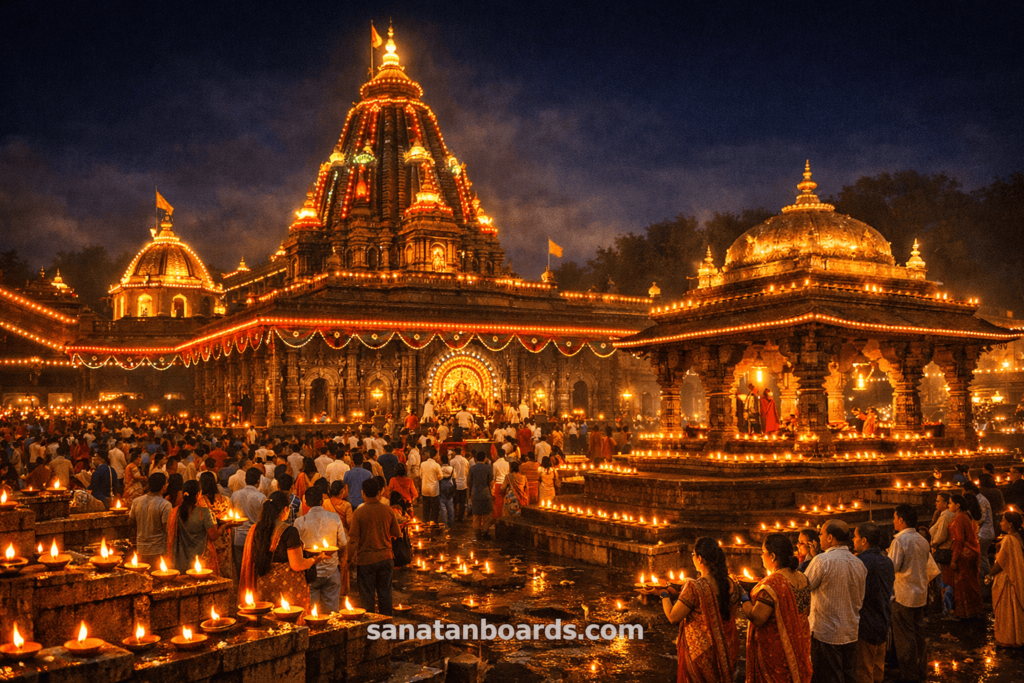
The temple is not only a religious center but also a cultural hub where traditions, rituals, and festivals are preserved and celebrated with great devotion. Major festivals like Navratri and Kirnotsav attract large gatherings, turning the temple into a vibrant spiritual destination. The presence of nearby sacred structures and the holy atmosphere of Kolhapur further enhances its importance.
Overall, this temple stands as a symbol of faith, devotion, and cultural heritage, drawing pilgrims and tourists from all over India and the world.
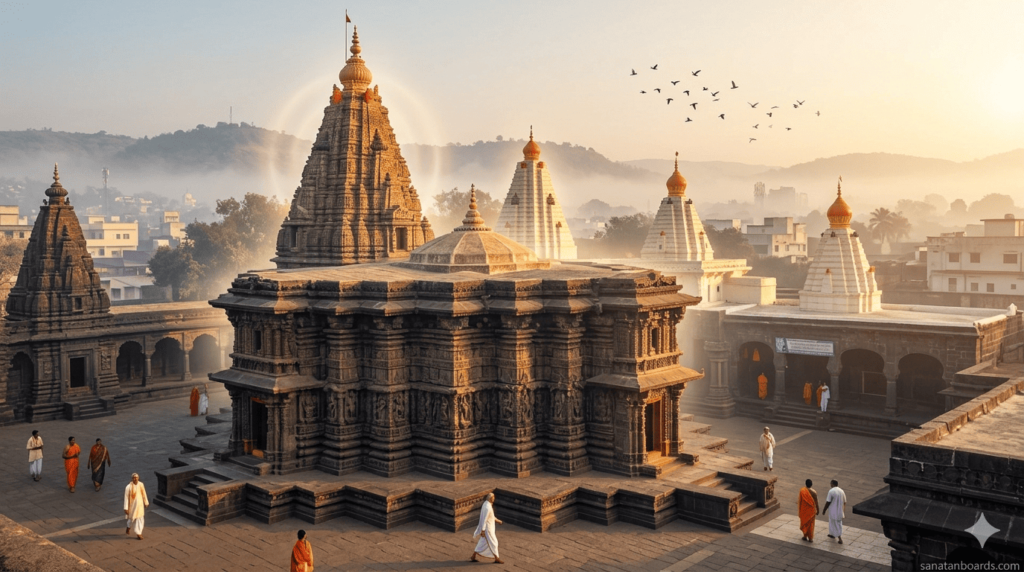
What Is Mahalakshmi Temple (Kolhapur, Maharashtra)?
Mahalakshmi Temple, Kolhapur is a sacred Hindu temple dedicated to Goddess Mahalakshmi, who is worshipped as the goddess of wealth, prosperity, and divine energy. It is one of the most important religious sites in India and is classified as a Shakti Peetha, which are temples dedicated to the divine feminine energy in Hindu tradition.
This temple is considered a powerful spiritual center where devotees believe that prayers are answered and blessings are granted. The temple is home to a beautifully carved idol of Goddess Mahalakshmi, made of black stone and adorned with ornaments. The idol is unique because it faces west, unlike most Hindu deities who traditionally face east.
Historically, the temple is believed to have been built during the Chalukya period, with later expansions by the Yadava rulers and Maratha kings. The architecture of the temple showcases intricate stone carvings and a traditional design that reflects ancient Indian craftsmanship.
The temple is not just a place of worship but also a cultural landmark. It plays an important role in preserving religious traditions, rituals, and festivals. Devotees from across India visit the temple throughout the year, especially during Navratri, when the temple is beautifully decorated and special rituals are performed.
The spiritual energy of the temple is believed to be very strong, and many people visit it seeking peace, prosperity, and solutions to personal and financial problems. The temple also contributes to the cultural identity of Kolhapur city and is one of the most visited pilgrimage sites in Maharashtra.
Who Is Required Mahalakshmi Temple (Kolhapur, Maharashtra) ?
Mahalakshmi Temple, Kolhapur is required for individuals seeking spiritual guidance, mental peace, prosperity, and blessings in life. Devotees from various walks of life visit this sacred temple with different intentions, but the common belief is that Goddess Mahalakshmi fulfills the sincere prayers of her followers.
People who are facing financial difficulties often visit the temple to seek relief and blessings for stability and growth. Businessmen and professionals also come to the temple to pray for success, expansion, and stability in their careers. Students and young individuals visit to seek focus, wisdom, and success in their education and future opportunities.
Apart from material needs, many people visit the temple for emotional and spiritual healing. Those going through stress, confusion, or personal struggles find comfort in the peaceful environment of the temple. The divine atmosphere is believed to help in reducing anxiety and bringing clarity of thought.
The temple is also important for families who wish for harmony, health, and protection from negative influences. Couples and individuals often visit to seek blessings for relationships and family well-being.
Additionally, pilgrims and tourists who are interested in Indian culture, history, and spirituality are also naturally drawn to this temple. It serves as an important destination for those exploring religious heritage and traditional architecture.
In a broader sense, the temple is required for anyone who believes in divine energy and wishes to connect with spiritual traditions. It is not limited to a specific group but is open to all devotees who seek faith, hope, and positivity in life.
Thus, the temple serves as a universal spiritual destination for anyone in need of guidance, strength, and blessings.
When Mahalakshmi Temple (Kolhapur, Maharashtra) Is Required ?
Mahalakshmi Temple, Kolhapur is required at various important moments in a person’s life when they seek spiritual strength, emotional stability, or guidance for important decisions. Devotees believe that visiting the temple at the right time can bring positive changes in life.
One of the most common times when people visit the temple is during financial difficulties. When individuals face business losses, job instability, or financial uncertainty, they often turn to the temple for blessings of Goddess Mahalakshmi, who is considered the goddess of wealth and prosperity. Many also visit before starting new business ventures or making financial investments.
The temple is also frequently visited during personal life challenges. People who are experiencing stress, anxiety, or emotional struggles find it beneficial to visit the temple during such phases. It is believed that prayers offered during difficult times bring clarity and peace of mind.
Festive occasions are another important time when the temple is required. During Navratri, Diwali, and other religious festivals, thousands of devotees gather to participate in rituals and seek blessings. These times are considered highly auspicious for worship and spiritual growth.
Important life events such as marriages, childbirth, and educational milestones also prompt visits to the temple. Families often visit to seek blessings for a smooth and successful transition in these life stages.
Additionally, people visit the temple before making major decisions such as starting a new career, moving to a new place, or beginning a new journey in life. It is believed that seeking divine guidance during such times ensures success and protection from obstacles.
The temple is also visited regularly by devotees as part of their routine spiritual practice, not just during crises. Daily worship and regular visits help maintain mental peace and spiritual balance.
Where Mahalakshmi Temple (Kolhapur, Maharashtra) Is Required ?
Mahalakshmi Temple, Kolhapur is required in Kolhapur city, which is located in the southwestern region of Maharashtra, India. Kolhapur is a historically and culturally rich city known for its deep spiritual roots and ancient traditions. The temple is situated in the central part of the city, making it easily accessible to devotees and visitors from different regions.
Geographically, Kolhapur lies near the borders of Karnataka and Goa, which makes the temple accessible to pilgrims from multiple states. Due to this strategic location, the temple attracts a large number of devotees from Maharashtra, Karnataka, Goa, and other parts of India. It is also well connected by road, rail, and air routes, making travel convenient for visitors.
The temple is required in this specific location because Kolhapur has been historically associated with Goddess Mahalakshmi worship for centuries. The city itself is often referred to as Dakshin Kashi due to its spiritual importance. The presence of the temple enhances the religious identity of the region.
Culturally, the temple serves as a central point for religious gatherings, festivals, and traditional events in Kolhapur. It is deeply integrated into the daily lives of local residents, who regularly visit for prayers and rituals. The surrounding areas of the temple are filled with shops, traditions, and cultural practices that support pilgrimage activities.
From a tourism perspective, the temple plays a vital role in attracting visitors to Kolhapur. It contributes significantly to the local economy through pilgrimage tourism, hospitality services, and cultural tourism.
The temple is also required in a broader spiritual context, as it is considered one of the Shakti Peethas in India. This makes its location not just geographically important but also spiritually significant.
How Mahalakshmi Temple (Kolhapur, Maharashtra) Is Required ?
Mahalakshmi Temple, Kolhapur is required through a combination of devotion, rituals, traditions, and structured worship practices that have been followed for centuries. The temple operates as a center where spiritual processes are carried out in a disciplined and sacred manner.
Devotees follow specific methods to offer prayers to Goddess Mahalakshmi. This includes entering the temple with reverence, performing darshan of the deity, and offering flowers, coconuts, and traditional offerings. Chanting of mantras and devotional songs is also a common practice inside the temple premises.
Priests play an important role in maintaining the temple rituals. Daily worship routines include morning and evening aarti, special poojas, and offerings that are conducted according to ancient scriptures. These rituals are performed in a structured way to maintain the sanctity of the temple.
The temple is also required through participation in festivals and religious ceremonies. During major events like Navratri, special rituals such as lighting lamps, decorating the deity, and conducting cultural programs are organized. Devotees actively participate in these activities, enhancing the spiritual atmosphere.
Another important aspect is discipline and devotion. The temple requires visitors to maintain cleanliness, follow traditional dress codes, and respect religious customs. This ensures that the spiritual environment is preserved for all visitors.
The temple also functions through the support of local communities and temple authorities. Maintenance, administration, and crowd management are essential to ensure smooth functioning, especially during peak pilgrimage seasons.
In modern times, digital systems and organized management have also been introduced to handle large crowds and improve the experience of devotees However, the core spiritual practices remain unchanged.
Thus, the temple is required through a blend of faith, rituals, discipline, and cultural tradition that together maintain its spiritual significance and operational structure.
Case Study On Mahalakshmi Temple (Kolhapur, Maharashtra)
Mahalakshmi Temple, Kolhapur serves as a powerful case study of how ancient religious institutions continue to influence modern society. It represents the intersection of spirituality, culture, tourism, and socio-economic development.
Historically, the temple has been a major pilgrimage center for centuries. Its origin is associated with early Hindu dynasties, and over time it has been expanded and maintained by various rulers. Despite political and social changes, the temple has retained its religious importance, showing the resilience of cultural heritage.
From a social perspective, the temple acts as a unifying space where people from different backgrounds come together. Devotees from various states and communities visit the temple without barriers of caste or status. This inclusivity highlights the temple’s role in promoting social harmony through shared faith.
Economically, the temple has a significant impact on Kolhapur city. Pilgrimage tourism generates income for local businesses, including hotels, transport services, flower vendors, and handicraft sellers. The temple indirectly supports thousands of livelihoods, making it a key driver of the local economy.
Culturally, the temple preserves traditional rituals, music, and festivals. Events like Navratri attract large crowds and showcase traditional art forms, devotional music, and cultural performances. This helps in preserving intangible cultural heritage.
From a management perspective, the temple demonstrates effective crowd control and organizational systems, especially during peak seasons. Authorities ensure smooth darshan arrangements, security measures, and cleanliness, which is essential for handling large numbers of visitors.
Spiritually, the temple continues to influence the beliefs and lives of millions of devotees. Many people report emotional comfort, mental peace, and a sense of direction after visiting. This shows the psychological and emotional role of religious spaces.
In modern times, the temple has also adapted to changing needs by incorporating better infrastructure and communication systems. However, it still maintains its traditional essence, balancing modernity with heritage.
Overall, this temple serves as a strong example of how ancient spiritual institutions remain relevant in contemporary society by contributing to culture, economy, and human well-being.
White Paper On Mahalakshmi Temple (Kolhapur, Maharashtra)
Mahalakshmi Temple, Kolhapur can be analyzed as a heritage and spiritual institution that integrates religious significance with socio-economic impact.
The temple is one of the major Shakti Peethas in India and has been a center of worship for centuries. Its continued relevance demonstrates the strength of cultural continuity in Indian society. The temple represents not only religious belief but also architectural heritage, historical continuity, and community identity.
From an institutional perspective, the temple functions as an organized system with defined roles for priests, administrators, and support staff. Daily rituals, festival management, and visitor services are carried out in a structured manner. This highlights how traditional institutions can operate efficiently even in modern times.
Economically, the temple contributes significantly to regional development. Pilgrimage tourism drives demand for accommodation, food services, transportation, and local trade. This creates a sustainable economic ecosystem around the temple. Small businesses especially benefit from the continuous flow of pilgrims throughout the year.
Socially, the temple plays a role in community building. It brings together people from different regions and backgrounds, fostering unity through shared devotion. The temple also supports charitable activities and community services, strengthening its social relevance.
Culturally, the temple preserves rituals, festivals, and traditional practices. Events such as Navratri serve as platforms for cultural expression, music, dance, and religious storytelling. This helps maintain cultural identity across generations.
From a governance perspective, temple administration involves coordination between religious authorities and local government bodies. Crowd management, infrastructure maintenance, and security are key operational priorities. Efficient governance ensures that the temple remains accessible and safe for all visitors.
In terms of challenges, the temple faces issues such as overcrowding during festivals, infrastructure pressure, and the need for sustainable tourism management. Addressing these challenges requires careful planning and resource allocation.
Despite these challenges, the temple remains a symbol of resilience and continuity. It successfully balances tradition with modern requirements, making it a model for heritage management.
In conclusion, the temple stands as a living #Sanatanboardsinvasai institution that integrates spirituality, economy, culture, and governance into a unified system.
Industry Application On Mahalakshmi Temple (Kolhapur, Maharashtra)
Mahalakshmi Temple, Kolhapur has multiple indirect applications across various industries including tourism, hospitality, transportation, retail, cultural heritage management, and digital services.
In the tourism industry, the temple acts as a major pilgrimage destination attracting millions of visitors annually. This drives demand for travel services, guided tours, and pilgrimage packages. Travel agencies often design specialized religious tour packages that include this temple as a key destination.
In the hospitality sector, hotels, lodges, and guest houses benefit significantly from visitors. The consistent inflow of pilgrims ensures steady occupancy rates, especially during festival seasons. Local food businesses and restaurants also experience increased demand.
The transportation industry is also heavily influenced. Railways, bus services, and private taxis see increased usage due to pilgrims traveling to Kolhapur. Infrastructure development around the temple improves connectivity and accessibility.
In the retail sector, local markets thrive due to the sale of religious items such as flowers, incense sticks, idols, souvenirs, and traditional clothing. This creates livelihood opportunities for small-scale vendors and artisans.
From a cultural heritage management perspective, the temple serves as a case study for preserving ancient architecture while accommodating modern infrastructure needs. Conservation efforts are necessary to maintain the structural integrity and artistic value of the temple.
In the digital industry, modern technologies are increasingly used to manage visitor information, online donations, virtual darshan systems, and digital marketing of pilgrimage services. This helps expand the temple’s reach to global devotees.
The event management industry also benefits from large-scale festivals organized at the temple. Professional services are required for crowd control, lighting, decorations, and logistics during major celebrations.
In the social development sector, the temple indirectly supports charitable activities such as food distribution, education support, and healthcare initiatives organized by trusts and community groups.
Overall, the temple acts as a multi-sector catalyst, influencing economic activity, cultural preservation, and technological adoption. It demonstrates #Sanatanboardsinmumbai how religious institutions can have wide-ranging industrial applications beyond their spiritual role.
source : India To Bharat
ASK FAQ
1. What is Mahalakshmi Temple in Kolhapur famous for?
Mahalakshmi Temple, Kolhapur is famous as a Shakti Peetha dedicated to Goddess Mahalakshmi, known for wealth, prosperity, and divine blessings. It is one of the most important pilgrimage sites in Maharashtra.
2. Where is Mahalakshmi Temple located?
The temple is located in Kolhapur city in Maharashtra, India. It is situated in the heart of the city and is easily accessible by road, rail, and air.
3. Why do people visit Mahalakshmi Temple Kolhapur?
Devotees visit the temple to seek blessings for wealth, success, health, and peace. It is believed that prayers offered here bring prosperity and remove difficulties in life.
4. When is the best time to visit Mahalakshmi Temple Kolhapur?
The best time to visit is during Navratri and Diwali festivals, when the temple is beautifully decorated and special rituals and celebrations take place.
5. What is the history of Mahalakshmi Temple Kolhapur?
The temple is believed to be built in the 7th century during the Chalukya dynasty and later expanded by Yadava and Maratha rulers, making it a historic and sacred site.
Table of Contents
Disclaimer
The information provided above is intended for educational and informational writing purposes only. It is based on historical, cultural, and commonly accepted traditional references. Interpretations related to beliefs, spirituality, and religious significance may vary among individuals and communities.