Sanatan Dharam Promoters are individuals or organizations dedicated to spreading knowledge, awareness, and practices of Sanatan Dharma, often referred to as the eternal path or eternal religion, rooted in Indian philosophy and culture. These promoters aim to educate people about the core principles of Sanatan Dharma, including dharma (righteousness), karma (actions and consequences), and moksha (liberation).
Their role is primarily educational and knowledge-driven, focusing on imparting values, ethical teachings, and spiritual wisdom derived from ancient scriptures like the Vedas, Upanishads, and Bhagavad Gita. They use modern methods such as workshops, seminars, online platforms, and publications to reach a global audience, while maintaining the essence of traditional teachings.
Sanatan Dharam Promoters often work with communities, educational institutions, and cultural organizations to preserve and promote spiritual heritage. Their efforts are not limited to religious rituals; they also emphasize moral values, social responsibility and harmonious living.
What Is Sanatan Dharam Promoters ?
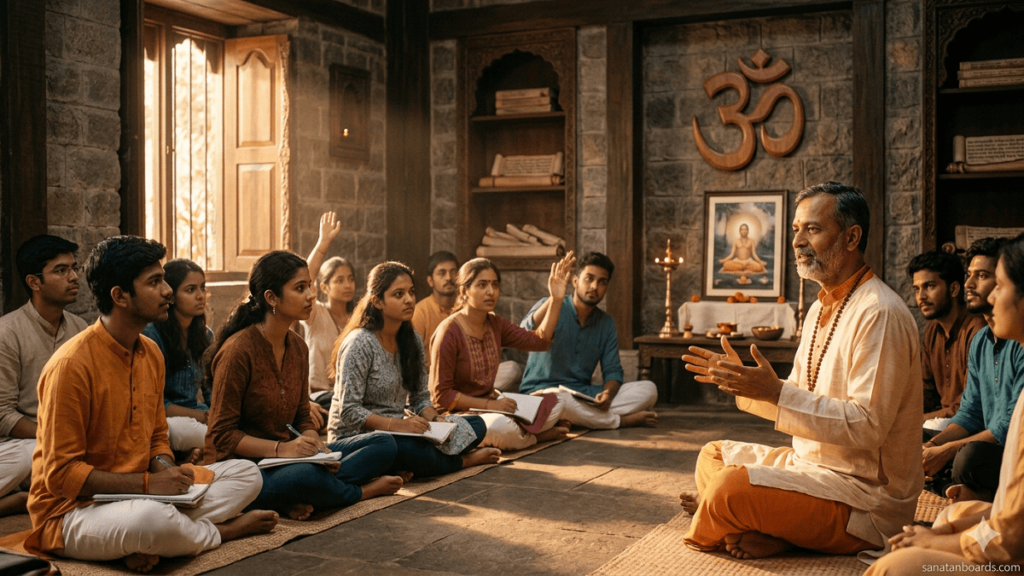
Sanatan Dharam Promoters are individuals or groups dedicated to spreading knowledge, awareness, and practice of Sanatan Dharma, often called the eternal or universal way of life. Their primary goal is to educate people about the principles of righteousness (dharma), actions and consequences (karma), and liberation (moksha), which are fundamental to Indian spiritual philosophy.
These promoters use a range of educational and cultural methods to engage audiences, including workshops, seminars, online platforms, and publications. They focus on making the teachings of ancient scriptures like the Vedas, Upanishads, and Bhagavad Gita accessible and understandable to modern learners.
Sanatan Dharam Promoters emphasize moral values, ethical living, and social responsibility, alongside spiritual knowledge. Their work preserves cultural heritage while fostering a sense of purpose and ethical awareness among communities.
By bridging the gap between ancient wisdom and contemporary life, these promoters ensure that Sanatan Dharma’s teachings are relevant, practical, and impactful. Their efforts contribute to knowledge-based learning, spiritual growth, and the promotion of cultural awareness for generations to come.
Who Is Required For Sanatan Dharam Promoters ?
A Sanatan Dharam Promoter is a knowledgeable individual, organization, or community leader who actively spreads awareness and understanding of Sanatan Dharma. They are often well-versed in the philosophical, cultural, and spiritual aspects of the religion and play a key role in educating people about its timeless principles.
Such promoters may include teachers, scholars, spiritual guides, or volunteers associated with cultural and educational institutions. Their work is not confined to religious rituals; instead, it focuses on holistic education, including moral and ethical teachings, meditation practices, and understanding human values as emphasized in scriptures like the Bhagavad Gita and Upanishads.
Sanatan Dharam Promoters act as bridges between the traditional teachings and modern society. They translate ancient concepts into practical guidance for contemporary life, helping individuals integrate spirituality, ethics, and social responsibility into daily living.
These promoters are also instrumental in organizing cultural programs, spiritual retreats, and awareness campaigns to ensure wider reach. They collaborate with schools, universities, community organizations, and online platforms to share knowledge globally.
In addition to spiritual guidance, Sanatan Dharam Promoters often contribute to social development by encouraging community service, environmental consciousness, and harmonious living. Their influence helps preserve cultural heritage while promoting ethical decision-making and personal growth.
When Is Sanatan Dharam Promoter required ?
A Sanatan Dharam Promoter becomes necessary in various contexts where education, awareness, and cultural guidance are needed to preserve the spiritual and ethical values of society. Their presence is particularly vital in the following scenarios:
1. Educational Institutions: Schools and universities require Sanatan Dharam Promoters to teach students about Indian culture, ethical principles, and spiritual wisdom. Through seminars, workshops, and lectures, promoters provide knowledge that complements academic learning, helping students develop moral reasoning and ethical awareness.
2. Community Programs: Communities, especially those located outside India or in multicultural environments, need promoters to sustain cultural and religious practices. They organize festivals, spiritual gatherings, and knowledge-sharing sessions to keep traditions alive.
3. Spiritual Guidance: Individuals facing personal or professional challenges often seek ethical and spiritual guidance. Sanatan Dharam Promoters help people understand dharma (righteousness) and karma (action), offering clarity and emotional support in decision-making.
4. Awareness Campaigns: Promoters are required during initiatives to educate the public about ethical living, environmental responsibility, and social harmony. They act as educators and role models, guiding communities to integrate spiritual principles into modern life.
5. Preservation of Heritage: With rapid globalization, traditional knowledge and cultural heritage can fade. Sanatan Dharam Promoters are necessary to ensure the continuity of practices, rituals, and teachings that form the backbone of Indian spiritual history.
6. Online Learning Platforms: In the digital era, promoters are required to provide educational content through online courses, videos, and interactive platforms. They make Sanatan Dharma accessible globally, ensuring that knowledge reaches learners of all ages and backgrounds.
Where is Sanatan Dharam Promoter required ?
Sanatan Dharam Promoters are required in diverse locations and environments where the teachings of Sanatan Dharma can be shared effectively for educational, spiritual, and cultural purposes. Their presence ensures that communities, students, and individuals understand and apply timeless spiritual principles.
1. Educational Institutions: Schools, colleges, and universities are prime locations where promoters are required. They guide students in understanding the ethical, moral, and spiritual aspects of life, complementing academic education. Workshops, lectures, and interactive sessions on dharma, karma, and meditation practices often take place here.
2. Religious and Cultural Centers: Temples, ashrams, and spiritual centers are natural locations for promoters. They help explain scriptures, organize cultural events, and conduct spiritual sessions, making ancient teachings accessible and practical for followers.
3. Community Spaces: Local communities, especially in urban areas or diaspora regions, benefit from promoters who organize festivals, awareness programs, and social initiatives. These efforts strengthen cultural identity and ethical living in everyday life.
4. Online Platforms: In the modern era, promoters are required on digital platforms such as websites, e-learning portals, social media, and video channels. Through online courses, webinars, and informational content, they reach a global audience, ensuring knowledge is available beyond geographical boundaries.
5. Corporate and Public Spaces: Organizations, government initiatives, and social welfare programs often engage promoters to provide training on ethics, mindfulness, and value-based leadership. This helps individuals and groups integrate dharmic principles into professional and societal roles.
6. Public Awareness Campaigns: Sanatan Dharam Promoters are also required in public spaces to conduct campaigns on social harmony, environmental responsibility, and cultural preservation. They educate communities on living ethically and sustainably while honoring traditions.
How is Sanatan Dharam Promoter required ?
The role of a Sanatan Dharam Promoter is executed through structured, knowledge-based, and interactive methods to ensure the teachings of Sanatan Dharma reach people effectively. The approach combines traditional wisdom with contemporary educational practices.
1. Teaching and Workshops: Promoters conduct workshops, seminars, and classes to educate students and adults about the principles of dharma, karma, and moksha. These sessions often include storytelling, discussions, and practical exercises that illustrate ethical living and spiritual growth.
2. Scriptural Guidance: They provide explanations of key scriptures such as the Bhagavad Gita, Vedas, and Upanishads, helping learners understand complex concepts in simple language. This ensures that traditional knowledge is accessible to modern audiences.
3. Cultural Programs: Promoters organize festivals, rituals, and cultural events to immerse communities in the practices of Sanatan Dharma. Through these activities, individuals experience values like compassion, honesty, and social responsibility firsthand.
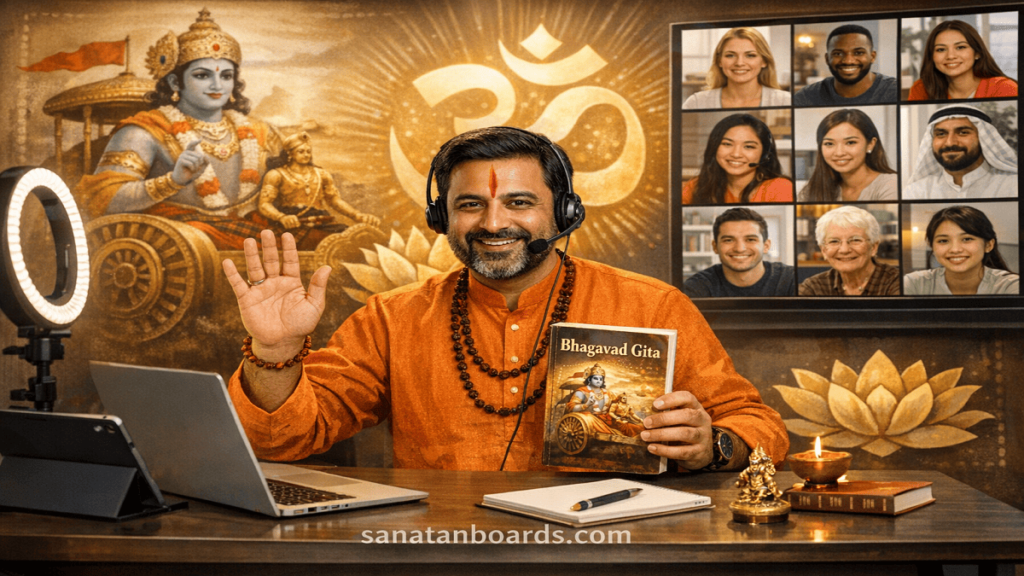
4. Digital Engagement: Modern promoters use online courses, webinars, videos, and social media content to reach a wider audience. Interactive platforms allow learners from across the world to access teachings, ask questions, and participate in discussions, making learning convenient and scalable.
5. Mentorship and Guidance: Promoters provide personal guidance for individuals seeking to integrate spiritual principles into daily life. They advise on ethical decision-making, meditation practices, and social responsibility, helping people align actions with dharmic values.
6. Collaboration: Promoters often work with educational institutions, NGOs, and community organizations to create structured programs that preserve cultural heritage while promoting ethical living.
7. Public Awareness: They also contribute to campaigns that educate society about harmonious living, environmental responsibility, and value-based behavior, ensuring that the benefits of Sanatan Dharma extend to social and ecological contexts
Case Study On Sanatan Dharam Promoters
Introduction
Sanatan Dharam, often called the eternal way, forms the foundation of India’s spiritual, cultural, and ethical heritage. In modern society, where globalization and technology influence lifestyles, the role of Sanatan Dharam Promoters becomes critical to preserving these ancient teachings and making them accessible to contemporary audiences. This case study examines the practices, challenges, and impact of Sanatan Dharam Promoters in promoting spiritual education and ethical awareness.
Background
Sanatan Dharma emphasizes three primary principles: Dharma (righteousness), Karma (actions and consequences), and Moksha (liberation). Over centuries, these teachings were orally transmitted and embedded in rituals, festivals, and daily life. With modernization and the spread of digital culture, younger generations are increasingly distanced from these practices.
Sanatan Dharam Promoters are individuals or organizations dedicated to bridging this gap. They focus on educational programs, workshops, cultural events, digital platforms, and community engagement to transmit spiritual knowledge. Their mission is not only religious but also educational, emphasizing ethics, personal growth, social responsibility, and mindfulness.
Objectives of Sanatan Dharam Promoters
- Educational Awareness: To teach the principles of Sanatan Dharma to students, communities, and global audiences.
- Cultural Preservation: To maintain the continuity of rituals, festivals, and traditional practices.
- Ethical Guidance: To guide individuals in ethical decision-making and socially responsible behavior.
- Global Outreach: To use modern tools such as online platforms and multimedia to reach audiences worldwide.
Methodology
Sanatan Dharam Promoters employ a multi-pronged approach:
- Workshops and Seminars: Organizing interactive sessions in schools, colleges, and community centers to teach ethical and spiritual principles. These workshops use storytelling, practical exercises, and group discussions.
- Scriptural Interpretation: Providing simplified explanations of texts like the Vedas, Upanishads, Bhagavad Gita, and Puranas, making them relevant to modern life.
- Cultural Events: Facilitating festivals, meditation retreats, and rituals to help participants experience dharmic principles in practice.
- Digital Outreach: Developing websites, mobile applications, YouTube channels, and social media campaigns to teach global audiences. Online courses allow interactive learning for students and adults alike.
- Mentorship Programs: Promoters guide individuals in personal development, meditation practices, and moral decision-making, integrating Sanatan Dharma into daily life.
Case Example: A Community-Based Initiative
In a metropolitan city with a diverse population, a group of Sanatan Dharam Promoters launched a program called “Ethics and Spirituality in Modern Life”.
Steps Taken:
- Conducted weekly workshops in schools and colleges.
- Organized community cultural events during festivals such as Diwali and Navratri.
- Published simplified guides on dharma and karma for children and adults.
- Created an online portal with video lectures, quizzes, and discussion forums.
Impact:
- Increased awareness of Sanatan Dharma principles among 5,000+ students and community members.
- Improved ethical decision-making in schools through interactive exercises.
- Strengthened cultural identity and social cohesion within the community.
Challenges Faced
- Modern Distractions: Technology and globalization divert attention from spiritual teachings.
- Misinterpretation: Simplifying ancient texts without losing meaning is challenging.
- Resource Constraints: Funding workshops, events, and digital content production requires significant resources.
- Diverse Audience: Catering to people of different ages, languages, and cultural backgrounds requires adaptive strategies.
Lessons Learned
- Integration with Modern Tools: Using digital platforms enhances reach and engagement.
- Interactive Learning: Workshops and group discussions are more effective than lectures alone.
- Community Collaboration: Partnerships with schools, NGOs, and cultural organizations amplify impact.
- Continuous Adaptation: Regularly updating content and methods keeps the teachings relevant.
Conclusion
Sanatan Dharam Promoters play a crucial role in educating, preserving, and propagating timeless spiritual principles. By combining traditional #sanatandharampromotersindelhi knowledge with modern educational tools, they ensure that the wisdom of Sanatan Dharma is relevant, practical, and accessible to contemporary society.
This case study demonstrates that promoters not only foster spiritual growth but also strengthen moral, cultural, and social foundations, helping #sanatandharampromotersinindia individuals lead ethical and harmonious lives. Their work is essential in a rapidly changing world where the balance between modernity and tradition is increasingly necessary.
White Paper On Sanatan Dharam Promoters
Executive Summary
Sanatan Dharma, often referred to as the eternal way, is a spiritual, ethical, and cultural system rooted in Indian philosophy. In a rapidly modernizing world, the transmission of its timeless principles to younger generations and global audiences requires structured efforts. Sanatan Dharam Promoters are the key facilitators of this knowledge, combining traditional wisdom with modern educational tools to ensure accessibility, relevance, and practical application.
This white paper explores the roles, methodologies, impact, challenges, and strategic recommendations for promoting Sanatan Dharma in contemporary society. It is intended for educators, cultural organizations, community leaders, and policymakers interested in spiritual education and cultural preservation.
Background
Sanatan Dharma emphasizes three core principles:
- Dharma (Righteousness): Ethical living, duty, and moral responsibility.
- Karma (Action): Understanding cause and effect in actions.
- Moksha (Liberation): Spiritual freedom and self-realization.
Historically, these principles were transmitted through oral teachings, rituals, and texts such as the Vedas, Upanishads, Bhagavad Gita, and Puranas. Modern society, influenced by technology and globalization, risks the dilution or misunderstanding of these teachings. Sanatan Dharam Promoters are necessary to bridge this gap and ensure continuity of knowledge.
Objectives of Sanatan Dharam Promoters
- Educational Outreach: Teach the principles of Sanatan Dharma in schools, colleges, and communities.
- Cultural Preservation: Organize festivals, rituals, and heritage programs.
- Ethical Guidance: Provide moral frameworks for personal and social decision-making.
- Global Accessibility: Utilize digital platforms for worldwide reach.
Methodologies
1. Educational Programs: Promoters conduct structured workshops, lectures, and interactive sessions in schools, universities, and community centers. These sessions often use case studies, storytelling, and group exercises to teach dharma, karma, and ethical living.
2. Scriptural Interpretation: Simplified explanations of sacred texts make complex philosophical concepts accessible. Online resources, guides, and translated materials are used to reach diverse audiences.
3. Cultural Engagement: Festivals, rituals, and retreats provide practical experience in applying Sanatan Dharma principles.
4. Digital Platforms: Websites, e-learning portals, video channels, and social media campaigns help extend the reach of teachings globally. Interactive courses, quizzes, and discussion forums enhance engagement.
5. Mentorship and Counseling: Promoters guide individuals on spiritual practices, meditation, and value-based decision-making in personal and professional life.
6. Community Collaboration: Promoters partner with NGOs, educational institutions, and cultural organizations to implement structured programs that preserve heritage and promote social harmony.
Benefits and Impact
- Preservation of Cultural Heritage: Ensures that traditional rituals, festivals, and teachings are sustained.
- Enhanced Ethical Awareness: Promotes moral and value-based decision-making in individuals and communities.
- Social Harmony: Encourages empathy, compassion, and ethical responsibility.
- Global Reach: Digital initiatives allow non-resident Indians and global learners to connect with Sanatan Dharma teachings.
- Personal Development: Improves mental clarity, mindfulness, and emotional well-being.
Challenges
- Modern Distractions: Technology and modern lifestyles reduce engagement with traditional teachings.
- Complexity of Texts: Translating and simplifying scriptures without losing their essence is difficult.
- Resource Limitations: Organizing events, creating digital content, and reaching global audiences requires substantial investment.
- Diverse Audience Needs: Age, language, and cultural differences necessitate adaptive strategies.
Recommendations
- Integrate Technology: Use apps, e-learning, and social media to increase accessibility.
- Interactive Learning: Promote hands-on workshops, cultural participation, and group discussions.
- Strategic Partnerships: Collaborate with schools, NGOs, and cultural organizations to maximize reach.
- Multilingual Resources: Translate content into multiple languages to reach wider audiences.
- Continuous Feedback: Collect feedback from learners to refine teaching methods and content.
Future Outlook
Sanatan Dharam Promoters will increasingly rely on digital transformation, leveraging AI, virtual reality, and interactive platforms to engage global learners. Their role will expand beyond traditional teaching to include well-being programs, ethical leadership training, and global cultural education. By adapting to modern contexts while staying true to the essence of Sanatan Dharma, promoters can ensure sustainable and meaningful impact for future generations.
Conclusion
Sanatan Dharam Promoters are essential custodians of India’s spiritual and cultural heritage. Through structured education, mentorship, #sanatandharampromotersinmumbai community engagement, and digital outreach, they ensure the transmission of ethical, spiritual, and cultural knowledge to present and future generations.
Their work strengthens social cohesion, promotes ethical living, and preserves timeless traditions in an evolving global context. By embracing modern tools and innovative approaches, Sanatan Dharam Promoters can continue to make the #sanatandharampromotersinvasai eternal teachings of Sanatan Dharma relevant, practical, and accessible worldwide.
Industry Applications Of Sanatan Dharam Promoters
Introduction
Sanatan Dharam Promoters, traditionally associated with spiritual education and cultural preservation, now play an increasingly significant role across various industries. Their expertise in ethics, value-based decision-making, and cultural knowledge makes them valuable contributors to education, corporate sectors, social initiatives, and digital platforms. This section explores how their work is applied in multiple industries, demonstrating the broader relevance of Sanatan Dharma principles in contemporary society.
1. Education Industry
Sanatan Dharam Promoters are extensively utilized in educational institutions, including schools, colleges, and universities. Their applications include:
- Curriculum Development: Designing modules on ethics, spirituality, and moral reasoning based on Sanatan Dharma principles.
- Workshops and Seminars: Conducting interactive sessions on dharma, karma, meditation, and personal development for students and teachers.
- Cultural Programs: Organizing festivals, traditional rituals, and storytelling sessions to teach students cultural and historical heritage.
- Online Learning Platforms: Creating e-learning courses, video lectures, and digital resources accessible to global students.
Impact: Students develop ethical awareness, emotional intelligence, and respect for cultural diversity. These programs complement academic learning and promote holistic development.
2. Corporate and Business Industry
Corporations increasingly recognize the value of ethical leadership and employee well-being. Sanatan Dharam Promoters contribute to:
- Corporate Ethics Programs: Designing training sessions on ethical decision-making, integrity, and social responsibility based on dharmic principles.
- Leadership Development: Mentoring managers and leaders to incorporate value-based practices into decision-making.
- Stress Management: Conducting meditation, mindfulness, and wellness programs to improve employee mental health and productivity.
- CSR Initiatives: Collaborating with companies on social welfare programs, environmental responsibility, and community engagement aligned with dharmic values.
Impact: Businesses benefit from enhanced ethical standards, better employee morale, and socially responsible practices that positively influence corporate culture and public perception.
3. Social and Community Services
Promoters play a pivotal role in community development and social welfare initiatives:
- Cultural Preservation: Organizing local festivals, heritage events, and educational campaigns to sustain cultural identity.
- Social Awareness Programs: Teaching communities about environmental responsibility, ethical conduct, and social harmony.
- Youth Engagement: Mentoring young adults through value-based education and life skills programs.
- Volunteer Programs: Mobilizing community members for service initiatives rooted in dharmic teachings.
Impact: Communities experience stronger social cohesion, ethical awareness, and preservation of spiritual heritage, enhancing overall societal well-being.
4. Digital and Media Industry
In the digital age, Sanatan Dharam Promoters extend their reach through technology:
- Content Creation: Developing video series, blogs, podcasts, and e-books that simplify spiritual and ethical teachings for global audiences.
- Mobile Applications: Launching apps that provide guided meditation, daily dharma lessons, and spiritual reminders.
- Social Media Campaigns: Sharing teachings, quotes, and interactive content to engage younger audiences effectively.
- Virtual Events: Hosting webinars, live Q&A sessions, and online festivals for international participants.
Impact: Digital presence allows Sanatan Dharma to reach audiences across geographies, bridging cultural and generational gaps while making learning accessible and engaging.
5. Healthcare and Wellness Industry
Sanatan Dharam Promoters contribute to mental and physical well-being through spiritual and ethical practices:
- Meditation and Mindfulness Programs: Integrating dharmic principles into stress management, meditation, and emotional health initiatives.
- Holistic Therapy Integration: Collaborating with wellness centers to incorporate yoga, meditation, and ethical living into therapy programs.
- Patient Counseling: Offering guidance on mental resilience, emotional balance, and ethical decision-making in healthcare settings.
Impact: Patients and healthcare professionals experience reduced stress, improved emotional health, and enhanced quality of life through value-based spiritual practices.
6. Government and Policy Sector
Governments and policymakers increasingly consult cultural and spiritual promoters for ethical and social guidance:
- Public Awareness Campaigns: Educating citizens on environmental responsibility, social harmony, and ethical governance.
- Cultural Diplomacy: Promoters represent Sanatan Dharma in international forums to showcase India’s spiritual heritage.
- Policy Advisory: Assisting in the design of ethics-based education policies and community programs.
Impact: Policies and campaigns benefit from culturally sensitive, value-driven perspectives that promote societal well-being and national heritage preservation.
7. Research and Academic Applications
Sanatan Dharam Promoters also contribute to research and scholarly work:
- Philosophical Research: Providing insights into ancient scriptures and ethical systems for academic studies.
- Interdisciplinary Collaboration: Integrating dharmic concepts into psychology, sociology, and ethics research.
- Case Studies and White Papers: Developing structured knowledge resources for students, scholars, and policymakers.
Impact: Promoters ensure the intellectual study of Sanatan Dharma continues, contributing to global academic discourse and evidence-based applications.
Conclusion
The role of Sanatan Dharam Promoters extends far beyond religious education. Their principles of ethics, dharma, karma, and social responsibility are #sanatandharmaaccreditationboardsinmumbai highly applicable across education, corporate leadership, community services, digital media, healthcare, government, and research industries.
By integrating traditional wisdom with modern practices, these promoters enhance personal growth, social cohesion, ethical standards, and global #sanatandharmaaccreditationboardsinvasai understanding of cultural heritage. Their applications demonstrate that Sanatan Dharma is not just a spiritual framework but a practical guide for contemporary life, offering benefits to individuals, communities, and industries alike.
source : HinduAcademy
ASK FAQ
What is a Sanatan Dharam Promoter?
A Sanatan Dharam Promoter is someone who educates and spreads awareness about the principles, ethics, and spiritual practices of Sanatan Dharma.
Who needs a Sanatan Dharam Promoter?
Students, communities, organizations, and individuals seeking ethical guidance, spiritual education, or cultural preservation may require a Sanatan Dharam Promoter.
When is a Sanatan Dharam Promoter required?
Promoters are needed during educational programs, cultural events, community initiatives, online learning, and social awareness campaigns.
Where can Sanatan Dharam Promoters work?
They operate in schools, universities, temples, community centers, digital platforms, corporate organizations, and social service initiatives.
How do Sanatan Dharam Promoters impact society?
They preserve culture, teach ethics, promote spiritual growth, strengthen communities, and enhance moral decision-making in personal and professional life.
Table of Contents
Disclaimer
The information provided in this content is intended solely for educational and knowledge purposes. It does not constitute professional, religious, or legal advice. While every effort has been made to ensure accuracy, readers should independently verify any facts, principles, or guidance before applying them in practice. References to Sanatan Dharma and its teachings are presented in a general, informative manner without promoting or endorsing any specific belief system. The author and publisher are not responsible for any actions taken based on this content. Users are encouraged to consult appropriate spiritual, educational, or professional authorities for guidance suited to their individual needs.