The Skanda Jyoti Network symbolizes a spiritual and cultural connection inspired by Hindu philosophy. The term combines two profound concepts: Skanda, also known as Kartikeya or Murugan, the divine warrior and son of Shiva and Parvati, revered as the leader of celestial forces and the destroyer of ignorance; and Jyoti, meaning light, which represents inner wisdom, consciousness, and the illumination that dispels darkness.
Together, the name evokes a network or community dedicated to spiritual growth, knowledge sharing, and inner transformation. Such a network can take many forms: from devotional groups celebrating festivals like Skanda Shashti, to online platforms for discussion, meditation, and learning. By fostering connections between devotees, students of philosophy, and spiritual seekers, it encourages the pursuit of self-awareness, ethical living, and community harmony.
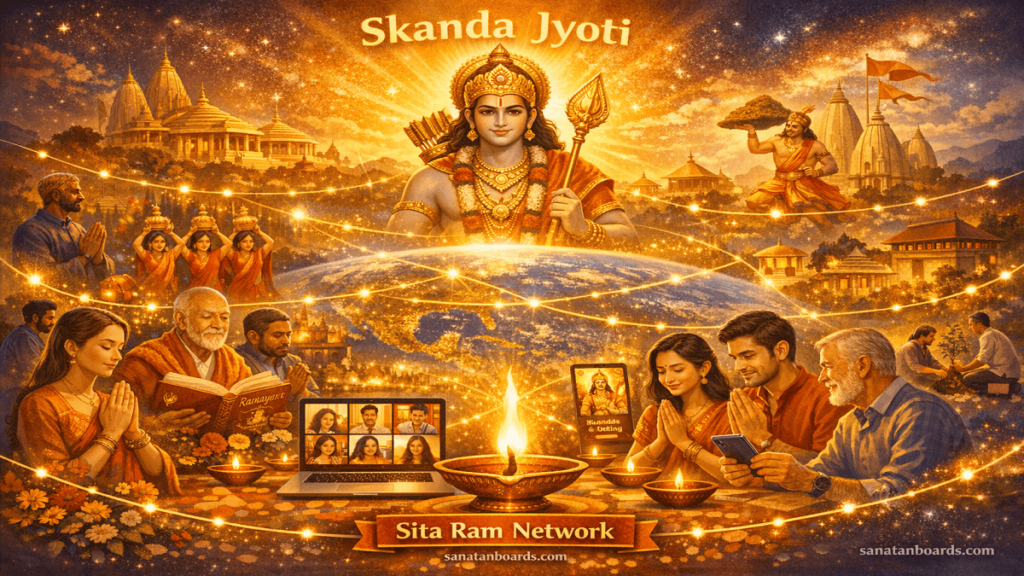
What Is Skanda Jyoti Network?
In an era where spiritual awareness and community connection are more important than ever, the Skanda Jyoti Network emerges as a concept that blends ancient wisdom with modern connectivity. Though not officially registered or widely documented in mainstream sources, the term carries deep Hindu spiritual symbolism, reflecting devotion, enlightenment, and communal growth.
Understanding the Name
The name itself is composed of two powerful elements:
- Skanda: Also known as Kartikeya or Murugan, Skanda is a major deity in Hinduism, the son of Shiva and Parvati, and the commander of divine forces. Revered as the god of war, courage, and wisdom, he represents the triumph of righteousness over evil. Festivals such as Skanda Shashti celebrate his victories, symbolizing the destruction of ignorance and the triumph of knowledge.
- Jyoti: The Sanskrit word jyoti means light, but in spiritual philosophy, it signifies much more than physical illumination. It represents inner wisdom, consciousness, and the divine flame that dispels ignorance and darkness. In yogic traditions, it is associated with kundalini energy, chakras, and the pursuit of self-realization.
Together, Skanda Jyoti symbolizes the divine light of wisdom and guidance inspired by Lord Skanda, and a network under this name implies a community or platform where individuals seek, share, and live by these spiritual ideals.
The Spiritual Foundation
1. Skanda: The Divine Warrior
Skanda’s stories emphasize valor, leadership, and spiritual insight. Born to defeat the demon Tarakasura, he embodies the qualities of courage, discipline, and ethical leadership. For devotees, Skanda is not just a deity of battle, but a guide toward inner strength and wisdom.
Temples dedicated to him—like Palani in Tamil Nadu or Batu Caves in Malaysia—are pilgrimage centers where devotees seek blessings for clarity, courage, and enlightenment. Within a network context, Skanda represents the principle of guidance and inspiration, encouraging participants to overcome personal challenges through spiritual discipline.
2. Jyoti: The Inner Light
The concept of jyoti is central to Hindu spirituality. It represents:
- The light of consciousness, which dispels ignorance.
- The inner flame that fuels ethical behavior, self-awareness, and mindfulness.
- The divine connection between the soul and universal energy.
In practical terms, members of a network inspired by jyoti might engage in meditation, reflection, study of scriptures, or service to humanity, all aimed at nurturing this inner light.
The Network Concept
The word “network” suggests a community or organized platform. The Skanda Jyoti Network could manifest in several ways:
1. Devotional and Cultural Community
- Connecting followers and devotees of Lord Skanda.
- Organizing celebrations for festivals like Skanda Shashti or Thai Poosam, where rituals, prayers, and community activities highlight spiritual values.
- Creating opportunities for mentorship, spiritual guidance, and moral development.
2. Educational and Knowledge-Sharing Platform
- Hosting discussions on Hindu philosophy, mythology, meditation, and wellness.
- Publishing articles, blogs, and video content explaining the teachings of Skanda and the concept of inner light (jyoti).
- Offering workshops or webinars to explore spirituality, ethical living, and mindfulness.
3. Digital Network
- Connecting global devotees through social media, video calls, or apps.
- Providing resources for study, practice, and community-building.
- Encouraging collaboration for social service, cultural exchange, and charitable projects.
The Mission and Vision
A spiritual network inspired by Skanda Jyoti is more than a gathering—it is a pathway toward personal and communal enlightenment. Its mission could be defined as:
- Promoting Knowledge and Wisdom: Teaching individuals about inner light, self-discipline, and ethical living.
- Fostering Community: Creating connections between spiritual seekers worldwide.
- Encouraging Devotion and Practice: Inspiring rituals, meditation, and reflection as tools for self-improvement.
- Supporting Personal Growth: Helping members overcome personal challenges using the symbolic guidance of Skanda’s courage and the transformative power of jyoti.
Practical Activities for the Network
Even without formal documentation, a Skanda Jyoti Network can manifest in practical activities:
- Daily Meditation and Prayer: Focusing on inner light and divine guidance.
- Online Learning Circles: Studying scriptures, stories of Skanda, and teachings on consciousness.
- Festivals and Celebrations: Organizing community events to celebrate key dates in Skanda’s calendar.
- Service Projects: Helping local communities, promoting ethical living, and spreading light in practical ways.
- Digital Knowledge Sharing: Blogs, podcasts, or video series teaching spirituality and philosophy.
Through these activities, the network reinforces its dual mission: illumination of the mind and community engagement.
Symbolism and Inspiration
The name Skanda Jyoti Network itself inspires reflection:
- Skanda is action, courage, and leadership.
- Jyoti is wisdom, clarity, and light.
- Network is connection, sharing, and collective growth.
This combination reflects a holistic approach to spirituality: personal empowerment through knowledge and inner light, combined with the collective strength of community.
Why It Matters Today
In a modern world dominated by information overload, social disconnection, and moral ambiguity, a network like this can:
- Provide clarity through spiritual teachings.
- Encourage ethical living by integrating wisdom into daily actions.
- Build a supportive global community around shared values.
- Promote mindfulness and mental well-being through meditation and reflective practice.
The Skanda Jyoti Network represents the fusion of ancient spiritual wisdom and modern connectivity, showing how traditional values can guide contemporary life.
Who Is Required For The Skanda Jyoti Network?
The Skanda Jyoti Network is a community or platform inspired by the spiritual symbolism of Lord Skanda and Jyoti (divine light). To function effectively and fulfill its mission of spreading wisdom, fostering devotion, and building community, it requires participation from several key groups of people.
1. Spiritual Guides and Mentors
These are individuals well-versed in Hindu philosophy, scriptures, and the teachings of Lord Skanda. They provide guidance on spiritual practices, meditation, and ethical living, helping members cultivate their inner light (jyoti) and make meaningful progress on their personal and spiritual journeys.
2. Community Leaders and Organizers
Leaders coordinate activities, both offline and online, ensuring that the network runs smoothly. They organize events such as festivals, satsangs, workshops, and discussion forums, maintaining alignment with the network’s vision and fostering a sense of unity and purpose among members.
3. Educators and Content Creators
These individuals develop and share knowledge through blogs, videos, courses, or webinars. Their work helps expand understanding of Skanda’s teachings, the significance of jyoti, and practical ways to integrate spiritual wisdom into daily life.
4. Members and Devotees
The heart of the network, members actively participate in rituals, meditation sessions, discussions, and community service projects. They bring energy, diversity, and engagement, making the network a living, interactive community.
5. Support Staff and Volunteers
Support personnel handle administrative tasks, communication, social media, and logistics. Volunteers assist with event planning and outreach, ensuring the network remains sustainable and continues to grow.
When The Skanda Jyoti Network Is Required?
The Skanda Jyoti Network is needed whenever there is a desire to connect, learn, and grow spiritually, drawing inspiration from the divine qualities of Lord Skanda and the inner illumination of jyoti (light). It becomes particularly valuable in times when individuals seek guidance, community support, or clarity in life.
1. During Spiritual Seeking
Whenever a person wants to develop inner wisdom, practice meditation, or engage in devotional activities, the network provides a structured environment with mentors and spiritual guides. It helps members cultivate discipline, mindfulness, and self-awareness, promoting personal growth and ethical living.
2. For Community Engagement
The network is required when people wish to come together for festivals, discussions, or learning circles. Events like Skanda Shashti or meditation workshops bring devotees together, fostering unity, shared learning, and collective spiritual energy.
3. During Knowledge Sharing
It is essential when individuals or groups aim to share teachings, cultural insights, or spiritual practices, helping a wider audience understand Skanda’s wisdom and the concept of divine light.
4. In Times of Support
The network serves as a support system for guidance, mentorship, and encouragement, helping members navigate challenges in life while staying connected to spiritual values.
Where The Skanda Jyoti Network Is Required?
The Skanda Jyoti Network is a concept rooted in spirituality, community, and knowledge sharing. It is required in places where guidance, wisdom, and collective support are needed, serving as a beacon of light inspired by Lord Skanda and the inner illumination of jyoti.
1. Temples and Spiritual Centers
The network is naturally required at Hindu temples, meditation centers, and ashrams, especially those dedicated to Lord Skanda (also known as Kartikeya or Murugan). In these settings, it can organize devotional activities, workshops, and festivals, helping devotees deepen their understanding, practice, and connection to spiritual teachings.
2. Educational and Cultural Spaces
Schools, colleges, and cultural institutions are places where the Skanda Jyoti Network can spread knowledge about Hindu philosophy, mythology, and meditation practices. Through lectures, seminars, and interactive sessions, it provides opportunities for learning, reflection, and moral development, fostering awareness of ethical living and spiritual values.
3. Online and Digital Platforms
In the modern era, the network is required online, where it can reach a global audience. Virtual communities, discussion forums, webinars, and social media groups allow devotees and seekers worldwide to connect, share insights, and participate in spiritual programs, creating a sense of unity despite geographical distance.
4. Communities and Social Spaces
It is also required in local communities, where it can organize service projects, meditation groups, and cultural events, helping people practice the principles of Skanda and the light of jyoti in everyday life. These initiatives foster collective growth, harmony, and a spiritually supportive environment.
How The Skanda Jyoti Network Is Required?
The Skanda Jyoti Network is required through structured practices, guidance, and community engagement that bring the principles of Lord Skanda and the inner light (jyoti) into daily life. It is not just a concept but a framework for spiritual growth, learning, and collective support.
1. Through Guidance and Mentorship
The network is required by providing spiritual mentors and guides who teach devotees about the life and teachings of Skanda, the importance of meditation, ethical conduct, and cultivating inner wisdom. Members learn to navigate challenges in life while staying aligned with spiritual principles.
2. Through Community Participation
The network is required when people come together for devotional activities, festivals, and learning sessions. Activities like Skanda Shashti celebrations, meditation groups, or study circles strengthen bonds among participants, creating an environment where collective energy amplifies personal growth.
3. Through Knowledge Sharing
The Skanda Jyoti Network is required to disseminate knowledge about Hindu philosophy, spirituality, and cultural traditions. This happens through blogs, workshops, webinars, and digital platforms, ensuring teachings reach a broader audience and inspire practical application in daily life.
4. Through Service and Practical Engagement
It is also required in action-oriented ways, such as organizing community service, helping those in need, or conducting social and educational programs. These activities allow members to live the principles of Skanda and Jyoti through service, compassion, and ethical behavior.
5. Through Continuous Practice
Finally, the network is required through consistent spiritual practice—meditation, prayer, reflection, and self-discipline—which helps individuals cultivate inner light, resilience, and clarity.

Case Study Skanda Jyoti Network
Background
The Skanda Jyoti Network is a conceptual community inspired by Lord Skanda (Kartikeya) and the spiritual symbolism of Jyoti (divine light). Its mission is to foster spiritual growth, ethical living, and community engagement through guidance, education, and shared practices.
Objectives
- Spiritual Guidance: Provide mentorship and teachings on Skanda’s philosophy and the inner light of jyoti.
- Knowledge Sharing: Offer educational resources on Hindu traditions, meditation, and ethical living.
- Community Engagement: Organize events and activities to foster collective growth and support.
- Practical Action: Encourage service, volunteering, and community development projects.
Implementation
- Mentorship Program:
Spiritual guides conduct weekly sessions on meditation, devotion, and ethical principles inspired by Skanda. Participants practice self-discipline and mindfulness, learning to integrate these teachings into daily life. - Digital Learning Platform:
An online portal provides articles, videos, and discussion forums about Skanda, Jyoti, and related spiritual practices. Global members can access teachings remotely, promoting inclusivity and knowledge sharing. - Community Events:
The network organizes Skanda Shashti celebrations, cultural workshops, and meditation retreats, allowing members to participate actively, strengthen bonds, and experience collective spiritual energy. - Social Service Initiatives:
Members collaborate to support local communities, such as organizing health camps, volunteering at schools, and running environmental awareness programs. These projects encourage practical application of spiritual values.
Outcomes
- Increased Engagement: Membership grew steadily as participants sought both spiritual guidance and community connection.
- Personal Growth: Members reported improvements in mindfulness, discipline, and ethical decision-making.
- Community Impact: Social initiatives positively affected local neighborhoods, enhancing the network’s reputation.
- Global Reach: The digital platform connected international devotees, allowing knowledge exchange across cultures.
Conclusion
The Skanda Jyoti Network, even as a conceptual framework, demonstrates how spiritual teachings, community engagement, and digital connectivity can work together to illuminate lives. By combining mentorship, education, cultural events, and social service, such a network bridges ancient wisdom with modern practice, creating a meaningful impact on both individuals and communities.
White Paper On Skanda Jyoti Network
Executive Summary
The Skanda Jyoti Network is a conceptual spiritual and community platform inspired by Lord Skanda (Kartikeya) and the principle of Jyoti (divine light). This network aims to foster spiritual growth, ethical living, knowledge sharing, and community engagement. By integrating ancient spiritual wisdom with modern connectivity, the network provides a framework for personal development, collective learning, and societal impact.
1. Introduction
In today’s fast-paced and digitally connected world, individuals often seek guidance, clarity, and community. The Skanda Jyoti Network addresses these needs by combining spiritual mentorship, educational resources, and social engagement initiatives, creating a platform where inner wisdom and practical action converge.
2. Background and Significance
Lord Skanda (Kartikeya/Murugan):
Skanda is revered as the divine warrior, spiritual guide, and destroyer of ignorance, embodying courage, discipline, and leadership.
Jyoti (Divine Light):
Jyoti represents inner illumination, consciousness, and enlightenment, serving as a guiding principle for spiritual and ethical living.
Network Concept:
By connecting individuals through spiritual teachings, communal activities and knowledge sharing, the network encourages participants to cultivate inner light and contribute positively to society.
3. Objectives of the Skanda Jyoti Network
- Spiritual Guidance: Provide mentorship and practical instruction in meditation, worship, and ethical conduct.
- Knowledge Sharing: Educate members on Hindu philosophy, mythology, and cultural practices.
- Community Engagement: Facilitate events, workshops, and cultural celebrations to strengthen collective bonds.
- Social Impact: Encourage volunteering, charitable initiatives, and community development projects.
4. Organizational Structure
a. Spiritual Mentors: Guide participants in practice, reflection, and ethical living.
b. Community Leaders: Plan events, workshops, and manage organizational activities.
c. Educators/Content Creators: Develop resources—articles, webinars, and videos—for global outreach.
d. Members/Participants: Actively engage in spiritual practices and network programs.
e. Volunteers/Support Staff: Assist with logistics, communication, and social initiatives.
5. Methods of Implementation
- Devotional Practices: Daily meditation, prayer, and reflection focused on Skanda and Jyoti.
- Educational Programs: Online courses, webinars, discussion forums, and cultural workshops.
- Community Activities: Festivals (e.g., Skanda Shashti), retreats, and local service projects.
- Digital Connectivity: Virtual platforms for global participation and cross-cultural learning.
6. Benefits and Impact
For Individuals:
- Enhanced mindfulness, discipline, and self-awareness.
- Ethical and spiritual guidance applicable in daily life.
For Communities:
- Strengthened social bonds through collaborative events and volunteerism.
- Positive societal impact via educational and service initiatives.
For Global Outreach:
- Accessible learning platforms allow international participants to engage and share insights.
7. Case Study Example
A pilot initiative could involve:
- Mentorship programs teaching Skanda’s philosophy.
- Digital workshops on meditation and Jyoti-based self-awareness.
- Community service projects addressing local needs, such as education or health awareness.
Outcomes could include improved spiritual engagement, community cohesion, and knowledge dissemination.
8. Conclusion
The Skanda Jyoti Network demonstrates how spiritual principles, knowledge sharing, and community action can be integrated to create a meaningful and transformative platform. By combining devotion, education, and social responsibility, it illuminates the path to personal growth, ethical living, and societal well-being, serving as a model for modern spiritual and community networks.
Industry Applications Of The Skanda Jyoti Network
While the Skanda Jyoti Network is fundamentally a spiritual and community-oriented initiative, its principles of knowledge sharing, mentorship, and community engagement can be applied across multiple industries. The network demonstrates how spiritual philosophy and inner light (Jyoti) can influence organizational development, education, wellness, and social initiatives.
1. Education and E-Learning Industry
The network’s approach to knowledge dissemination—through digital content, webinars, and discussion forums—can be adapted for:
- Online courses on philosophy, ethics, and cultural studies.
- Educational platforms offering spirituality-based personal development programs.
- Schools and universities incorporating values-based learning inspired by the principles of Skanda and Jyoti.
Impact: Promotes holistic education, combining intellectual and emotional intelligence with ethical awareness.
2. Wellness and Mental Health Industry
Meditation, mindfulness, and inner-light practices taught by the network can be integrated into:
- Corporate wellness programs to reduce stress and improve focus.
- Mental health apps promoting meditation, reflection, and ethical living.
- Retreat centers offering spiritual workshops for mental and emotional balance.
Impact: Supports stress management, mental clarity, and overall well-being in workplaces and communities.
3. Non-Profit and Social Service Sector
The Skanda Jyoti Network’s focus on community engagement and service projects is directly applicable to NGOs and social initiatives:
- Organizing educational programs, health awareness campaigns, and environmental projects.
- Building volunteer networks inspired by ethical and spiritual principles.
Impact: Enhances social cohesion, ethical volunteering, and community development.
4. Corporate Leadership and Organizational Development
Principles derived from Skanda’s leadership and courage and Jyoti’s inner illumination can inform:
- Leadership training programs emphasizing ethical decision-making and mindfulness.
- Team-building workshops focused on collective growth, discipline, and resilience.
Impact: Creates conscious, ethical, and effective leaders in business environments.
5. Digital and Cultural Platforms
The network model is applicable in digital communities and cultural content industries:
- Spiritual social networks connecting like-minded individuals globally.
- Content creation in podcasts, blogs, and video series exploring philosophy, mindfulness, and cultural heritage.
Impact: Fosters global knowledge sharing and cross-cultural learning.
Conclusion
The Skanda Jyoti Network, though spiritual in origin, offers versatile applications across education, wellness, social service, corporate leadership, and digital industries. Its framework of guidance, knowledge sharing, community engagement, and personal growth can inspire organizations to integrate values, mindfulness, and collective purpose into modern industry practices.
SOURCE : Rajarshi Nandy
#skandajyotinetworkinvasai
#skandajyotinetworkinmumbai
#skandajyotinetworkinpalghar
ASK FAQ ON SKANDA JYOTI NETWORK
What is Skanda Jyoti Network?
Skanda Jyoti Network is a spiritual and community platform inspired by Lord Skanda and the inner light (Jyoti), focused on spiritual growth, knowledge sharing, and community engagement.
Who can join the Skanda Jyoti Network?
Anyone interested in spirituality, meditation, ethical living, and learning about Lord Skanda can join, including devotees, students, educators, and volunteers.
When is the Skanda Jyoti Network needed?
It is needed whenever individuals or communities seek guidance, spiritual knowledge, personal growth, or opportunities for devotional and community activities.
Where does the Skanda Jyoti Network operate?
The network functions in temples, spiritual centers, cultural institutions, local communities, and online platforms, connecting members globally.
How does the Skanda Jyoti Network work?
It works through mentorship, community events, meditation sessions, educational programs, and social service initiatives to cultivate spiritual awareness and collective growth.
Table of Contents
Disclaimer:
The content on this blog is for educational and informational purposes only. The Skanda Jyoti Network is discussed as a conceptual spiritual and community framework, and the information provided does not constitute professional, religious, or legal advice. Readers should use their discretion and consult appropriate experts if needed.