Sanatan Dharma Researcher
An Eternal Inquiry into Truth, Consciousness, and Cosmic Order
Abstract: This paper presents a comprehensive researcher’s overview of Sanatan Dharma, a term often translated as “Hinduism” but more accurately understood as “The Eternal Order” or “The Eternal Law.” Moving beyond superficial stereotypes, this exploration delves into the tradition’s foundational philosophical frameworks, its diverse yet interconnected theological paths, its profound metaphysical inquiries, and its dynamic socio-cultural expressions.
We examine the core concepts of Dharma, Karma, Samsara, and Moksha; analyze the primary schools of thought from Advaita Vedanta to devotional Bhakti; and investigate the tradition’s unique approach to time, divinity, and the purpose of human life. This research aims to provide a holistic understanding of Sanatan Dharma as a continuously evolving, non-dogmatic, and deeply pluralistic civilization rooted in an eternal quest for truth (Satya).
I. Introduction: Defining the Indefinable – The Nature of Sanatan Dharma
The term “Hinduism” is an exonym, a 19th-century colonial construct derived from the Persian “Hind” (land of the Indus River). The tradition’s adherents have historically referred to their worldview as Sanatan Dharma—a Sanskrit phrase carrying profound meaning. Sanatan signifies that which is eternal, perpetual, without beginning or end, perennial. Dharma is a multivalent concept irreducible to “religion.” It derives from the root dhr, meaning to uphold, sustain, or maintain. It is the cosmic law that upholds the universe, the ethical principle that upholds society, and the intrinsic duty that upholds the individual. Thus, Sanatan Dharma translates to “The Eternal Sustaining Order” or “The Perennial Way.”
Unlike creedal religions centered on a single historical founder, prophetic revelation, or a definitive holy book, Sanatan Dharma is a meta-tradition. It is a vast, complex, and organic ecosystem of spiritual philosophies, practices, rituals, myths, art forms, and social systems that have evolved over millennia on the Indian subcontinent. It is characterized by its pluralism, inclusivity, and self-critical inquiry.
It acknowledges multiple valid paths (margas) to the ultimate truth, accommodates a spectrum of beliefs from devotional theism to rigorous atheistic rationalism, and has consistently encouraged debate and dissent within its fold. Its primary sources are not commandments but revelations (Shruti, “that which is heard”) and remembered wisdom (Smriti, “that which is remembered”), creating a dynamic interplay between the eternal and the contextual.
This paper is structured as a researcher’s guide to this immense landscape. We will navigate its foundational pillars, its theological and philosophical diversity, its practical applications in life and society, and its contemporary relevance.
II. The Foundational Pillars: Core Concepts That Structure Reality
To understand Sanatan Dharma, one must first grasp its fundamental ontological and ethical building blocks.
- 1. Dharma: As stated, Dharma is the linchpin. It operates on three levels:
- * Rita (Cosmic Dharma): The inherent, immutable order of the cosmos. The laws of nature, the cycles of seasons, and the movement of celestial bodies are expressions of Rita.
- * Varna-Ashrama Dharma (Societal & Individual Dharma): The ethical framework for human life. Varna (often misunderstood as the rigid caste system) originally referred to a fluid conceptual model of societal organization based on inherent tendencies (guna) and work (karma)—the thinkers/teachers (Brahmins), protectors/administrators (Kshatriyas), producers/traders (Vaishyas), and supporters/servants (Shudras). Ashrama outlines the four stages of life: the student (Brahmacharya), the householder (Grihastha), the forest-dweller/advisor (Vanaprastha), and the renunciant (Sannyasa). One’s Dharma (Svadharma) is the righteous duty appropriate to one’s stage of life and inherent nature.
- * Sadharana Dharma (Universal Duties): Ethical imperatives for all humans, regardless of station. These include non-violence (Ahimsa), truthfulness (Satya), non-stealing (Asteya), purity (Shaucha), and self-control (Indriya Nigraha).
2. Karma and Samsara: The law of Karma (action) is the principle of cause and effect extended to the ethical realm. Every intentional thought, word, and deed has a consequence (phala) that shapes one’s future, both in this life and beyond. Samsara is the beginningless cycle of birth, death, and rebirth, driven by karma and fueled by ignorance (Avidya) and desire (Kama). The nature of one’s rebirth is determined by the quality of accumulated karma.
3. Moksha: The ultimate goal of human life. Moksha is liberation from the cycle of Samsara. It is not merely a heavenly reward but the realization of one’s true nature (Atman), leading to freedom from suffering (Duhkha), ignorance, and the limitations of the ego. It is a state of eternal bliss (Ananda), peace (Shanti), and consciousness (Chit).
4. The Nature of the Self (Atman) and Ultimate Reality (Brahman): A central inquiry is the relationship between the individual soul and the ultimate ground of being. The Upanishads declare the mahavakya (great saying): “Tat Tvam Asi” (“Thou art That”). This points to the non-dual essence: the core of the individual self (Atman) is identical with the ultimate, formless, attributeless reality (Nirguna Brahman). However, the tradition also fully embraces the worship of the ultimate with attributes (Saguna Brahman) in personal forms like Vishnu, Shiva, or the Goddess (Devi).
III. The Four Pathways (Yogas) to Liberation
Sanatan Dharma systematizes the pursuit of Moksha into four primary Yogas (paths of union), acknowledging different human temperaments.
- Jnana Yoga (The Path of Knowledge): The path of the philosopher and the ascetic. It uses intense intellectual inquiry, discernment (Viveka), and meditation to negate what one is not (Neti, neti—”not this, not this”) and directly realize the non-dual truth of Atman-Brahman. Its primary text is the Upanishads, and its most famous exponent is Adi Shankara (Advaita Vedanta).
- Bhakti Yoga (The Path of Devotion): The path of the lover of God. It is the surrender of the ego through intense, loving devotion to a personal deity (Ishta Devata). Through prayer, chanting (kirtan), ritual worship (puja), and constant remembrance, the devotee seeks a loving union with the Divine. This emotionally rich path democratized spirituality, making it accessible to all. The Bhagavata Purana and the poetry of saints like Mirabai, Tulsidas, and the Alvars are its cornerstones.
- Karma Yoga (The Path of Selfless Action): The path of the activist. It teaches the performance of one’s prescribed duties (Svadharma) without attachment to the fruits of action (Nishkama Karma). By dedicating all actions as an offering to the Divine, one purifies the mind and breaks the bonds of egoistic karma. It is the central teaching of the Bhagavad Gita.
- Raja Yoga (The Royal Path of Meditation): The psycho-experimental path. Systematized by Patanjali in the Yoga Sutras, it is an eight-limbed (Ashtanga) science of mind control. The steps (Yamas, Niyamas, Asana, Pranayama, Pratyahara, Dharana, Dhyana, Samadhi) lead the practitioner from ethical preparation through physical postures and breath control to profound states of meditative absorption, culminating in Kaivalya (isolation of pure consciousness).
A true practitioner often integrates these paths, as exemplified in the Bhagavad Gita, where Krishna advises Arjuna to be a “Yogi” who combines knowledge, devotion, and selfless action.
IV. The Philosophical Landscape: Darshanas
Sanatan Dharma houses six classical orthodox (astika) philosophical systems (Darshanas, “views” or “perspectives”), which accept the authority of the Vedas but interpret them in vastly different ways. They are often paired:
- Nyaya (Logic): A system of logic and epistemology that establishes the rules for rational debate and the means of obtaining valid knowledge (Pramanas).
- Vaisheshika (Atomism): A form of natural philosophy and metaphysics that proposes a pluralistic universe composed of eternal atoms, categorized into distinct types.
- Samkhya (Enumeration): A dualistic, atheistic (in its classical form) philosophy that analyzes reality into two eternal principles: pure consciousness (Purusha) and primordial nature (Prakriti). The interaction of the two, driven by the imbalance of the three constituent qualities (gunas—Sattva, Rajas, Tamas), generates the manifest universe.
- Yoga (Meditation): The practical companion to Samkhya. It accepts Samkhya’s metaphysics but adds a personal God (Ishvara) as a special Purusha and provides the methodology (the eight limbs) to achieve the separation of Purusha from Prakriti.
- Purva Mimamsa (Vedic Exegesis): Focuses on the correct interpretation and performance of Vedic ritual (karma-kanda). It emphasizes Dharma as duty and upholds the absolute authority of the Vedas.
- Uttara Mimamsa (Vedanta): The “end of the Vedas,” focusing on the Upanishadic teachings on Brahman and Atman. This is the most influential school, with several major sub-schools:
- Advaita Vedanta (Non-Dualism): Propounded by Adi Shankara (8th c. CE). It asserts absolute non-duality. The phenomenal world (Maya) is an illusory appearance superimposed upon the only reality, Nirguna Brahman. The individual Atman is Brahman; liberation is the realization of this identity.
- Vishishtadvaita (Qualified Non-Dualism): Expounded by Ramanuja (11th c. CE). It is a theistic, monistic realism. While Brahman (identified as Vishnu-Narayana) is the only reality, individual souls (Atman) and the material world are real, constituting the “body” or attributes of God. They are inseparable but distinct. Liberation is eternal communion with God in His celestial abode, not total merger.
- Dvaita (Dualism): Founded by Madhva (13th c. CE). It posits a fundamental and eternal distinction between God (Vishnu), individual souls, and the material world—all are real but ontologically separate. Liberation involves attaining the Lord’s proximity, characterized by blissful servitude.
These systems, often in vigorous debate with each other and with heterodox (nastika) traditions like Buddhism and Jainism, created an unparalleled culture of intellectual rigor within the tradition.
V. The Theological Tapestry: One Truth, Many Forms
The popular perception of Sanatan Dharma as polytheistic is a misunderstanding. It is essentially monotheistic polytheism or panentheistic. The one Supreme Reality (Brahman) is understood to manifest in innumerable forms to aid devotees of different inclinations. This gives rise to major theistic traditions:
- Vaishnavism: Devotion to Vishnu (the Preserver) and his incarnations (Avatars), primarily Rama and Krishna. It emphasizes God’s grace (Prasada), divine play (Lila), and the soul’s loving surrender (Prapatti). Core texts include the Bhagavad Gita, Vishnu Sahasranama, and the Bhagavata Purana.
- Shaivism: Devotion to Shiva (the Transformer), the ascetic yogi and cosmic dancer (Nataraja). It values intense asceticism, meditation, and the realization of the Self as one with Shiva. Key texts are the Shaiva Agamas and the poetry of the Nayanars.
- Shaktism: Worship of the Supreme as the Divine Feminine—Shakti (Power) or Devi (Goddess). She is the active, creative energy of the universe. She manifests in both benevolent forms (Parvati, Lakshmi, Saraswati) and fierce forms (Kali, Durga). The Devi Mahatmya is a central text.
- Smarta Tradition: A pluralistic, liberal tradition following the smriti texts (like the Laws of Manu) and popularized by Adi Shankara. It allows the worship of multiple deities (often the “pañcāyatana” set: Vishnu, Shiva, Devi, Ganesha, Surya) while understanding them as manifestations of the impersonal Brahman.
This theological diversity is held together by the principle of Ishṭa Devatā—the concept that an individual is free to choose and focus on the form of the Divine that most resonates with their heart and mind.
VI. Dharma in Practice: Ritual, Lifecycle, and Society
Sanatan Dharma is not merely philosophy; it is a lived tradition infused into daily life.
- Samskaras (Sacraments): From conception to death, life is marked by sacraments that sanctify transitions. Important ones include the naming ceremony (Namakarana), the sacred-thread ceremony (Upanayana, for the “twice-born”), marriage (Vivaha), and funeral rites (Antyeshti).
- Puja and Temple Worship: Puja is the act of showing reverence to a deity through offerings of flowers, water, incense, light, and food. The temple (Mandir) is not just a congregational hall but a cosmic diagram (Mandala), a place where the Divine descends to be accessible. The idol (Murti) is not an idol but a consecrated vessel (Vigraha) for divine energy.
- Festivals (Utsavas): The calendar is a cycle of festivals that celebrate theology, mythology, and the rhythms of nature. Diwali (festival of lights), Holi (festival of colors), Navaratri (nine nights of the Goddess), and Maha Shivaratri are major examples.
- Pilgrimage (Tirtha Yatra): Journeying to sacred rivers (Ganga), temples (Varanasi, Rameswaram), and mountains (Himalayas) is a means of purification and spiritual merit, connecting the individual to a sacred geography.
VII. The Living Tradition: Challenges and Evolution
Sanatan Dharma is a dynamic, living tradition facing modern challenges and undergoing constant reinterpretation.
- The Caste System: The distortion of the fluid Varna concept into a hereditary, hierarchical, and oppressive caste system is arguably the tradition’s most significant social failing. For centuries, reformers within the tradition, from medieval Bhakti saints to modern figures like Mahatma Gandhi and B.R. Ambedkar, have fought against this. The struggle for social justice and dignity for Dalits (formerly “untouchables”) remains a critical, ongoing reformation.
- The Diaspora and Global Influence: In the 19th and 20th centuries, figures like Swami Vivekananda, Paramahansa Yogananda, and the Transcendentalists introduced key concepts like yoga, meditation, and Vedanta to the West. Today, the global yoga phenomenon, the popularity of mindfulness (derived from Buddhist and Hindu meditation), and the influence of gurus have made elements of Sanatan Dharma part of a global spiritual vocabulary.
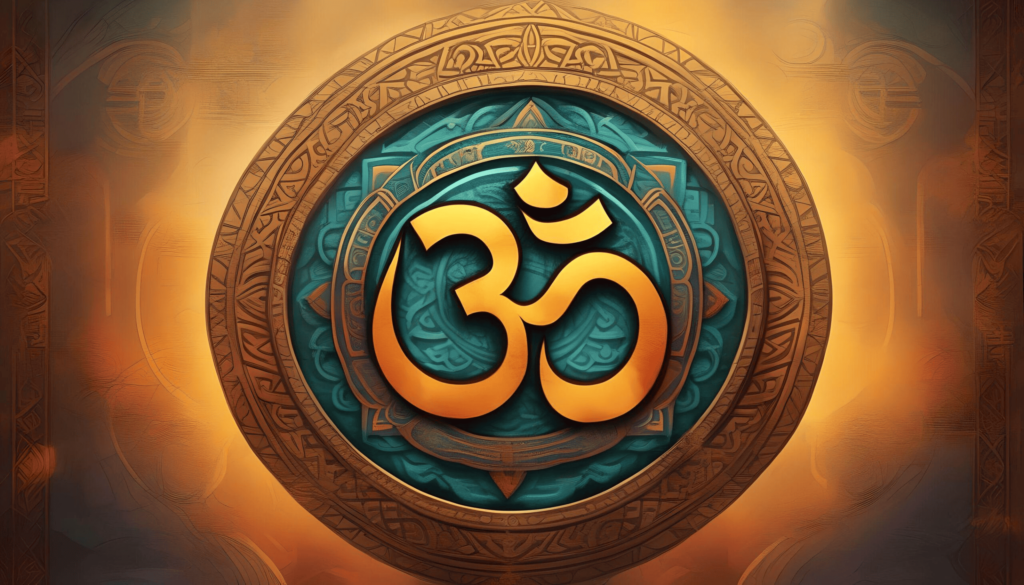
- Science and Modernity: Many practitioners and scholars see a profound resonance between concepts in Sanatan Dharma (the non-dual field of consciousness, the vibrational nature of reality expressed in Om, the cyclical nature of time) and discoveries in quantum physics, cosmology, and neuroscience. This dialogue offers a bridge between ancient wisdom and modern scientific inquiry.
- Fundamentalism vs. Pluralism: Like all major traditions, Sanatan Dharma faces internal tensions between pluralistic, universalist interpretations and more exclusive, politicized, and nationalist versions. The core strength of the tradition—its inherent plurality and accommodative nature—is also a site of contemporary contestation.
VIII. Conclusion: The Sanatan Contribution – An Eternal Quest
Sanatan Dharma offers humanity a unique and profound vision. It is a tradition that:
- Sanctifies the Entire Cosmos: It sees the divine in all of nature (prakriti), promoting (in its ideal form) an ethic of reverence for life and ecological balance.
- Validates Multiple Paths: It acknowledges that different temperaments require different spiritual disciplines, thus fostering tolerance and inclusivity.
- Integrates Life and Spirituality: It does not demand a rejection of the world but provides a framework for living in it righteously, with the ultimate goal of transcendence.
- Embraces Inquiry: Its philosophical systems demonstrate that faith and reason, devotion and critical analysis, can coexist and enrich one another.
Ultimately, Sanatan Dharma is not a fixed set of dogmas to be believed, but a perennial framework for inquiry—into the nature of the Self, the structure of reality, and the meaning of a good life. Its eternity lies not in static doctrine, but in its timeless, adaptable, and relentless pursuit of Truth (Satya), Consciousness (Chit), and Bliss (Ananda). As a researcher, one does not “study” Sanatan Dharma as a relic of the past; one engages with a living, breathing, and endlessly complex conversation that has been unfolding for over five millennia and continues to shape the consciousness of billions.
Glossary of Key Sanskrit Terms:
- Ahimsa: Non-violence.
- Atman: The true, eternal Self.
- Avatar: A “descent” or incarnation of the Divine on earth.
- Brahman: The ultimate, impersonal reality; the ground of all being.
- Guna: The three constituent qualities of nature: Sattva (purity, harmony), Rajas (activity, passion), Tamas (inertia, darkness).
- Maya: The creative, manifesting power of Brahman; often translated as “illusion” in Advaita, but more accurately as “relative reality.”
- Prana: The vital life force.
- Satsang: Association with truth or with wise beings.
- Seva: Selfless service.
- Vedas: The most ancient authoritative scriptures, consisting of the Samhitas, Brahmanas, Aranyakas, and Upanishads.
References & Suggested Readings for Further Research:
- Primary Sources (Translations): The Upanishads (Eknath Easwaran), The Bhagavad Gita (Easwaran/Sargeant), The Yoga Sutras of Patanjali.
- Flood, Gavin. An Introduction to Hinduism. Cambridge University Press.
- Klostermaier, Klaus K. A Survey of Hinduism. State University of New York Press.
- Radhakrishnan, S. Indian Philosophy (2 Vols.). Oxford University Press.
- Doniger, Wendy. The Hindus: An Alternative History. Penguin.
- Ramanuja. Vedartha Sangraha (Translation).
- Shankara. Crest-Jewel of Discrimination (Vivekachudamani).
- Eck, Diana L. India: A Sacred Geography. Harmony Books.
Top 100 name of Sanatan Dharma Researcher
Here are some of the top Sanatan Dharma (Hinduism) researchers, scholars, and spiritual thinkers, both historical and contemporary:
Courtesy: Hindu Janajagruti Samiti
Ancient & Classical Scholars:
- Vyasa – Author of the Mahabharata and compiler of the Vedas
- Valmiki – Author of the Ramayana
- Patanjali – Compiler of the Yoga Sutras
- Adi Shankaracharya – Philosopher and proponent of Advaita Vedanta
- Ramanujacharya – Proponent of Vishishtadvaita Vedanta
- Madhvacharya – Founder of Dvaita Vedanta
- Swami Vidyaranya – Philosopher and Advaita Vedanta scholar
- Bhaskaracharya – Mathematician and astronomer
- Aryabhata – Ancient Indian mathematician and astronomer
- Varahamihira – Ancient Indian astronomer and astrologer
Medieval Saints & Scholars:
- Tulsidas – Poet and author of Ramcharitmanas
- Surdas – Poet and devotee of Lord Krishna
- Kabir Das – Mystic poet and saint
- Mirabai – Saint and Krishna devotee
- Goswami Nimbarkacharya – Founder of Nimbarka Sampradaya
- Sri Chaitanya Mahaprabhu – Bhakti movement saint
- Basavanna – Founder of Lingayat tradition
- Dnyaneshwar – Marathi saint and philosopher
- Eknath – Bhakti saint from Maharashtra
- Samarth Ramdas – Guru of Shivaji Maharaj
Modern Sanatan Dharma Scholars & Researchers:
- Swami Vivekananda – Spiritual leader and Vedanta scholar
- Sri Aurobindo – Philosopher, yogi, and poet
- Rabindranath Tagore – Poet and spiritual thinker
- Annie Besant – Theosophist and Hinduism researcher
- Mahatma Gandhi – Hindu spiritual and political leader
- Dr. S. Radhakrishnan – Philosopher and former President of India
- Pandit Madan Mohan Malaviya – Hindu educationist
- Swami Sivananda – Founder of Divine Life Society
- Paramahansa Yogananda – Author of Autobiography of a Yogi
- Swami Chinmayananda – Founder of Chinmaya Mission
- Swami Dayananda Saraswati – Founder of Arya Samaj
- Ram Swarup – Hindu revivalist and philosopher
- Sita Ram Goel – Historian and writer on Hindu philosophy
- Koenraad Elst – Indologist and researcher on Hinduism
- David Frawley (Vamadeva Shastri) – American Hindu scholar
- Dr. K.S. Lal – Historian specializing in Indian history
- B.B. Lal – Archaeologist and Vedic researcher
- Subhash Kak – Scientist and researcher of Vedic studies
- Dr. N.S. Rajaram – Researcher on Vedic civilization
- Arvind Sharma – Hindu studies scholar
Courtesy: inspiring science
Spiritual Gurus & Thinkers:
- Sri Sri Ravi Shankar – Founder of Art of Living
- Sadhguru (Jaggi Vasudev) – Mystic and Isha Foundation founder
- Ramdev Baba – Yoga and Ayurveda proponent
- Shri Shri Chandrasekharendra Saraswati – Kanchi Shankaracharya
- Swami Karpatri Maharaj – Hindu traditionalist and scholar
- Swami Avdheshanand Giri – Hindu spiritual leader
- Swami Tejomayananda – Head of Chinmaya Mission
- Acharya Balkrishna – Ayurveda and Hindu philosophy researcher
- Nithyananda Paramashivam – Controversial spiritual leader
- Swami Prabhupada (A.C. Bhaktivedanta Swami) – Founder of ISKCON
Hindu Historians & Writers:
- R.C. Majumdar – Historian of ancient India
- Dinesh Agrawal – Vedic science researcher
- Rajiv Malhotra – Hindu intellectual and writer
- Michel Danino – Indologist and researcher
- Konraad Elst – Belgian Indologist and Vedic scholar
- Meenakshi Jain – Historian and scholar
- Dr. T.V. Kapali Sastry – Vedic and Upanishadic researcher
- Sanjeev Sanyal – Indian historian and economist
- P.N. Oak – Controversial historian on Vedic influence
- Dr. Devdutt Pattanaik – Author on Hindu mythology
Hindu Nationalist & Cultural Thinkers:
- V.D. Savarkar – Hindu nationalist and philosopher
- Deendayal Upadhyaya – Integral humanism theorist
- K.M. Munshi – Historian and politician
- Bal Gangadhar Tilak – Philosopher and nationalist
- Laxman Shastri Joshi – Sanskrit scholar
Contemporary Sanatan Dharma Scholars:
- Dr. Chandra Bhanu Satpathy – Spiritual leader
- Neeraj Atri – Researcher on Hindu history
- Dr. Rangan Ramakrishnan – Vedic studies researcher
- Shri Nilesh Nilkanth Oak – Historian on Vedic chronology
- Dr. K.K. Muhammed – Archaeologist on Hindu temples
- Shatavadhani Ganesh – Sanskrit scholar
- Dr. B.M. Hegde – Ayurveda and Hindu science researcher
- Rajeev Srinivasan – Hindu cultural analyst
- Bharat Gupt – Vedic arts and philosophy scholar
- Arun Shourie – Hindu historian and journalist
- Dr. Madhu Kishwar – Hindu feminist and thinker
- Prof. Shrikant Talageri – Vedic migration theory researcher
- Dr. Vishwa Adluri – Mahabharata and Hindu philosophy researcher
- Prof. Subramanian Swamy – Hindu economics and politics expert
- Dr. Shashibhushan Dasgupta – Tantra and Hinduism scholar
International Scholars on Sanatan Dharma:
- Stephen Knapp – American Indologist
- Edwin Bryant – Hinduism professor at Rutgers
- Nick Sutton – Oxford professor of Hindu studies
- Dr. Georg Feuerstein – Yoga and Hindu philosophy scholar
- Alain Daniélou – French Indologist
- John Stratton Hawley – Bhakti movement researcher
- Antonio de Nicolas – Vedic studies researcher
- Dr. Nicholas Kazanas – Sanskrit scholar
- Klaus Klostermaier – Indologist
- Mark Dyczkowski – Kashmiri Shaivism expert
Modern Hindu Saints & Gurus:
- Swami Bharati Krishna Tirtha – Vedic Mathematics scholar
- Swami Rama – Himalayan tradition teacher
- Swami Satyananda Saraswati – Bihar School of Yoga founder
- Swami Rama Tirtha – Vedanta teacher
- Swami Krishnananda – Vedanta and Yoga scholar
- Swami Venkatesananda – Ramayana and Yoga scholar
- Mata Amritanandamayi (Amma) – Spiritual leader
- Swami Mukundananda – ISKCON-affiliated guru
- Acharya Prashant – Advaita Vedanta teacher
- Sadguru Sivaya Subramuniyaswami – Founder of Hinduism Today

Table of Contents