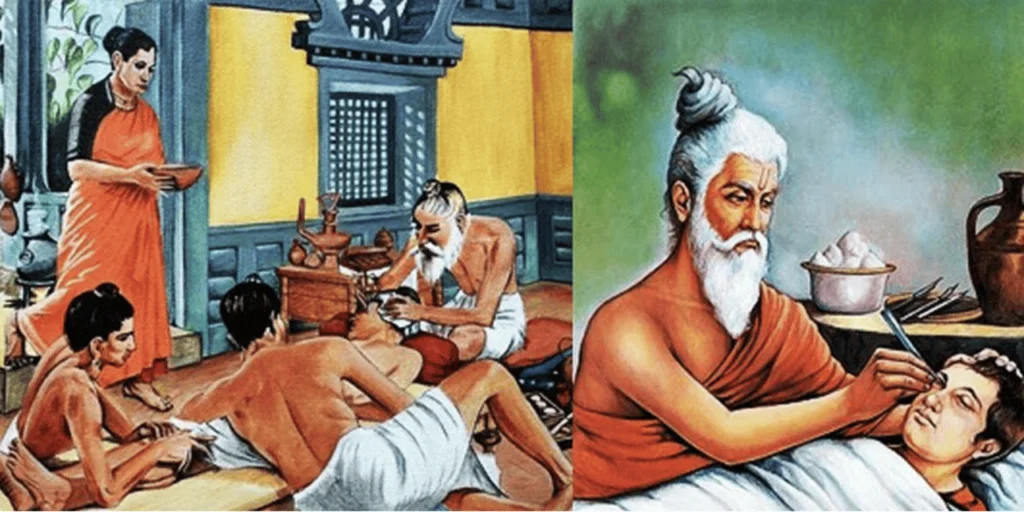
Sanatan Dharma Hospital
Introduction
Sanatan Dharma Hospital represents a visionary healthcare institution rooted in the eternal principles of Sanatan Dharma—the timeless spiritual and ethical framework of Indian civilization. The word Sanatan means eternal, and Dharma signifies righteous duty, universal law, and moral order. A Sanatan Dharma Hospital is not merely a medical facility; it is a sacred space dedicated to healing the body, mind, and soul through compassion, ethics, science, and spirituality.
In an age where healthcare is increasingly commercialized and mechanized, the concept of a Sanatan Dharma Hospital restores the sacred dimension of medicine. It integrates modern allopathic treatment, Ayurveda, Yoga, Naturopathy, Spiritual counseling, and preventive healthcare, ensuring holistic patient well-being. This model aligns with the ancient Indian philosophy that health (Swasthya) is a balanced state of physical, mental, emotional, and spiritual harmony.
This comprehensive article explores the philosophy, structure, services, values, governance, and social impact of a Sanatan Dharma Hospital.
Philosophical Foundation
1. Dharma in Healthcare
In Sanatan Dharma, service to humanity (Seva) is service to God (Narayana Seva). The ancient texts proclaim:
“Sarve Bhavantu Sukhinah, Sarve Santu Niramayah”
(May all be happy, may all be free from disease)
This universal prayer forms the foundation of a Sanatan Dharma Hospital. Healthcare is viewed as a sacred duty rather than a profit-driven enterprise. Doctors are regarded as modern manifestations of Dhanvantari, the divine physician.
2. Holistic Healing Concept
Sanatan Dharma recognizes five sheaths of human existence (Pancha Kosha):
- Annamaya Kosha (Physical body)
- Pranamaya Kosha (Energy body)
- Manomaya Kosha (Mind)
- Vijnanamaya Kosha (Intellect)
- Anandamaya Kosha (Bliss body)
A Sanatan Dharma Hospital addresses illness at all these levels, ensuring deep and lasting healing rather than temporary symptom relief.
3. Karma and Compassion
The philosophy encourages:
- Ethical medical practice
- Honest diagnosis and transparent treatment
- Affordable healthcare access
- Equal treatment irrespective of caste, religion, gender, or economic background
Vision and Mission
Vision
To establish a world-class healthcare institution that harmonizes modern medical science with Sanatan Dharma values to create a compassionate, ethical, and holistic healing environment.
Mission
- Provide affordable and quality healthcare services.
- Integrate Ayurveda, Yoga, and Allopathy.
- Promote preventive and lifestyle medicine.
- Offer spiritual and psychological counseling.
- Serve society with compassion and integrity.
Core Values
Core Values of Sanatan Dharma Hospital
A Foundation of Ethical, Spiritual, and Holistic Healthcare
The strength of any institution lies not merely in its infrastructure or financial resources but in the values that guide its actions. In the case of a Sanatan Dharma Hospital, core values are not decorative principles displayed on walls; they are living commitments practiced daily by doctors, nurses, administrators, and support staff. These values are deeply rooted in Sanatan Dharma, the eternal philosophy that upholds righteousness, harmony, and universal welfare.
Healthcare is not simply the treatment of disease—it is the sacred responsibility of preserving life. The following seven core values form the ethical and spiritual backbone of a Sanatan Dharma Hospital:
- Compassion (Karuna)
- Service (Seva)
- Integrity (Satya)
- Discipline (Niyam)
- Purity (Shuddhi)
- Non-violence (Ahimsa)
- Respect for Life (Jeeva Daya)
Each of these values shapes decision-making, patient care, hospital management, and community outreach. Together, they create a healing ecosystem that balances science, spirituality, and humanity.
1. Compassion (Karuna)
The Heart of Healing
Compassion is the foundation of true healthcare. In Sanatan Dharma, Karuna means more than sympathy—it is the active desire to alleviate the suffering of others. Compassion transforms medical treatment from a mechanical process into a deeply human experience.
When a patient enters a hospital, they often carry fear, uncertainty, and vulnerability. Compassion allows medical professionals to connect beyond diagnosis charts and laboratory reports. It ensures that patients are treated not as cases but as individuals with emotions, families, and hopes.
Compassion in Practice
In a Sanatan Dharma Hospital, compassion is expressed through:
- Gentle communication and active listening
- Respectful handling of elderly and critically ill patients
- Emotional support for families
- Extra care for economically weaker sections
- Providing clear explanations of treatment plans
Doctors trained in compassion understand that healing begins the moment a patient feels understood.
Spiritual Foundation
Ancient scriptures emphasize compassion as a divine quality. Lord Buddha’s teachings highlight Karuna as the pathway to liberation. The Bhagavad Gita describes the noble person as one who is compassionate toward all beings.
A compassionate hospital culture reduces stress, improves recovery rates, and builds long-term trust with the community.
2. Service (Seva)
Service as Sacred Duty
In Sanatan Dharma, Seva means selfless service performed without expectation of reward. Healthcare, when rooted in Seva, becomes a sacred offering to humanity.
A Sanatan Dharma Hospital operates on the belief that serving the sick is serving the Divine. This principle transforms routine medical tasks into acts of devotion.
Seva in Healthcare Delivery
Seva is reflected in:
- Affordable treatment models
- Free medical camps in rural areas
- Charity surgeries for underprivileged patients
- Blood donation drives
- Disaster relief medical services
Healthcare professionals who practice Seva place patient welfare above personal gain. While financial sustainability is necessary, profit never becomes the primary motive.
Community Impact
Seva extends beyond hospital walls. Outreach programs, preventive health education, and awareness campaigns demonstrate that true healthcare is proactive, not reactive.
When service becomes culture, the hospital becomes a pillar of social transformation.
3. Integrity (Satya)
Truth as the Highest Virtue
Satya means truthfulness and integrity in thought, word, and action. In the medical field, integrity is non-negotiable.
Patients trust doctors with their lives. This sacred trust must never be compromised by dishonesty, hidden charges, unnecessary procedures, or misleading information.
Integrity in Clinical Practice
Integrity ensures:
- Accurate diagnosis
- Ethical prescription practices
- Transparent billing systems
- Honest communication about risks
- Informed consent before procedures
In a Sanatan Dharma Hospital, every medical decision is guided by ethical clarity rather than commercial incentives.
Administrative Integrity
Integrity also applies to:
- Financial transparency
- Fair staff recruitment
- Compliance with regulatory standards
- Ethical procurement processes
An institution rooted in Satya earns lasting credibility and public respect.
4. Discipline (Niyam)
Order as a Path to Excellence
Niyam refers to discipline, self-regulation, and adherence to principles. In healthcare, discipline is critical to ensuring patient safety and operational efficiency.
Without discipline, even the most advanced medical facility can become chaotic.
Clinical Discipline
This includes:
- Strict adherence to treatment protocols
- Timely medication administration
- Sterilization and hygiene compliance
- Accurate documentation
- Emergency response preparedness
Discipline ensures consistency and minimizes errors.
Personal Discipline
Medical professionals must also cultivate personal discipline:
- Continuous learning
- Emotional control
- Professional behavior
- Time management
- Respect for hierarchy and teamwork
In yogic philosophy, Niyam forms part of the ethical framework for self-development. Similarly, disciplined healthcare professionals embody reliability and trustworthiness.
5. Purity (Shuddhi)
Cleanliness of Body and Mind
Shuddhi means purity—both physical and mental. In a hospital environment, purity directly impacts patient outcomes.
Physical Purity
This includes:
- Sterile operation theaters
- Infection control protocols
- Clean wards and waiting areas
- Proper biomedical waste management
- Hygienic food preparation
A pure environment prevents infections and promotes faster recovery.
Mental and Ethical Purity
Purity also refers to:
- Pure intentions
- Absence of corruption
- Non-exploitative practices
- Clear conscience in decision-making
When healthcare providers act with pure motives, patients feel safe and respected.
Spiritual Dimension
Sanatan Dharma teaches that purity of mind enhances clarity and compassion. Meditation and prayer practices among staff can help cultivate inner purity, reducing stress and burnout.
6. Non-violence (Ahimsa)
The Principle of Do No Harm
Ahimsa is one of the highest values in Sanatan Dharma. It means non-violence in thought, speech, and action.
In medicine, Ahimsa aligns closely with the ethical principle: “First, do no harm.”
Ahimsa in Medical Care
This value promotes:
- Avoiding unnecessary surgeries
- Rational use of medication
- Pain management and comfort care
- Respectful communication
- Avoidance of verbal aggression
Non-violence extends beyond physical harm to include emotional and psychological well-being.
Ethical Decision-Making
In complex medical cases, Ahimsa guides doctors to choose the least harmful intervention while maximizing benefit.
A hospital rooted in non-violence creates an atmosphere of safety and trust.
7. Respect for Life (Jeeva Daya)
Universal Compassion for All Beings
Jeeva Daya means kindness and respect toward all living beings. This value expands the hospital’s ethical scope beyond human patients.
Respect in Patient Care
- Equal treatment for all individuals
- Non-discrimination based on religion, caste, gender, or economic status
- Dignified end-of-life care
- Respect for patient autonomy
Every life is considered sacred and worthy of protection.
Environmental Responsibility
Respect for life includes ecological awareness:
- Sustainable resource use
- Herbal gardens and green spaces
- Reduced environmental pollution
- Ethical disposal of waste
A hospital practicing Jeeva Daya becomes environmentally responsible and socially conscious.
Integration of Core Values in Daily Operations
Values are meaningful only when implemented. In a Sanatan Dharma Hospital, these principles guide:
- Recruitment policies
- Staff training programs
- Patient interaction protocols
- Community outreach
- Financial decisions
Regular workshops on ethics, meditation sessions, and value-based leadership training ensure these principles remain alive.
Impact on Patients
When these seven values operate together, patients experience:
- Emotional reassurance
- Ethical transparency
- Holistic healing
- Reduced stress
- Enhanced trust
Healing becomes faster because patients feel supported physically and spiritually.
Impact on Healthcare Professionals
Medical professionals working in a value-driven environment experience:
- Greater job satisfaction
- Reduced burnout
- Stronger sense of purpose
- Ethical clarity
- Professional pride
Such an environment attracts dedicated and compassionate talent.
Impact on Society
A hospital guided by Compassion, Service, Integrity, Discipline, Purity, Non-violence, and Respect for Life becomes:
- A community pillar
- A model for ethical healthcare
- A center for preventive medicine
- A bridge between tradition and modern science
It promotes harmony and well-being beyond medical treatment.
Leadership and Value Implementation
Leadership plays a crucial role in embedding these values.
Hospital leaders must:
- Lead by example
- Practice transparent governance
- Encourage open communication
- Reward ethical behavior
- Address misconduct promptly
When leadership embodies these values, organizational culture becomes naturally aligned.
Measuring Value-Based Performance
To ensure accountability, a Sanatan Dharma Hospital may adopt:
- Patient satisfaction surveys
- Ethical audits
- Infection control audits
- Financial transparency reports
- Community service metrics
Values must be measurable to remain effective.
Challenges in Upholding Core Values
While noble, maintaining these values can be challenging due to:
- Financial pressures
- High patient loads
- Staff fatigue
- Competitive healthcare markets
However, long-term success depends on staying aligned with foundational principles.
A Holistic Healthcare Model
These seven core values are interconnected:
- Compassion inspires Service.
- Integrity strengthens Trust.
- Discipline ensures Quality.
- Purity safeguards Health.
- Non-violence protects Life.
- Respect for Life unifies all beings.
Together, they create a holistic healthcare system that honors science while embracing spirituality.
Conclusion
The core values of Compassion (Karuna), Service (Seva), Integrity (Satya), Discipline (Niyam), Purity (Shuddhi), Non-violence (Ahimsa), and Respect for Life (Jeeva Daya) form the moral and spiritual architecture of a Sanatan Dharma Hospital.
These values elevate healthcare from a commercial enterprise to a sacred mission. They ensure that treatment is not only technically effective but ethically pure and spiritually uplifting.
In a world facing rising stress, lifestyle diseases, and moral challenges, a value-driven healthcare institution becomes a beacon of hope and healing.
By embracing these timeless principles, a Sanatan Dharma Hospital fulfills the eternal prayer:
“Sarve Santu Niramayah” – May all be free from disease.
These values guide every aspect of hospital administration and patient care.
Infrastructure and Facilities
1. Multi-Specialty Medical Services
A Sanatan Dharma Hospital provides advanced departments including:
- General Medicine
- General Surgery
- Orthopedics
- Cardiology
- Neurology
- Pediatrics
- Obstetrics & Gynecology
- Oncology
- Emergency & Trauma Care
- Intensive Care Unit (ICU)
- Radiology & Diagnostic Imaging
- Pathology Laboratory
Modern diagnostic equipment such as MRI, CT scan, ultrasound, digital X-ray, and automated lab analyzers are integrated to ensure accurate diagnosis.
2. Ayurveda Department
The Ayurveda wing offers:
- Panchakarma therapy
- Herbal medicine treatment
- Detoxification programs
- Chronic disease management
- Diet and lifestyle counseling
- Rasayana therapy (rejuvenation)
Ayurveda addresses root causes of disease by balancing Vata, Pitta, and Kapha.
3. Yoga and Naturopathy Center
The hospital integrates:
- Therapeutic Yoga sessions
- Pranayama therapy
- Meditation programs
- Stress management workshops
- Naturopathy detox programs
- Hydrotherapy
- Mud therapy
- Sun therapy
Yoga therapy is prescribed for conditions like hypertension, diabetes, obesity, anxiety, and chronic pain.
4. Spiritual and Counseling Services
Recognizing emotional and spiritual distress as contributors to disease, the hospital offers:
- Spiritual counseling
- Grief management
- End-of-life spiritual care
- Meditation halls
- Vedic chanting sessions
- Bhagavad Gita discussion groups
Patients are encouraged to cultivate inner peace and positivity.
Specialized Wings
1. Women and Child Care Center
- Maternity services
- Safe childbirth practices
- Garbha Sanskar programs
- Pediatric wellness clinics
- Nutritional counseling for mothers
2. Geriatric Care Unit
- Elderly health management
- Joint and mobility support
- Memory care programs
- Spiritual engagement activities
3. Cancer Care and Palliative Support
- Chemotherapy
- Radiation therapy
- Pain management
- Emotional and spiritual support
4. Preventive Health and Lifestyle Clinic
- Annual health check-ups
- Lifestyle disease management
- Diet and nutrition planning
- Corporate wellness programs
Ethical Medical Practice
Transparent Pricing
A Sanatan Dharma Hospital ensures:
- Clear billing policies
- No hidden charges
- Subsidized treatment for economically weaker sections
Charitable Services
- Free medical camps
- Rural outreach programs
- Free surgeries for underprivileged patients
- Blood donation drives
Environment and Architecture
The hospital architecture reflects spiritual serenity:
- Vastu-compliant structure
- Natural lighting
- Herbal gardens
- Meditation spaces
- Clean and peaceful atmosphere
Sacred symbols, such as the Om symbol and Dhanvantari idol, may be respectfully installed to inspire healing and hope.
Governance and Management
Trust-Based Administration
Sanatan Dharma Hospital often operates under a charitable trust model ensuring:
- Accountability
- Transparency
- Community participation
Advisory Board
Includes:
- Medical experts
- Ayurvedic scholars
- Spiritual leaders
- Legal and financial advisors
Integration of Technology
Despite its spiritual foundation, the hospital embraces modern technology:
- Electronic Medical Records (EMR)
- Telemedicine services
- AI-based diagnostics
- Online appointment systems
- Digital patient monitoring
This balance ensures efficiency without compromising compassion.
Education and Research
A Sanatan Dharma Hospital can also function as:
- A medical training institute
- An Ayurveda research center
- A Yoga therapy certification center
- A nursing college
Research areas include:
- Integrative medicine
- Herbal drug validation
- Lifestyle disease reversal
- Meditation impact studies
Community Outreach Programs
Rural Health Camps
- Free check-ups
- Vaccination drives
- Health awareness seminars
School Health Programs
- Hygiene education
- Nutrition awareness
- Yoga training for students
Women Empowerment Programs
- Maternal health education
- Anemia prevention
- Self-care workshops
Social Impact
A Sanatan Dharma Hospital:
- Reduces healthcare inequality
- Promotes preventive medicine
- Revives traditional Indian healing systems
- Encourages moral medical practice
- Strengthens community well-being
Difference from Conventional Hospitals
| Conventional Hospital | Sanatan Dharma Hospital |
|---|---|
| Profit-driven | Service-driven |
| Symptom-focused | Root-cause focused |
| Isolated medical approach | Integrative approach |
| Mechanical environment | Spiritual & peaceful atmosphere |
| Limited preventive focus | Strong preventive care |
Role of Doctors and Staff
Doctors and staff are trained not only in medical expertise but also in:
- Ethical conduct
- Patient empathy
- Cultural sensitivity
- Stress management
- Spiritual awareness
Daily prayers or meditation sessions may be conducted to maintain positive energy.
Financial Model
Revenue Sources
- Consultation fees
- Insurance reimbursements
- Donations
- Government grants
- Corporate social responsibility (CSR) funds
Charity Wing
A fixed percentage of hospital income is dedicated to:
- Free treatment
- Rural service
- Emergency relief
Challenges and Solutions
Challenges
- Balancing spirituality with scientific evidence.
- Financial sustainability.
- Regulatory compliance.
- Public misconceptions.
Solutions
- Strict adherence to medical standards.
- Transparent governance.
- Public education campaigns.
- Continuous research validation.
Future Scope
Sanatan Dharma Hospitals can expand into:
- International integrative healthcare centers
- Tele-health networks
- Mobile medical units
- Medical tourism hubs
- Wellness retreat centers
India can emerge as a global leader in integrative healthcare by adopting this model.
Case Study Example (Hypothetical)
A 55-year-old diabetic patient with hypertension approaches the hospital.
Treatment approach includes:
- Allopathic medication stabilization
- Ayurvedic diet modification
- Daily yoga therapy
- Stress management meditation
- Spiritual counseling
Result:
- Reduced medication dosage
- Improved blood sugar control
- Better mental health
- Enhanced quality of life
Legal and Accreditation Framework
A Sanatan Dharma Hospital must comply with:
- National medical council regulations
- NABH accreditation standards
- Biomedical waste management laws
- Patient rights charters
Quality certifications enhance credibility and patient trust.
Importance in Modern Society
In today’s world:
- Stress levels are rising.
- Lifestyle diseases are increasing.
- Mental health disorders are widespread.
- Healthcare costs are escalating.
Sanatan Dharma Hospital provides:
- Affordable solutions
- Preventive lifestyle education
- Emotional healing
- Ethical medical service
Conclusion
Sanatan Dharma Hospital is more than a medical institution; it is a movement toward restoring dignity, compassion, and spirituality in healthcare. By harmonizing ancient Indian wisdom with modern scientific advancements, it creates a truly holistic healing ecosystem.
It reflects the eternal prayer:
“Lokah Samastah Sukhino Bhavantu”
(May all beings everywhere be happy and free)
Through service, ethics, and holistic care, Sanatan Dharma Hospital becomes a beacon of hope, health, and harmony for humanity.
Top 100 name of Sanatan Dharma Hospital
Here is a list of 100 Sanatan Dharma-inspired hospital names, drawing from Vedic, Ayurvedic, and spiritual traditions:
Courtesy: hindu facts
1-25: Hospitals Named After Deities & Epics
- Shri Ram Chikitsalaya
- Krishna Arogya Dham
- Shiva Shakti Hospital
- Hanuman Health Care
- Durga Devi Medical Center
- Lakshmi Narayan Hospital
- Vishnu Arogya Bhavan
- Sita Ram Healing Center
- Parashuram Ayurvedic Hospital
- Kartikeya Multi-Specialty Hospital
- Dhanvantari Wellness Center
- Narasimha Holistic Hospital
- Adi Shankara Health Care
- Bhishma Pitamah Trauma Center
- Dronacharya Medical Institute
- Ganga-Saraswati Hospital
- Chaitanya Mahaprabhu Ayurvedic Hospital
- Rishi Valmiki Healing Center
- Ved Vyas Super Specialty Hospital
- Swami Vivekananda Wellness Hospital
- Skanda Jyoti Healthcare
- Bhakta Prahlad Multi-Specialty Hospital
- Yudhishthira Dharma Hospital
- Vibhishana General Hospital
- Markandeya Life Care
26-50: Hospitals Based on Vedic & Sanskrit Themes
- Vedic Arogya Kendra
- Sanatan Wellness Hospital
- Upanishad Healing Center
- Ayurveda Sanjivani Hospital
- Rigveda Health Institute
- Yajurveda Holistic Hospital
- Sama Veda Chikitsalaya
- Atharva Veda Health Care
- Brihadaranyaka Hospital
- Chandogya Ayurvedic Center
- Vedanta Healing Center
- Maharishi Charaka Hospital
- Sushruta Surgical Center
- Acharya Vagbhata Ayurvedic Hospital
- Mahabharata Multi-Specialty Hospital
- Ramayan Arogya Bhavan
- Kashyap Muni Chikitsalaya
- Agastya Rishi Wellness Hospital
- Atri Rishi Healing Center
- Vasishtha Life Care Hospital
- Patanjali Wellness Center
- Panini Eye & ENT Hospital
- Samudra Manthan Hospital
- Ayurveda Amritam Hospital
- Bhavishya Purana Medical Center
Courtesy: Swami Style bhakti
51-75: Hospitals Named After Sacred Places
- Kashi Vishwanath Medical Center
- Prayagraj Healing Hospital
- Ayodhya Ram Health Institute
- Mathura-Vrindavan Wellness Hospital
- Haridwar Ganga Arogya Bhavan
- Kurukshetra Super Specialty Hospital
- Ujjain Mahakaal Trauma Center
- Rameshwaram Ayurvedic Research Hospital
- Kedarnath Cardiac Care
- Badrinath Himalayan Hospital
- Puri Jagannath Healthcare Center
- Kanchipuram Holistic Hospital
- Nashik Panchavati Medical Institute
- Somanath Jyotirlinga Wellness Hospital
- Trimbakeshwar Cancer Hospital
- Kamakhya Women’s Care Hospital
- Omkareshwar Super Specialty Hospital
- Saptarishi Multi-Specialty Hospital
- Amarnath Himalayan Health Care
- Shirdi Sai Healing Hospital
- Tirupati Balaji General Hospital
- Madurai Meenakshi Women’s Hospital
- Pushkar Ayurveda & Wellness Center
- Dwarka Krishna Arogya Bhavan
- Vaishno Devi Healing Hospital
76-100: Hospitals Focused on Dharma, Culture, and Wellness
- Sanatan Dharma Healthcare
- Bharat Arogya Dham
- Dharma Jyoti Medical Institute
- Gurukul Wellness Hospital
- Satyam Shivam Sundaram Hospital
- Hindu Heritage Healthcare
- Vasudhaiva Kutumbakam Hospital
- Gayatri Wellness Center
- Sudarshan Chakra Super Specialty Hospital
- Panchatantra Children’s Hospital
- Shravan Kumar Elderly Care Hospital
- Moksha Multi-Specialty Hospital
- Satya Yuga Cancer Institute
- Dwapara Yuga Arogya Bhavan
- Treta Yuga Healing Center
- Kaliyuga Dharma Wellness Hospital
- Ayurveda Siddhanta Hospital
- Jnana Jyoti Medical Center
- Chaturveda Health & Research Institute
- Aum Shakti Healing Hospital
- Rudraksha Ayurvedic Hospital
- Sri Yantra Specialty Hospital
- Parampara Traditional Healing Center
- Panchakarma Wellness Hospital
- Amrita Sanjivani Healing Hospital
These names reflect spiritual wisdom, holistic healing, and ancient medical traditions.

Table of Contents





