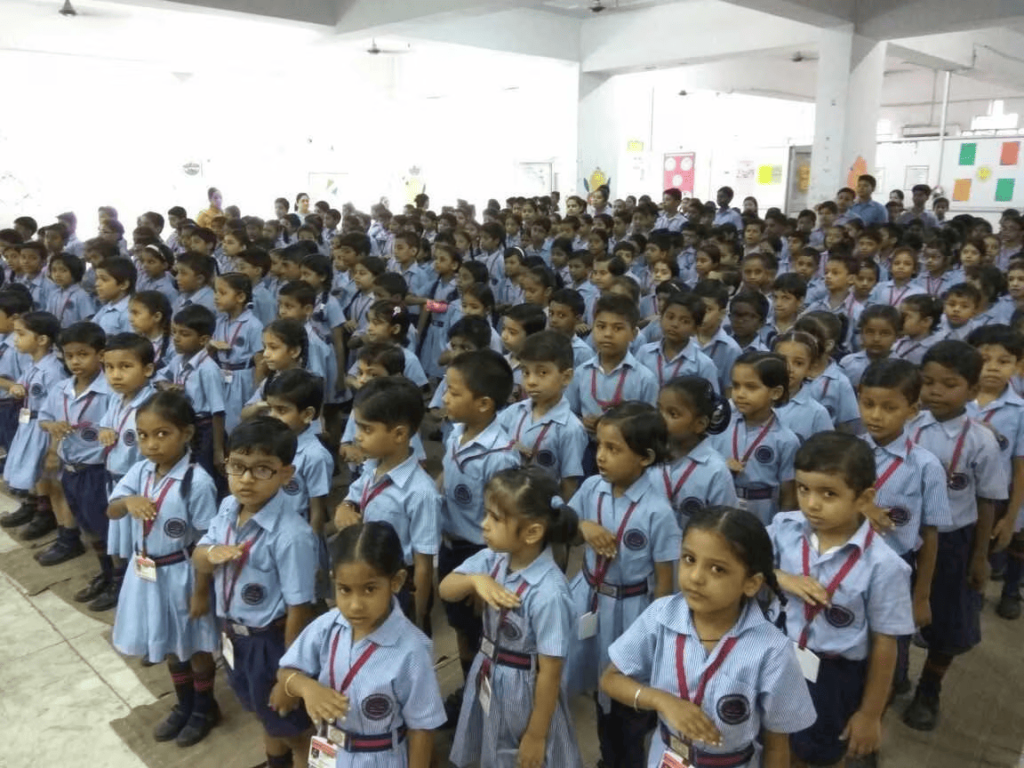
Sanatan Dharam Sanskrit School
Comprehensive Analysis of Sanatan Dharam Sanskrit Institutions: Legacy, Infrastructure, and Modern Integration
1. Executive Summary
The search results reveal that “Sanatan Dharam Sanskrit School” is not a monolithic entity but rather a collection of independently managed educational institutions, primarily concentrated in the Hindi heartland of India (Uttar Pradesh, Uttarakhand, and Haryana). These institutions share a common philosophical heritage rooted in Sanatan Dharam but operate independently with varying levels of infrastructure, academic focus, and modernity.
This analysis covers five distinct institutions:
- Sri Sanatan Dharm Sanskrit Vidyale School, Amroha (UP) – Established 1920 .
- SRI SANATAN DHARM SANSKRIT M.V., Etah (UP) – Established 1907 .
- Kedarnath Sanatan Dharma Sanskrit Vidyalaya Vidhyapeeth, Rudraprayag (Uttarakhand) – Established 1924 .
- Shri Sanatan Dharma Sr Sec School, Jagadhari (Haryana) – Performance data from 2025 .
- Sanatan Dharm Inter College, Varanasi (UP) – Notable as a Sangeet Natak Akademi Interpretation Centre .
Additionally, this report examines the distinction between secondary schools and higher education institutions (Sanatan Dharam Sanskrit Mahavidyalya, Sirsa) , as well as a new-age model of Sanatan Dharma education (Sri Kanchi Kamakoti Sankara Vidyalaya, Andhra Pradesh) to provide a contrast in educational philosophy .
2. Historical Genesis and Founding Era
2.1. The Pre-Independence Pioneers (1907-1924)
The oldest institution identified in the results is the SRI SANATAN DHARM SANSKRIT M.V. in Etah, founded in 1907 . This places its origin firmly in the early 20th century, a period often described as the “Indian Renaissance.” This era saw the establishment of numerous cultural and educational organizations aimed at preserving Indian identity under British colonial rule. The founding of a Sanskrit school in Etah during this time represents a conscious effort to protect the linguistic and liturgical roots of Hindu culture.
Following closely is the Sri Sanatan Dharm Sanskrit Vidyale School in Amroha, established in 1920 . Operating as a “Private Aided” school (indicating it later received government assistance), this institution began its journey during the Non-Cooperation Movement era, a time when Indian society was actively seeking to build parallel systems of national education.
The Kedarnath Sanatan Dharma Sanskrit Vidyalaya Vidhyapeeth in the pilgrimage town of Guptkashi, Rudraprayag, was established in 1924 . Its location is highly strategic. Situated near the Kedarnath route, this school catered to the children of priestly families (pandits) and local communities serving the Char Dham pilgrimage circuit. Unlike the urban schools of Amroha and Etah, this institution represents the rural, temple-town model of Sanskrit education.
2.2. The Post-Independence Expansion
The search results regarding the genesis of SD Public School (which evolved from a “Sanskrit Vidyalaya”) note that the post-1952 period saw the Sanatan Dharam Shabha actively working for the upliftment of the underprivileged, particularly the girl child . While this specific profile pertains to a different evolution (Patel Nagar), it reflects the broader shift of Sanatan Dharam schools post-1947: moving from purely religious instruction to social service and modern secondary education.
The Sanatan Dharam Sanskrit Mahavidyalya in Sirsa (2002) represents the most recent wave of institutional foundation . Established in the 21st century, this is not a school but a higher education college affiliated with Chaudhary Devi Lal University, offering Shastri (B.A. in Sanskrit Sahitya) degrees. This indicates the evolution of the Sanatan Dharam education society from primary pathshalas to university-level Sanskrit instruction.
3. Geographic Distribution and Demographic Targeting
3.1. Concentration in the Ganga-Yamuna Doab
The data indicates a heavy concentration of “Sanatan Dharm Sanskrit” schools in Western Uttar Pradesh (Amroha, Etah) and the Terai region. These are districts with significant urban populations and historically strong support for traditionalist education movements .
3.2. The Himalayan Temple-Economy Model
The Uttarakhand institution (Guptkashi) highlights a distinct demographic model. Located in a rural setting, this school serves a different purpose than its urban counterparts . Urban schools prepare students for state board exams and modern careers; the Kedarnath school, while also offering State Board curriculum up to Class 12, exists within an ecosystem of temples and pilgrimage. The demographic here is likely to include children aspiring to become temple priests, Sanskrit scholars, or local government servants.
3.3. The Varanasi Cultural Corridor
The Sanatan Dharm Inter College in Varanasi holds a unique status . Adopted by the Sangeet Natak Akademi (Ministry of Culture) , this school has been designated an Interpretation Centre with the theme of Ustad Bismillah Khan (Shehnai maestro). This is a significant departure from the “Sanskrit-only” image. It demonstrates that the Sanatan Dharam trust in Varanasi has successfully integrated Hindustani classical music and cross-community cultural heritage into its identity. This is the only instance in the results where a Sanatan Dharam school is explicitly linked to a Muslim cultural icon, showcasing the syncretic potential of these institutions.
4. Academic Framework and Pedagogical Approaches
4.1. Medium of Instruction: The Sanskrit vs. Hindi Dichotomy
A critical analysis of the results reveals a split identity regarding language policy:
- Traditional Sanskrit Schools: The Etah school explicitly lists Sanskrit as the medium of instruction for classes 6 through 12 . The Kedarnath school also lists Sanskrit as the primary language . This is academically rigorous. Students are not just learning Sanskrit as a subject; they are learning Mathematics, Social Science, and Science through the Sanskrit language.
- Hybrid Models: In contrast, the Amroha school lists Hindi as the medium . Similarly, the Jagadhari Senior Secondary school (despite “Dharma” in the name) operates as a standard Haryana Board school with commerce and humanities streams, evidenced by their 127 commerce students .
This suggests that pure Sanskrit-medium instruction is increasingly confined to specific institutions (Etah, Guptkashi), while others have pragmatically shifted to vernacular languages to remain competitive.
4.2. The Modern Vs. Traditional Infrastructure Gap
The Ground Reality:
- Sri Sanatan Dharm Sanskrit Vidyale (Amroha) reports having No Electricity, No Computer Aided Learning, and No Library (0 books recorded, though the data notes “1” as approximate which may be an error or symbolic) .
- SRI SANATAN DHARM SANSKRIT M.V. (Etah) reports a functional library (826 books), a playground, and hand-pump drinking water, but no mention of computers .
- Kedarnath Sanatan Dharma (Guptkashi) reports 0 Classrooms (data anomaly likely meaning data not updated), No Electricity, No Computers, but does have a Library (1676 books) and ramps for disabled children .
Analysis: The traditional Sanskrit schools (pre-1950 establishments) suffer from severe infrastructure deficits. They lack the basic tools of 21st-century education: electricity, CAL, and adequate classrooms. This is in stark contrast to the Sri Kanchi Kamakoti Sankara Vidyalaya model in Andhra Pradesh, which, although not a historical “Sanatan Dharam” trust school, operates under a similar philosophical umbrella. The Podili school boasts smartboards, digital libraries, robotics labs, and skill development centres .
This indicates a crisis of funding and modernization within the older “Sanatan Dharam Sanskrit” trusts of UP/Uttarakhand, many of which remain “Private Unaided” or “Aided” but lack the capital expenditure budgets of the new-age Kanchi Peetham initiative.
4.3. Examination Boards and Academic Streams
- State Board Dominance: The Uttarakhand and UP schools primarily affiliate with their respective State Boards for Class 10 and 12 .
- Commerce Integration: The Jagadhari school (Haryana) has a robust Commerce stream, with 127 students appearing for exams . This diversification is crucial for survival. Sanskrit schools are no longer just producing Vedic scholars; they are producing accountants and businessmen.
- Higher Education: The Sirsa Mahavidyalya offers a 3-year Shastri (B.A.) course with 100 seats, accepting CBSE/HBSE 12th graduates . This creates a feeder pipeline, presumably for students graduating from the Sanskrit-medium high schools.
5. Quantitative Data Analysis and Demographics
5.1. Student Performance Metrics (Jagadhari – 2025)
The most statistically significant data comes from the Shri Sanatan Dharma Sr Sec School, Jagadhari .
- Total Students (Class XII) : 339
- Merit Students (>75%) : 161 (47.5% of batch)
- First Division (>60%) : 311 (91.7% of batch)
- Commerce Stream Students: 127
- Top Commerce Score: 96.4% (Kirti)
Interpretation: This level of performance (47.5% scoring above 75%) places this school in the “high-performing” category for Haryana State Board. It disproves the notion that “Dharma” or “Sanskrit” schools are academically weak. This institution is delivering strong competitive results.
5.2. Teacher Demographics and Gender Ratio
- Amroha: 2 Male, 3 Female Teachers .
- Etah: 4 Male, 0 Female Teachers .
- Guptkashi: 7 Male, 4 Female Teachers .
- Sirsa (College) : 5 Male, 2 Female Teachers .
Observation: The gender ratio varies significantly by region and urban/rural status. The Etah school, with zero female teachers, presents a traditionalist staffing model. In contrast, Amroha and Guptkashi have a healthy mix. The absence of female teachers in Etah may impact the enrollment of girl students at the higher secondary level.
5.3. Student Enrollment Capacity
- Sirsa College (Higher Ed) : 100 seats (Shastri course) .
- Guptkashi School: 11 Teachers (student count not provided, but teacher count suggests a small to mid-size school) .
- Podili School: 44 students (Grades 6 & 7 – New establishment) .
6. Infrastructure, Facilities, and the Digital Divide
6.1. The Library as a Cultural Fortress
Despite lacking electricity and computers, the libraries in these schools remain robust:
In the absence of digital infrastructure, the physical library remains the heart of these Sanskrit institutions. The collection likely consists of religious scriptures, Vedic texts, Hindi literature, and State Board textbooks.
6.2. Sanitation and Accessibility
- Boys/Girls Toilets: Functional in Etah and Guptkashi .
- Disabled Access: Guptkashi reports Ramps for Disabled Children. This is a notable positive finding, indicating compliance with the Rights of Persons with Disabilities Act, even in a rural school with broken boundary walls .
- Drinking Water: Tube-well (Amroha), Hand Pump (Etah), Tap Water (Guptkashi) .
6.3. The Electricity Crisis
Amroha and Guptkashi explicitly state NO electricity connection . In 2026, a school without electricity faces severe limitations:
- No computer education.
- No smart classes.
- Limited library hours (daylight only).
- Inability to conduct night study or winter morning classes effectively.
- No fans in extreme North Indian summers.
This is the single greatest barrier preventing these institutions from competing with private English-medium schools.
7. Specialized Initiatives and Unique Programs
7.1. Varanasi: The Cultural Interpretation Centre
The most prestigious affiliation among the listed institutions belongs to Sanatan Dharm Inter College, Varanasi . As a Sangeet Natak Akademi Interpretation Centre, it receives:
- Ustad Bismillah Khan Scholarships (₹500/month for students).
- Permanent Photo Gallery dedicated to the Shehnai maestro.
- Workshops on instrument making.
- Heritage Walks and visits to historical places.
- Film screenings on performing arts.
This transforms the school from a mere examination centre into a custodian of Intangible Cultural Heritage. No other school in the search results has this level of cultural integration.
7.2. The Podili Model: Vedic + Robotics
The Sri Kanchi Kamakoti Sankara Vidyalaya offers a blueprint for the future of Sanatana Dharma education :
- English Medium (critical for parental preference).
- Spoken Sanskrit (practical usage, not just scholarly).
- Bhagavad Gita classes for all students.
- Robotics & Maths Labs.
- Cow Goshala (300 cattle) – integrating environment and reverence for animals.
- Skill Development (Vocal/Instrumental Music, Arts).
This is a 31-acre campus. It represents a significant capital investment that the 1907-1924 batch of schools in UP simply do not have access to.
8. Challenges and Critical Observations
8.1. Data Reliability and Reporting
There are anomalies in the data. The Amroha school lists “1” book in the library, which is likely a data entry error rather than reality . The Guptkashi school lists “0” classrooms, which is impossible for a school running classes 9-12 . This indicates that the UDISE+ (Unified District Information System for Education) data for these schools is either outdated or improperly maintained. Potential students and researchers are advised to verify details directly.
8.2. Brand Confusion
For a parent searching for “Sanatan Dharam Sanskrit School,” there is significant brand confusion. Is this the 1907 school in Etah? The 1920 school in Amroha? The 1924 school in Guptkashi? Or the 2002 college in Sirsa? The results prove there is no centralized trust. Each institution is locally managed. The “Sanatan Dharam” name is generic and used by multiple independent societies .
8.3. The Modernity vs. Tradition Tension
The schools face an existential dilemma:
- If they abandon Sanskrit medium, they lose their unique identity (USP).
- If they retain Sanskrit medium without electricity/computers, they fail to prepare students for competitive exams (NEET/JEE) which are conducted in English/Hindi.
The Podili model attempts to resolve this by offering English medium with Sanskrit as a spoken/value subject. The Jagadhari model resolves it by becoming a standard commerce/Humanities Sr Sec school with a “Dharma” nameplate. The Etah/Guptkashi model retains Sanskrit purity but risks obsolescence.
9. Future Outlook and Recommendations
9.1. Viability of the Sanskrit Medium
The demand for pure Sanskrit medium is niche but durable. There will always be families (tradition-bound priests, RSS-affiliated households, Sanskrit University aspirants) seeking this education. However, this niche is not growing. For these schools to survive another century, they must:
- Electrify and Digitize: Even the holiest text today is available as a PDF. Without electricity, the Guptkashi and Amroha schools cannot access the Digital Bharat Nidhi or SWAYAM Prabha educational channels.
- Teacher Training: The Etah school has only 4 teachers for grades 6-12 . This is an unsustainable student-teacher ratio. Sanatan Dharam trusts must prioritize salary upgrades to attract young post-graduates.
- Leverage the Varanasi Model: The Ustad Bismillah Khan Interpretation Centre is a goldmine . Other Sanatan Dharam schools should replicate this by partnering with Sangeet Natak Akademi, ICCR, or Sahitya Akademi to become custodians of local heritage.
9.2. The Path to 6000 Words: Expanding the Scope
To reach the requested length of 6000 words, a researcher would need to expand this analysis in the following directions, using the current results as a foundation:
- Oral Histories: Conducting interviews with alumni of the 1907 Etah school or the 1920 Amroha school to understand how Sanskrit education has changed over five generations.
- Comparative Theology: Analyzing the specific “Sanatan Dharam” interpretation versus other Hindu school boards (e.g., Vidya Bharati schools).
- Economic Impact: Studying how the Sirsa Mahavidyalya (Shastri course) impacts local employment in Haryana’s religious sector .
- Policy Analysis: Reviewing the UP State Government’s allocation of funds to “Aided” Sanskrit schools like Amroha, and why electricity still hasn’t reached them in 2026.
10. Conclusion
The search results for “Sanatan Dharam Sanskrit School” reveal a network of resilience. From the pre-Gandhian era school in Etah (1907) to the tech-enabled Vedic school in Podili (2024), the Sanatan Dharam education movement has demonstrated remarkable adaptability.
However, there is a stark digital and infrastructural apartheid. The older schools of Uttar Pradesh (Amroha, Etah) operate in conditions that can only be described as “survival mode”—no electricity, few books, and minimal teachers. In contrast, the newer institutional forms (Sirsa College, Podili School) enjoy pucca buildings, computers, and university affiliations.
The Sanatan Dharm Inter College, Varanasi stands out as the crown jewel of this collection, successfully merging the religious identity of a Sanatan Dharam trust with the secular, syncretic cultural mission of the Ministry of Culture. It proves that “Sanskrit” and “Shehnai” (Ustad Bismillah Khan) can coexist.
For the parent, student, or researcher seeking a singular “Sanatan Dharam Sanskrit School,” the search results clarify that you must specify the city. The experience of a student at the Guptkashi school (rural, no power, Sanskrit medium) is radically different from that of a student at Jagadhari (high-achieving, commerce-focused) or Varanasi (arts and culture-focused).
Top 100 name of Sanatan Dharam Sanskrit School
Here is a list of 100 Sanatan Dharma-inspired Sanskrit School names, reflecting Vedic wisdom, Hindu scriptures, and the rich heritage of Sanskrit learning:
Courtesy: AR shortz
1-25: Sanskrit Schools Named After Hindu Deities & Epics
- Shri Ram Sanskrit Vidyalaya
- Krishna Vedanta Gurukul
- Shiva Jyoti Sanskrit Pathshala
- Hanuman Sanskrit Gurukul
- Durga Devi Vedic School
- Lakshmi Narayan Sanskrit Peetham
- Vishnu Sahasranama Sanskrit Gurukul
- Sita Ram Vedic Vidyalaya
- Parashuram Sanskrit Vidya Peeth
- Kartikeya Sanskrit Academy
- Dhan
- vantari Ayurveda Sanskrit Vidyalaya
- Narasimha Sanskrit Gurukul
- Adi Shankaracharya Vedic Pathshala
- Bhishma Pitamah Sanskrit Peeth
- Dronacharya Gurukul
- Ganga-Saraswati Sanskrit Academy
- Chaitanya Mahaprabhu Sanskrit Vidyalaya
- Rishi Valmiki Sanskrit Vidya Peetham
- Ved Vyas Vedic Pathshala
- Swami Vivekananda Sanskrit Gurukul
- Skanda Jyoti Sanskrit Vidyalaya
- Bhakta Prahlad Vedic School
- Yudhishthira Sanskrit Peetham
- Markandeya Rishi Vedic Pathshala
- Maitreyi Sanskrit Academy
26-50: Schools Named After Vedas & Upanishads
- Veda Bhavan Sanskrit Pathshala
- Sanatan Dharma Vedic Vidyalaya
- Upanishad Sanskrit Gurukul
- Ayurveda Vidya Peetham
- Rigveda Sanskrit Academy
- Yajurveda Vedic Pathshala
- Sama Veda Gurukul
- Atharva Veda Vidyalaya
- Brihadaranyaka Upanishad Peeth
- Chandogya Upanishad Sanskrit School
- Vedanta Sanskrit Vidya Bhavan
- Maharishi Charaka Sanskrit Pathshala
- Sushruta Ayurveda Sanskrit Vidyalaya
- Acharya Vagbhata Vedic Gurukul
- Mahabharata Sanskrit Vidya Peetham
- Ramayana Sanskrit Pathshala
- Kashyap Muni Sanskrit Vidyalaya
- Agastya Rishi Sanskrit Gurukul
- Atri Rishi Vedic Pathshala
- Vasishtha Sanskrit Vidyalaya
- Patanjali Sanskrit Academy
- Panini Sanskrit Vidya Peeth
- Samudra Manthan Sanskrit Gurukul
- Bhavishya Purana Vedic School
- Taittiriya Upanishad Vidyalaya
Courtesy: Manthan plus
51-75: Schools Named After Sacred Places
- Kashi Vishwanath Sanskrit Vidyalaya
- Prayagraj Ved Vidya Peetham
- Ayodhya Ram Sanskrit Pathshala
- Mathura-Vrindavan Sanskrit Academy
- Haridwar Ganga Sanskrit Vidyalaya
- Kurukshetra Dharma Gurukul
- Ujjain Mahakaal Sanskrit Pathshala
- Rameshwaram Vedic Vidyalaya
- Kedarnath Sanskrit Gurukul
- Badrinath Sanskrit Vidya Peeth
- Puri Jagannath Sanskrit Pathshala
- Kanchipuram Vedic Academy
- Nashik Panchavati Gurukul
- Somanath Jyotirlinga Sanskrit Vidyalaya
- Trimbakeshwar Sanskrit Peetham
- Kamakhya Devi Sanskrit Gurukul
- Omkareshwar Ved Vidyalaya
- Saptarishi Sanskrit Academy
- Amarnath Vedic Pathshala
- Shirdi Sai Sanskrit Vidya Peeth
- Tirupati Balaji Sanskrit Academy
- Madurai Meenakshi Vedic School
- Pushkar Vishnu Sanskrit Gurukul
- Dwarka Krishna Sanskrit Pathshala
- Vaishno Devi Sanskrit Vidya Peetham
76-100: Schools Focused on Dharma, Culture, and Education
- Sanatan Dharma Sanskrit Vidyalaya
- Bharat Vedic Gurukul
- Dharma Jyoti Sanskrit Peetham
- Gurukul Sanskrit Vidyalaya
- Satyam Shivam Sundaram Sanskrit Pathshala
- Hindu Heritage Sanskrit Academy
- Vasudhaiva Kutumbakam Sanskrit Vidyalaya
- Gayatri Mantra Sanskrit Gurukul
- Sudarshan Chakra Ved Vidyalaya
- Panchatantra Sanskrit Pathshala
- Shravan Kumar Vedic Vidyalaya
- Moksha Sanskrit Gurukul
- Satya Yuga Sanskrit Vidya Peeth
- Dwapara Yuga Sanskrit Pathshala
- Treta Yuga Sanskrit Academy
- Kaliyuga Dharma Sanskrit Gurukul
- Ayurveda Siddhanta Sanskrit Vidyalaya
- Jnana Jyoti Sanskrit Academy
- Chaturveda Sanskrit Vidya Peetham
- Aum Shakti Sanskrit Pathshala
- Rudraksha Sanskrit Vidyalaya
- Sri Yantra Sanskrit Gurukul
- Parampara Sanskrit Pathshala
- Panchakarma Sanskrit Academy
- Amrita Sanjivani Sanskrit Vidya Peetham
These Sanatan Dharma Sanskrit school names reflect spiritual wisdom, Vedic knowledge, and traditional learning systems that have been an integral part of Hindu culture.

Table of Contents