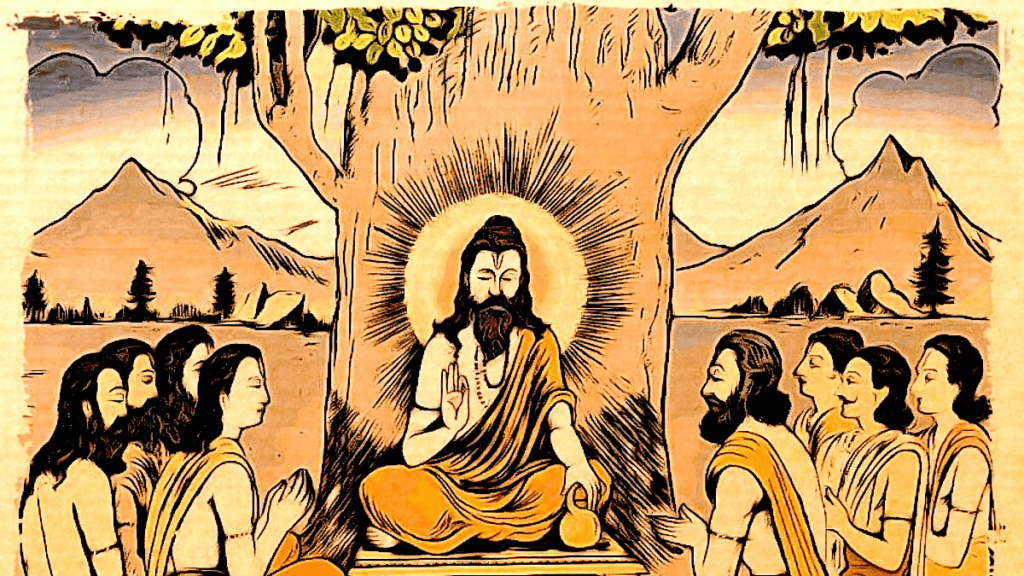
Religion Education Among Sanatani
Lack of Access to Quality Religious Education Among Sanatanis (Hindus) – Causes & Solutions
Religious education plays a crucial role in preserving cultural identity and values. While Christian and Islamic institutions actively promote their religious teachings through missionary schools and madrasas, the Sanatani (Hindu) community lacks a structured and widespread system for religious education. This has led to cultural alienation, ignorance of Hindu scriptures, and vulnerability to conversion.
1. Causes of Weak Religious Education Among Sanatanis
A. Lack of Organized Hindu Education System
- Absence of Gurukul-Style Schools: Traditional Hindu Gurukuls have declined, and modern schools do not focus on Hindu religious teachings.
- No Institutional Support: Unlike Christian missionary schools or Islamic madrasas, there are very few organized Hindu religious schools.
- No Hindu Religious Studies in Mainstream Education: Hindu students in government and private schools are not taught about Vedas, Upanishads, Puranas, or Bhagavad Gita.
B. Government & Policy Issues
- Secular Education Policies: Government discourages religious education in mainstream schools, affecting Hindu religious learning.
- No Hindu Religious Funding: Christian and Islamic institutions receive aid for religious education, but Hindu organizations face restrictions.
- Neglect of Sanskrit & Hindu Scriptures: Sanskrit, the language of Hindu scriptures, is not promoted in schools.
C. Family & Social Neglect
- Parents Don’t Teach Hinduism at Home: Many Hindu parents are unaware of religious teachings and fail to pass them on.
- Western Influence & Loss of Tradition: Exposure to Western culture has led to declining interest in Hindu practices and philosophy.
- Hindu Festivals Losing Religious Significance: Many Hindu festivals have become commercialized, focusing on entertainment rather than spiritual learning.
D. Religious Conversion & External Influences
- Missionary Schools Teach Christianity: Many poor Hindus send their children to Christian missionary schools, where they learn Christian values instead of Hindu teachings.
- Islamic Madrasas Promote Islamic Studies: Muslim children receive structured religious education, while Hindu children lack similar learning.
- Hindu Youth Are Spiritually Disconnected: Due to lack of knowledge, many young Hindus feel disconnected from their faith and are easily influenced by other ideologies.
2. Effects of Weak Hindu Religious Education
- Loss of Hindu Identity & Pride: Many Hindus grow up without knowing their own scriptures, traditions, and philosophies.
- Rise in Religious Conversions: Lack of strong Hindu education makes poor and vulnerable Hindus easy targets for missionaries.
- Weakening of Hindu Society: Without religious unity and knowledge, Hindus fail to organize and defend their interests.
- Decline in Sanskrit & Hindu Literature: Without promotion, Sanskrit is slowly disappearing, leading to a loss of access to original Hindu scriptures.
3. Solutions to Strengthen Hindu Religious Education
A. Revival of Gurukul & Hindu Schools
- Establish Modern Gurukuls: Create schools that combine modern education with Hindu religious teachings.
- Temple-Based Religious Education: Hindu temples should run weekly or daily classes to teach children Bhagavad Gita, Vedas, and Upanishads.
- Sanskrit & Hindu Studies in Schools: Sanskrit should be reintroduced and promoted as a subject in schools.
B. Community & Family-Level Efforts
- Parents Should Teach Hinduism at Home: Families must encourage children to read Ramayana, Mahabharata, and Bhagavad Gita from an early age.
- Hindu Cultural Camps & Workshops: Organize summer camps and weekend classes for children to learn Hindu traditions.
- Promote Hindu Books & Literature: Hindu organizations should distribute free books on Hindu philosophy, history, and scriptures.
C. Digital & Online Education Initiatives
- Create Online Courses on Hinduism: Develop websites, apps, and YouTube channels dedicated to teaching Hindu scriptures and philosophy.
- Social Media Awareness Campaigns: Use social media to educate youth about Hindu heritage, history, and values.
- Translate Hindu Scriptures into Regional Languages: Ensure that Bhagavad Gita, Upanishads, and Puranas are available in all Indian languages for easy understanding.
D. Policy & Institutional Reforms
- Government Support for Hindu Education: Demand equal funding and recognition for Hindu religious schools, just like madrasas and missionary schools.
- Hindu Organizations Should Build Religious Schools: Like Christian convents and Islamic madrasas, Hindus must establish structured educational institutions.
- Scholarships for Hindu Religious Studies: Provide scholarships to students who study Hindu philosophy, Sanskrit, and ancient Indian scriptures.
Conclusion
The lack of structured Hindu religious education is a major weakness that needs urgent revival. Temples, organizations, and Hindu intellectuals must come forward to rebuild Gurukul-style learning, integrate Hindu teachings in mainstream education, and promote spiritual knowledge among Hindu youth.
A Comprehensive Analysis of Causes, Effects, and Revitalization Strategies
Executive Summary
The Sanatani (Hindu) community, representing one of the world’s oldest continuous religious and philosophical traditions, faces a critical challenge in the 21st century: the systematic erosion of structured religious education. While other major world religions have maintained robust educational infrastructures—Christian missionary schools and Islamic madrasas—the Hindu community has witnessed a precipitous decline in formal mechanisms for transmitting its profound spiritual heritage to younger generations. This comprehensive analysis examines the multidimensional causes of this educational deficit, documents its far-reaching consequences, and proposes a detailed roadmap for revitalization. The situation represents not merely an educational gap but a civilizational crisis threatening the continuity of one of humanity’s most ancient wisdom traditions.
Introduction: The Imperative of Religious Education in Civilizational Continuity
Religious education serves as the primary mechanism for cultural transmission, moral formation, and spiritual grounding across civilizations. For Sanatana Dharma—a tradition characterized by its philosophical depth, ritual complexity, and textual richness—structured education has historically been the lifeblood sustaining its continuity across millennia. The tradition’s very name, “Sanatana Dharma” (the eternal way), implies perpetuity through transmission.
Contemporary observations reveal a disturbing paradox: while global interest in Hindu philosophical concepts like yoga, mindfulness, and Ayurveda has reached unprecedented levels, systematic religious education within the Hindu community itself has deteriorated alarmingly. This disconnect between global appropriation and domestic disconnection warrants urgent scholarly and communal attention.
This document presents a comprehensive examination spanning historical context, contemporary challenges, and future strategies, aiming to provide both diagnostic clarity and prescriptive solutions for one of the most pressing issues facing the global Hindu community.
Chapter 1: Historical Context and Comparative Analysis
1.1 The Gurukul System: Ancient Educational Excellence
For thousands of years, Hindu society maintained one of history’s most sophisticated educational systems through the Gurukul framework. Characterized by:
- Residential Learning: Students lived with their guru (teacher) in an ashram setting
- Holistic Education: Integration of spiritual, philosophical, artistic, martial, and practical knowledge
- Personalized Instruction: Tailored education based on student aptitude and varna (disposition)
- Oral Tradition: Mastery through memorization and recitation of vast textual corpora
- Guru-Shishya Parampara: Direct lineage transmission ensuring authenticity
This system produced extraordinary scholars, philosophers, scientists, and statesmen while maintaining rigorous standards of scriptural scholarship. Its decline represents one of the most significant civilizational losses in human history.
1.2 Comparative Analysis of Religious Educational Systems
Christian Missionary Education
- Global Reach: Over 140,000 Christian educational institutions worldwide
- Structural Integration: Seamlessly combines secular education with religious instruction
- Financial Resources: Well-funded through international networks and local donations
- Strategic Positioning: Often provides quality education in underserved areas, creating entry points for evangelization
- Curriculum Development: Sophisticated pedagogical materials across age groups and literacy levels
Islamic Madrasa System
- Institutional Permanence: Over 30,000 registered madrasas in India alone
- Community Support: Strong theological imperative for religious education (fard al-ayn)
- Government Recognition: Many countries formally recognize madrasa certifications
- Financial Mechanisms: Zakat (charity) system provides sustainable funding
- Global Network: Connections across Islamic world facilitate resource sharing
Hindu Educational Infrastructure: A Comparative Deficit
- Institutional Scarcity: Fewer than 5,000 formal Vedic schools nationwide
- Fragmented Efforts: Lack of centralized coordination or standardization
- Resource Constraints: Minimal sustained funding mechanisms
- Legal Hurdles: Complex regulatory environment for religious education
- Pedagogical Lag: Often inadequate adaptation to contemporary educational needs
Chapter 2: Multidimensional Causes of Weak Religious Education
2.1 Structural and Institutional Causes
A. Collapse of Traditional Educational Infrastructure
The British colonial period systematically dismantled indigenous educational systems. The 1835 Macaulay Minute explicitly aimed to create “a class of persons, Indian in blood and colour, but English in taste, in opinions, in morals, and in intellect.” This policy:
- Defunded traditional pathshalas and gurukuls
- Established English-medium education as the only route to advancement
- Devalued Sanskrit and indigenous knowledge systems
- Created a psychological association of Western education with modernity and traditional education with backwardness
Post-independence, despite rhetorical support for indigenous education, policy continued to marginalize traditional Hindu educational models through:
- Exclusion from Mainstream: Religious education confined to “extra-curricular” status
- Certification Invalidity: Vedic education rarely recognized for employment
- Infrastructure Neglect: Historic gurukuls deteriorating from lack of funding
- Teacher Training Void: No formal programs for training Hindu religious educators
B. Organizational Deficits Within Hindu Society
Unlike the centralized ecclesiastical structures of Christianity or Islam, Hinduism’s decentralized nature—historically a strength—has become an organizational challenge:
- No Central Authority: No equivalent to Vatican or Islamic Caliphate to coordinate education
- Temple-Community Disconnect: Most temples function as ritual centers rather than educational hubs
- Sectarian Fragmentation: Different sampradayas (traditions) often work in isolation
- Leadership Crisis: Shortage of charismatic, educated religious leaders who can inspire youth
- Volunteer Dependence: Over-reliance on volunteerism without professionalization
2.2 Government Policy and Legal Framework
A. Problematic Interpretation of Secularism
India’s constitutional secularism, while designed to ensure equal treatment of all religions, has been implemented in ways that disadvantage majority religious education:
- Misapplied Neutrality: Government abstinence from religious education interpreted as exclusion rather than equal support
- Asymmetric Accommodation: Special provisions for minority institutions (Article 30) without equivalent for majority
- Hostile Bureaucracy: Often, officials view Hindu educational initiatives with suspicion
- Textbook Bias: School curricula frequently misrepresent or marginalize Hindu traditions while providing more respectful treatment of other religions
B. Funding Disparities and Resource Allocation
- Minority Institution Funding: Christian and Muslim institutions receive government aid while maintaining religious character
- Hindu Institution Barriers: Hindu religious schools face greater scrutiny and restrictions on funding
- International Funding: Foreign contributions to Hindu educational initiatives face disproportionate regulatory hurdles
- Tax Policy: Uneven application of charitable status to religious educational institutions
C. Language Policy and Sanskrit Neglect
Sanskrit, the primary vehicle of Hindu scripture, faces systematic marginalization:
- Reduced Academic Presence: Once the language of scholarship, now confined to few specialized departments
- Pedagogical Underdevelopment: Lack of modern Sanskrit teaching materials
- Economic Devaluation: No career incentives for Sanskrit proficiency
- Institutional Decay: Traditional Sanskrit pathashalas closing due to lack of students and funding
2.3 Sociological and Familial Factors
A. Generational Disconnection
The post-independence generation experienced multiple disruptions:
- Urban Migration: Broke intergenerational learning in joint families
- Nuclear Family Model: Reduced exposure to grandparents as transmitters of tradition
- Career Migration: Diaspora communities losing connection with cultural roots
- Language Shift: English replacing native languages as home language, creating scriptural disconnect
B. Parental Educational Deficits
Many Hindu parents themselves lack religious education, creating a vicious cycle:
- Insufficient Knowledge: Cannot teach what they don’t know
- Pedagogical Insecurity: Feel unqualified to provide religious instruction
- Prioritization of Secular Success: Overemphasis on professional careers at expense of cultural literacy
- Time Poverty: Demanding work schedules leave little time for religious education
C. Psychological and Identity Factors
- Colonial Legacy: Internalized inferiority about indigenous traditions
- Modernity Complex: Association of religious practice with backwardness
- Youth Embarrassment: Young Hindus often feel awkward about practices they don’t understand
- Defensive Reductionism: Reducing rich tradition to few symbolic practices without understanding
2.4 External Influences and Conversion Dynamics
A. Educational Evangelism
Missionary schools strategically target educational gaps:
- Quality Differential: Often provide better English-medium education than available alternatives
- Scholarship Programs: Financial incentives for economically disadvantaged students
- Subtle Indoctrination: Incorporation of Christian messaging throughout curriculum
- Service Provision: Combining education with healthcare and other services creates dependency
B. Ideological Competition
- Marxist Framing: Portrayal of Hinduism as oppressive and superstitious in academic discourse
- Abrahamic Supremacism: Presentation of monotheistic religions as more advanced or rational
- Consumerist Spirituality: Market-driven alternatives that commodify select Hindu practices while discarding theological foundations
- Globalization Effects: Homogenizing cultural forces that marginalize local traditions
C. Information Environment Challenges
- Media Bias: Mainstream media often portrays Hindu practices negatively while treating other religions with greater sensitivity
- Academic Marginalization: Religious studies departments often approach Hinduism through critical theory frameworks rather than theological understanding
- Digital Deficit: Inadequate high-quality Hindu educational content online compared to other traditions
- Language Barriers: Most profound Hindu scholarship remains inaccessible in vernacular languages
Chapter 3: Consequences of Inadequate Religious Education
3.1 Individual Level Consequences
A. Spiritual and Psychological Impacts
- Rootlessness: Psychological dislocation from cultural anchors
- Vulnerability to Cults: Inadequate religious literacy makes individuals susceptible to extremist or exploitative groups
- Existential Confusion: Lack of philosophical framework for life’s big questions
- Ritual Without Meaning: Performing ceremonies without understanding significance
- Identity Crisis: Especially acute in diaspora communities
B. Intellectual and Educational Deficits
- Philosophical Illiteracy: Unawareness of sophisticated philosophical systems within tradition
- Historical Amnesia: Lack of knowledge about Hindu contributions to civilization
- Textual Ignorance: Inability to engage with primary sources
- Critical Thinking Gap: Missing tradition’s own robust dialectical traditions
3.2 Community Level Consequences
A. Demographic and Conversion Impacts
- Accelerated Conversions: Particularly among economically disadvantaged and tribal communities
- Intergenerational Erosion: Children of converts permanently lost to tradition
- Demographic Shift: Changing religious composition in sensitive regions
- Cultural Appropriation: External adoption of practices without understanding or respect
B. Organizational and Institutional Weakness
- Leadership Void: Insufficient trained religious leadership
- Institutional Fragility: Temples and organizations lack educated constituencies
- Financial Vulnerability: Reduced community investment in religious institutions
- Volunteer Shortage: Fewer committed volunteers with deep understanding
C. Cultural and Artistic Losses
- Performing Arts Decline: Classical dance and music losing theological foundation
- Architectural Knowledge: Traditional temple architecture principles being forgotten
- Textual Transmission: Oral traditions of chanting and recitation disappearing
- Calendar Literacy: Decreasing understanding of Hindu calendrical systems and astronomy
3.3 Civilizational and Global Consequences
A. Loss of Philosophical Diversity
Hinduism represents one of humanity’s few non-Abrahamic, non-revelatory wisdom traditions. Its decline would mean:
- Reduced Cognitive Diversity: Loss of alternative epistemological frameworks
- Philosophical Monoculture: Dominance of Western or Abrahamic paradigms
- Civilizational Amnesia: Forgetting solutions to human problems developed over millennia
B. Global Spiritual Ecology
- Balance of Traditions: Healthy pluralism requires robust representation of major wisdom traditions
- Interfaith Dialogue Deficit: Hindus unable to adequately represent their tradition in global discussions
- One-Sided Appropriation: Yoga and meditation detached from philosophical foundations
Chapter 4: Comprehensive Solutions and Revitalization Strategies
4.1 Institutional Revival and Innovation
A. Modern Gurukul System Development
Creating residential schools that blend traditional and modern education:
- Curriculum Design: Integration of Vedic studies with mainstream subjects
- Faculty Development: Specialized training for gurukul teachers
- Infrastructure Standards: Modern facilities with traditional architectural principles
- Accreditation Pathways: Recognition equivalent to mainstream education
- Funding Models: Endowments, community support, and fee structures
B. Temple-Based Educational Transformation
Reconceiving temples as educational hubs:
- Daily Classes: Regular instruction for children and adults
- Library Development: Scriptural libraries with digital access
- Scholar Residencies: Supporting pundits to teach and research
- Festival Education: Transforming celebrations into teaching moments
- Outreach Programs: Taking temple education to communities
C. Mainstream Education Integration
Strategic incorporation into existing systems:
- Ethics Curriculum: Hindu philosophical contributions to moral reasoning
- Comparative Religion: Accurate representation of Hindu traditions
- Sanskrit Revival: Making Sanskrit accessible and relevant
- Text Inclusion: Selections from Hindu scriptures in literature courses
- Teacher Training: Preparing educators to teach Hindu traditions accurately
4.2 Community and Family-Based Initiatives
A. Family Education Revival
- Parent Training Programs: Teaching parents how to teach traditions
- Home Ritual Kits: Simplified materials for family practice
- Intergenerational Programs: Structured learning with grandparents
- Family Retreats: Residential learning experiences
- Domestic Shrines: Reestablishing home as sacred space
B. Youth Engagement Strategies
- Summer Camps: Intensive residential programs
- Youth Fellowships: Regular gathering for study and service
- Leadership Development: Training future community leaders
- Digital Engagement: Meeting youth on their platforms
- Service Learning: Connecting tradition with social action
C. Women’s Educational Empowerment
Recognizing women as primary transmitters of culture:
- Women’s Study Circles: Safe spaces for women’s scriptural study
- Mother-Daughter Programs: Bonding through shared learning
- Women Teachers: Increasing female representation in religious education
- Home School Resources: Supporting homeschooling of religious education
4.3 Digital and Technological Solutions
A. Comprehensive Digital Platforms
- Online Academies: Structured courses with certification
- Digital Libraries: Open access to scriptures and commentaries
- Mobile Applications: Daily learning and practice tools
- Virtual Reality: Immersive experiences of rituals and pilgrimage
- Gamification: Making learning engaging for youth
B. Social Media Strategy
- Influencer Development: Training articulate young Hindus to represent tradition
- Content Creation Hubs: Supporting production of quality educational content
- Community Building: Online sanghas for support and learning
- Crisis Response: Rapid response to misinformation
C. Translation and Accessibility Projects
- Scripture Translation: Accurate vernacular translations with commentaries
- Pedagogical Adaptation: Rendering complex concepts accessible to different age groups
- Audio Resources: For oral learning traditions and visually impaired
- Visual Explanations: Infographics and animations explaining complex concepts
4.4 Policy and Structural Reforms
A. Legal and Regulatory Changes
- Equal Treatment Demands: Applying minority education rights equally
- Funding Equity: Government support for Hindu religious schools
- Certification Reform: Recognizing Vedic education qualifications
- Tax Policy: Equal charitable status for religious educational institutions
- International Support: Facilitating diaspora contributions
B. Institutional Building
- Central Coordinating Body: Umbrella organization for Hindu education
- Research Institutes: Academic centers for Hindu pedagogical development
- Teacher Training Colleges: Professional preparation for religious educators
- Accreditation Bodies: Quality standards for Hindu educational institutions
- Publishing Houses: Producing quality educational materials
C. Economic Sustainability Models
- Endowment Building: Long-term financial security for institutions
- Social Enterprise: Income-generating activities supporting educational mission
- Corporate Partnerships: CSR funding for religious education
- Micro-donations: Broad-based community support
- International Funding: Ethical diaspora support mechanisms
4.5 Global Outreach and Diaspora Engagement
A. Diaspora Community Support
- Cultural Continuity Programs: Helping diaspora maintain connections
- Adaptation Resources: Balancing tradition with new cultural contexts
- Leadership Training: Preparing diaspora religious leaders
- Digital Connectivity: Linking global Hindu learning communities
B. Global Hindu Identity
- Shared Curriculum: Core elements for global Hindu education
- International Networks: Connecting Hindu educational institutions worldwide
- Representation: Educated Hindu voices in global forums
- Philanthropy Networks: Global funding for Hindu education
Chapter 5: Implementation Roadmap and Priority Actions
5.1 Short-Term Priorities (0-2 Years)
- Digital Infrastructure Development
- Launch comprehensive online learning platform
- Create core curriculum for different age groups
- Develop mobile applications for daily learning
- Pilot Programs
- Establish 100 model temple-based education centers
- Launch parent education program in 50 cities
- Create summer camp network reaching 10,000 youth
- Emergency Intervention
- Target high-conversion areas with educational outreach
- Develop counter-narrative to missionary education
- Provide scholarships for Hindu students in religious studies
5.2 Medium-Term Initiatives (2-5 Years)
- Institutional Building
- Establish national Hindu education board
- Found 25 new gurukul-style residential schools
- Create teacher training programs in 10 regions
- Policy Advocacy
- Achieve equal funding for Hindu religious schools
- Secure Sanskrit promotion in education policy
- Establish Hindu studies departments in universities
- Resource Development
- Complete translations of core texts into major Indian languages
- Develop comprehensive K-12 Hindu education curriculum
- Create digital library with 10,000+ Hindu texts
5.3 Long-Term Vision (5-20 Years)
- Systemic Transformation
- Integrate Hindu education into mainstream recognition systems
- Establish global network of Hindu educational institutions
- Develop sophisticated Hindu pedagogy integrating traditional and modern methods
- Cultural Renaissance
- Reverse conversion trends through educational excellence
- Establish Hindu educational institutions as centers of excellence
- Create vibrant Hindu intellectual culture engaging with contemporary issues
- Global Contribution
- Share Hindu educational models with other traditions
- Establish Hindu perspective in global education discourse
- Develop Hindu contributions to solving global problems
Chapter 6: Monitoring, Evaluation, and Continuous Improvement
6.1 Key Performance Indicators
Educational Outcomes
- Number of students receiving structured Hindu education
- Test scores on religious knowledge assessments
- Retention rates in educational programs
- Progression to advanced study
Institutional Metrics
- Number of functional Hindu educational institutions
- Teacher-student ratios
- Infrastructure quality indices
- Financial sustainability measures
Community Impact
- Reduction in conversion rates
- Increased participation in traditional practices
- Community investment in religious education
- Intergenerational transmission measures
6.2 Quality Assurance Framework
Curriculum Standards
- Age-appropriate learning objectives
- Doctrinal accuracy and tradition authenticity
- Pedagogical effectiveness
- Cultural relevance
Teacher Qualifications
- Content knowledge requirements
- Pedagogical training standards
- Continuous professional development
- Ethical conduct guidelines
Institutional Excellence
- Learning environment quality
- Administrative effectiveness
- Community engagement
- Innovation and adaptation
6.3 Research and Development
Pedagogical Innovation
- Learning science applications
- Technology integration
- Cross-cultural adaptation
- Special needs education
Content Development
- Scriptural exegesis for contemporary relevance
- Interdisciplinary connections
- Global context presentations
- Response to modern challenges
Impact Assessment
- Longitudinal studies of educational outcomes
- Comparative analysis with other religious education systems
- Sociological impact research
- Spiritual development measurement
Conclusion: Toward a Hindu Educational Renaissance
The crisis in Hindu religious education represents both an existential threat and a historic opportunity. The scale of the challenge—spanning institutional collapse, policy discrimination, social transformation, and global pressures—demands responses of equal magnitude and sophistication. Yet within the tradition itself lie the resources for renewal: a 5,000-year heritage of educational excellence, profound philosophical systems capable of engaging modernity, and a resilient community despite centuries of adversity.
Successful revitalization requires moving beyond nostalgia for lost golden ages toward creative reconstruction of educational models that honor tradition while engaging contemporary realities. It demands overcoming internal fragmentation through shared purpose and external challenges through strategic wisdom. Most fundamentally, it requires recognizing that education is not merely information transfer but the very mechanism of civilizational continuity.
The proposed solutions—spanning institutional innovation, community mobilization, technological leverage, policy reform, and global networking—provide a comprehensive roadmap. Their implementation will require unprecedented cooperation across sectarian lines, generational divides, and geographical boundaries. It will demand investment of financial resources, intellectual energy, and spiritual commitment.
Ultimately, the future of Sanatana Dharma—and its contributions to human flourishing—depends on whether the current generation can successfully transmit its profound heritage to the next. This educational revitalization represents nothing less than the preservation of one of humanity’s great wisdom traditions for future generations. The work begins now, with the recognition that every child without access to their religious heritage represents both a personal tragedy and a civilizational loss.
The Hindu educational renaissance will be built classroom by classroom, family by family, heart by heart. It will be measured not only in institutions built or students taught, but in lives transformed, wisdom embodied, and tradition renewed. In this great work of preservation and transmission, we fulfill our duty to ancestors and obligation to descendants, ensuring that the eternal way remains a living tradition for millennia to come.
Appendix 1: Detailed Curriculum Framework for Different Age Groups
Appendix 2: Model Legislation for Equal Treatment in Religious Education
Appendix 3: Directory of Existing Hindu Educational Institutions
Appendix 4: Annotated Bibliography of Hindu Educational Resources
Appendix 5: Case Studies of Successful Hindu Educational Models
Appendix 6: Technological Specifications for Digital Learning Platforms
Appendix 7: Sample Assessment Tools for Religious Knowledge
Appendix 8: Funding Models and Philanthropic Guidelines
Appendix 9: Global Hindu Educational Networks and Partnerships
Appendix 10: Timeline and Milestones for Implementation

Table of Contents