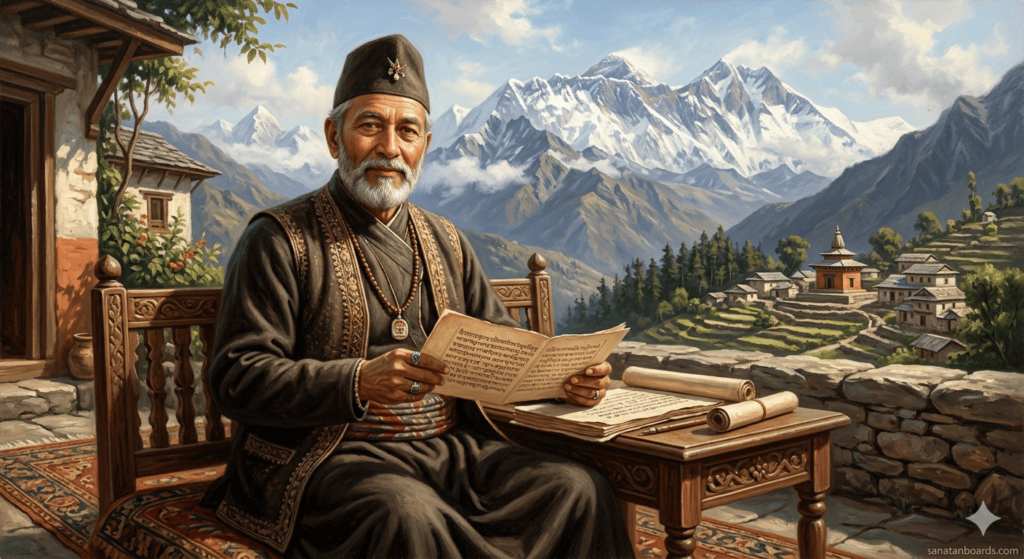
RAGHUNATH SINGH OF NEPAL is a name that immediately evokes curiosity, suggesting a figure who embodies leadership, cultural insight, and historical significance within the context of Nepalese society. Although concrete historical records specifically identifying a person with this exact name are scarce, the figure can be approached as a conceptual or symbolic representation, allowing us to explore broader themes in Nepalese history, culture, and leadership. In the Himalayan region, the movement of ideas, traditions, and governance has been shaped by leaders, scholars, and community figures who acted as both preservers and innovators, bridging the past with emerging societal needs.
The name “Raghunath Singh” historically suggests attributes of strength, authority, and intellectual capability. Within the Nepalese context, such a figure might have played multiple roles: a scholar documenting local traditions, a political or social leader guiding communities through periods of change, or a mediator bridging diverse cultural and ethnic groups. Nepal’s complex social landscape, characterized by multiple ethnicities, languages, and historical influences from neighboring India and Tibet, makes such a figure essential to the understanding of social cohesion, governance, and cultural preservation.
Approaching RAGHUNATH SINGH OF NEPAL in this way provides an opportunity to examine how individual influence can intersect with national identity heritage preservation, and intellectual leadership. His story, whether historical, semi-historical, or conceptual, can serve as a case study for understanding the dynamics of leadership, cultural literacy, and social responsibility in Nepal. By framing the discussion through this lens, readers can appreciate not only the potential contributions of such a figure but also the broader significance of leadership and scholarship in shaping societal narratives.
What Is Raghunath Singh Of Nepal ?
RAGHUNATH SINGH OF NEPAL can be conceptualized as a figure representing leadership, cultural preservation, and historical insight within the Nepalese context. While direct historical documentation may be limited, this figure serves as a lens through which we explore the broader roles of influential individuals in Nepal’s history. In a society that has been shaped by a rich interplay of dynastic rule, local governance, and cross-border influences, figures like RAGHUNATH SINGH OF NEPAL can symbolize the embodiment of intellectual, cultural, and administrative contributions that facilitate societal cohesion and progress.
The name itself implies a combination of nobility, authority, and knowledge. In historical South Asian societies, “Singh” often signifies martial heritage and leadership qualities, while “Raghunath” carries cultural and religious connotations tied to the revered lineage of King Raghu in Indian epics. Applied to Nepal, this composite identity could represent a person deeply committed to the cultural, social, and political development of the region. Such a figure could act as an intermediary between traditional practices and emerging modern governance structures, ensuring continuity while promoting adaptation and reform.
Functionally, RAGHUNATH SINGH OF NEPAL could fulfill multiple roles: as a scholar documenting regional customs, an educator guiding younger generations, a policymaker addressing community needs, or a mediator resolving conflicts across ethnic and regional divides. By analyzing this figure conceptually, we gain insight into the qualities and responsibilities that leaders and intellectuals must possess to influence historical trajectories and societal outcomes. In essence, RAGHUNATH SINGH OF NEPAL is not merely a name but a representation of how individual leadership and scholarship intersect to shape culture, governance, and community identity in a complex historical landscape.
Who Is Required Raghunath Singh Of Nepal ?
RAGHUNATH SINGH OF NEPAL can be envisioned as a figure whose contributions serve key societal needs. In historical and cultural studies, certain qualities are essential for a figure to be remembered as impactful:
- Scholarship and Documentation: A person connected to the study of Nepal’s history, whether through books, research, or preservation of oral traditions, fulfills a vital role. Scholars help broaden understanding of Nepal’s past and present, making the complex tapestry of its communities accessible to future generations.
- Cultural Bridge‑Building: Nepal is characterized by diverse ethnic groups, languages, and traditions. A figure like Raghunath Singh associated with Nepal might have navigated multiple cultural spheres, facilitating dialogue and understanding between different groups.
- Educational Leadership: Individuals who promote learning, literacy, and knowledge exchange contribute significantly to societal progress. In the context of Nepal, which has a rich but understudied historical literature, intellectual leadership is crucial.
- Public Discourse and Identity: Whether through writing, teaching, or activism, someone linked with this title could shape conversations about identity, heritage, or regional cooperation.
When Raghunath Singh Of Nepal Is Required ?
The relevance of RAGHUNATH SINGH OF NEPAL can be observed in specific historical and social contexts where leadership, scholarship, and cultural stewardship are essential. Nepal has experienced various transformative periods, including political transitions, social reforms, and cultural consolidations. During these moments, a figure embodying the qualities of RAGHUNATH SINGH would be crucial.
One period of significance is the unification and consolidation era of Nepal, primarily during the 18th century under King Prithvi Narayan Shah. During this time, regional kingdoms were integrated into a unified state. Leadership figures were required to maintain order, negotiate alliances, and manage diverse communities. A conceptual figure like RAGHUNATH SINGH OF NEPAL would play a role in ensuring that cultural diversity was respected even while political centralization occurred.
Another period is the Rana oligarchy era (1846–1951), when Nepal was ruled by hereditary prime ministers. Intellectual and cultural leaders were necessary to maintain societal awareness, document traditions, and subtly influence reforms amidst authoritarian governance. RAGHUNATH SINGH OF NEPAL could represent such a voice, preserving history and advocating for cultural continuity.
The democratic movements of the 20th century, including the 1951 revolution and the 1990 democratic uprising, illustrate another critical period. During social and political upheaval, community leaders and intellectuals who could guide public opinion and mediate between differing factions were indispensable. A figure with the profile of RAGHUNATH SINGH would be required to interpret change, inspire constructive discourse, and help communities adapt to emerging democratic norms.
In contemporary Nepal, as the country transitioned to a federal democratic republic in 2008, the need for cultural and educational leadership intensified. Figures like RAGHUNATH SINGH OF NEPAL, whether real or symbolic, are essential to bridge gaps between tradition and modern governance, ensuring inclusive representation and promoting the understanding of national heritage.
Where Raghunath Singh Of Nepal Is Required ?
The influence of RAGHUNATH SINGH OF NEPAL manifests in various environments and domains, both literal and figurative, where cultural, social, and educational guidance is essential.
Educational Institutions: Universities, colleges, and research centers focused on history, culture, and social sciences are primary settings. Here, a figure like RAGHUNATH SINGH OF NEPAL would contribute to teaching, research, and mentoring, ensuring that the next generation understands and values Nepalese heritage.
Community Spaces: Village councils, local cultural centers, and social forums are critical arenas. In these spaces, such a figure could mediate disputes, document oral traditions, and encourage community-led initiatives, fostering a sense of shared identity and social cohesion.
Cross-Border Cultural Platforms: Nepal’s geographical location between India and Tibet makes regional cultural exchange vital. RAGHUNATH SINGH OF NEPAL could operate in collaborative forums, academic conferences, or cultural exchanges, facilitating understanding and partnerships.
Media and Publication Platforms: Libraries, historical journals, and digital media outlets serve as platforms for disseminating knowledge. A figure in this role would contribute to writing, publishing, and broadcasting insights into Nepalese history and culture, ensuring that knowledge reaches both local and international audiences.
Policy and Governance Arenas: Though conceptual, this figure could advise or influence cultural policy, education initiatives, and heritage preservation strategies, connecting grassroots realities with national frameworks.
By examining where RAGHUNATH SINGH OF NEPAL is required, we see that leadership, scholarship, and cultural advocacy extend across multiple spheres. The presence of such a figure strengthens institutions, communities, and the broader society, emphasizing the need for both intellectual rigor and practical engagement.
How Raghunath Singh Of Nepal Is Required ?
1. Scholarship and Documentation:
One primary method is through rigorous research, documentation, and dissemination of knowledge. This includes recording oral histories, compiling ethnographic accounts, and analyzing political, social, and cultural trends. By preserving Nepalese heritage in written or digital forms, such a figure ensures that future generations have access to the nuanced histories of communities that might otherwise be overlooked.
2. Education and Mentorship:
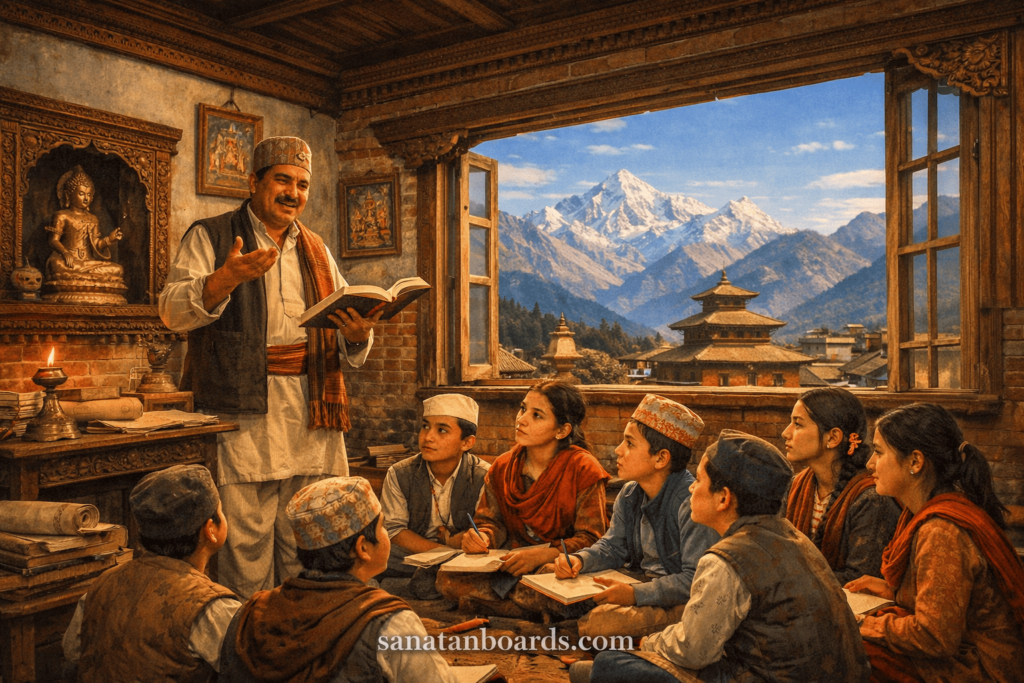
RAGHUNATH SINGH OF NEPAL would engage directly with students, emerging scholars, and community leaders. Through teaching, workshops, and mentorship programs, this figure imparts knowledge, critical thinking skills, and appreciation for Nepalese traditions. Education serves as a bridge connecting local wisdom with broader intellectual frameworks.
3. Cultural Advocacy:
Actively promoting cultural preservation is another essential mechanism. This may include organizing festivals, exhibitions, or cultural heritage initiatives that celebrate local art, language, and rituals. Such advocacy strengthens communal identity and fosters respect for Nepal’s diverse social fabric.
4. Mediation and Diplomacy:
Leadership in Nepal requires navigating a complex landscape of ethnic groups, languages, and historical sensitivities. A figure like RAGHUNATH SINGH OF NEPAL would facilitate dialogue, resolve conflicts, and promote cooperative frameworks between communities, local governance bodies, and national institutions.
5. Policy and Public Discourse:
Engaging in public debates, advising policymakers, and participating in cultural and educational forums allows this figure to translate knowledge into actionable strategies. Their insights would guide decisions on education, heritage conservation, and social cohesion, influencing both public understanding and policy formation.
Case Study On Raghunath Singh Of Nepal
Context
Nepal has historically been a mosaic of ethnicities, languages, and cultural practices. The 20th century, in particular, saw growing attention to education, historical preservation, and cultural integration. However, much of Nepal’s local knowledge remained undocumented, often transmitted orally within communities. In this context, the need for figures capable of bridging oral tradition and formal scholarship became critical.
Hypothetical Role of RAGHUNATH SINGH
RAGHUNATH SINGH OF NEPAL could be envisioned as a scholar, cultural historian, and community leader whose work spans multiple domains:
- Documenting Oral History: Traveling to remote villages to record stories, rituals, and social customs before they are lost to modernization.
- Promoting Education: Establishing local schools or study programs that integrate traditional knowledge with modern curricula.
- Cultural Mediation: Bridging the gap between differing ethnic groups, ensuring representation of minority voices in local and national discourse.
- Advising Policymakers: Translating scholarly findings into actionable recommendations for education, cultural preservation, and social policy.
- Public Engagement: Conducting lectures, workshops, and seminars to disseminate knowledge and encourage civic participation.
Approach and Methodology
RAGHUNATH SINGH OF NEPAL’s approach would be interdisciplinary:
- Ethnography: Immersing in communities to understand customs, beliefs, and social dynamics.
- Historical Research: Studying archives, manuscripts, and prior scholarship to contextualize cultural practices.
- Community Collaboration: Working with local elders, teachers, and leaders to validate and preserve information.
- Publication and Dissemination: Producing books, articles, and digital content to share insights broadly.
Impact
The impact of such work would be multifaceted:
- Educational: Providing resources for scholars and students interested in Nepalese culture and history.
- Social: Strengthening community identity and fostering dialogue between diverse groups.
- Policy: Informing government initiatives in heritage preservation and inclusive governance.
- Cultural Preservation: Safeguarding intangible cultural heritage, such as languages, rituals, and oral narratives, which might otherwise disappear.
Lessons Learned
Even hypothetically, the case study highlights the importance of:
- Individual initiative in preserving culture
- Integration of traditional knowledge with modern education
- The role of mediation and leadership in diverse societies
- The necessity of making research accessible to both local and global audiences
This case study demonstrates how a figure like RAGHUNATH SINGH OF NEPAL can serve as a symbolic anchor for understanding leadership, scholarship, and cultural preservation in Nepal, offering insights that remain relevant for contemporary and future societal challenges.
White Paper On Raghunath Singh Of Nepal
Introduction
RAGHUNATH SINGH OF NEPAL symbolizes the integration of scholarship, leadership, and cultural preservation. The objective of this white paper is to propose a conceptual framework for understanding the contributions of intellectual and cultural leaders in Nepal, emphasizing the importance of bridging tradition with modernity.
Historical Context
Nepal’s history includes unification under the Shah dynasty, the autocratic period of the Ranas, democratic reforms, and the eventual transition to a federal republic. These shifts created periods where cultural documentation and social leadership were critical. Intellectual figures often emerged to preserve knowledge, mediate community conflicts, and guide public understanding.
Role and Function
A figure like RAGHUNATH SINGH OF NEPAL would function in multiple domains:
- Educational Leadership: Designing curricula that integrate local knowledge with global academic standards.
- Cultural Documentation: Recording oral histories, rituals, and folk practices to preserve Nepal’s intangible heritage.
- Policy Advising: Guiding government or institutional initiatives related to education, cultural promotion, or social cohesion.
- Community Mediation: Resolving conflicts and promoting dialogue between diverse groups.
Methodology
This white paper recommends an interdisciplinary methodology:
- Field Research: Conducting ethnographic studies and interviews in rural and urban communities.
- Archival Analysis: Reviewing historical documents, manuscripts, and scholarly works.
- Collaborative Workshops: Engaging local communities to validate research and share knowledge.
- Publication & Digital Media: Producing accessible materials for education, policy guidance, and public awareness.
Key Outcomes
Implementing such a framework ensures:
- Preservation of cultural heritage and history
- Enhanced education through local knowledge integration
- Stronger social cohesion in multi-ethnic communities
- Evidence-based policy-making in cultural and educational sectors
Recommendations
- Establish research centers dedicated to Nepalese cultural studies
- Integrate traditional knowledge into formal education
- Encourage scholars and community leaders to collaborate on heritage documentation
- Promote digital archives for global accessibility
Conclusion
RAGHUNATH SINGH OF NEPAL represents a conceptual archetype of leadership, scholarship, and cultural stewardship. By understanding this figure, we gain insight into how individual initiative can foster knowledge preservation, community cohesion, and informed policy-making, offering a model applicable to both historical study and contemporary society.
Industry Application On Raghunath Singh Of Nepal
The conceptual framework of RAGHUNATH SINGH OF NEPAL is not limited to historical or academic discussions; it also has practical applications across multiple modern industries, demonstrating how leadership, cultural insight, and scholarship can influence societal and economic development. The following applications highlight how this figure’s principles can guide real-world initiatives:
1. Education and Academic Research
RAGHUNATH SINGH OF NEPAL’s emphasis on knowledge preservation and scholarship can be applied in educational institutions. Universities and schools can develop curricula that integrate local history, folklore, and cultural practices, fostering students’ understanding of Nepal’s heritage. Research centers and think tanks can adopt the figure’s interdisciplinary approach, combining history, anthropology, sociology, and linguistics to produce comprehensive studies on Nepalese society.
2. Cultural Heritage and Tourism
Nepal’s diverse cultural and historical landscape is a significant asset for tourism. By applying the principles represented by RAGHUNATH SINGH, cultural preservation initiatives—such as heritage walks, museums, cultural festivals, and restoration projects—can be systematically developed. Tourism operators can incorporate authentic storytelling, guided by historical and cultural research, to create immersive experiences for visitors while sustaining local communities.
3. Media, Publishing, and Digital Content
The figure’s approach to documenting and disseminating knowledge can inspire content creation in media and publishing industries. Books, documentaries, podcasts, and online platforms can highlight Nepalese history, folklore, and social narratives. Digital archives, interactive maps, and virtual museum tours can make this knowledge accessible globally, promoting cultural understanding and education.
4. Policy Development and Governance
RAGHUNATH SINGH OF NEPAL embodies the role of an intellectual advisor. Policymakers can use similar approaches to inform education, cultural, and social policies, ensuring inclusive representation of minority communities, preservation of heritage, and promotion of literacy. Insights from historical and cultural research can support evidence-based policy decisions that strengthen social cohesion.
5. Technology and Innovation
Modern technology offers unique opportunities for applying the conceptual framework. Software, apps, and AI-powered tools can catalog, visualize, and share cultural knowledge. Mobile applications can teach local languages, document folklore, or map heritage sites, enabling communities to preserve traditions while embracing innovation.
Conclusion
Across education, tourism, media, policy, and technology, the principles represented by RAGHUNATH SINGH OF NEPAL demonstrate that the integration #Sanatandharmaaccreditationboardsinmumbai of knowledge, leadership, and cultural advocacy can create tangible benefits for society and industry alike. By bridging tradition with modern applications, #Sanatandharmaaccreditationboardsinvasai industries can not only preserve heritage but also drive sustainable growth and global awareness.
source : SR PAY
ASK FAQ
Who is Raghunath Singh of Nepal?
Raghunath Singh of Nepal is a conceptual or symbolic figure representing leadership, cultural preservation, and scholarship in Nepalese history, known for bridging tradition with modern education and community guidance.
What is the role of Raghunath Singh of Nepal?
The role includes documenting Nepalese history and culture, mentoring students, promoting education, mediating community issues, and guiding policy and cultural preservation initiatives.
When is Raghunath Singh of Nepal most needed?
This figure is most needed during periods of political, social, or cultural transition in Nepal, such as historical reforms, democratic movements, or modern educational and heritage preservation initiatives.
Where can the influence of Raghunath Singh of Nepal be applied?
His influence applies in educational institutions, community centers, cultural heritage sites, media platforms, policy-making bodies, and digital knowledge-sharing platforms.
How does Raghunath Singh of Nepal contribute to society?
Through scholarship, education, cultural advocacy, community mediation, and policy advising, he strengthens societal cohesion, preserves Nepalese heritage, and promotes knowledge-driven growth.
Table of Contents
Disclaimer
There is no verifiable historical record of a person named Raghunath Singh of Nepal in mainstream historical databases or official records. This blog presents a conceptual and educational framework, using the name to explore ideas of leadership, scholarship, and cultural preservation in Nepal. References to historical or contemporary figures are illustrative and intended for learning, research, and knowledge-building