Temples and pilgrimage sites have always held a central place in human civilization, representing faith, culture, tradition, and spiritual connection. Across different regions of the world, these sacred places are built not only as architectural marvels but also as symbols of devotion and community identity. They attract millions of visitors every year who seek peace, blessings, guidance, and a deeper connection with the divine.
The importance of temples and pilgrimage sites goes beyond religious belief. They are living heritage centers that preserve ancient traditions, rituals, music, art, and architecture. Many of these sites have existed for centuries, standing as witnesses to historical events and cultural transformations. Their structures often reflect the craftsmanship and engineering skills of the time in which they were built.
Pilgrimage sites are also associated with spiritual journeys. People travel long distances, sometimes on foot, to reach these sacred destinations. This journey is often considered as important as the destination itself, symbolizing discipline, faith, and inner purification. The atmosphere of these places is usually filled with chants, prayers, rituals, and collective devotion, creating a unique sense of unity among visitors.
In addition to spiritual importance, these places also contribute to tourism, economy, and cultural exchange. Local communities often depend on pilgrims and visitors for livelihood through hospitality, food services, transportation, and handicrafts. Thus, temples and pilgrimage sites play a significant role in both spiritual and social development.
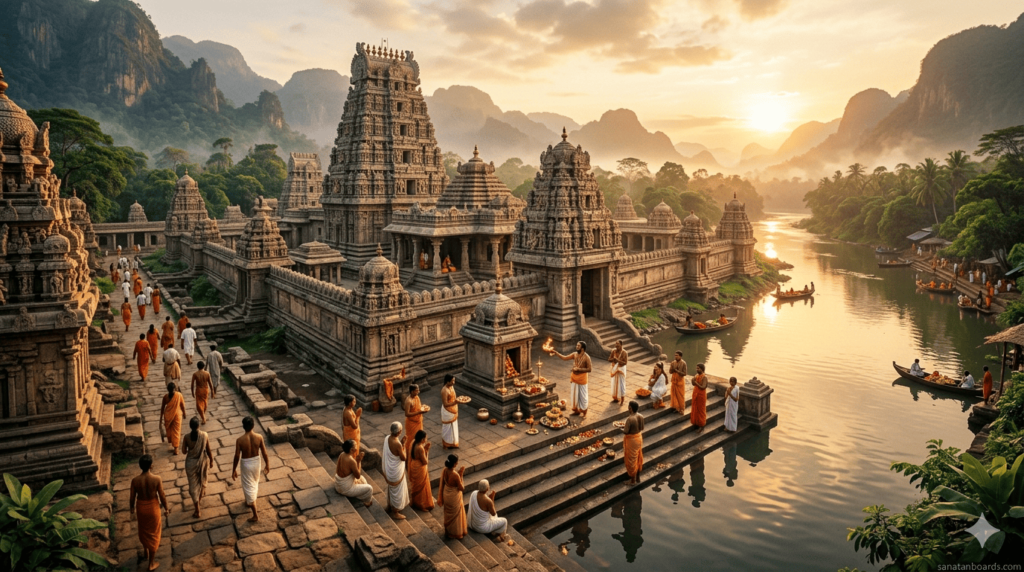
What Is Other Important Temples & Pilgrimage Sites ?
OTHER IMPORTANT TEMPLES & PILGRIMAGE SITES refer to significant religious and spiritual destinations that are recognized for their cultural, historical, and devotional importance beyond local or regional boundaries. These are places where people gather to worship, perform rituals and seek spiritual fulfillment. They are often associated with deep-rooted traditions and are considered sacred by followers of different faiths.
Temples are structured places of worship, usually dedicated to specific deities or spiritual figures. Pilgrimage sites, on the other hand, may include temples, shrines, natural landmarks, rivers, mountains, or caves that hold religious significance. Both serve as centers of faith and devotion, attracting pilgrims from various parts of the world.
These important sites are often mentioned in religious texts, myths, and historical records. Over time, they have become symbols of cultural identity and spiritual heritage. Their significance is not limited to religious practices but also extends to moral teachings, community bonding, and cultural preservation.
Architecturally, many of these temples and pilgrimage sites are designed with intricate carvings, symbolic structures, and sacred layouts that reflect spiritual philosophies. They often follow traditional construction styles passed down through generations.
The concept also includes the idea of “journey of faith,” where devotees travel to multiple sacred destinations as part of spiritual practice. These journeys are believed to purify the mind and strengthen devotion.
Who Is Required Other Important Temples & Pilgrimage Sites ?
The need for OTHER IMPORTANT TEMPLES & PILGRIMAGE SITES is universal and applies to a wide range of individuals and communities. Primarily, devotees and spiritual seekers require these places to practice their faith, perform rituals, and deepen their connection with the divine. For them, these sacred sites provide a sense of peace, purpose, and spiritual fulfillment.
Religious scholars and practitioners also require these sites for study, teaching, and preservation of traditions. They help in understanding ancient scriptures, rituals, and cultural practices that are often linked to these sacred locations. Through continuous study and engagement, they ensure that traditional knowledge is passed on to future generations.
Tourists and cultural explorers are another group who require access to these sites. They visit temples and pilgrimage destinations to experience cultural diversity, architectural beauty, and historical significance. These visits often enhance awareness and appreciation of global heritage.
Local communities depend on these sites for economic and social support. Pilgrimage tourism creates opportunities for employment in areas such as hospitality, transportation, guiding services, and handicrafts. Thus, these sites indirectly support livelihoods and regional development.
Governments and heritage organizations also require these sites to preserve cultural identity and promote tourism. They invest in maintenance, restoration, and infrastructure development to ensure that these places remain accessible and protected.
When Other Important Temples & Pilgrimage Sites Required ?
OTHER IMPORTANT TEMPLES & PILGRIMAGE SITES are required throughout various phases of human life and during specific cultural or spiritual occasions. Their importance is not limited to a fixed time; instead, they are continuously relevant in both personal and collective contexts.
Individuals often feel the need to visit these sacred places during times of emotional distress, uncertainty, or major life decisions. In such moments, people seek spiritual guidance, inner peace, and mental clarity. The calm and devotional environment of pilgrimage sites helps them reconnect with their beliefs and find strength.
These sites are also required during religious festivals, rituals, and ceremonies. Many traditions involve visiting temples or sacred destinations during specific holy periods. These occasions attract large gatherings of devotees, creating an atmosphere of collective prayer and celebration.
Pilgrimage journeys are often undertaken at different stages of life, such as birth celebrations, coming-of-age rituals, marriages, or after significant achievements. These journeys are seen as a way to express gratitude and seek blessings for future well-being.
From a seasonal perspective, certain pilgrimage routes become more active during favorable weather conditions. This allows safer travel and better accessibility for pilgrims, especially in regions with difficult terrain.
On a broader scale, societies require these sites continuously for cultural preservation and identity reinforcement. They serve as constant reminders of tradition and shared heritage, ensuring that cultural values are not lost over time.
Thus, OTHER IMPORTANT TEMPLES & PILGRIMAGE SITES are required in personal, seasonal, cultural, and religious contexts, making them timeless centers of spiritual importance.
Where Other Important Temples & Pilgrimage Sites Required ?
OTHER IMPORTANT TEMPLES & PILGRIMAGE SITES are required across diverse geographical locations, ranging from urban centers to remote natural landscapes. They are often situated in places that hold historical, spiritual, or natural significance, making them accessible to both local and international visitors.
In urban areas, temples are commonly located within cities and towns to serve the daily spiritual needs of residents. These sites provide a convenient place for worship, meditation, and community gatherings. They act as cultural hubs within busy environments, offering moments of peace amid urban life.
In rural and remote regions, pilgrimage sites are often found in mountains, forests, riverbanks, and caves. These locations are traditionally believed to be spiritually powerful and are associated with ancient stories or divine events. Pilgrims often travel long distances to reach these secluded destinations, viewing the journey itself as a spiritual experience.
Coastal and river regions also host important pilgrimage sites, where water bodies are considered sacred. These places are frequently used for rituals, cleansing ceremonies, and religious festivals, attracting large numbers of devotees.
Internationally, many pilgrimage sites are recognized globally, drawing visitors from different countries and cultures. These destinations serve as centers of interfaith understanding and cultural exchange.
Thus, OTHER IMPORTANT TEMPLES & PILGRIMAGE SITES are required in cities, villages, mountains, forests, riversides, and international locations, reflecting their widespread geographical and cultural importance.
How Other Important Temples & Pilgrimage Sites Required ?
OTHER IMPORTANT TEMPLES & PILGRIMAGE SITES are required through a combination of spiritual practice, cultural participation, and organized systems that support their functioning. Their existence and continued relevance depend on both devotion and structured management.
From a spiritual perspective, these sites are required through rituals, prayers, and pilgrimages. Devotees engage in worship practices that connect them with their beliefs and traditions. Regular visits, offerings, and ceremonies ensure that the spiritual energy of these places remains active and meaningful.
From a cultural perspective, they are required through festivals, traditions, and community participation. Cultural events held at these sites help preserve ancient customs and encourage collective involvement. This strengthens social bonds and ensures the continuity of heritage practices.
From an infrastructural point of view, these sites are required through maintenance, restoration, and management systems. Proper facilities such as roads, accommodation, water supply, and safety arrangements are necessary to support large numbers of visitors. Without these systems, accessibility and sustainability would be affected.
Educationally, these sites are required for learning about history, architecture, and traditional knowledge. Scholars and researchers study these locations to understand ancient civilizations and cultural evolution.
Economically, they are required as they generate income through tourism and related services. Local businesses benefit from the constant flow of pilgrims and visitors.
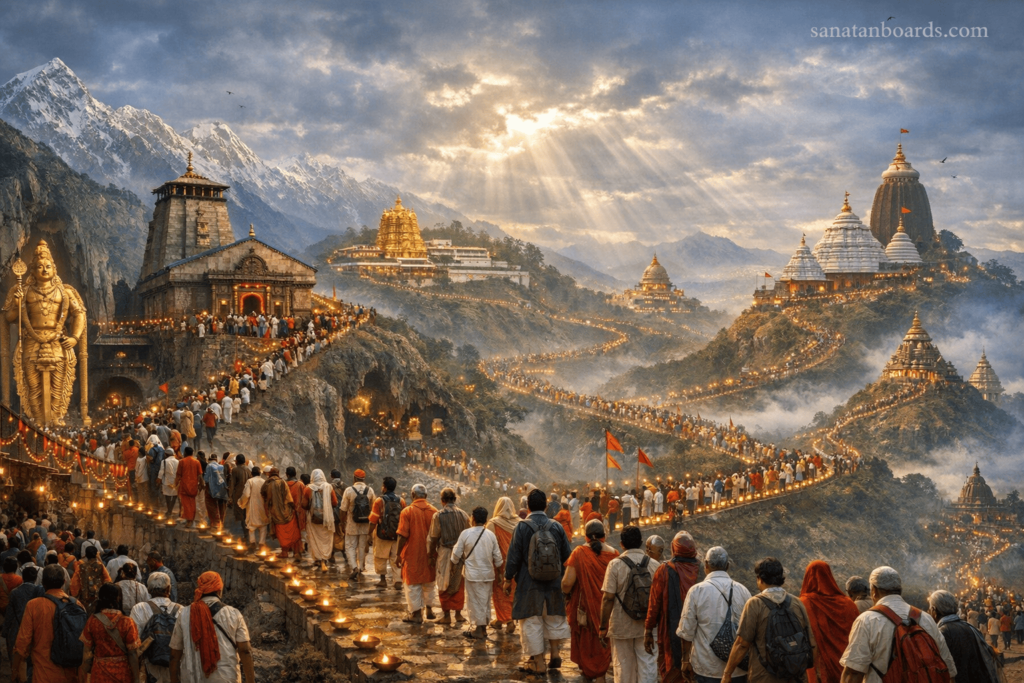
Case Study On Other Important Temples & Pilgrimage Sites
A detailed case study of OTHER IMPORTANT TEMPLES & PILGRIMAGE SITES highlights their impact on spirituality, society, economy, and culture. Consider a large pilgrimage destination located in a mountainous region, visited by millions of devotees annually. This site is known for its ancient origins, religious significance, and challenging journey routes.
Historically, the site was established centuries ago and is associated with deep spiritual legends. Over time, it became a major center of faith, attracting followers from different regions. Despite geographical difficulties, devotees continued to visit, strengthening its importance as a sacred destination.
From a social perspective, the pilgrimage site plays a major role in uniting people from diverse backgrounds. Visitors from different communities gather with a shared sense of devotion, breaking social barriers. The site promotes harmony, equality, and collective participation, as everyone is treated equally in the spiritual environment.
Economically, the pilgrimage site significantly contributes to the local economy. Small businesses such as food stalls, lodging services, transport operators, and souvenir shops depend heavily on seasonal and annual pilgrim inflows. Employment opportunities increase during peak pilgrimage periods, supporting thousands of families.
However, managing such a large influx of visitors also presents challenges. Environmental concerns such as waste management, deforestation, and resource consumption must be addressed carefully. Authorities often implement sustainable practices like regulated entry, eco-friendly facilities, and awareness programs to protect the natural surroundings.
Infrastructure development has played a key role in improving accessibility. Roads, emergency services, accommodation facilities, and communication systems have been developed over time to ensure safer pilgrimages. Despite modernization, efforts are made to preserve the traditional and spiritual essence of the site.
From a cultural perspective, festivals and rituals performed at the site attract global attention. These events showcase traditional music, dance, and rituals, helping preserve ancient cultural heritage.
This case study demonstrates how OTHER IMPORTANT TEMPLES & PILGRIMAGE SITES function as powerful centers of spirituality, economy, culture, and #Sanatanboardsofindia environmental interaction, requiring balanced development and preservation.
White Paper On Other Important Temples & Pilgrimage Sites
OTHER IMPORTANT TEMPLES & PILGRIMAGE SITES represent a critical component of cultural heritage, spiritual practice, and socio-economic development. A structured analysis of these sites reveals their multidimensional importance and the need for sustainable management.
These sacred locations serve as centers of faith where individuals engage in religious practices, rituals, and pilgrimages. They provide emotional comfort, moral guidance, and a sense of belonging. Over centuries, they have evolved into institutions that preserve spiritual traditions and cultural values.
From a heritage perspective, these sites are invaluable. Many temples and pilgrimage destinations are centuries old, showcasing architectural brilliance and historical continuity. Preservation of these structures is essential to maintain cultural identity and historical knowledge.
Economically, pilgrimage tourism is a major contributor to regional development. It generates income through hospitality services, transportation, retail, and cultural industries. Local economies often depend heavily on pilgrimage seasons, making these sites important for livelihood generation.
However, increasing visitor numbers also create challenges. Environmental degradation, overcrowding, and resource strain are major concerns. Therefore, sustainable management practices are essential. These include waste management systems, controlled visitor flow, and eco-friendly infrastructure development.
From a governance perspective, collaboration between authorities, local communities, and religious organizations is necessary. Effective policies ensure safety, preservation, and accessibility. Investment in infrastructure such as roads, healthcare, and emergency systems is also crucial.
Technological integration is becoming increasingly important. Digital systems for crowd management, online booking, and information dissemination improve efficiency and visitor experience.
Culturally, these sites promote unity and intergenerational knowledge transfer. They act as living institutions where traditions are practiced and preserved.
In conclusion, OTHER IMPORTANT TEMPLES & PILGRIMAGE SITES require balanced development that respects spirituality, heritage conservation, #Sanatanboardsinvasai environmental protection, and economic sustainability. Proper management ensures that these sacred spaces continue to serve future generations.
Industry Application Of Other Important Temples & Pilgrimage Sites
OTHER IMPORTANT TEMPLES & PILGRIMAGE SITES play a significant role across multiple industries by influencing economic activity, infrastructure development, service sectors, and cultural promotion. These sacred destinations are not only centers of spirituality but also powerful drivers of organized industry growth and regional development.
1. Tourism Industry
The tourism sector is one of the biggest beneficiaries of pilgrimage sites. These locations attract millions of visitors annually, leading to the development of structured travel packages, guided tours, and seasonal travel services. Tourism boards actively promote pilgrimage circuits to encourage domestic and international travel. This increases revenue generation and strengthens regional tourism branding.
2. Hospitality Industry
Hotels, guest houses, dharamshalas, and food service providers experience high demand near pilgrimage destinations. The hospitality industry develops specialized services such as budget accommodation for pilgrims, large group catering, and short-stay facilities. This sector grows significantly during festivals and religious seasons.
3. Transportation Industry
Railways, airlines, bus operators, and taxi services are heavily influenced by pilgrimage travel. Special trains, additional bus routes, and chartered services are often introduced during peak pilgrimage periods. Transportation networks are designed or upgraded to handle large crowds efficiently and safely.
4. Infrastructure and Construction Industry
Pilgrimage sites require continuous development of roads, bridges, walkways, sanitation systems, and accommodation facilities. The construction industry plays a key role in improving accessibility, crowd movement, and safety infrastructure. Large-scale projects are often initiated by government and private collaboration.
5. Retail and Local Business Industry
Local markets around pilgrimage sites thrive due to high visitor inflow. Small businesses such as souvenir shops, flower sellers, religious item vendors, and handicraft industries benefit directly. This creates employment opportunities and supports local economies.
6. Technology Industry
Modern pilgrimage management increasingly relies on technology. Mobile apps, online booking systems, digital donation platforms, GPS navigation, and crowd-monitoring tools are widely used. Technology helps improve safety, efficiency, and visitor experience.
7. Media and Content Industry
Television channels, filmmakers, and digital platforms produce documentaries, spiritual content, and travel programs based on pilgrimage sites. This increases awareness, promotes tourism, and preserves cultural narratives.
8. Healthcare and Emergency Services
Due to large gatherings, healthcare services such as emergency medical camps, mobile hospitals, and ambulance networks are established around pilgrimage sites. This sector ensures safety and public health management during mass events.
CONCLUSION
OTHER IMPORTANT TEMPLES & PILGRIMAGE SITES contribute significantly to multiple industries by generating economic opportunities, improving infrastructure, and #Sanatanboardsinmumbai promoting cultural and spiritual tourism. Their influence extends far beyond religion, making them important assets for sustainable development and industry growth.
source : Geethanjali – Travel Saga
ASK FAQ
1. What are Other Important Temples & Pilgrimage Sites?
They are sacred religious destinations that hold spiritual, cultural, and historical significance, attracting devotees and tourists for worship and exploration.
2. Why are pilgrimage sites important?
Pilgrimage sites are important because they promote faith, preserve culture, support tourism, and contribute to local economic development.
3. Who visits important temples and pilgrimage sites?
Devotees, tourists, spiritual seekers, researchers, and cultural explorers visit these sites for worship, learning, and spiritual experience.
4. How do pilgrimage sites support the economy?
They generate income through tourism, hospitality, transportation, local businesses, and employment opportunities for nearby communities.
5. Where are major pilgrimage sites usually located?
They are located in cities, villages, mountains, riverbanks, forests, and other spiritually or historically significant places.
Table of Contents
DISCLAIMER
This content is intended for general informational and educational purposes only and is based on widely available knowledge and conceptual understanding. It does not promote or represent any specific religion, belief, or practice, and is meant solely to explain general cultural, historical, and socio-economic aspects. Readers are advised to use their own judgment and consult verified academic or authoritative sources for detailed study, as the information may vary depending on region, tradition, and perspective.