Moksha is the ultimate spiritual goal in traditions like Hinduism, Buddhism, and Jainism. It refers to liberation from Samsara, the continuous cycle of birth, death, and rebirth. In Hindu philosophy, Moksha is achieved when a person realizes the true nature of the self and its unity with the ultimate reality, called Brahman. This state brings freedom from suffering, ignorance, and worldly attachments. Spiritual paths such as devotion, selfless action, knowledge, and meditation help individuals move toward this liberation. When Moksha is attained, the soul experiences eternal peace, wisdom, and bliss, no longer bound by karma or the limitations of physical existence.
WHAT IS MOKSHA SPIRITUAL NETWORK?
A Moksha Spiritual Network generally refers to a community, organization, or platform that brings together people interested in spiritual growth, inner peace, and self-realization. The concept of “moksha” itself comes from Indian spiritual traditions such as Moksha, which means liberation from the cycle of birth and rebirth known as Samsara. A spiritual network built around this idea aims to help individuals move toward spiritual awakening through practices like meditation, learning, community support, and service. Such networks usually connect spiritual seekers, teachers, and communities so that they can share knowledge, experiences, and practices that support personal transformation and enlightenment.
A Moksha spiritual network often functions as a supportive spiritual community. For example, groups such as Moksha Society create spaces where people can participate in meditation retreats, spiritual discussions, and learning programs that focus on understanding consciousness and living a meaningful life. These communities encourage individuals to explore spirituality not only in isolation but also through collective practice and shared experiences. Members may take part in daily meditation, spiritual study, and conversations about non-duality, self-realization, and mindfulness. The goal is to create a network where people support each other on their journey toward inner freedom and deeper awareness.
Another important feature of Moksha spiritual networks is education and spiritual learning. Many of these networks provide courses, workshops, and digital platforms that teach sacred texts, devotional practices, and meditation techniques. Some platforms integrate chants, scriptures, guided rituals, and spiritual stories so that people can learn about spirituality in a structured and accessible way. The purpose is to make ancient spiritual wisdom easier to understand in modern life. Through these educational resources, participants can gradually develop discipline, self-awareness, and emotional balance while learning about philosophical teachings and spiritual traditions.
Moksha spiritual networks also emphasize service, compassion, and community development. Some organizations combine spirituality with social work, focusing on mental health support, youth empowerment, and personal healing. These initiatives provide safe spaces where individuals can discuss personal struggles, emotional challenges, and life purpose. By combining spirituality with social support, such networks help individuals heal emotionally and grow spiritually at the same time. This approach reflects the idea that spiritual liberation is not only about meditation but also about living with empathy, kindness, and purpose in everyday life.
In modern society, Moksha spiritual networks are becoming increasingly important because many people are searching for meaning and peace in a fast-paced world. Technology and online communities have made it easier for spiritual seekers to connect across different regions and cultures. Through online meetings, meditation sessions, and educational content, people can join spiritual communities even if they are physically far away. This global connectivity allows spiritual teachings that were once limited to monasteries or temples to reach millions of people worldwide.
WHO IS REQUIRED IN MOKSHA SPIRITUAL NETWORK?
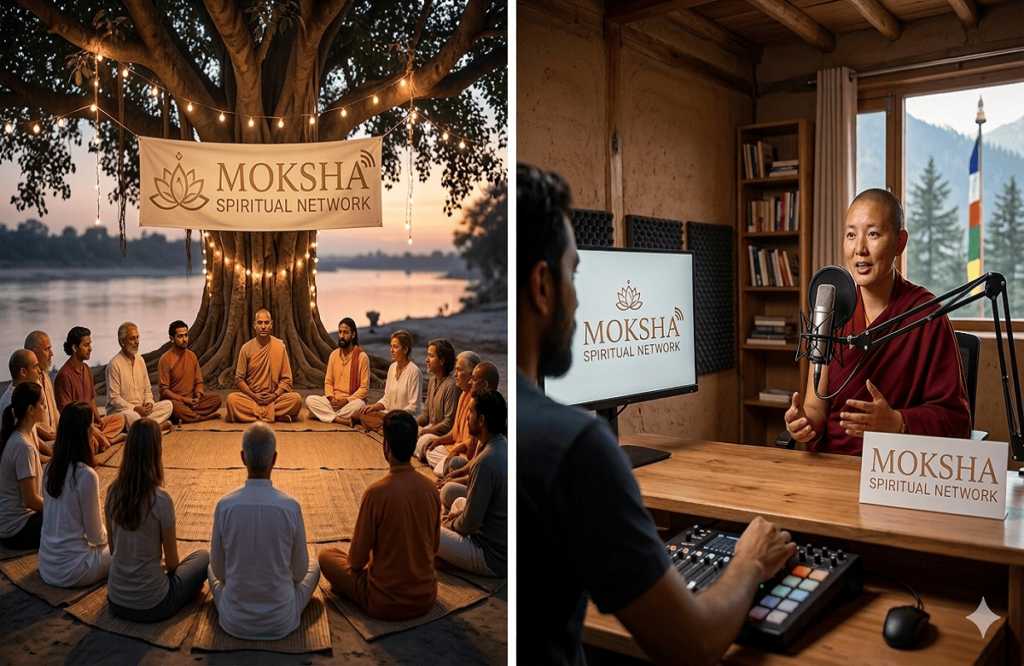
A Moksha Spiritual Network requires different types of people who contribute to its spiritual growth, organization, and community activities. First, spiritual teachers or guides play an important role. These individuals share knowledge about Moksha, meditation practices, and spiritual teachings from texts like the Bhagavad Gita and Upanishads. They guide members on how to develop inner awareness, self-discipline, and spiritual understanding.
Second, spiritual seekers or members are essential to the network. These are people who want to learn about spirituality, practice meditation, and move toward liberation from Samsara. Their participation in discussions, meditation sessions, and spiritual activities helps build a strong community where individuals support each other’s personal growth.
Third, organizers and coordinators are required to manage events, workshops, and spiritual gatherings. They handle planning, communication, and community engagement so that the network functions smoothly. In modern spiritual networks, digital managers or content creators may also be needed to run websites, social media platforms, and online meditation programs.
Additionally, volunteers and service members play an important role by helping with social service activities, charity work, and community outreach. Service is often seen as a spiritual practice because helping others develops compassion and selflessness.
WHEN IS REQUIRED MOKSHA SPIRITUAL NETWORK
A Moksha Spiritual Network is required when individuals or communities feel the need for spiritual guidance, inner peace, and a deeper understanding of life. In many spiritual traditions, the goal of life is Moksha, which means freedom from the cycle of birth and rebirth known as Samsara. A spiritual network becomes important when people are searching for meaning beyond material success and want to explore meditation, self-realization, and spiritual knowledge.
Such a network is also required during times of personal stress, confusion, or emotional difficulty. In modern society, many people experience pressure from work, studies, and daily responsibilities. A spiritual community can provide guidance, support, and practices that help individuals develop mental balance and inner strength. Through meditation sessions, discussions, and teachings from sacred texts like the Bhagavad Gita, people can learn ways to manage their thoughts and live more peacefully.
A Moksha spiritual network is also needed when there is a desire to preserve and share spiritual knowledge with future generations. Ancient spiritual teachings often require proper guidance and explanation so that people can understand them in today’s world. By creating a network of teachers, seekers, and learners, these teachings can be spread in an organized way through workshops, classes, and online platforms.
In addition, such networks become important when communities want to combine spirituality with social service. Many spiritual groups encourage members to help others through charity, counseling, or community development activities. These actions promote compassion and selfless service, which are considered important steps on the spiritual path.
WHERE IS MOKSHA SPIRITUAL NETWORK REQUIRED?
A Moksha Spiritual Network is required in places where people seek spiritual guidance, inner peace, and a deeper understanding of life. It can exist in spiritual centers, temples, meditation halls, and educational institutions where teachings about Moksha and spiritual practices are shared. Such networks help individuals learn about liberation from Samsara through meditation, study, and community support.
Moksha spiritual networks are also needed in communities and social organizations where people gather to discuss philosophy, practice mindfulness, and support each other’s spiritual development. In modern times, these networks are not limited to physical locations. They also exist on online platforms, websites, and social media groups where spiritual teachers and seekers connect, share teachings, and organize virtual meditation sessions.
Educational institutions can also benefit from Moksha spiritual networks because students often need guidance in developing emotional balance, ethical values, and self-awareness. Similarly, workplaces and community centers may host spiritual programs to help people manage stress and maintain mental well-being.
HOW IS MOKSHA SPIRITUAL NETWORK REQUIRED?
A Moksha Spiritual Network is required by creating a system that connects spiritual teachers, seekers, and communities who want to learn about spiritual growth and liberation. The process usually begins by establishing a platform or community where people can share teachings about Moksha and practices that help individuals move beyond the cycle of Samsara. This can be done through spiritual centers, meditation groups, or online platforms where members regularly meet to discuss spiritual ideas and practice meditation.
The network is developed by organizing activities such as meditation sessions, spiritual workshops, and discussions on teachings from texts like the Bhagavad Gita and the Upanishads. These activities help members understand spiritual principles and apply them in their daily lives. Communication is also important, so the network may use websites, social media, and online meetings to connect people from different places.
Another important step is encouraging participation and service. Members may volunteer in community service, charity work, or helping organize spiritual events. This builds a sense of unity and compassion within the group. Training programs or guidance from experienced spiritual teachers can also help new members learn meditation, self-discipline, and ethical living.
SOURCE : NeoYug
CASE STUDY ON MOKSHA SPIRITUAL NETWORK
A Moksha Spiritual Network is a community or organized system that helps individuals achieve spiritual growth and inner liberation. The concept is based on the idea of Moksha, which means freedom from the cycle of birth and rebirth known as Samsara. This case study explains how a spiritual network can guide people toward self-realization and emotional well-being through collective spiritual practices and community support.
In this case study, a group of individuals in a community decided to create a Moksha spiritual network to help people deal with stress, lack of purpose, and emotional imbalance. Many members were professionals, students, and homemakers who felt that modern life had become very fast-paced and materialistic. They wanted a platform where they could learn meditation, spiritual philosophy, and ways to develop inner peace. The founders of the network invited experienced spiritual teachers who could guide members through spiritual teachings and practices.
The network began by organizing weekly meditation sessions and spiritual discussions. During these sessions, members studied teachings from important spiritual texts such as the Bhagavad Gita and the Upanishads. The teachers explained concepts such as self-realization, detachment, and the importance of living a balanced life. Members were encouraged to practice meditation daily and reflect on their actions, thoughts, and emotions. Over time, participants reported feeling calmer, more focused, and more connected to their inner selves.
The Moksha spiritual network also used digital technology to expand its reach. Online meetings, recorded lectures, and social media groups allowed people from different cities to join the network. This helped the organization grow into a larger community where individuals could share experiences, ask questions, and support each other’s spiritual journey. The use of digital platforms made spiritual teachings more accessible, especially for people who could not attend physical gatherings.
Another important aspect of the network was community service. Members participated in activities such as charity work, environmental awareness programs, and helping people in need. These activities were considered part of spiritual practice because they encouraged compassion and selfless service. According to the teachings discussed in the network, serving others without expecting rewards is an important step on the path to spiritual liberation.
After one year of operation, the Moksha spiritual network showed positive results. Members reported reduced stress, better emotional control, and stronger relationships with others. Many participants also developed a deeper understanding of spiritual values such as patience, kindness, and humility. The network successfully created a supportive environment where individuals could learn and grow together.
WHITE PAPER ON MOKSHA SPIRITUAL NETWORK
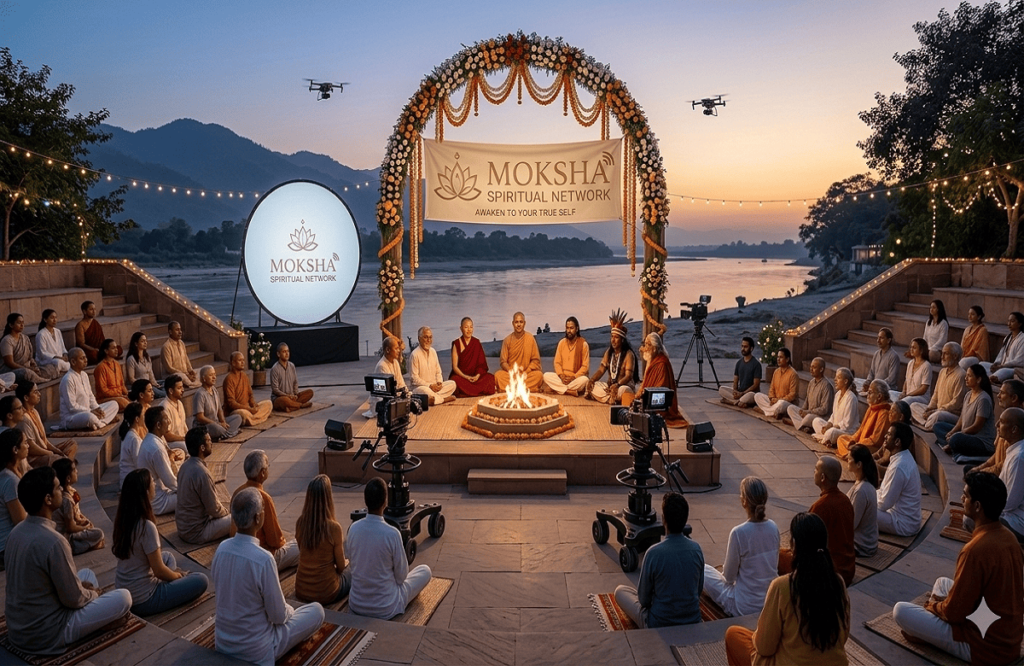
A Moksha Spiritual Network is a structured spiritual community or platform designed to help individuals achieve inner peace, self-realization, and spiritual liberation. The concept of Moksha comes from ancient Indian traditions and refers to freedom from the cycle of birth and rebirth known as Samsara. In modern society, many individuals face stress, material pressure, and emotional imbalance. A Moksha spiritual network aims to address these challenges by promoting spiritual education, meditation, and community support.
The purpose of a Moksha spiritual network is to create a connected community of spiritual seekers, teachers, and volunteers who work together to promote spiritual growth and self-awareness. These networks provide guidance through spiritual teachings, meditation practices, and discussions based on classical texts such as the Bhagavad Gita and the Upanishads. By studying these teachings, individuals learn about the nature of the self, the importance of ethical living, and the path toward spiritual liberation. The network encourages people to develop discipline, mindfulness, and compassion in their daily lives.
One of the key components of a Moksha spiritual network is spiritual education. Educational programs may include lectures, workshops, meditation training, and philosophical discussions. These activities help individuals understand spiritual principles and apply them in practical ways. Meditation and mindfulness practices are particularly important because they help people develop mental clarity, emotional balance, and deeper awareness of their thoughts and actions. Through regular practice, individuals gradually move toward a more peaceful and balanced state of mind.
Another important element of the network is community engagement. Spiritual growth often becomes more effective when people share their experiences and support each other’s progress. A Moksha spiritual network therefore organizes group meditation sessions, retreats, and discussion circles where members can learn collectively. In addition, the network may use digital platforms such as websites and social media to connect members from different locations. This allows spiritual knowledge to reach a wider audience and enables people to participate in spiritual learning regardless of their geographic location.
Service to society is also an essential part of a Moksha spiritual network. Many spiritual traditions teach that selfless service helps reduce ego and cultivate compassion. As a result, members may participate in charitable activities, environmental programs, and community development projects. These activities encourage individuals to practice kindness and responsibility toward society while continuing their spiritual journey.
The benefits of a Moksha spiritual network are both personal and social. On a personal level, participants often experience reduced stress, improved emotional well-being, and a greater sense of purpose in life. On a social level, the network promotes values such as harmony, cooperation, and respect among individuals from different backgrounds. By encouraging ethical behavior and compassion, the network contributes to a more peaceful and balanced society.
In conclusion, a Moksha spiritual network represents a modern approach to sharing ancient spiritual wisdom. By combining spiritual teachings, meditation practices, community support, and service activities, it helps individuals pursue the ultimate goal of spiritual freedom and self-realization. Such networks play an important role in helping people find meaning, peace, and balance in today’s fast-paced world.
INDUSTRY APPLICATION OF MOKSHA SPIRITUAL NETWORK
The concept of a Moksha Spiritual Network can be applied in different industries to promote mental well-being, ethical values, and personal development. The idea is inspired by the spiritual goal of Moksha, which focuses on inner peace, self-realization, and freedom from the cycle of Samsara. In modern industries, this concept is adapted to support employee wellness, leadership development, and ethical decision-making.
One important industry application is in the corporate sector. Many organizations face challenges such as employee stress, burnout, and lack of work-life balance. By introducing spiritual practices like meditation, mindfulness sessions, and value-based leadership training, companies can create a healthier work environment. A Moksha spiritual network within a company may include regular meditation sessions, workshops on self-awareness, and discussions on personal growth. These programs help employees improve focus, reduce stress, and increase productivity while maintaining emotional balance.
Another major application is in the healthcare industry. Doctors, nurses, and healthcare professionals often work in high-pressure environments. A Moksha spiritual network can provide them with techniques such as meditation, breathing exercises, and mindfulness practices to manage stress and maintain mental clarity. Hospitals and wellness centers may integrate spiritual counseling and meditation programs for both staff and patients. These practices can support emotional healing and improve overall well-being.
The education sector is another area where Moksha spiritual networks can be applied effectively. Schools and universities can introduce spiritual learning programs that focus on character development, ethical values, and emotional intelligence. Students can learn meditation and self-reflection practices that help them manage academic pressure and develop concentration. Teachings from texts like the Bhagavad Gita and the Upanishads can be used to teach philosophical ideas about self-discipline, responsibility, and purpose in life.
The wellness and tourism industry also benefits from the concept of Moksha spiritual networks. Many wellness retreats and meditation centers organize programs that focus on spiritual healing, yoga, and mindfulness. These retreats attract people who want to disconnect from stressful routines and reconnect with their inner selves. Spiritual tourism, especially in countries with strong spiritual traditions, has become a growing industry that promotes both personal well-being and cultural awareness.
In addition, the technology and digital industry has started incorporating spiritual networks through online platforms and mobile applications. Digital meditation platforms, online spiritual communities, and virtual workshops allow people from different parts of the world to participate in spiritual practices and learning. This helps spread spiritual knowledge and makes it accessible to a global audience.
In conclusion, the concept of a Moksha spiritual network has practical applications across multiple industries, including corporate workplaces, healthcare institutions, educational organizations, wellness tourism, and digital platforms. By integrating spiritual principles with modern professional environments, these networks help individuals achieve mental clarity, emotional stability, and ethical awareness, ultimately contributing to healthier individuals and more balanced organizations.
Table of Contents
ASK FAQ
1.What is a Moksha Spiritual Network?
A Moksha Spiritual Network is a community or platform that connects spiritual seekers, teachers, and organizations to promote spiritual growth, meditation, and self-realization. It is inspired by the concept of Moksha, which refers to liberation from the cycle of birth and rebirth known as Samsara. The network provides guidance through meditation sessions, spiritual teachings, and community discussions to help individuals achieve inner peace and spiritual awareness.
2.Why is a Moksha Spiritual Network important?
A Moksha spiritual network is important because it helps individuals find meaning, balance, and peace in their lives. In today’s fast-paced world, many people experience stress and confusion about life’s purpose. Through meditation, spiritual learning, and support from experienced teachers, individuals can develop emotional stability, mindfulness, and a deeper understanding of life and spirituality.
3.How does a Moksha Spiritual Network work?
A Moksha spiritual network works by connecting people through spiritual programs such as meditation sessions, workshops, spiritual discussions, and online learning platforms. Members participate in activities that teach mindfulness, self-discipline, and compassion. The network may also include digital communities where people can share experiences and learn spiritual teachings from texts like the Bhagavad Gita.
4.Who can join a Moksha Spiritual Network?
Anyone interested in spirituality, personal growth, and inner peace can join a Moksha spiritual network. It is open to students, professionals, teachers, and individuals seeking emotional balance and spiritual knowledge. People from different backgrounds can participate in meditation, learning programs, and community service activities within the network.
5.What are the benefits of joining a Moksha Spiritual Network?
Joining a Moksha spiritual network provides many benefits such as reduced stress, improved mental clarity, stronger emotional control, and a deeper sense of purpose. Members learn meditation techniques, ethical values, and spiritual wisdom that help them live a more peaceful and balanced life while progressing toward spiritual liberation.