The Mewar Kingdom, located in the present-day Rajasthan region of India, is renowned for its rich history, valor, and cultural heritage. Among its notable rulers, Bappa Rawal is remembered as the legendary founder of the Mewar dynasty. He established a strong kingdom during the 8th century and laid the foundation of Mewar’s enduring legacy of bravery and administration. His leadership and strategic vision made Mewar one of the most respected kingdoms in medieval India.
Centuries later, Maharana Pratap, another illustrious ruler of Mewar, became a symbol of resistance against the Mughal Empire. His commitment to independence and his courage on the battlefield especially during the Battle of Haldighati in 1576, have inspired generations. Maharana Pratap’s life emphasizes principles of honor, patriotism, and unwavering dedication to one’s land.
Today, the stories of Bappa Rawal and Maharana Pratap serve as important educational material for students and history enthusiasts. They illustrate the rich cultural, political, and military traditions of the Mewar Kingdom. Learning about Mewar not only highlights India’s historical resilience but also inspires values of leadership, strategy, and courage in contemporary times.
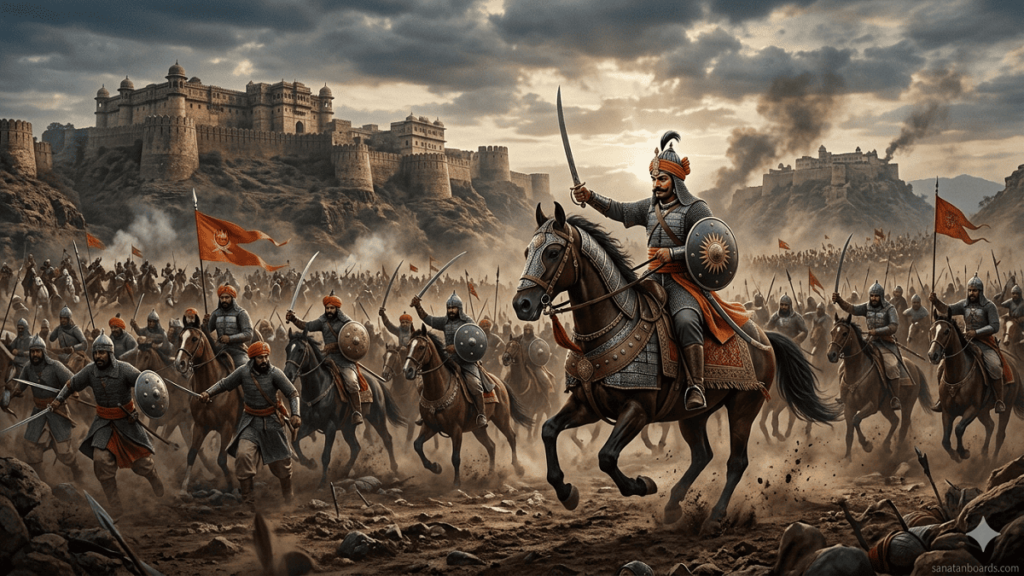
What Is Mewar Kingdom – Bappa Rawal, Maharana Pratap
The Mewar Kingdom – Bappa Rawal, Maharana Pratap represents one of the most significant chapters in Indian history, highlighting the valor, resilience, and sovereignty of the Rajput rulers of Rajasthan. The Mewar Kingdom, located in present-day southern Rajasthan, was a powerful Rajput principality with a rich tradition of defense, culture, and governance. Its rulers were known not only for their political acumen but also for their unwavering commitment to independence and justice.
Bappa Rawal, considered the founder of the Mewar dynasty in the 8th century, is celebrated for consolidating territories and establishing a strong Rajput kingdom. His strategic vision and military prowess laid the foundation for centuries of Mewar dominance in the region. Bappa Rawal’s reign marked the beginning of Mewar as a symbol of Rajput pride, emphasizing unity, defense, and governance based on local traditions.
Several centuries later, Maharana Pratap became the emblem of Mewar’s indomitable spirit. Born in 1540, he is renowned for resisting the expansion of the Mughal Empire under Akbar. Maharana Pratap’s leadership during the Battle of Haldighati in 1576 exemplifies his dedication to sovereignty, courage, and ethical conduct on the battlefield. Despite facing enormous challenges, he never surrendered, preserving the autonomy of Mewar and inspiring generations with his tenacity.
The combination of Bappa Rawal’s foundation and Maharana Pratap’s valor makes the Mewar Kingdom a study of enduring leadership, strategic resilience, and cultural pride. Today, the kingdom stands as a symbol of India’s historical fight for freedom and the moral and ethical principles of its rulers. Studying this kingdom provides deep insight into Rajput history, medieval warfare, administration, and the cultural values that shaped one of India’s most respected dynasties.
Who Is Required Mewar Kingdom – Bappa Rawal, Maharana Pratap ?
Bappa Rawal, the legendary founder of the Mewar dynasty, is required in the historical narrative because he laid the groundwork for Mewar’s identity. Born into a period of political turmoil, Bappa Rawal unified several smaller principalities, establishing a strong and independent Rajput kingdom in the 8th century. He is revered not only as a founder but also as a visionary leader who organized a system of governance, military defense, and cultural patronage. Without Bappa Rawal, Mewar’s historical and cultural identity might never have developed into the symbol of Rajput valor it became.
Centuries later, Maharana Pratap is required as the ultimate emblem of Mewar’s resistance and moral fortitude. Maharana Pratap’s leadership is essential to understanding the kingdom’s history because he represents the kingdom’s struggle against the Mughal Empire. Born in 1540, Maharana Pratap fought valiantly to preserve Mewar’s autonomy and independence. His refusal to submit to Akbar and his perseverance during the Battle of Haldighati illustrate the kingdom’s commitment to sovereignty and honor. Maharana Pratap is required in historical discourse not just as a warrior but as a moral and ethical leader whose decisions were guided by principles of justice, loyalty, and courage.
Historians, educators, and students studying MEWAR KINGDOM – BAPPA RAWAL, MAHARANA PRATAP require knowledge of these figures to understand the evolution of political power, warfare strategies, and the cultural ethos of Rajputana. Their stories are integral for learning about leadership, ethics, and resilience in medieval India.
When Mewar Kingdom – Bappa Rawal, Maharana Pratap Is Required ?
The MEWAR KINGDOM – BAPPA RAWAL, MAHARANA PRATAP is required in historical studies, cultural education, and leadership discussions whenever the focus is on the evolution of Rajput kingdoms, valorous leadership, or resistance against foreign domination. Understanding the kingdom is essential when studying medieval Indian history, particularly between the 8th century and 16th century, covering the period from Bappa Rawal’s founding of the kingdom to Maharana Pratap’s battles for independence.
The kingdom is required when analyzing the foundations of Rajput political systems. Bappa Rawal’s leadership established administrative practices, military strategies, and alliances that set the tone for subsequent rulers. Scholars and students require this knowledge when examining how regional kingdoms maintained autonomy amid larger empires and political upheavals.
Similarly, Maharana Pratap’s role makes the kingdom required when discussing resistance against imperial forces. The Battle of Haldighati in 1576 is a landmark event in Indian history and is studied whenever the principles of courage, ethics, and strategy are analyzed. The kingdom’s history is also required when exploring cultural and social development, including temple architecture, patronage of arts, and Rajput traditions, which flourished under successive rulers of Mewar.
Furthermore, the Mewar Kingdom is required for leadership studies and ethical decision-making. Maharana Pratap’s choices demonstrate unwavering commitment to principles over personal gain, making the kingdom relevant when discussing leadership in education, military strategy, and governance.
Finally, the kingdom is required when commemorating Indian heritage and inspiring national pride. Festivals, museums, educational curricula, and history textbooks all include Mewar to ensure that generations understand the significance of resilience, independence, and cultural identity.
Where Mewar Kingdom – Bappa Rawal, Maharana Pratap Is Required ?
The MEWAR KINGDOM – BAPPA RAWAL, MAHARANA PRATAP is required primarily in the region of present-day Rajasthan, India, especially in districts like Udaipur, Chittorgarh, and surrounding areas. Chittorgarh Fort, the historic capital of Mewar, is where many of the kingdom’s key events occurred, including Bappa Rawal’s consolidation of power and Maharana Pratap’s defense strategies.
The kingdom is also required in educational institutions across India, from schools to universities, whenever Indian medieval history is taught. Students and researchers require knowledge of Mewar to understand Rajputana’s political, cultural, and military significance. History textbooks, museums, and documentaries often focus on the kingdom to illustrate the valor of its rulers and the cultural heritage of Rajasthan.
Moreover, the kingdom is required in historical research centers, archives, and libraries worldwide. Scholars studying Rajput dynasties, medieval Indian warfare, or resistance against Mughal expansion need Mewar as a case study. Heritage tourism and cultural preservation programs in Rajasthan also require the kingdom, as forts, palaces, and temples associated with Bappa Rawal and Maharana Pratap attract global attention.
Additionally, the kingdom is required in cultural and patriotic events, both in India and abroad. Commemorations of Maharana Pratap’s legacy, exhibitions, and history conferences all highlight Mewar to inspire leadership, courage, and resilience.
How Mewar Kingdom – Bappa Rawal, Maharana Pratap Is Required ?
The MEWAR KINGDOM – BAPPA RAWAL, MAHARANA PRATAP is required as a source of historical insight, cultural education, and leadership inspiration. Understanding how the kingdom functioned helps researchers, students, and historians analyze the administration, military organization, and social structures of medieval India.
Bappa Rawal is required as a model of statecraft and consolidation, showing how small principalities can unite to form a strong kingdom. Studying his strategies reveals insights into governance, diplomacy, and resource management. Maharana Pratap is required as a symbol of resistance and ethical leadership, demonstrating how moral courage and determination can preserve sovereignty against overwhelming odds.
The kingdom is required as a teaching tool, illustrating the role of bravery, honor, and ethics in leadership. Schools, colleges, and cultural institutions use its history to impart lessons in decision-making, loyalty, and long-term strategy. It is also required for historical preservation, where forts, palaces, and monuments of Mewar provide tangible examples of architecture, culture, and heritage.
Furthermore, Mewar is required in national and global discourse about freedom struggles and resistance to foreign domination. The stories of Bappa Rawal and Maharana Pratap continue to inspire not only historical understanding but also leadership programs, motivational talks, and educational literature.
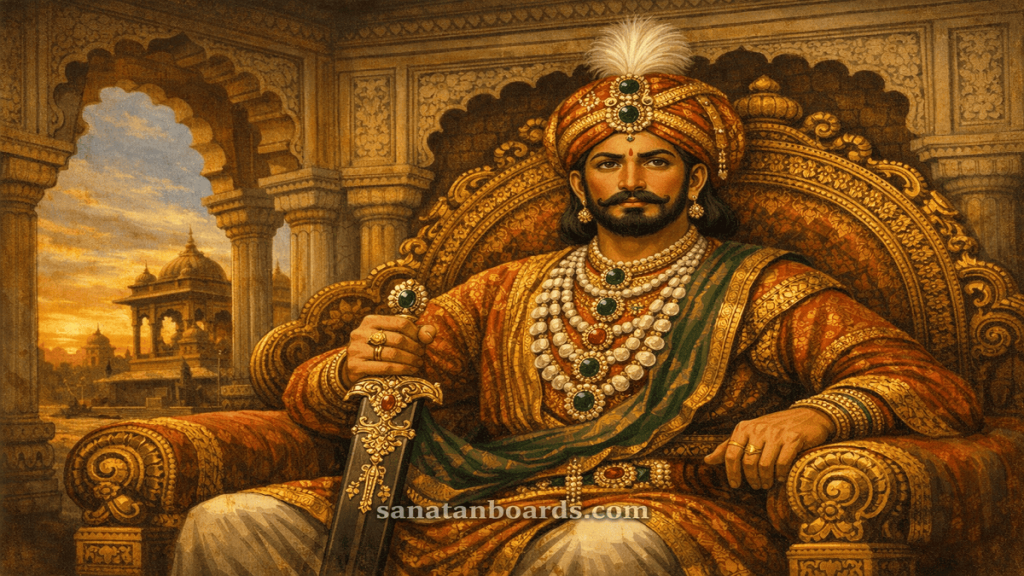
Case Study On Mewar Kingdom – Bappa Rawal, Maharana Pratap
Introduction
The Mewar Kingdom – Bappa Rawal, Maharana Pratap is one of the most studied examples of resilience, strategic leadership, and cultural preservation in Indian history. The kingdom, located in present-day southern Rajasthan, flourished under Rajput rulers who prioritized sovereignty, honor, and justice. This case study analyzes the historical, political, and cultural dimensions of Mewar under two of its most influential figures: Bappa Rawal, the founder of the dynasty, and Maharana Pratap, the legendary warrior-king.
Historical Background
Bappa Rawal, who ruled during the 8th century, established the Mewar Kingdom during a period of regional instability in Rajputana. He unified scattered principalities and fortified Mewar against invasions from neighboring kingdoms. His governance combined military strategy with administrative efficiency, establishing a strong foundation for the future rulers. Under his leadership, Mewar became a symbol of Rajput pride, emphasizing unity, honor, and loyalty.
Centuries later, Maharana Pratap (1540–1597) emerged as the most iconic ruler of Mewar. Born into a period of Mughal expansion under Emperor Akbar, Maharana Pratap refused to submit to Mughal authority, leading to a historic struggle for independence. His determination to protect Mewar’s sovereignty culminated in the famous Battle of Haldighati in 1576. Despite facing a larger and better-equipped Mughal army, Maharana Pratap’s guerrilla tactics and local support allowed him to preserve the kingdom’s autonomy.
Political Significance
Mewar under Bappa Rawal demonstrated the importance of consolidation and state-building in medieval India. By unifying smaller territories and establishing strong governance structures, Bappa Rawal ensured stability and continuity. His policies included a structured military, revenue collection, and promotion of local culture, which strengthened the kingdom’s identity.
Maharana Pratap’s rule highlighted the principles of resistance and ethical leadership. Politically, his refusal to negotiate with the Mughals reinforced the idea of independence as a central value. The kingdom’s survival under such circumstances demonstrates how strategy, resilience, and popular support are critical in maintaining sovereignty.
Military Strategy
Bappa Rawal’s military innovations focused on defense and fortification. Chittorgarh Fort, associated with his dynasty, became a strategic stronghold against invasions. Maharana Pratap, on the other hand, is famous for his guerrilla warfare tactics, using the difficult terrain of Mewar to his advantage. His disciplined army, local alliances, and knowledge of geography allowed him to sustain resistance even against numerically superior forces.
Cultural and Social Impact
Both rulers contributed significantly to the cultural legacy of Mewar. Bappa Rawal patronized temples, arts, and festivals, promoting Rajput traditions. Maharana Pratap, despite military preoccupations, maintained cultural values and encouraged local artisans and scholars. The Mewar Kingdom thus became a center of cultural richness alongside its political and military achievements.
Lessons Learned
The case study of Mewar Kingdom – Bappa Rawal, Maharana Pratap provides multiple lessons:
- Strategic Leadership – Long-term vision is critical for kingdom building and survival.
- Ethical Governance – Commitment to principles strengthens legitimacy and public support.
- Resilience – Adapting strategies to terrain, resources, and circumstances ensures continuity.
- Cultural Preservation – Balancing military, administrative, and cultural priorities sustains identity.
Conclusion
The Mewar Kingdom under Bappa Rawal and Maharana Pratap remains a model of valor, strategic leadership, and cultural pride. Studying this #mewadkingdombapparawal kingdom offers insights into medieval Indian politics, military strategy, and ethical governance, making it a timeless case study for historians, students, and leadership scholars alike.
White Paper On Mewar Kingdom – Bappa Rawal, Maharana Pratap
Executive Summary
The Mewar Kingdom – Bappa Rawal, Maharana Pratap exemplifies enduring leadership, political resilience, and cultural heritage. This white paper analyzes the historical foundations, governance systems, military strategies, and cultural impact of the kingdom, with a focus on its two most prominent figures: Bappa Rawal, founder of the dynasty, and Maharana Pratap, the warrior-king who resisted Mughal expansion.
Background
Founded in the 8th century, the Mewar Kingdom emerged as a strong Rajput principality in southern Rajasthan. Bappa Rawal consolidated territories, established administrative structures, and fortified the kingdom against external threats. His reign provided political stability and laid the foundation for centuries of Rajput dominance.
Maharana Pratap, born in 1540, became synonymous with resistance and valor. He faced immense challenges from the Mughal Empire but maintained the independence and cultural identity of Mewar through strategic military operations and local alliances.
Governance and Administration
Bappa Rawal implemented structured governance, combining military organization with civil administration. Revenue systems, land management, and local governance allowed the kingdom to flourish economically and socially. Maharana Pratap, while focused on defense, maintained administrative continuity and upheld ethical governance principles. This balance ensured the kingdom’s resilience in times of external threats.
Military Innovations
The Mewar Kingdom demonstrates two distinct military approaches:
- Bappa Rawal: Fortification, strong army units, and strategic consolidation.
- Maharana Pratap: Guerrilla warfare, terrain advantage, intelligence networks, and decentralized operations.
These strategies highlight adaptability and long-term planning in warfare and territorial defense.
Cultural Contributions
The Mewar Kingdom became a cultural hub under both rulers. Temples, festivals, and art flourished, reflecting the synthesis of religious devotion and cultural pride. Maharana Pratap’s emphasis on cultural preservation during wartime demonstrates the integration of military and social responsibilities.
Strategic Insights
- Foundational Leadership: Building strong institutions ensures continuity.
- Resistance Strategies: Ethical decision-making and local support can overcome superior forces.
- Cultural Integration: Preserving culture enhances legitimacy and identity.
- Legacy Planning: Documenting and sustaining achievements ensures historical influence.
Policy Recommendations
For modern leaders, the Mewar model offers lessons in:
- Ethical decision-making
- Strategic planning under resource constraints
- Balancing defense with cultural preservation
- Inspiring loyalty through principled leadership
Conclusion
The white paper underscores that the Mewar Kingdom – Bappa Rawal, Maharana Pratap offers a blueprint for leadership, resilience, and cultural #mewadkingdommaharanapratap sustainability. Its study is relevant for historians, policymakers, educators, and leadership practitioners worldwide.
Industry Application On Mewar Kingdom – Bappa Rawal, Maharana Pratap
Introduction
The MEWAR KINGDOM – BAPPA RAWAL, MAHARANA PRATAP is not just historical; its principles of leadership, strategy, and resilience have relevance across modern industries. Businesses, educational institutions, defense studies, and cultural sectors can draw lessons from the governance, military tactics, and ethical leadership demonstrated by the Mewar rulers.
Leadership in Business
Bappa Rawal’s foundational strategies emphasize organizational structure, consolidation, and strategic planning—critical lessons for modern corporate leadership. Maharana Pratap’s ethical decision-making and perseverance against larger opponents inspire executives to balance principle with pragmatism in competitive markets.
Strategy and Risk Management
Mewar’s military approaches provide analogies for risk management:
- Fortification and preparation (Bappa Rawal) = Business contingency planning
- Guerrilla tactics and adaptability (Maharana Pratap) = Agile response to market disruptions
Companies can adopt these principles to manage crises, resource constraints, and competitive threats.
Education and Training
Institutions teaching leadership, ethics, and history use the kingdom as a case study. Training programs for military officers, managers, and students emphasize resilience, ethical leadership, and strategic thinking inspired by Mewar.
Cultural Industries
Tourism, heritage conservation, and media industries benefit from Mewar’s legacy. Forts, palaces, and stories of valor attract visitors and content creators, contributing to economic and cultural sectors.
Governance and Public Policy
Modern governance can learn from Mewar’s administration. Structured revenue systems, community involvement, and decentralized decision-making provide insights for local governance, public administration, and civic planning.
Innovation and Adaptation
Maharana Pratap’s use of terrain and unconventional tactics illustrates innovation under constraints. Industries facing technological or competitive disruption can emulate such approaches for creative problem-solving.
Conclusion
The MEWAR KINGDOM – BAPPA RAWAL, MAHARANA PRATAP offers #sanatandharmaaccreditationboardsinmumbai Lessons across leadership, strategy, culture, and innovation. Its historical significance translates into practical #sanatandharmaaccreditationboardsinmewad applications for business, education, defense, and cultural industries worldwide.
source : Gaurav Thakur
ASK FAQ
Who founded the Mewar Kingdom?
Bappa Rawal founded the Mewar Kingdom in the 8th century, unifying scattered principalities and establishing a strong Rajput dynasty in present-day Rajasthan.
Who was Maharana Pratap?
Maharana Pratap was a legendary ruler of Mewar known for resisting the Mughal Empire and defending the kingdom’s independence in the 16th century.
What is the significance of the Mewar Kingdom?
The Mewar Kingdom represents Rajput valor, strategic leadership, cultural preservation, and resistance against foreign domination in medieval India.
Where is the Mewar Kingdom located?
The historic Mewar Kingdom is located in southern Rajasthan, India, with key sites like Chittorgarh Fort and Udaipur.
Why is the Mewar Kingdom important in Indian history?
It symbolizes courage, ethical leadership, and the preservation of sovereignty, inspiring generations with the legacy of Bappa Rawal and Maharana Pratap.
Table of Contents
Disclaimer
The content provided on MEWAR KINGDOM – BAPPA RAWAL, MAHARANA PRATAP is intended solely for educational and informational purposes. It is based on historical records and widely accepted sources, but interpretations may vary among scholars. This material should not be considered as professional advice or a definitive historical account. Readers are encouraged to cross-reference with credible sources for research or academic work. All references to events, dates, and figures aim to provide general knowledge and insight into the cultural, political, and military significance of the Mewar Kingdom. This content is not intended for commercial or promotional use.