Mahakaleshwar, located in the historic city of Ujjain in Madhya Pradesh, is one of the most revered and sacred pilgrimage sites in India. It is dedicated to Lord Shiva and is counted among the twelve Jyotirlingas, which are considered the holiest abodes of Shiva. The temple holds immense spiritual significance and attracts millions of devotees from across the country and beyond. Its unique feature lies in the south-facing idol of Lord Shiva, which is rare and holds deep tantric importance.
The temple is situated on the banks of the sacred Shipra River, adding to its spiritual aura. Ujjain itself is an ancient city with roots tracing back thousands of years, making it a center of religion, culture, and learning. The Mahakaleshwar Temple is not just a place of worship but also a symbol of India’s rich heritage and architectural brilliance.
One of the most distinctive rituals performed here is the Bhasma Aarti, conducted early in the morning using sacred ash. This ritual draws large crowds and reflects deep-rooted traditions that have been preserved over centuries. The temple’s spiritual environment offers a sense of peace, devotion, and connection with the divine.
Mahakaleshwar represents the concept of time and eternity, as “Mahakal” translates to the Lord of Time. Devotees believe that worshipping here grants liberation from the cycle of birth and death. This makes the temple not only a place of religious importance but also a destination for spiritual awakening and self-realization.
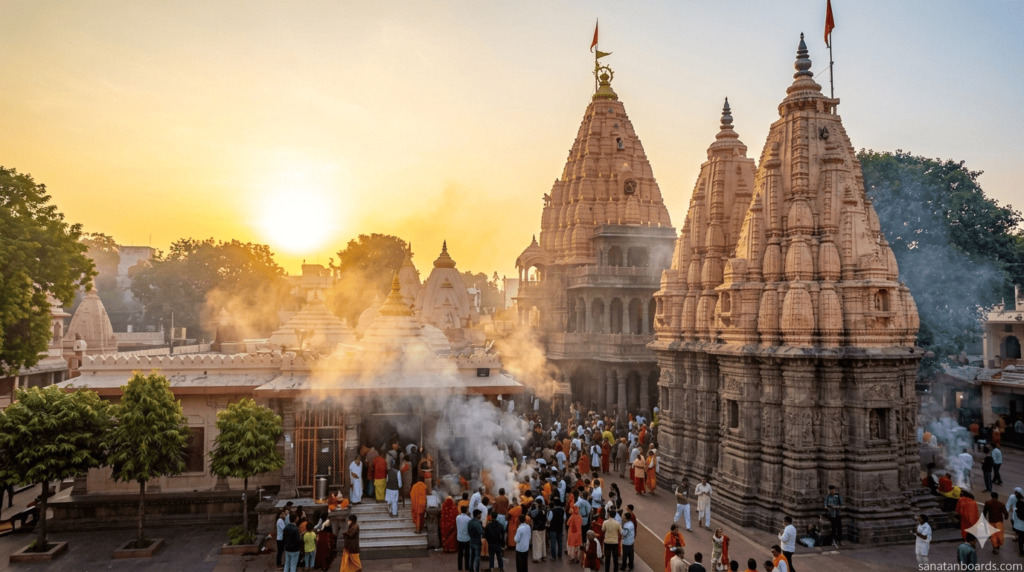
What Is Mahakaleshwar (Madhya Pradesh) ?
Mahakaleshwar is a prominent Hindu temple dedicated to Lord Shiva, located in Ujjain, Madhya Pradesh. It is one of the twelve Jyotirlingas, which are considered self-manifested forms of Shiva. These Jyotirlingas are highly revered and hold a special place in Hindu beliefs, representing the infinite nature of the divine.
The Mahakaleshwar Temple stands out due to its unique structure and religious practices. Unlike most Shiva temples where the idol faces east, the Mahakaleshwar Jyotirlinga faces south. This distinctive orientation is associated with the concept of death and time, reinforcing Shiva’s role as Mahakal, the ultimate controller of time.
The temple has multiple levels, with the main Jyotirlinga located in the underground sanctum. This design enhances the mystical and sacred atmosphere within the temple. The structure reflects traditional Indian temple architecture, with intricate carvings and spiritual symbolism embedded in its design.
Mahakaleshwar is not just a physical structure but a spiritual entity that represents cosmic power and eternal existence. Devotees visit the temple to seek blessings for health, prosperity, and liberation. It is believed that offering prayers here helps in overcoming fears, especially the fear of death.
The temple also plays a central role in major Hindu festivals, particularly Mahashivratri, when thousands of devotees gather to celebrate with devotion and rituals. The continuous flow of pilgrims highlights the temple’s importance as a spiritual hub.
Who Is Required Mahakaleshwar (Madhya Pradesh) ?
Mahakaleshwar is significant for a wide range of individuals, particularly those seeking spiritual growth, inner peace, and divine blessings. Devotees of Lord Shiva are naturally drawn to this sacred site, as it is one of the most important places associated with the deity. People who follow Shaivism consider visiting Mahakaleshwar as a vital part of their spiritual journey.
Individuals facing challenges in life often turn to Mahakaleshwar for guidance and strength. It is believed that worshipping here helps remove obstacles, reduce negative influences, and bring stability. Those experiencing stress, fear, or uncertainty may find comfort and reassurance through prayers and rituals performed at the temple.
Pilgrims seeking liberation, or moksha, are especially connected to Mahakaleshwar. The temple symbolizes the transcendence of time and the cycle of life and death, making it a significant destination for those pursuing spiritual enlightenment. Many elderly devotees visit the temple with the hope of attaining peace and fulfillment in their later years.
Students and seekers of knowledge are also drawn to Ujjain, as the city has historically been a center of learning and wisdom. Visiting Mahakaleshwar is seen as a way to gain clarity and focus.
Tourists and cultural enthusiasts find value in the temple as well. Its historical background, architectural design, and traditional rituals provide insight into India’s rich cultural heritage.
Thus, Mahakaleshwar is not limited to a specific group but is meaningful for anyone seeking spiritual connection, cultural understanding, or personal transformation.
When Mahakaleshwar (Madhya Pradesh) Required ?
Mahakaleshwar becomes particularly important during specific times in a person’s life and certain occasions throughout the year. Spiritually, individuals often feel the need to visit the temple during periods of uncertainty, transition, or emotional distress. These moments may include personal challenges, major life decisions, or phases of transformation where guidance and clarity are sought.
Religious festivals mark significant periods when Mahakaleshwar is especially important. Mahashivratri is the most prominent occasion, celebrated with great devotion and grandeur. During this time, devotees gather in large numbers to offer prayers, participate in rituals, and seek blessings from Lord Shiva. The temple remains active with continuous chanting, ceremonies, and spiritual activities.
The holy month of Shravan is another important period when the temple sees increased footfall. Devotees observe fasts, perform rituals, and visit the temple regularly throughout the month. Mondays during Shravan hold special significance, as they are considered highly auspicious for worshipping Lord Shiva.
Certain astrological timings also influence visits to Mahakaleshwar. People often choose to visit during favorable planetary alignments or after consulting religious guides. These visits are believed to enhance the effectiveness of prayers and rituals.
The temple is also significant during personal milestones such as the beginning of new ventures, marriages, or important ceremonies. Devotees visit to seek blessings for success, harmony, and prosperity.
Daily rituals, especially the early morning Bhasma Aarti, attract those who wish to experience the temple’s unique spiritual energy. Attending this ritual is considered highly auspicious and is often planned well in advance.
Where Mahakaleshwar (Madhya Pradesh) Required ?
Mahakaleshwar is located in Ujjain, a city in the state of Madhya Pradesh, India. Ujjain is one of the oldest cities in the country and holds immense historical, cultural, and religious importance. The temple is situated near the banks of the Shipra River, which further enhances its spiritual significance.
The location of Mahakaleshwar plays a crucial role in its importance. Ujjain is one of the seven sacred cities in Hindu tradition, believed to provide liberation to those who visit. This makes the presence of Mahakaleshwar in this city even more meaningful.
The temple is easily accessible from major cities in India through road, rail, and air. Its central location makes it a convenient destination for pilgrims traveling from different parts of the country. The surrounding area is well-developed, with facilities for accommodation, transportation, and other necessities for visitors.
Within the temple complex, the Jyotirlinga is located in the underground sanctum, creating a unique spiritual atmosphere. The structure of the temple, combined with its geographical setting, contributes to its powerful energy and significance.
Mahakaleshwar is not just required in a physical sense but also holds a symbolic presence in spiritual practices across India. Many devotees worship the deity from their homes, connecting with the temple through faith and devotion.
The temple’s location in Ujjain also aligns with its historical role as a center of astronomy, education, and culture. This adds another layer of importance, making it a place where spirituality and knowledge intersect.
Overall, Mahakaleshwar is required both as a physical destination in Ujjain and as a spiritual concept that transcends geographical boundaries.
How Mahakaleshwar (Madhya Pradesh) Required ?
Mahakaleshwar is required in a spiritual, cultural, and personal sense through various practices and beliefs. Devotees connect with the temple through rituals, prayers, and visits, each serving a different purpose in their spiritual journey.
The most direct way in which Mahakaleshwar is required is through pilgrimage. Visiting the temple allows individuals to experience its sacred atmosphere, participate in rituals, and seek blessings. The act of traveling to the temple itself is considered a form of devotion and commitment.
Rituals play a significant role in connecting with Mahakaleshwar. The Bhasma Aarti, Abhishek, and other ceremonies are performed with deep reverence. These rituals symbolize purification, surrender, and the acceptance of life’s transient nature.
Prayer and meditation are also important aspects. Devotees chant mantras, offer flowers, and perform spiritual practices to strengthen their connection with the divine. These practices help in achieving mental peace and emotional balance.
Mahakaleshwar is also required as a source of inspiration and guidance. The teachings associated with Lord Shiva encourage detachment, self-discipline, and inner strength. These values are applied in daily life, helping individuals navigate challenges and maintain balance.
In a broader sense, the temple contributes to cultural preservation. Festivals, traditions and rituals associated with Mahakaleshwar keep ancient practices alive and pass them on to future generations.
Thus, Mahakaleshwar is required not only through physical visits but also through continuous spiritual engagement, cultural participation, and personal reflection.
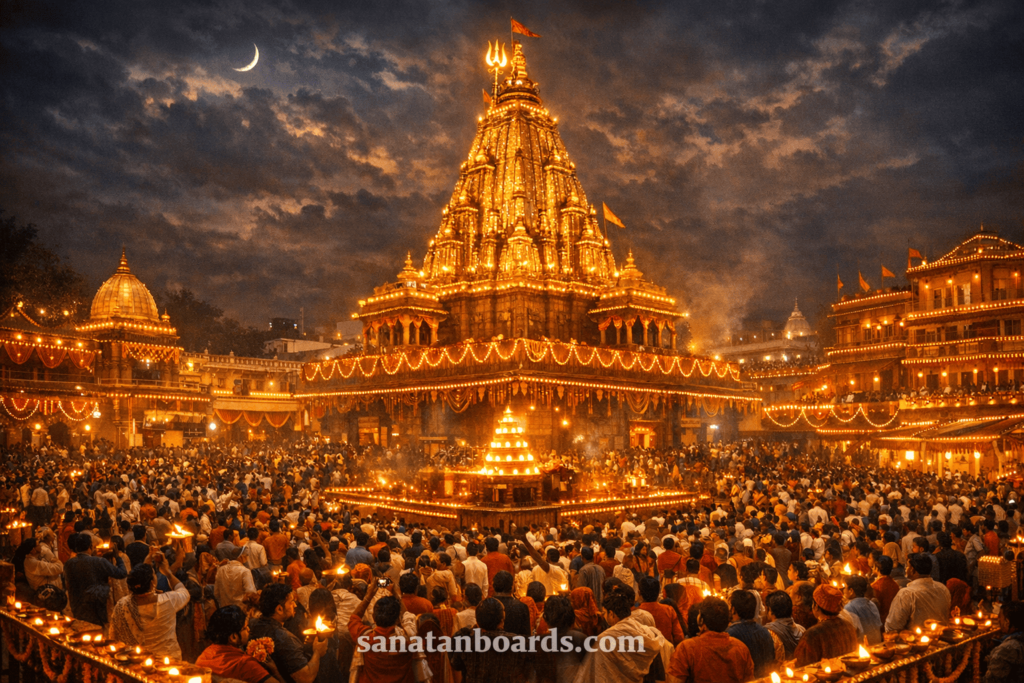
Case Study On Mahakaleshwar (Madhya Pradesh)
Mahakaleshwar Temple serves as an important case study in understanding the intersection of religion, culture, economy, and tourism in India. Located in Ujjain, the temple attracts millions of visitors annually, making it a key contributor to the local economy.
From a religious perspective, the temple functions as a major pilgrimage center. Devotees from different regions visit throughout the year, with peak seasons during festivals such as Mahashivratri and Shravan. The consistent flow of pilgrims demonstrates the temple’s enduring relevance and significance.
Economically, the temple supports a wide range of activities. Local businesses, including hotels, restaurants, shops, and transportation services, benefit from the influx of visitors. This creates employment opportunities and contributes to regional development. The temple’s influence extends beyond spirituality, impacting livelihoods and infrastructure growth.
Culturally, Mahakaleshwar plays a vital role in preserving traditions. Rituals like the Bhasma Aarti have been practiced for centuries, maintaining continuity in religious customs. Festivals celebrated at the temple showcase traditional music, dance, and art forms, reinforcing cultural identity.
From a management perspective, handling large crowds is a significant challenge. Authorities have implemented systems for crowd control, security, and facility management to ensure a smooth experience for visitors. Technological advancements, such as online booking for rituals, have improved accessibility and efficiency.
Environmental considerations are also important. The increased number of visitors puts pressure on local resources and infrastructure. Efforts are being made to maintain cleanliness, manage waste, and protect the surrounding environment.
The temple’s role in tourism is another key aspect. It attracts not only religious pilgrims but also tourists interested in history and architecture. This dual appeal enhances its importance as a destination.
In conclusion, Mahakaleshwar serves as a #mahakaleshwarmadhyapradesh comprehensive example of how a धार्मिक site can influence multiple aspects of society, including economy, culture, and infrastructure.
White Paper On Mahakaleshwar (Madhya Pradesh)
Mahakaleshwar Temple represents a significant institution in the context of religious infrastructure, cultural heritage, and regional development. This white paper explores its role, impact, and future considerations.
The temple operates as a major धार्मिक केंद्र, attracting a diverse group of visitors. Its status as a Jyotirlinga places it among the most important pilgrimage sites in India. This recognition ensures a steady flow of devotees and contributes to its national and international visibility.
Infrastructure development around the temple has seen considerable growth. Roads, transportation systems, and accommodation facilities have been expanded to support the increasing number of visitors. Government initiatives have played a role in enhancing these facilities, ensuring better connectivity and accessibility.
The economic impact of the temple is substantial. Revenue generated through tourism, donations, and associated activities supports local businesses and contributes to the state’s economy. The temple acts as a catalyst for economic growth in the region.
Cultural preservation is another critical aspect. The temple maintains traditional practices, rituals, and festivals, ensuring that cultural heritage is passed down through generations. This preservation strengthens community identity and continuity.
However, challenges remain. Managing large crowds, maintaining infrastructure, and ensuring environmental sustainability are ongoing concerns. Effective planning and resource management are essential to address these issues.
Technological integration offers opportunities for improvement. Digital platforms for booking, information dissemination, and crowd management can enhance efficiency. These tools can also improve the overall visitor experience.
Future strategies should focus on sustainable development, balancing religious significance with environmental and infrastructural needs. #Sanatanboardsinvasai Collaboration between government bodies, temple authorities, and local communities is essential for long-term success.
Industry Application Of Mahakaleshwar (Madhya Pradesh)
The Mahakaleshwar Temple, located in Ujjain, plays a significant role across multiple industries due to its status as one of the twelve Jyotirlingas dedicated to Lord Shiva. Its influence extends beyond religion into economic, cultural, and infrastructural domains, making it an important case of religious-based industry development.
1. Tourism Industry
Mahakaleshwar is a major driver of religious tourism in India. Millions of devotees visit the temple every year, especially during festivals like Mahashivratri and the holy month of Shravan. This constant flow of pilgrims has positioned Ujjain as a प्रमुख pilgrimage destination. Travel agencies and tour operators design dedicated pilgrimage packages, boosting both domestic and international tourism.
2. Hospitality Industry
The presence of the temple has led to the rapid growth of hotels, lodges, guest houses, and restaurants in Ujjain. From budget accommodations to premium stays, the hospitality sector thrives on the steady influx of visitors. Food services, especially traditional and vegetarian cuisine, also see high demand, contributing to local entrepreneurship and employment.
3. Transportation Industry
Mahakaleshwar significantly impacts transportation networks. Railways, buses, taxis, and local transport services operate extensively to manage pilgrim traffic. Connectivity improvements to Ujjain have been prioritized to support tourism, benefiting both visitors and local residents.
4. Retail and Local Business Industry
Local markets around the temple flourish with shops selling पूजा items, religious artifacts, souvenirs, and traditional goods. Small-scale vendors and artisans benefit greatly from the temple economy. This supports micro-businesses and helps sustain traditional crafts and livelihoods.
5. Cultural and Event Management Industry
The temple hosts large-scale rituals and events such as the famous Bhasma Aarti. Managing these events requires coordination, planning, and execution, creating opportunities in event management and cultural promotion. Festivals also showcase traditional music, dance, and rituals, strengthening cultural industries.
6. Infrastructure and Urban Development
The growing importance of Mahakaleshwar has led to improvements in roads, sanitation, public facilities, and digital services in Ujjain. Government initiatives and investments are often focused on enhancing the pilgrimage experience, which in turn benefits the overall urban infrastructure.
7. Digital and Technology Industry
With increasing demand, digital services such as online darshan booking, live streaming of rituals, and mobile apps have been introduced. These technological integrations improve accessibility and provide convenience to devotees worldwide.
Conclusion
Mahakaleshwar (Madhya Pradesh) is not only a spiritual center but also a powerful contributor to multiple industries. Its influence spans tourism, #Sanatanboardsinmumbai hospitality, transportation, retail, culture, infrastructure, and technology, making it a key example of how religious institutions can drive economic growth and societal development.
source : Saturday Shooters
ASK FAQ
1. What is Mahakaleshwar Temple famous for?
Mahakaleshwar Temple is famous for being one of the 12 Jyotirlingas of Lord Shiva. It is especially known for its unique Bhasma Aarti ritual and its south-facing Shiva lingam.
2. Where is Mahakaleshwar Temple located?
Mahakaleshwar Temple is located in Ujjain, one of the oldest and holiest cities in India, situated on the banks of the Shipra River.
3. Why is Mahakaleshwar important in Hinduism?
Mahakaleshwar is important because it represents the power of time (Mahakal) and is believed to grant protection from negative energies and help devotees achieve spiritual liberation.
4. When is the best time to visit Mahakaleshwar Temple?
The best time to visit is during Mahashivratri and the Shravan month, when the temple is highly active with rituals and spiritual celebrations.
5. How can I attend Bhasma Aarti at Mahakaleshwar Temple?
Devotees can attend the Bhasma Aarti by booking in advance, either online or offline. It takes place early in the morning and requires traditional dress and prior permission.
Table of Contents
Disclaimer
This content is intended for informational and general knowledge purposes only. The information provided is based on commonly available sources and traditional beliefs. It does not intend to hurt any religious sentiments or provide official or authoritative guidance. Readers are advised to verify details independently if required.