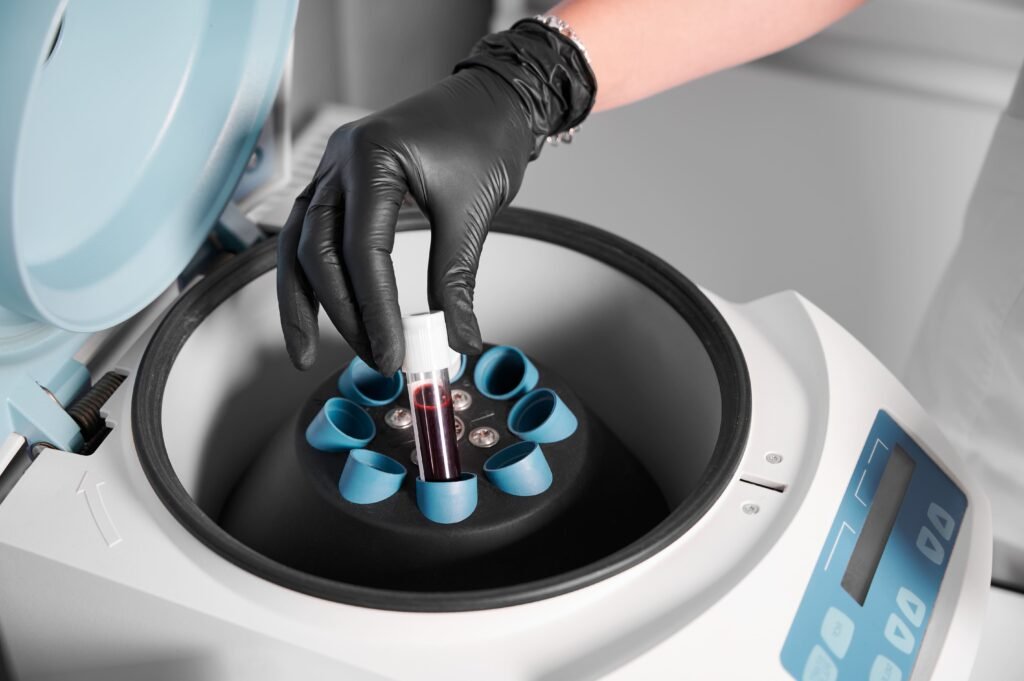
Laboratory Calibration Bodies
Laboratory accreditation:-
Accreditation of calibration laboratories to ISO 17025. This accreditation demonstrates to the marketplace and to supporting the provision of accurate and reliable results from laboratory testing, calibration, sampling and measurement services across many sectors. Regulators that calibration laboratories have met the industry recognized requirements for measurement traceability and undergo a program of periodic monitoring by SDAB.
Accreditation to ISO 17025 is an important role in accurate and reliable results in laboratory test, calibration, sampling and measurement service in many fields.
The technical competence of a laboratory depends on a number of factors including:
- The qualifications, training and experience of the staff
- Valid test methods
- Suitable testing facilities
- Proper sampling practices
- The right equipment – properly calibrated and maintained
- Adequate quality assurance procedures
- Appropriate testing procedures
- Traceability of measurements to national standards
- Accurate recording and reporting procedures
SDAB Training Academy:-
Our SDAB training academy to support our accreditation work, and the SDAB Training Academy offers a range of public and on-site training courses. We are providing online training courses and offline training courses.

Comprehensive Guide to Laboratory Accreditation, ISO/IEC 17025, and Technical Competence
Preface
In an increasingly data-driven world, the integrity of measurement and test results forms the bedrock of scientific progress, industrial quality, regulatory compliance, and public trust. From the pharmaceuticals that safeguard our health to the environmental data that informs climate policy, from the safety certifications of automotive components to the calibration of instruments in a semiconductor fab, reliable laboratory results are non-negotiable. The mechanism that universally signals this reliability is accreditation to the international standard ISO/IEC 17025.
This 8000-word guide provides a comprehensive exploration of the world of laboratory accreditation. It is designed for laboratory managers, quality assurance professionals, metrologists, technical staff, regulators, and anyone whose work depends on or contributes to credible testing and calibration results. We will delve into the philosophy and detailed requirements of ISO/IEC 17025, unpack the critical elements of technical competence, explore the role of accreditation bodies like SDAB, and examine the vital supporting role of training and continuous improvement.
Part 1: The Foundation – Understanding Laboratory Accreditation and ISO/IEC 17025
1.1 What is Laboratory Accreditation?
Laboratory accreditation is a formal, third-party recognition that a laboratory is competent to carry out specific tests, calibrations, measurements, or sampling activities. It is not a one-time certification but an ongoing relationship with an Accreditation Body (AB), which itself operates according to the international standard ISO/IEC 17011.
Key Principles:
- Third-Party Assessment: The accreditation body is independent of both the laboratory and its customers.
- Competence-Based: Focus is on the lab’s technical capability to produce valid results, not just its quality management system.
- Scope-Specific: Accreditation is granted for a defined list of tests or calibrations (the “scope of accreditation”).
- Periodic Surveillance: Accreditation is maintained through regular reassessments (often annually) and full re-assessments (typically every four years).
1.2 The Pivotal Role of ISO/IEC 17025:2017
ISO/IEC 17025:2017 – “General requirements for the competence of testing and calibration laboratories” is the single most important standard for laboratories worldwide. Its current 2017 revision aligns closely with the quality management principles of ISO 9001:2015 but goes far deeper into technical requirements.
The Core Promise: Accreditation to ISO/IEC 17025 demonstrates to the marketplace, clients, and regulators that a laboratory has established a management system, possesses the technical competence, and can generate accurate, reliable, and traceable results.
Why it Matters:
- Market Confidence: It is a powerful marketing tool and a key differentiator, providing a competitive edge.
- Regulatory Acceptance: Many government regulations and specifications mandate the use of accredited laboratory services (e.g., in construction, environmental monitoring, food safety, healthcare).
- Risk Reduction: It minimizes the risk of erroneous data leading to product failure, non-compliance, or health and safety issues.
- Global Facilitation: Through international mutual recognition arrangements (like ILAC MRA), results from an accredited lab are accepted across borders, reducing technical barriers to trade.
ISO/IEC 17025 Structure: The standard is organized into five main clauses:
- Scope
- Normative References
- Terms and Definitions
- General Requirements (Impartiality, Confidentiality)
- Structural Requirements (Legal identity, management structure)
- Resource Requirements (Personnel, facilities, equipment, metrological traceability)
- Process Requirements (Review of requests/tenders, method selection, sampling, handling items, technical records, measurement uncertainty, ensuring quality of results, reporting results, complaints, nonconforming work, control of data/information)
- Management System Requirements (Options A and B, with Option B incorporating ISO 9001 principles).
Part 2: The Pillars of Technical Competence
A laboratory’s technical competence is not a single attribute but a system of interdependent components. Accreditation assesses all these pillars.
Pillar 1: The Human Factor – Personnel
“The qualifications, training and experience of the staff” are the most critical asset. ISO/IEC 17025 requires laboratories to define the competence requirements for each role and to have processes to ensure personnel meet and maintain these requirements.
- Competence Criteria: Clear definition of necessary education, training, skills, and experience for technical managers, authorized signatories, and testing/calibration staff.
- Training & Monitoring: Documented training programs, on-the-job training, and regular performance evaluations.
- Authorisation: Formal authorization of personnel to perform specific tasks (e.g., operate an instrument, issue reports).
- Continual Development: Encouraging participation in external courses, conferences, and proficiency testing to keep skills current.
Pillar 2: The Methods – Valid Test and Calibration Procedures
“Valid test methods” are the heart of laboratory operations. The laboratory must use methods that are fit for purpose and validated as capable of providing accurate results.
- Selection & Validation: Preference is given to internationally or nationally standardized methods (e.g., ISO, ASTM, EN). If methods are developed in-house or modified, they must be rigorously validated to demonstrate performance characteristics like accuracy, precision, detection limit, and robustness.
- Method Verification: Before introducing a standard method, the lab must verify that it can properly perform it and achieve the required performance standards.
- Control & Updates: Procedures must be documented, controlled, and readily available. A process must exist to keep methods updated with the latest revisions.
Pillar 3: The Environment – Suitable Testing Facilities
“Suitable testing facilities” ensure that environmental conditions do not adversely affect the quality of results.
- Controlled Conditions: Temperature, humidity, vibration, electrical supply, cleanliness, and contamination control must be monitored and controlled as required by the methods.
- Segregation: Effective separation of areas with incompatible activities (e.g., sample preparation and high-precision measurement, sterile and non-sterile areas).
- Health, Safety, and Environment: Facilities must comply with relevant HSE regulations to protect personnel, clients, and the environment.
- Access Control: Restricting access to authorized personnel to ensure integrity of tests and security of samples.
Pillar 4: The Source – Proper Sampling Practices
“Proper sampling practices” are crucial because even the most accurate test is worthless if the sample is not representative. While not all accredited labs perform sampling, if they do, it must be part of their accredited scope.
- Sampling Plans: Use of statistically sound sampling plans and procedures.
- Sampling Personnel: Competence and authorization of samplers.
- Sample Handling & Transportation: Procedures to maintain sample integrity from point of sampling to receipt at the lab (e.g., preservation, preventing contamination, maintaining chain of custody).
Pillar 5: The Tools – The Right Equipment, Calibrated and Maintained
“The right equipment – properly calibrated and maintained” is fundamental to metrological integrity.
- Selection & Procurement: Equipment must have the measurement capability and range suitable for the intended use.
- Calibration: A comprehensive calibration program is mandatory. Equipment that influences the accuracy or validity of results must be calibrated before use and according to a defined schedule.
- Metrological Traceability: Calibrations must be traceable to the International System of Units (SI) through an unbroken chain of comparisons, each contributing to measurement uncertainty, ending at a national metrology institute (NMI). This is a cornerstone of ISO/IEC 17025.
- Maintenance & Handling: Procedures for safe handling, transport, storage, and preventive/ corrective maintenance.
- Equipment Records: A unique identifier, calibration certificates, maintenance logs, and software verification records for each piece of critical equipment.
- Intermediate Checks: Checks between formal calibrations to maintain confidence in the equipment’s performance (e.g., using check standards).
Pillar 6: The Checks & Balances – Adequate Quality Assurance Procedures
“Adequate quality assurance procedures” provide ongoing confidence that the laboratory’s processes are functioning correctly.
- Quality Control (QC): Routine use of control charts, replicate testing, blind samples, and internal quality control samples.
- Proficiency Testing (PT)/Interlaboratory Comparisons (ILC): Participation is a primary external QA tool. It involves testing the same sample as other labs to compare performance. ISO/IEC 17025 requires labs to monitor their performance through PT and to have a procedure for reacting to unsatisfactory results.
- Internal Audits: Systematic, independent checks of the management system and technical activities to ensure conformity with requirements.
- Management Reviews: Periodic reviews of the entire management system by top management to ensure its continuing suitability, adequacy, and effectiveness.
Pillar 7: The Execution – Appropriate Testing and Calibration Procedures
“Appropriate testing procedures” encompass the entire workflow from receipt of a sample/item to reporting.
- Review of Requests & Tenders: Ensuring client requirements are understood, the lab is capable of meeting them, and the selected method is appropriate.
- Unambiguous Identification: A system to uniquely identify test/calibration items to prevent mix-ups.
- Handling of Test/Calibration Items: Procedures for receipt, storage, and retention/disposal.
- Technical Records: The “audit trail.” Records must contain sufficient information to facilitate repetition of the task under conditions as close as possible to the original. They must be contemporaneous, legible, identifiable, and protected from loss or alteration.
- Estimation of Measurement Uncertainty (MU): A mandatory requirement for calibrations and for tests where it is relevant and possible. MU is a quantitative indicator of the quality of a result, expressing the doubt that exists about it.
Pillar 8: The Anchor – Traceability to National/International Standards
“Traceability of measurements to national standards” is the concept that links a laboratory’s result, through a documented chain of calibrations, to a recognized reference.
- Hierarchy of Standards: Working standards are calibrated against higher-order reference standards, which are in turn calibrated against even higher standards, ultimately reaching the primary realization of the SI unit at an NMI.
- Calibration Certificates: The key documents that provide evidence of traceability. They must include the standard used, the results, and the associated measurement uncertainties.
- Role of Accreditation Bodies (like SDAB): They assess and verify the laboratory’s traceability chains as part of the accreditation process.
Pillar 9: The Output – Accurate Recording and Reporting Procedures
“Accurate recording and reporting procedures” ensure that the final product – the report or certificate – is clear, accurate, and unambiguous.
- Report Content: ISO/IEC 17025 specifies minimum required information, including lab identification, client identification, description of the item, date of receipt/test, method used, results with units, measurement uncertainty (where applicable), name of authorizing signatory, and a statement on traceability.
- Clarity & Modifications: Reports must be clear and not misleading. Any amendments must be clearly marked and documented.
- Electronic Reporting: With the rise of digital systems, controls must ensure the integrity, confidentiality, and validity of electronically issued reports.
Part 3: The Accreditation Process in Practice: The Role of SDAB
Accreditation Bodies (ABs) like SDAB (Standards and Development Accreditation Board) act as the independent gatekeepers of competence. They operate under ISO/IEC 17011.
3.1 The SDAB Accreditation Journey
- Application: The laboratory submits a formal application to SDAB, detailing its desired scope of accreditation.
- Documentation Review: SDAB reviews the laboratory’s quality manual and procedures against ISO/IEC 17025 requirements.
- Pre-Assessment (Optional): A preliminary, non-mandatory visit to identify major gaps.
- Initial Assessment:
- Stage 1: An on-site or desktop review to confirm readiness, check documentation, and plan the main audit.
- Stage 2: A comprehensive on-site assessment. A team of expert assessors (technical and lead) visits the lab to:
- Interview personnel.
- Witness tests/calibrations in real-time.
- Review records, equipment, and calibration certificates.
- Audit internal audits, management reviews, and proficiency testing records.
- Evaluate the implementation of all clauses of ISO/IEC 17025.
- Corrective Actions: The lab must address any nonconformities raised during the assessment within a specified timeframe.
- Accreditation Decision: Based on the assessment report and evidence of corrective actions, SDAB’s decision-making committee grants (or denies) accreditation and issues a certificate with a defined scope.
- Surveillance: To maintain accreditation, SDAB conducts annual surveillance visits (shorter than the initial assessment) to ensure continued compliance.
- Re-assessment: A full re-assessment occurs every four years to renew accreditation.
3.2 The Value Proposition of SDAB Accreditation
- Impartiality & Integrity: SDAB operates without commercial conflict, ensuring its assessments are objective.
- Expert Assessors: SDAB uses highly qualified assessors with deep technical expertise in specific fields.
- Recognition: SDAB’s signatory status to international mutual recognition arrangements (like the ILAC MRA) ensures global acceptance of its accreditations.
- Oversight & Confidence: As stated, SDAB’s program of periodic monitoring provides regulators and the marketplace with confidence that accredited labs maintain their competence over time.
Part 4: Building and Sustaining Competence: The SDAB Training Academy
Competence is not static. The dynamic nature of technology, standards, and regulations necessitates continuous learning. Recognizing this, SDAB Training Academy serves as a critical enabler for both laboratories seeking accreditation and those maintaining it.
4.1 Philosophy and Mission
The Academy exists to bridge the knowledge gap between the theoretical requirements of ISO/IEC 17025 and their practical, effective implementation in the laboratory. It supports SDAB’s accreditation mission by elevating the overall standard of competence in the testing and calibration community.
4.2 Course Portfolio: Public, On-Site, Online, and Offline
A. Public Training Courses:
- Format: Open-enrollment courses held at central locations or virtually.
- Benefits: Networking with peers from different industries, cost-effective for sending small numbers of staff, access to expert trainers.
- Examples: “ISO/IEC 17025:2017 Lead Assessor Training,” “Measurement Uncertainty for Testing Laboratories,” “Internal Auditing for Laboratories,” “Root Cause Analysis and Corrective Action,” “Advanced Metrology and Traceability.”
B. On-Site Training Courses:
- Format: Customized training delivered at the client’s laboratory or corporate facility.
- Benefits: Tailored content to address specific needs, methods, or equipment; training for entire teams; scheduling flexibility; confidentiality.
- Examples: Method-specific validation workshops, preparation for an upcoming SDAB assessment, development of a quality manual for a start-up lab.
C. Online Training Courses (E-Learning):
- Format: Self-paced, modular courses delivered through a Learning Management System (LMS).
- Benefits: Maximum flexibility (learn anytime, anywhere), consistent delivery, scalable for large organizations, lower travel costs, automated tracking and assessment.
- Examples: “Fundamentals of ISO/IEC 17025,” “Understanding Metrological Traceability,” “Document Control for Labs,” “Introduction to Proficiency Testing.”
D. Offline Training Courses:
- Format: This can refer to traditional classroom-based public/on-site courses or may denote packaged training materials (workbooks, videos, software) for use in environments with limited internet connectivity.
- Benefits: Deep engagement, hands-on workshops, immediate feedback from instructors.
4.3 Key Training Modules for Technical Competence
- ISO/IEC 17025 Interpretation & Implementation: From awareness to lead auditor level.
- Measurement Uncertainty: In-depth courses for both testing and calibration, covering the GUM (Guide to the Expression of Uncertainty in Measurement) approach, case studies, and software tools.
- Method Validation & Verification: Statistical techniques, designing validation experiments, and interpreting results.
- Internal Auditing for Laboratories: Moving beyond generic auditing to focus on process audits, technical audits, and effectiveness checks specific to lab environments.
- Management Systems for Laboratory Managers: Integrating quality and technical leadership, conducting effective management reviews, and driving continual improvement.
- Metrology Fundamentals: Traceability, calibration hierarchies, understanding calibration certificates, and managing measuring equipment.
- Proficiency Testing & Statistical Quality Control: Selecting PT schemes, interpreting z-scores, and implementing control charts.
4.4 The Impact of Effective Training
- Faster Accreditation: Reduces the time and cost of achieving accreditation by preparing staff thoroughly.
- Reduced Nonconformities: Leads to smoother surveillance and reassessment audits.
- Enhanced Technical Quality: Directly improves the validity and reliability of reported results.
- Empowered Personnel: Creates a culture of quality and competence where staff understand the “why” behind the procedures.
- Risk Mitigation: Lowers the risk of reporting erroneous results that could lead to financial loss or reputational damage.
Part 5: Advanced Topics and Future Trends
5.1 The Evolution of ISO/IEC 17025
The 2017 revision introduced significant changes:
- Risk-Based Thinking: Moving from preventive action to a proactive consideration of risks and opportunities.
- Emphasis on Information Technology: Validation of laboratory information management systems (LIMS), control of data, and electronic records/reports.
- Greater Flexibility in Management System Options (Option A and B).
5.2 The Digital Laboratory and Accreditation
- Paperless Labs: Accreditation now must cover electronic signatures, data integrity, cybersecurity, and validation of automated processes.
- Artificial Intelligence & Machine Learning: How to validate AI-driven data analysis and ensure traceability in algorithmic decision-making will be a future frontier for accreditation.
- Remote Assessments: The use of digital tools for virtual witnessing and document review, accelerated by the COVID-19 pandemic, is becoming a permanent part of the assessment toolkit.
5.3 Integration with Other Standards
Laboratories often seek multiple accreditations/certifications:
- ISO 9001 (Quality Management): ISO/IEC 17025 now aligns more closely.
- ISO/IEC 17020 (Inspection Bodies): For labs involved in inspection.
- ISO 15189 (Medical Laboratories): Specific requirements for medical labs; often chosen over 17025 in healthcare.
- ISO/IEC 17034 (Reference Material Producers): For labs that produce certified reference materials.
- Good Laboratory Practice (GLP): For non-clinical safety studies.
5.4 The Global Landscape: ILAC and Mutual Recognition
The International Laboratory Accreditation Cooperation (ILAC) is the global umbrella for ABs. The ILAC Mutual Recognition Arrangement (MRA) is a pact where signatory ABs (like SDAB, if a signatory) agree to recognize each other’s accreditations. This is the mechanism that allows a test report from an accredited lab in one country to be accepted in another without retesting, facilitating global trade and cooperation.
Conclusion
Laboratory accreditation to ISO/IEC 17025 is far more than a certificate on the wall. It is the embodiment of a culture of scientific rigor, metrological integrity, and continuous improvement. It rests upon nine interdependent pillars of technical competence, from skilled people and valid methods to traceable equipment and robust quality assurance.
Accreditation Bodies like SDAB provide the essential independent verification of this competence, fostering trust in laboratory data across the entire spectrum of industry, regulation, and research. Their periodic monitoring ensures this trust is sustained.
Finally, the journey of competence is perpetual. Initiatives like the SDAB Training Academy are not ancillary but central to this ecosystem. By providing targeted, flexible, and high-quality training—whether public, on-site, online, or offline—the Academy empowers laboratories to build, demonstrate, and maintain the competence that underpins their credibility and, by extension, the safety, innovation, and quality of our modern world.
In an era where data is king, accreditation to ISO/IEC 17025, upheld by robust technical pillars and nurtured by continuous learning, ensures that this data wears a crown of unquestionable reliability.
Table of Contents