KEDARNATH (UTTARAKHAND)
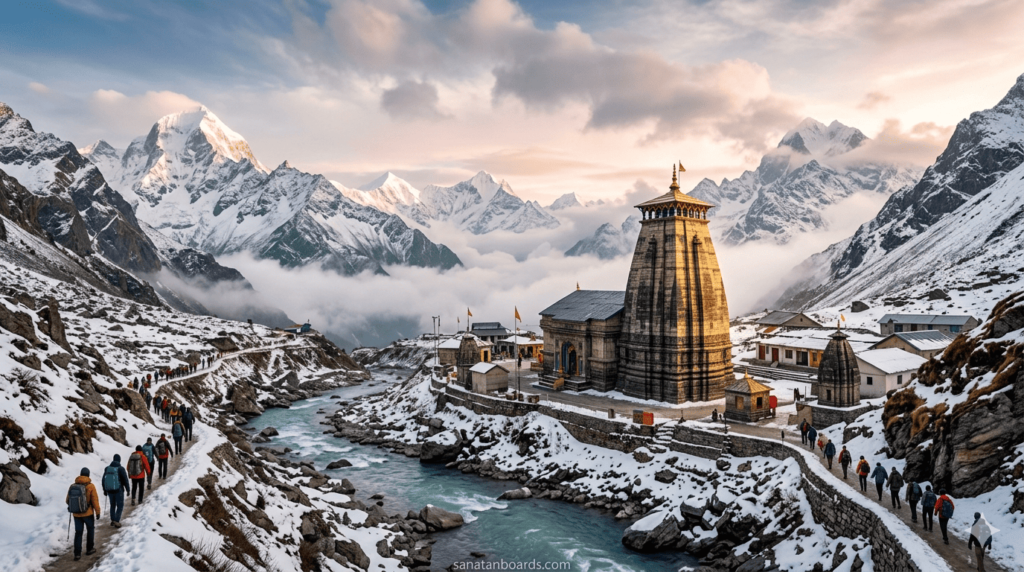
Kedarnath Temple is one of the most sacred and spiritually significant pilgrimage destinations located in the northern Indian state of Uttarakhand. It is situated in the Garhwal Himalayas at an altitude of around 3,583 meters above sea level near the Mandakini River. Surrounded by snow-covered peaks and breathtaking natural beauty, Kedarnath holds a unique place in Indian culture, religion, and heritage.
The site is dedicated to Lord Shiva and is one of the twelve Jyotirlingas, making it an extremely important shrine for devotees of Hinduism. The temple’s remote location adds to its spiritual charm as pilgrims must undertake a challenging journey through mountains, forests, and harsh weather conditions to reach it. Despite the difficulties, millions of devotees visit Kedarnath every year with deep faith and devotion.
Kedarnath is also part of the famous Char Dham Yatra, which includes Badrinath, Gangotri, and Yamunotri. This pilgrimage is considered highly sacred and is believed to help individuals attain spiritual liberation. The region around Kedarnath is not only religiously important but also ecologically sensitive, with rich biodiversity and fragile Himalayan landscapes.
Over time, Kedarnath has also gained global attention due to natural disasters, especially the devastating floods of 2013, which caused massive destruction in the region. However, reconstruction efforts have restored the temple and improved infrastructure, making it more accessible while preserving its spiritual essence.
Today, Kedarnath stands as a symbol of faith, resilience, and divine connection. It represents the harmony between nature and spirituality and continues to inspire millions of people who seek peace, devotion, and inner strength through their journey to this sacred Himalayan shrine.
What Is Kedarnath ?
Kedarnath is a sacred Hindu pilgrimage site located in the Garhwal Himalayas of Uttarakhand. It is best known for the ancient stone temple dedicated to Lord Shiva, which is part of the twelve Jyotirlingas spread across India. The temple is believed to have been originally built by the Pandavas from the Mahabharata era and later revived by Adi Shankaracharya in the 8th century.
The main structure of Kedarnath Temple is made of large, heavy stone slabs that have withstood extreme weather conditions for centuries. Its architecture reflects ancient Himalayan building techniques designed to survive earthquakes, heavy snowfall, and floods. The temple remains open only for a few months each year due to harsh winter conditions, during which heavy snowfall cuts off access to the region.
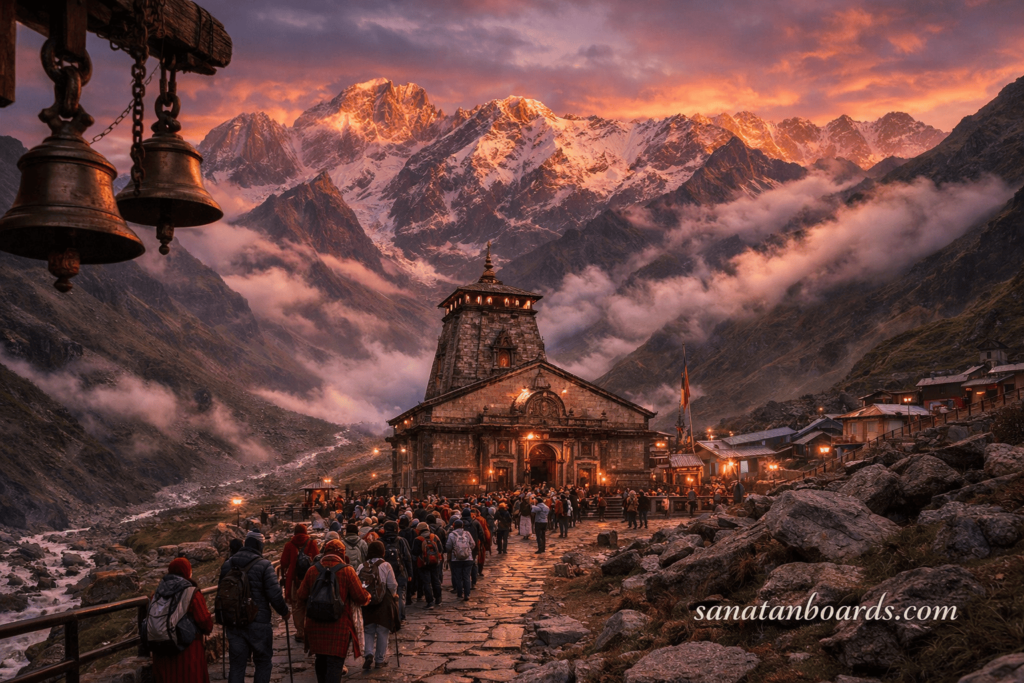
Kedarnath is not just a temple but a complete spiritual destination. It is located near the origin of the Mandakini River and surrounded by majestic peaks such as Kedarnath Dome and Chaukhamba. The atmosphere is peaceful and filled with chants, bells, and rituals performed by priests.
Apart from its religious importance, Kedarnath is also part of the larger Himalayan ecosystem. It attracts trekkers, nature lovers, and researchers who study the fragile environment of the region. The area is known for its glaciers, alpine meadows, and rare wildlife species.
Kedarnath holds deep symbolic meaning for devotees. It is believed that visiting the temple helps in cleansing sins and achieving spiritual liberation. The journey to Kedarnath is often considered a test of devotion, endurance, and faith. Despite modern transport improvements like helicopters and trekking routes, the spiritual essence of the journey remains unchanged.
Who Is Required Kedarnath ?
Kedarnath is required for individuals who seek spiritual growth, inner peace, and a deeper connection with divinity. Devotees of Lord Shiva consider it one of the most important pilgrimage destinations. People who follow Hindu beliefs and traditions often feel a strong emotional and religious pull toward visiting this sacred shrine.
Pilgrims undertaking the Char Dham Yatra also require a visit to Kedarnath as it is one of the four major holy destinations. For many believers, completing this journey is seen as a life goal that brings spiritual fulfillment and blessings. Elderly people, families, saints, and spiritual seekers often plan this journey as part of their religious commitments.
Kedarnath is also required for individuals who are seeking mental peace and relief from stress. The calm environment of the Himalayas provides a break from modern life’s fast-paced routine. Many people visit not only for religious reasons but also to experience solitude and self-reflection.
Adventure enthusiasts and trekkers also find Kedarnath relevant because of its challenging terrain and scenic trekking routes. It offers physical challenge combined with natural beauty, making it attractive for those who love mountain exploration.
In addition, scholars, historians, and environmental researchers require Kedarnath as a subject of study due to its ancient heritage and fragile ecosystem. It provides insights into Himalayan geology, culture, and religious evolution.
Thus, Kedarnath serves multiple groups of people—devotees, travelers, researchers, and seekers of peace—each finding their own purpose in the journey.
When Kedarnath (Uttarakhand) Required ?
Kedarnath becomes especially required during the pilgrimage season, which generally runs from April or May to November each year. This period is chosen because the region remains accessible only during warmer months when the heavy snow in the Himalayas melts, allowing safe travel routes for pilgrims. During winter, the temple remains closed due to extreme weather conditions and is ceremonially shifted to Ukhimath.
Religiously, Kedarnath is required during the Char Dham Yatra season, which is considered highly auspicious in Hindu tradition. Devotees believe that visiting Kedarnath during this time enhances spiritual benefits and blessings from Lord Shiva. Specific festivals such as Maha Shivaratri also increase the spiritual importance of planning a visit, even if the temple itself is not directly accessible during winter months.
From a personal perspective, Kedarnath is often required during times when individuals seek mental peace, healing, or spiritual clarity. Many people choose to visit after major life events such as marriage, retirement, or personal struggles. It is also common for families to plan the pilgrimage after fulfilling major responsibilities or achievements in life.
Weather conditions also determine when Kedarnath is required for travel purposes. The best time is usually between May and June or September and October when the climate is relatively stable and the risk of landslides or heavy rainfall is lower. The monsoon season (July–August) is generally avoided due to safety concerns.
Administratively, the site is required during specific months when tourism and pilgrimage operations are active. Government and local authorities manage infrastructure, security, and services during the open season to ensure safe travel for visitors.
Where Kedarnath (Uttarakhand) Required ?
Kedarnath is required in the Garhwal region of the Himalayas within the Indian state of Uttarakhand. It is located in the Rudraprayag district, deep within mountainous terrain at an elevation of over 3,500 meters. The shrine is situated near the origin of the Mandakini River, which flows through the valleys of the Himalayas.
Geographically, Kedarnath is surrounded by snow-covered peaks such as Kedarnath Peak and Chaukhamba range. The remote location makes it both spiritually isolated and naturally serene. The journey to Kedarnath typically begins from major base points like Gaurikund, from where pilgrims either trek or use mule and helicopter services to reach the temple.
Kedarnath is required not only at its exact location but also across various pilgrimage routes in Uttarakhand. It forms an essential part of the Char Dham Yatra circuit, which connects Yamunotri, Gangotri, Kedarnath, and Badrinath. These locations collectively define the spiritual geography of the region.
In a broader sense, Kedarnath is required within Indian religious tourism networks and Himalayan cultural zones. It plays a significant role in attracting pilgrims from across India and even from other countries. Travel agencies, spiritual organizations, and tourism departments all include Kedarnath as a key destination in their Uttarakhand travel circuits.
Ecologically, the region where Kedarnath is located is part of a sensitive Himalayan ecosystem. Conservation efforts are required in this area to protect forests, rivers, glaciers, and wildlife. The temple and its surroundings also require sustainable tourism practices to prevent environmental degradation.
Thus, Kedarnath is required both as a physical location in the Himalayas and as a central part of religious, cultural, and ecological systems within Uttarakhand and beyond.
How Kedarnath (Uttarakhand) Required ?
Kedarnath is required through a combination of pilgrimage routes, transportation systems, and spiritual practices. The journey begins from accessible towns such as Haridwar, Rishikesh, and Rudraprayag, which serve as entry points to the Himalayan region. From there, pilgrims travel to Gaurikund, the base point of the Kedarnath trek.
From Gaurikund, Kedarnath is required through a 16–18 km uphill trek, which can be completed on foot, by mule, or using palanquin services. In recent years, helicopter services have also made the journey faster and more accessible, especially for elderly pilgrims and those with physical limitations.
Spiritually, Kedarnath is required through rituals, prayers, and offerings dedicated to Lord Shiva. Devotees perform pujas, chant mantras, and participate in temple ceremonies conducted by priests. The experience is designed to strengthen faith and devotion.
Administratively, Kedarnath is required through government-managed systems that regulate crowd control, safety measures, and infrastructure maintenance. Medical camps, rescue teams, and weather monitoring systems are deployed during the pilgrimage season to ensure safety.
Technologically, modern communication and booking systems have made Kedarnath more accessible. Online registration for Yatra permits, helicopter bookings, and travel updates are now essential parts of the journey.
Environmentally, Kedarnath is required through sustainable tourism practices such as waste management, controlled visitor flow, and eco-friendly infrastructure development. These measures help protect the fragile Himalayan ecosystem.
Thus, Kedarnath is required through physical travel routes, spiritual practices, administrative systems, and environmental management, making it a multi-dimensional destination that connects faith, nature, and modern infrastructure.
Case Study On Kedarnath
The case study of Kedarnath focuses on the 2013 Uttarakhand floods, one of the most devastating natural disasters in the region. The disaster was triggered by extreme rainfall and cloudbursts in June 2013, leading to massive flooding of the Mandakini River and surrounding areas. The impact on Kedarnath and nearby regions was catastrophic, resulting in loss of lives, destruction of infrastructure, and displacement of thousands of pilgrims and residents.
Kedarnath Temple itself survived the disaster remarkably, despite being surrounded by severe destruction. A large boulder is believed to have diverted floodwater, protecting the main temple structure. This event is often cited as a combination of natural geological factors and divine belief by devotees.
The disaster exposed major gaps in disaster preparedness, infrastructure planning, and environmental management in the Himalayan region. Roads, bridges, hotels, and communication systems were destroyed, making rescue operations extremely difficult. Thousands of pilgrims were stranded, and large-scale rescue operations were carried out by the Indian Army, Air Force, and disaster management teams.
In the aftermath, reconstruction efforts were initiated to rebuild Kedarnath and surrounding areas. The government focused on improving infrastructure, widening trekking routes, and enhancing safety systems. Environmental regulations were also strengthened to control unplanned construction and reduce ecological damage.
A major learning from this case study is the importance of balancing religious tourism with environmental sustainability. The fragile Himalayan ecosystem cannot support uncontrolled development. Therefore, policies were introduced to regulate construction, manage pilgrim flow, and improve early warning systems for natural disasters.
Another key aspect of the case study is resilience. Despite the destruction, Kedarnath was restored and reopened for pilgrims within a short period. This demonstrated strong coordination between government agencies, local communities, and spiritual organizations.
The case also highlights the emotional and cultural significance of Kedarnath. Even after the disaster, millions of devotees continued to visit, reinforcing the deep spiritual connection people have with the shrine.
In conclusion, the Kedarnath case study #Sanatanboardsinuttarakhand serves as a critical example of disaster management, infrastructure resilience, and sustainable pilgrimage planning in high-altitude regions.
White Paper On Kedarnath
The white paper on Kedarnath focuses on its significance as a high-altitude pilgrimage destination, its environmental challenges, and its development strategies for sustainable management.
Kedarnath Temple represents one of the most important spiritual sites in India, attracting millions of pilgrims annually. However, its remote Himalayan location makes it highly vulnerable to natural disasters such as landslides, floods, and extreme weather conditions.
One of the major concerns highlighted in this white paper is environmental sustainability. The increasing number of pilgrims places pressure on the fragile ecosystem. Waste management, deforestation, and unregulated construction have historically contributed to ecological imbalance. Therefore, strict environmental guidelines are required to preserve the region.
Infrastructure development is another key focus area. Roads, bridges, and accommodation facilities must be designed to withstand harsh climatic conditions while minimizing environmental impact. The use of eco-friendly materials and controlled construction zones is essential.
Tourism management is also critical. The implementation of registration systems, visitor caps, and digital monitoring helps regulate crowd flow. This ensures safety while maintaining the spiritual experience of the pilgrimage.
Disaster preparedness is a major pillar of the white paper. Early warning systems, weather forecasting, and emergency evacuation plans are necessary to protect pilgrims. Training local communities in disaster response also strengthens regional resilience.
Cultural preservation is equally important. Kedarnath is not just a tourist destination but a sacred heritage site. Maintaining its spiritual traditions, rituals, and historical identity is essential for future generations.
The white paper also emphasizes the role of technology. Digital platforms for booking, navigation, and emergency communication have improved accessibility and safety. Satellite monitoring and GIS mapping can further enhance disaster management systems.
In terms of governance, coordination between central government, state authorities, and local organizations is crucial. A unified management system ensures better decision-making and efficient resource allocation.
Sustainable development in Kedarnath requires a balance between faith, environment, and infrastructure. The goal is to preserve the sanctity of the region while ensuring safety and accessibility for pilgrims.
In conclusion, Kedarnath serves as a model for managing #Sanatanboardsinvasai high-altitude pilgrimage sites. With proper planning, environmental care, and technological integration, it can continue to remain a safe and spiritually enriching destination.
Industry Application Of Kedarnath (Uttarakhand)
Kedarnath has multiple industry applications across tourism, transportation, hospitality, infrastructure, disaster management, and digital services.
In the tourism industry, Kedarnath plays a central role in religious tourism circuits. It attracts millions of pilgrims annually, supporting travel agencies, tour operators, and pilgrimage organizers. The Char Dham Yatra package industry is heavily dependent on Kedarnath as a key destination.
In transportation, the region supports helicopter services, trekking logistics, mule services, and mountain rescue operations. Aviation companies and local transport providers benefit significantly during the pilgrimage season.
The hospitality industry is also deeply connected. Hotels, lodges, guesthouses, and food services in base towns like Guptkashi, Sonprayag, and Gaurikund experience high demand during the Yatra season. This creates seasonal employment opportunities for local communities.
Infrastructure development companies are involved in building and maintaining roads, bridges, ropeways, and shelters in the Himalayan terrain. These projects require specialized engineering due to extreme weather and geological conditions.
The disaster management industry uses Kedarnath as a case study for high-altitude emergency response systems. Organizations develop strategies for evacuation, communication, and rescue operations in remote mountainous regions.
Digital technology companies also play a role through online booking systems, weather forecasting apps, GPS navigation tools, and pilgrimage tracking platforms. These technologies improve safety and accessibility for pilgrims.
Environmental and conservation organizations are involved in #Sanatanboardsinmumbai protecting the Himalayan ecosystem around Kedarnath. Their work includes waste management, reforestation, and ecological monitoring.
Thus, Kedarnath influences multiple industries by creating demand for services, infrastructure, safety systems, and digital innovation, making it a significant multi-sector destination.
source : Traveller Rishabh
ASK FAQ
1. What is Kedarnath famous for?
Kedarnath is famous for the Kedarnath Temple, one of the twelve Jyotirlingas of Lord Shiva and a major pilgrimage site in the Himalayas.
2. Where is Kedarnath located?
Kedarnath is located in the Rudraprayag district of Uttarakhand, India, in the Garhwal Himalayan mountain range at an altitude of about 3,583 meters.
3. Why do people visit Kedarnath?
People visit Kedarnath for spiritual reasons, especially to worship Lord Shiva, seek blessings, and complete the Char Dham Yatra for religious salvation.
4. When is the best time to visit Kedarnath?
The best time to visit Kedarnath is from May to June and September to October, when the weather is safe and the temple is open for pilgrims.
5. How can one reach Kedarnath?
Kedarnath can be reached by traveling to Gaurikund and then trekking about 16–18 km, or by using helicopter services available during the pilgrimage season.
Table of Contents
DISCLAIMER
The above content is written for informational and descriptive purposes. It is based on general knowledge about Kedarnath and the Himalayan region. It should not be considered official, religious authority, travel advisory, or government guidance. Readers are advised to verify details such as travel conditions, weather, and safety regulations from official sources before planning any visit or related activity.