The Badrinath Char Dham Network refers to the spiritual and pilgrimage connection between Badrinath Temple and the larger Char Dham circuit in India. The Char Dham traditionally includes Badrinath (North), Dwarka (West), Puri (East), and Rameswaram (South), representing a sacred network of pilgrimage sites.
Badrinath, dedicated to Lord Vishnu, is one of the most important temples in this network. It is also part of the smaller Himalayan Char Dham circuit, which includes Kedarnath Temple, Gangotri, and Yamunotri.
The network is supported by improved roads, digital registration systems, and government initiatives like the Char Dham Highway Project which enhances connectivity and safety for pilgrims. This development ensures easier access to remote Himalayan regions.

What Is BADRINATH CHAR DHAM NETWORK?
The Badrinath Char Dham Network refers to the religious, cultural, and infrastructural connection centered around Badrinath Temple, one of the most sacred Hindu pilgrimage destinations in India. It is an essential part of both the larger Char Dham and the smaller Himalayan Char Dham circuit.
In the traditional Char Dham network, Badrinath represents the northern direction and is spiritually linked with Dwarka in the west, Puri in the east, and Rameswaram in the south. These four sacred sites together form a complete pilgrimage route believed to cleanse devotees of sins and guide them toward spiritual liberation.
Badrinath is dedicated to Lord Vishnu and is located in the Himalayan region of Uttarakhand. It is also part of the smaller Char Dham in Uttarakhand, which includes Kedarnath Temple, Gangotri, and Yamunotri. Together, these sites create a spiritual network in the Himalayas that attracts millions of pilgrims every year.
In modern times, the Badrinath Char Dham Network also includes improved infrastructure and connectivity. Projects like the Char Dham Highway Project aim to provide safer and faster travel routes, making the pilgrimage more accessible. Digital services such as online registration and travel management systems further strengthen this network.
Who Is Required For The Badrinath Char Dham Network?
The Badrinath Char Dham Network is not built or maintained by a single person or group. It requires the involvement of multiple stakeholders working together to ensure a smooth and safe pilgrimage experience centered around Badrinath Temple.
1. Government Authorities:
The central and state governments, especially the government of Uttarakhand, play a major role. They plan and execute infrastructure projects like the Char Dham Highway Project, manage safety, and provide facilities such as roads, medical aid, and security.
2. Temple Authorities and Priests:
The management of Badrinath Temple and priests are responsible for conducting rituals, maintaining traditions, and guiding pilgrims spiritually.
3. Pilgrims (Devotees):
Devotees from across India are an essential part of the network. Their participation gives meaning to the pilgrimage and sustains religious practices.
4. Local Communities:
People living in nearby areas support the network by offering services like accommodation, food, transportation, and guiding services. This also helps boost the local economy.
5. Tourism and Travel Operators:
Tour agencies, transport providers, and guides help organize travel plans, making it easier for pilgrims to visit Badrinath and other Char Dham sites.
6. Security and Emergency Services:
Police, disaster management teams, and medical staff ensure the safety and well-being of pilgrims, especially since the region is prone to harsh weather and natural challenges.
When is the Badrinath Char Dham Network Required?
The Badrinath Char Dham Network becomes especially important during the annual pilgrimage season to Badrinath Temple. This period usually begins in April or May and continues until October or November, depending on weather conditions in the Himalayan region of Uttarakhand.
1. During Pilgrimage Season:
This is the main time when the network is required. Thousands to millions of devotees travel to Badrinath and other Char Dham sites. Proper roads, transport, accommodation, and safety systems are essential to manage this large flow of pilgrims.
2. During Festivals and Peak Travel Times:
The need for the network increases during important religious occasions and holidays when the number of visitors rises significantly.
3. In Emergency Situations:
The network is also crucial during natural challenges like landslides, heavy rainfall, or extreme weather. Infrastructure projects such as the Char Dham Highway Project help ensure safe evacuation, quick rescue operations, and uninterrupted connectivity.
4. For Tourism and Economic Activities:
Apart from religious purposes, the network is required throughout the accessible months to support tourism, local businesses, and regional development.
Where Is The Badrinath Char Dham Network Required?
The Badrinath Char Dham Network is primarily required in the northern Himalayan state of Uttarakhand, where the sacred Badrinath Temple is located. This region is known for its rugged mountains, high altitudes, narrow roads, and unpredictable weather conditions. Because of these challenges, a well-developed network of roads, transportation, communication, and safety systems is essential to ensure a smooth and secure pilgrimage experience.
First and foremost, the network is required in and around Badrinath itself. As one of the holiest temples dedicated to Lord Vishnu, it attracts lakhs of devotees every year. Proper infrastructure such as roads, lodging, medical facilities, and security arrangements is necessary to manage the large number of visitors, especially during the peak pilgrimage season.
Secondly, the network is required across the entire Char Dham route in Uttarakhand. This includes other important pilgrimage sites like Kedarnath Temple, Gangotri, and Yamunotri. These four sites together form the Himalayan Char Dham circuit. The routes connecting them pass through steep valleys, rivers, and landslide-prone areas, making it necessary to have strong and reliable infrastructure.
The network is also required on the connecting roads and highways that lead to the Char Dham region. Major entry points such as Haridwar and Rishikesh serve as starting points for most pilgrims. From there, roads extend deep into the mountains toward Badrinath and other temples. Government initiatives like the Char Dham Highway Project are specifically designed to widen and strengthen these roads, making travel safer and faster.
In addition, the network is required in remote and high-altitude areas where basic facilities are limited. These areas often lack proper medical services, communication systems, and emergency support. The Char Dham Network helps provide essential services such as mobile connectivity, rescue operations, and disaster management systems, which are crucial during emergencies like landslides, floods, or extreme weather.
Furthermore, the network is needed in nearby towns and villages that support the pilgrimage. Local communities depend on the Char Dham Yatra for their livelihood through tourism, transportation, food services, and accommodation. Developing infrastructure in these areas not only helps pilgrims but also improves the quality of life for residents.
How Is The Badrinath Char Dham Network Required?
The Badrinath Char Dham Network is required through a combination of planning, infrastructure development, management systems, and coordinated efforts to ensure a safe and smooth #badrinathchardhamnetworkinkolkata pilgrimage to Badrinath Temple and other sacred sites in Uttarakhand. Since the region is mountainous and prone to natural challenges, the network must be carefully designed and efficiently maintained.
Firstly, the network is required through strong infrastructure development. Roads, bridges, and highways are constructed and maintained to connect remote areas. #badrinathchardhamnetworkinchennai Projects like the Char Dham Highway Project play a key role in widening roads, reducing travel time, and improving safety. These developments make it easier for pilgrims to travel comfortably even in difficult terrain.
Secondly, the network is required through transportation systems. Buses, taxis, and private vehicles operate along the Char Dham routes, ensuring #badrinathchardhamnetworkinbangalore continuous movement of pilgrims. In some areas, helicopter services are also available, especially for destinations like Kedarnath Temple, where trekking is difficult. Proper traffic management is necessary to avoid congestion during peak seasons.
Another important aspect is digital and administrative management. Online registration systems, e-passes, and mobile applications help track the number of pilgrims and manage crowd flow. These systems also provide real-time updates about weather, road conditions, and travel guidelines, improving overall safety and organization.
The network is also required through safety and emergency services. Police forces, disaster response teams, and medical units are deployed along the routes. In case of landslides, floods, or accidents, quick rescue and relief operations are essential. Emergency helplines and first-aid centers are set up at regular intervals to assist pilgrims.
Additionally, the network functions through support services and facilities. Accommodation, food stalls, rest houses, and sanitation facilities are provided along the routes and near temples. These services are often managed by local communities, private operators, and government bodies working together.
Communication systems also play a crucial role. Mobile networks, internet services, and information centers help pilgrims stay informed and connected. This is especially important in remote Himalayan areas where communication can be limited.
Finally, the network requires coordination among different stakeholders, including government authorities, temple management, local residents, and tourism operators. Their combined efforts ensure that the pilgrimage remains organized and spiritually fulfilling.
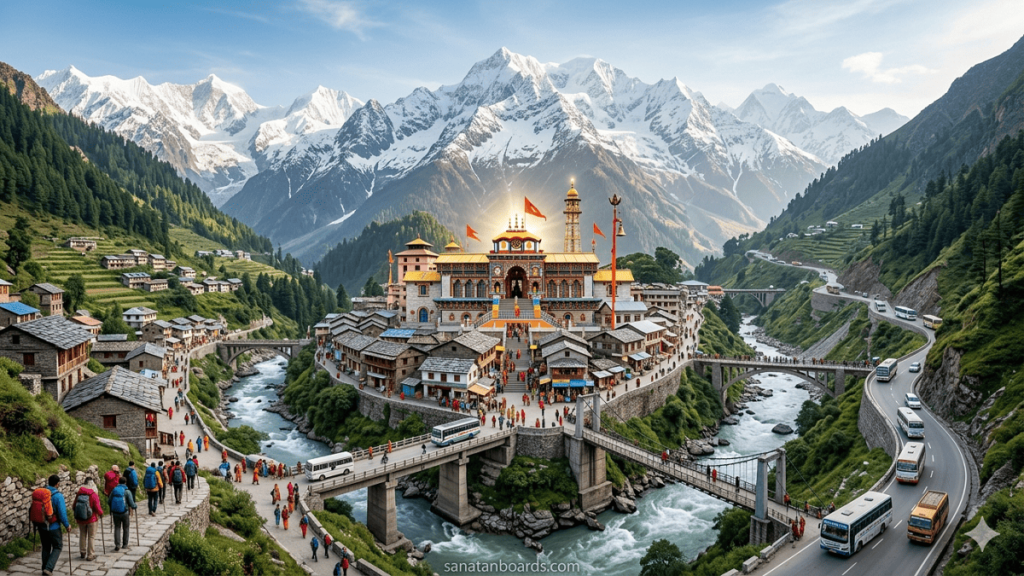
Case Study On Badrinath Char Dham Network
The Badrinath Char Dham Network is a significant example of how religious tourism, infrastructure development, and regional planning come together to support millions of pilgrims visiting Badrinath Temple in Uttarakhand.
1. Background
Badrinath is one of the four sacred sites in the Char Dham and also part of the Himalayan Char Dham circuit, along with Kedarnath Temple, Gangotri, and Yamunotri. Every year, lakhs of #badrinathchardhamnetworkinjaipur devotees travel to these high-altitude regions, creating the need for a strong and reliable network.
2. Problem Statement
Before the development of the network:
- Roads were narrow and unsafe
- Frequent landslides disrupted travel
- Limited medical and emergency services
- Poor communication systems in remote areas
- Overcrowding during peak seasons
These challenges made the pilgrimage risky and uncomfortable.
3. Implementation (Development of Network)
To solve these issues, the government introduced projects like the Char Dham Highway Project.
Key steps included:
- Widening and strengthening highways
- Building bridges and tunnels
- Introducing digital registration systems
- Improving mobile connectivity
- Setting up medical camps and emergency services
Major entry points such as Rishikesh and Haridwar were developed as base hubs for pilgrims.
4. Outcomes
The development of the Badrinath Char Dham Network resulted in:
- Safer and faster travel for pilgrims
- Increase in tourist and pilgrim numbers
- Boost to local economy (hotels, transport, shops)
- Better disaster management and emergency response
- Improved connectivity in remote Himalayan regions
5. Challenges
Despite improvements, some challenges remain:
- Environmental concerns due to construction
- Risk of landslides and floods
- Managing large crowds during peak season
- Maintaining ecological balance in the Himalayas
6. Conclusion
The Badrinath Char Dham Network is a successful case of combining spirituality with modern infrastructure. It highlights how proper planning and development can #badrinathchardhamnetworkinmumbai improve accessibility, safety, and economic growth while supporting religious traditions. However, sustainable development and #badrinathchardhamnetworkinvasai environmental protection must be prioritized for its long-term success.
White Paper On Badrinath Char Dham Network
1. Introduction
The Badrinath Char Dham Network represents a strategic integration of religious tourism, infrastructure development, and regional connectivity centered around Badrinath Temple in Uttarakhand. As one of the key pilgrimage destinations in the Char Dham, Badrinath attracts millions of devotees annually. This white paper examines the importance, development, challenges, and future scope of the network.
2. Objective
The primary objective of the Badrinath Char Dham Network is to ensure safe, efficient, and sustainable access to high-altitude pilgrimage sites. It aims to enhance connectivity, improve pilgrim experience, and promote regional economic growth while preserving cultural and environmental integrity.
3. Background and Need
The Himalayan Char Dham circuit includes Kedarnath Temple, Gangotri, and Yamunotri along with Badrinath. Historically, access to these sites was limited due to poor road conditions, lack of infrastructure, and vulnerability to natural disasters such as landslides and floods. The need for a well-structured network became critical to manage increasing pilgrim volumes and ensure safety.
4. Key Components of the Network
- Infrastructure Development: Expansion of roads, bridges, and tunnels under initiatives like the Char Dham Highway Project
- Digital Systems: Online registration, GPS tracking, and real-time updates
- Transportation: Public and private transport, along with helicopter services in remote areas
- Safety Measures: Deployment of medical teams, disaster response units, and security personnel
- Support Services: Accommodation, food facilities, and sanitation systems
5. Impact and Benefits
The Badrinath Char Dham Network has significantly improved accessibility and safety. Travel time has reduced, and connectivity to remote regions has increased. The network has also boosted the local economy by creating employment opportunities in tourism, hospitality, and transport sectors. Additionally, it has strengthened disaster management capabilities in the region.
6. Challenges
Despite its benefits, the network faces several challenges:
- Environmental degradation due to large-scale construction
- Increased risk of landslides in fragile mountain ecosystems
- Overcrowding during peak pilgrimage seasons
- Need for sustainable waste management systems
7. Recommendations
- Promote eco-friendly infrastructure development
- Implement strict crowd management systems
- Enhance early warning systems for natural disasters
- Encourage community participation in sustainable tourism
- Strengthen digital monitoring and data management
8. Conclusion
The Badrinath Char Dham Network is a vital initiative that combines tradition with modern development. It plays a crucial role in facilitating pilgrimage, #Sanatandharmaaccreditationboardsinlucknow improving regional connectivity, and supporting economic growth. However a balanced approach focusing on sustainability and environmental conservation is essential to ensure its long-term success.
Industry Applications Of The Badrinath Char Dham Network
1. Tourism and Hospitality Industry
One of the most significant applications is in the tourism sector. The Char Dham pilgrimage attracts millions of visitors each year, creating demand for hotels, guest houses, restaurants, and travel services. Local businesses and large hospitality providers benefit from increased tourist flow, especially during peak seasons.
2. Transportation and Logistics Industry
The network supports road transport, taxi services, buses, and even helicopter services. Improved connectivity through projects like the Char Dham Highway Project has enhanced the logistics sector by enabling smoother movement of people, goods, and essential supplies in mountainous regions.
3. Infrastructure and Construction Industry
Large-scale construction projects such as highways, bridges, and tunnels have boosted the infrastructure industry. Companies involved in civil engineering, road construction, and maintenance play a key role in developing and sustaining the network.
4. Information Technology and Digital Services
Digital applications such as online registration, e-passes, GPS tracking, and mobile apps are increasingly used to manage pilgrim data and improve safety. IT companies contribute by developing software solutions and communication systems for better coordination.
5. Healthcare and Emergency Services
The network creates demand for medical facilities, ambulance services, and disaster response systems. Temporary hospitals, health camps, and emergency teams are set up to handle health issues and accidents in remote areas.
6. Retail and Local Handicraft Industry
Local markets benefit from the sale of religious items, souvenirs, food products, and handicrafts. This helps promote traditional crafts and supports small-scale industries in nearby villages.
7. Environmental and Sustainability Sector
With increasing awareness, there is a growing role for environmental management industries. Waste management, eco-tourism, and sustainable development practices are being implemented to protect the fragile Himalayan ecosystem.
Conclusion
The Badrinath Char Dham Network has #Sanatandharmaaccreditationboardsinmumbai diverse industry applications, ranging from tourism and transport to IT and environmental management. It not only enhances the pilgrimage experience but also drives economic growth #Sanatandharmaaccreditationboardsinvasai and creates employment opportunities across multiple sectors.
source : FREE BIRD Travels
ASK FAQ
What is the Badrinath Char Dham Network?
The Badrinath Char Dham Network is a system of pilgrimage routes, infrastructure, and services connecting Badrinath Temple with other sacred sites to ensure safe and smooth travel for devotees.
Where is the Badrinath Char Dham Network located?
It is mainly located in Uttarakhand, covering Himalayan regions and connecting major pilgrimage sites like Kedarnath Temple.
Why is the Badrinath Char Dham Network important?
It improves connectivity, safety, and accessibility for pilgrims while supporting tourism and economic growth in the region.
When is the Badrinath Char Dham Network most active?
It is most active during the pilgrimage season from April to November when temples like Badrinath are open to visitors.
How does the Badrinath Char Dham Network help pilgrims?
It provides better roads, transport, medical services, and digital systems, making the journey safer and more organized.
Table of Contents
Disclaimer
This content is for educational and informational purposes only. Details about the Badrinath Char Dham Network may vary based on official updates, and readers are advised to verify information from government or official sources before planning travel.