Ancient India was a land of diverse kingdoms and remarkable rulers who shaped its history, culture, and society. From the mighty Mauryas and Guptas to regional powers like the Cholas and Mughals, each kingdom left a lasting legacy. These rulers not only expanded territories through warfare and diplomacy but also contributed to art, architecture, administration, and learning.
The Maurya Empire under Chandragupta Maurya established a centralized administration and efficient governance system. The Guptas are known for ushering in a “Golden Age” marked by advancements in science, mathematics, and literature. In southern India, the Chola dynasty dominated trade, maritime power, and temple architecture, highlighting India’s rich regional diversity.
Kings were pivotal in promoting religion, culture, and societal norms. They patronized scholars, poets, and artisans, which strengthened the cultural fabric of the Indian subcontinent Ancient Indian kingdoms also had well-structured administrative systems, trade networks, and military strategies that influenced neighboring regions.
Studying these kingdoms and kings provides insight into India’s historical evolution, societal structure, and cultural achievements. It allows students and enthusiasts to understand the foundations of modern Indian civilization and the values of leadership, governance, and heritage that have shaped its long-lasting influence.
What Is Ancient Indian Kingdoms & Kings ?
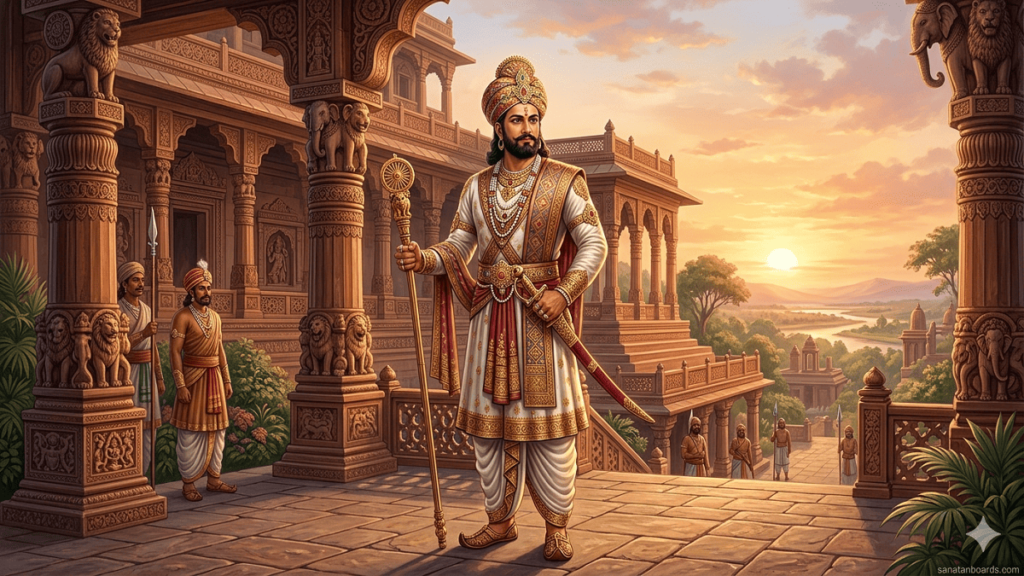
Ancient Indian Kingdoms & Kings refers to the political, cultural, and social structures established by rulers who governed the Indian subcontinent from prehistory to the early medieval period. These kingdoms were diverse, both in geography and governance, ranging from vast empires to small regional principalities. Kings, or monarchs, were the central authority figures responsible for administration, defense, trade, and the welfare of their subjects.
The Maurya Empire (321–185 BCE) introduced a well-organized bureaucracy and strong military, with rulers like Ashoka the Great emphasizing dharma and non-violence. The Gupta Empire (circa 320–550 CE) fostered a period of cultural renaissance, making significant contributions to mathematics, astronomy, and literature. Southern kingdoms, such as the Cholas, ruled extensive territories, controlled maritime trade, and built magnificent temples, reflecting the integration of religion and governance.
Kings were not only political leaders but also cultural patrons. They encouraged art, architecture, religious practice, and education. Inscriptions and coins reveal their policies, trade networks, and interactions with foreign powers. Each kingdom had distinct administrative frameworks, legal codes, and military strategies that reflected their priorities and geographical challenges.
Understanding Ancient Indian Kingdoms & Kings allows scholars, students, and enthusiasts to appreciate India’s historical depth, the evolution of governance systems, and the interplay between power, culture, and religion. These rulers laid the foundation for India’s diverse traditions, societal structures, and regional identities that continue to influence modern India.
Who Is Required Ancient Indian Kingdoms & Kings ?
Knowledge of Ancient Indian Kingdoms & Kings is crucial for multiple audiences. Students of history, political science, and cultural studies benefit from understanding the political and societal frameworks established by these rulers. Teachers and educators require this knowledge to build structured curricula that illuminate India’s historical evolution and the roles played by kings in shaping governance, law, and culture.
Historians and researchers analyze the contributions of these kingdoms to identify patterns of trade, diplomacy, and military strategy. Archaeologists rely on inscriptions, monuments, and artifacts created during these periods to reconstruct historical events and societal practices. For scholars of literature and art, ancient kingdoms provide a lens through which one can study cultural and religious patronage. For example, Gupta-era literature showcases Sanskrit poetry, while Chola temples display advanced architectural and sculptural techniques.
Additionally, policymakers and leaders can draw lessons in governance, administrative efficiency, and ethical rule from kings like Ashoka, who promoted non-violence and public welfare. Tour guides, museum curators, and cultural preservationists require detailed knowledge to educate the public and maintain historical sites. Enthusiasts of Indian heritage, including travelers and students, benefit from understanding the historical context behind monuments, coins, and folklore.
When Is Knowledge Of Ancient Indian Kingdoms & Kings Required ?
Understanding Ancient Indian Kingdoms & Kings is required in educational, professional, and research contexts. In academic settings, history curricula from primary to university levels introduce students to these kingdoms to foster awareness of India’s past. Competitive examinations for government positions, civil services, and teaching often include questions on ancient history, making this knowledge essential for aspirants.
Researchers in history, archaeology, and anthropology rely on this knowledge when studying ancient societies, trade networks, and cultural development. By knowing the timelines and rulers, scholars can accurately date inscriptions, artifacts, and literary works, allowing them to construct a coherent narrative of India’s past. Knowledge of kings’ reigns, military campaigns, and administrative systems is crucial to understanding the evolution of governance and law.
In tourism and cultural preservation, knowledge of ancient kingdoms helps in designing educational experiences for visitors to historical sites, museums, and monuments. This includes explaining architectural styles, religious influences, and political significance. Businesses involved in cultural tourism, documentary filmmaking, and heritage studies also require this knowledge to create accurate and engaging content.
Additionally, understanding the era of each kingdom helps contextualize India’s interactions with other ancient civilizations, such as the Persians, Greeks, and Romans. It provides insight into trade, diplomacy, and cultural exchanges that shaped not only India but also the broader region.
Finally, knowledge of these kingdoms is valuable for general awareness, fostering appreciation for India’s rich history and diverse cultural heritage. It allows individuals to recognize the foundations of contemporary society, governance, and regional identities, linking past lessons to present-day challenges.
Where Is Knowledge Of Ancient Indian Kingdoms & Kings Required
Knowledge of Ancient Indian Kingdoms & Kings is required across educational institutions, research centers, cultural heritage sites, and professional domains. Schools and universities use this knowledge to teach history, political science, and cultural studies, providing students with a foundational understanding of India’s civilization and governance. Textbooks, lectures, and field trips often reference key rulers, empires, and societal structures.
Museums and archaeological sites require expertise to preserve and interpret artifacts, coins, inscriptions, and monuments. Curators and guides use this knowledge to explain historical contexts to visitors. UNESCO World Heritage Sites, such as the Ajanta and Ellora caves or Hampi, depend on accurate historical understanding to maintain authenticity and provide educational experiences.
Government and civil service examinations also necessitate knowledge of these kingdoms, as history is a critical subject. Policy makers and administrative trainers can draw lessons from ancient governance systems for modern decision-making and ethical leadership. Cultural tourism companies rely on this knowledge to design heritage tours, virtual experiences, and educational documentaries.
Literature and art studies also demand understanding of ancient Indian kingdoms, as literary works, temple architecture, and sculptures reflect the ideologies and cultural priorities of each ruler. Even in media and popular culture, including films, series, and documentaries, accurate historical knowledge ensures authenticity and engages audiences.
How Is Knowledge Of Ancient Indian Kingdoms & Kings Required ?
Knowledge of Ancient Indian Kingdoms & Kings is acquired and applied through multiple methods. Academic study involves textbooks, research papers, lectures, and seminars that cover historical timelines, rulers, policies, and cultural contributions. Students analyze inscriptions, coins, and literary texts to understand the socio-political and economic structures of each kingdom.
Archaeological exploration provides practical learning by excavating ancient sites, studying monuments, and interpreting artifacts. Scholars use carbon dating, epigraphy, and numismatics to verify historical accuracy. Cultural institutions and museums play a key role in disseminating knowledge through exhibitions, guided tours, and educational programs.
Digital resources, such as online databases, virtual tours, and documentaries, make knowledge of these kingdoms accessible worldwide. Interactive learning tools, including simulations and historical reconstructions, help learners visualize administrative systems, battle strategies, and daily life in ancient India.
In professional contexts, historians, curators, and educators apply this knowledge to preserve cultural heritage, develop educational content, and advise on historical authenticity in media and tourism. Civil service and competitive examination aspirants utilize this knowledge for governance-related questions, understanding political evolution, and ethical leadership principles derived from ancient rulers.
Additionally, knowledge is applied in research comparing governance models, trade systems, and cultural exchanges with other ancient civilizations. By studying how kings managed resources, promoted arts, and enforced justice, contemporary leaders and policymakers can draw lessons applicable to modern administration and diplomacy.
Case Study Of Ancient Indian Kingdoms & Kings
Introduction
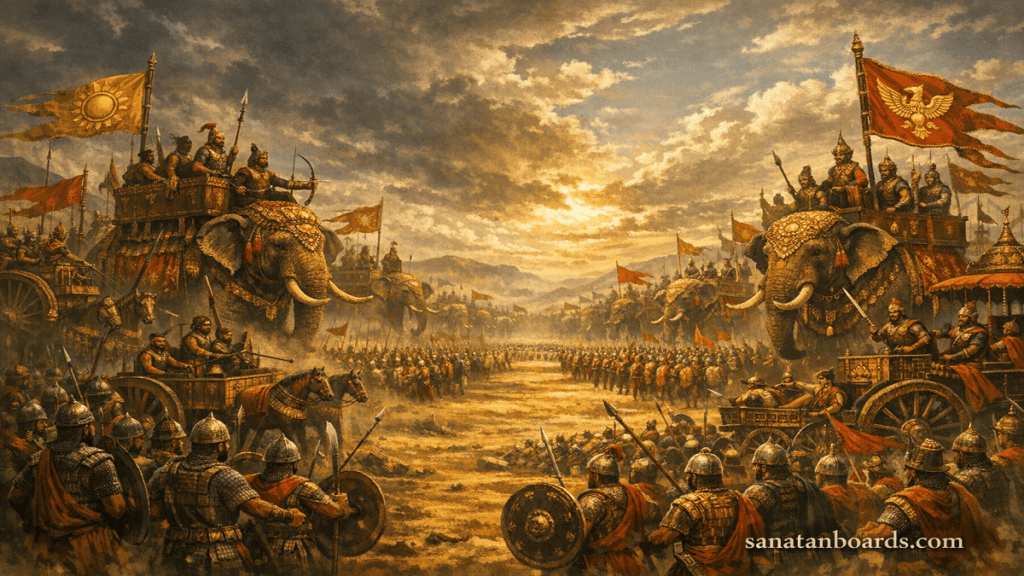
Ancient India was a mosaic of kingdoms and dynasties, each contributing uniquely to the subcontinent’s political, cultural, and social evolution. Understanding these kingdoms and their rulers is crucial for studying governance, societal structures, and cultural development in historical India. This case study focuses on major kingdoms like the Mauryas, Guptas, Cholas, and Pandyas, examining their leadership, administration, and legacy.
Historical Context
The timeline of ancient Indian kingdoms spans from the Vedic period (~1500 BCE) to the early medieval period (~1200 CE). This era witnessed the rise of centralized empires as well as regional powers that shaped local culture and trade. Political boundaries were often fluid, with kingdoms expanding or contracting through warfare, alliances, and diplomacy. Kings were the central authority, responsible for governance, justice, defense, and religious patronage.
Maurya Empire (321–185 BCE)
Founded by Chandragupta Maurya, the Maurya Empire unified most of northern and central India. Chandragupta implemented a centralized administrative system with provinces overseen by governors. His grandson, Ashoka the Great, is particularly notable for promoting the principles of dharma, non-violence, and public welfare after the Kalinga War. Ashoka’s edicts, inscribed on pillars and rocks, illustrate moral governance and early forms of state communication.
Gupta Empire (circa 320–550 CE)
The Gupta dynasty, often called the “Golden Age of India,” excelled in science, mathematics, literature, and the arts. Kings like Chandragupta I and Samudragupta not only expanded territories but also fostered cultural and intellectual growth. The Gupta administrative system balanced central authority with regional governance, allowing for local autonomy while ensuring imperial control. Cultural contributions included Sanskrit literature, classical sculpture, and advancements in astronomy and mathematics (e.g., the concept of zero).
Southern Kingdoms: Cholas, Pandyas, and Cheras
The Chola dynasty (circa 9th–13th centuries CE) dominated southern India and Southeast Asia through maritime trade. Their rulers, such as Rajaraja Chola I, built monumental temples like Brihadeeswarar Temple in Thanjavur, demonstrating architectural innovation and religious devotion. The Pandyas and Cheras, while smaller in scale, were significant in trade and cultural patronage. These kingdoms had structured administrations, vibrant economies, and established diplomatic ties with distant lands like Sri Lanka, Indonesia, and China.
Governance and Administration
Ancient Indian kings developed sophisticated governance structures. The Mauryas implemented a strict bureaucratic system with ministers, spies, and regional governors. The Guptas relied more on local assemblies but maintained central oversight. Southern kingdoms, including the Cholas, managed trade, agriculture, and taxation effectively, often documenting policies through inscriptions.
Kings also patronized scholars, poets, and artisans, reinforcing cultural development. Temples served as both religious and economic centers, supporting local economies while strengthening political authority. Legal codes, such as the Manusmriti, influenced social norms and judicial practices.
Socio-Cultural Contributions
Ancient kings shaped society by promoting religion, education, and arts. Ashoka’s support for Buddhism encouraged the spread of ethical governance and religious tolerance. Gupta kings fostered classical Sanskrit literature, poetry, and scientific research. Southern kingdoms contributed to temple architecture, sculpture, and bronze artistry, leaving a lasting visual legacy. Festivals, rituals, and patronage systems strengthened community identity and preserved cultural continuity.
Trade and Economy
Economic prosperity under these kingdoms was driven by agriculture, trade, and industry. Northern empires traded extensively with Central Asia, Persia, and the Mediterranean. Southern kingdoms dominated maritime trade routes, exporting spices, textiles, and precious stones. This economic base allowed kings to finance public works, armies, and cultural projects.
Case Analysis and Lessons
Studying ancient Indian kingdoms reveals insights into leadership, administration and cultural integration. Successful kings balanced military strength with ethical governance, promoted economic growth, and supported arts and education. Lessons include:
- Centralized yet flexible governance: Mauryas centralized administration, while Guptas allowed local autonomy.
- Cultural patronage: Supporting arts and religion reinforced legitimacy and societal cohesion.
- Trade and diplomacy: Southern kingdoms leveraged maritime trade for wealth and influence.
- Moral and ethical governance: Ashoka’s emphasis on dharma shows leadership guided by ethics can sustain long-term influence.
Conclusion
Ancient Indian kingdoms and their kings were instrumental in shaping the political, cultural, and economic landscape of the subcontinent. Their administrative #ancientindiankingdoms&kingsingujrat innovations, military strategies, and cultural patronage provide timeless lessons in governance, leadership, and societal development. By studying these kingdoms #ancientindiankingdoms&kingsinharyana , modern scholars and students gain a deeper appreciation for India’s historical richness and the enduring impact of its ancient rulers.
White Paper Of Ancient Indian Kingdoms & Kings
Executive Summary
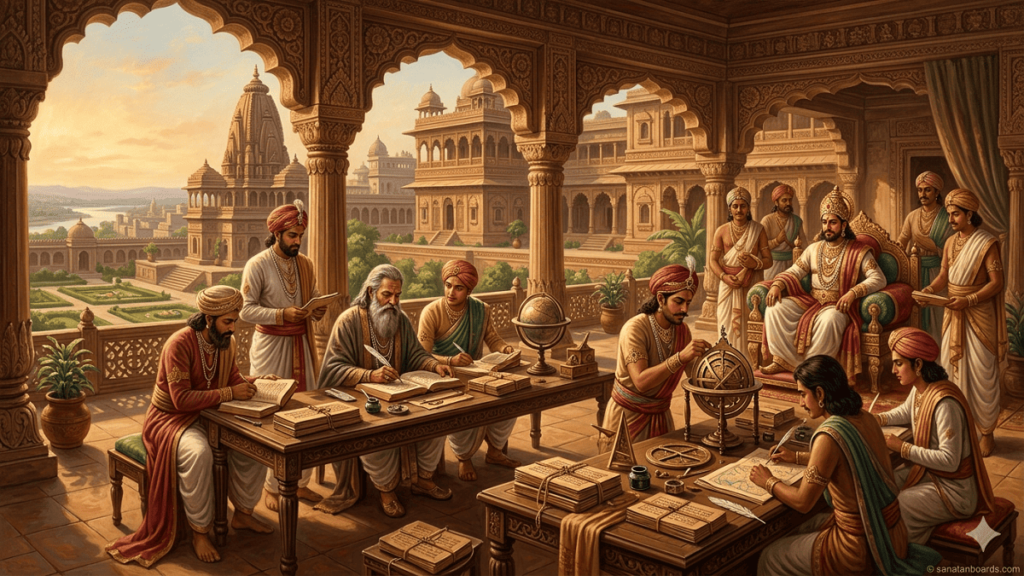
Ancient Indian kingdoms and their rulers played a pivotal role in shaping the subcontinent’s political, cultural, and socio-economic development. From the Maurya Empire in the north to the Chola dynasty in the south, these kingdoms established governance systems, trade networks, and cultural legacies that continue to influence modern India. This white paper explores their administrative structures, leadership models, socio-cultural contributions, and lessons for contemporary society.
Introduction
The study of Ancient Indian Kingdoms & Kings provides a comprehensive understanding of leadership, governance, culture, and economic systems in historical India. These kingdoms existed from the early Vedic period (~1500 BCE) to the late medieval period (~1200 CE) and were characterized by diverse political models, ranging from centralized empires to decentralized regional states. Kings were the central figures responsible for law, administration, defense, and cultural patronage.
Historical Overview
Maurya Empire (321–185 BCE)
Founded by Chandragupta Maurya, the Maurya Empire unified northern India. Chandragupta established a centralized administration with provincial governors and a robust military system. His grandson, Ashoka the Great, introduced moral governance based on dharma, promoting non-violence, religious tolerance, and welfare programs. Ashoka’s edicts, carved on pillars and rocks, reflect early forms of public communication and state propaganda.
Gupta Empire (circa 320–550 CE)
The Gupta dynasty is often referred to as the “Golden Age of India.” Kings like Chandragupta I and Samudragupta oversaw territorial expansion and cultural flourishing. The Gupta administration balanced central authority with local governance, ensuring stability while promoting intellectual and artistic achievements. Innovations in mathematics, astronomy, and literature marked this period as a hub of cultural and scientific progress.
Southern Kingdoms: Cholas, Pandyas, Cheras
Southern kingdoms, particularly the Cholas (9th–13th centuries CE), excelled in trade, temple architecture, and maritime power. Rajaraja Chola I expanded the empire across Southeast Asia, establishing cultural and commercial influence. Temples served as both religious and economic centers, showcasing architectural innovation and artistic mastery. The Pandyas and Cheras were smaller but strategically important in trade and cultural development.
Governance and Leadership Models
Ancient Indian kings developed sophisticated governance systems. Mauryan rulers implemented bureaucracies with ministers, spies, and regional governors. Gupta rulers combined central control with local autonomy, enabling effective administration over diverse populations. Southern kingdoms managed trade, taxation, and agricultural productivity efficiently.
Leadership principles emphasized dharma, justice, and moral conduct. Ashoka’s ethical governance demonstrates how moral principles were integrated into statecraft. Kings were also patrons of scholars, artists, and religious institutions, which strengthened societal cohesion and cultural continuity.
Socio-Cultural Impact
Kings influenced religion, education, art, and societal norms. Ashoka promoted Buddhism and moral governance; Gupta rulers supported Sanskrit literature, poetry, and classical arts; Chola kings facilitated temple construction and bronze sculpture. Cultural patronage created enduring legacies that shaped Indian civilization. Temples, inscriptions, coins, and monuments remain primary sources of historical knowledge.
Economic Contributions
Agriculture, trade, and crafts were the economic backbone of these kingdoms. Northern empires engaged in trade with Persia, Central Asia, and the Mediterranean. Southern kingdoms dominated maritime trade, exporting textiles, spices, and precious metals. Economic prosperity funded public works, cultural projects, and military campaigns, reflecting a direct link between governance and economic management.
Lessons for Modern Governance
Studying Ancient Indian Kingdoms & Kings provides insights into leadership, administration, and cultural integration:
- Centralized yet adaptable governance: Maurya centralization vs. Gupta regional autonomy illustrates the balance between control and flexibility.
- Ethical leadership: Ashoka’s dharma-based rule emphasizes moral responsibility in governance.
- Cultural and intellectual patronage: Encouraging arts, literature, and education strengthens societal cohesion.
- Economic foresight: Trade networks and resource management ensured stability and growth.
- Diplomacy and strategy: Regional and international interactions highlight the importance of alliances and negotiation.
Challenges and Considerations
Despite their achievements, these kingdoms faced internal conflicts, succession crises, and regional rebellions. The diversity of languages, religions, and cultures sometimes complicated administration. Understanding these challenges is essential for contextualizing historical success and failures.
Conclusion
Ancient Indian kingdoms and kings shaped India’s political, cultural, and economic landscape, leaving legacies that continue to resonate today. #ancientindiankingdoms&kingsinmumbai Their administrative innovations, ethical leadership, cultural patronage, and economic management provide timeless lessons for historians, policymakers, and educators. #ancientindiankingdoms&kingsinvasai Studying these kingdoms fosters a deeper understanding of India’s heritage and offers practical insights into governance, culture, and societal development.
Industry Applications Of Ancient Indian Kingdoms & Kings
Introduction
The study of Ancient Indian Kingdoms & Kings is not only important for historical knowledge but also has practical applications in several modern industries. From education and tourism to media, cultural heritage management, and governance studies, the legacies of ancient rulers provide insights that influence contemporary practices. This paper explores these industry applications and demonstrates the relevance of historical knowledge in modern contexts.
1. Education Industry
Knowledge of Ancient Indian Kingdoms & Kings is foundational in the education sector. Schools, colleges, and universities incorporate this history into curricula for history, political science, cultural studies, and archaeology. Educational publishers design textbooks, study guides, and digital resources to teach students about rulers like Chandragupta Maurya, Ashoka the Great, and the Gupta and Chola kings.
Higher education and research rely on case studies, inscriptions, coins, and monuments as primary sources for academic projects. E-learning platforms and virtual classrooms increasingly offer interactive content, simulations, and historical reconstructions to teach governance, culture, and economic systems of ancient India. Competitions and exams, such as civil services, rely heavily on knowledge of these kingdoms, demonstrating a direct industry need for structured educational content.
2. Cultural Heritage and Tourism Industry
Ancient kingdoms and their rulers left behind a wealth of monuments, temples, forts, and inscriptions, forming the backbone of India’s heritage tourism. Knowledge of these kings enables museums, heritage sites, and cultural institutions to create engaging educational experiences. For example:
- Chola temples like the Brihadeeswarar Temple in Thanjavur attract both scholars and tourists due to their historical and architectural significance.
- Mauryan pillars and Ashokan edicts serve as interpretive tools for museums and heritage walks.
- Gupta-era sculptures and coins are showcased in museum exhibitions to educate visitors about the Golden Age of India.
Tour operators and travel agencies develop curated historical tours, virtual reality experiences, and educational programs based on the lives of these rulers. Government organizations and NGOs working in cultural preservation rely on historical expertise to maintain and restore monuments accurately, ensuring cultural continuity and tourism appeal.
3. Media and Entertainment Industry
Films, television series, documentaries, and digital content creators increasingly draw on the rich narratives of ancient Indian kingdoms. Kings like Ashoka, Chandragupta, and Rajaraja Chola provide compelling storylines for historical dramas, educational shows, and animated series. Knowledge of administrative practices, wars, diplomacy, and cultural achievements adds authenticity to scripts, sets, and storytelling.
Streaming platforms and digital media leverage accurate historical content to engage audiences and promote cultural awareness. Podcasts, YouTube channels, and online courses about Indian history also capitalize on this knowledge for educational entertainment, blending scholarship with mass media.
4. Governance and Leadership Studies
Modern leadership training programs and public administration courses analyze ancient Indian kingdoms for lessons in governance, ethics, and strategic decision-making. Ashoka’s emphasis on dharma and welfare programs demonstrates ethical leadership principles applicable in modern administration. The Mauryan bureaucracy highlights organizational efficiency, while Gupta-era balance of central and local governance informs contemporary governance models.
Civil services training, policy research institutes, and think tanks integrate these historical lessons into courses on administration, conflict resolution, and socio-economic planning. Kings’ trade policies and diplomatic strategies also serve as case studies in economic and political strategy courses.
5. Research and Archaeological Industry
Archaeologists, historians, and researchers continuously study ancient kingdoms through excavations, inscriptions, coins, and architectural remains. Research institutes and universities require expertise in ancient governance, social systems, and cultural practices to interpret findings. Numismatics, epigraphy, and architectural studies rely on knowledge of these kings to identify artifacts and understand their historical significance.
International collaborations with UNESCO and heritage organizations often focus on preserving and studying ancient Indian sites. This creates employment opportunities for historians, conservationists, archaeologists, and educators who apply their knowledge to research, preservation, and public engagement.
6. Digital and Interactive Industry
The digital industry increasingly uses gamification, virtual reality (VR), and augmented reality (AR) to teach history. Historical simulations based on ancient Indian kingdoms allow students, gamers, and enthusiasts to experience administration, warfare, and cultural life of the past. Mobile apps, online platforms, and educational games use accurate depictions of kings, territories, and historical events to promote immersive learning.
Such digital applications combine entertainment, education, and research, creating demand for historical expertise to ensure accuracy in content development.
Conclusion
Ancient Indian Kingdoms & Kings continue to influence multiple industries today. Education, tourism, media, governance, research, and #sanatandharmaaccreditationboardsinmumbaidigital industries all benefit from accurate knowledge of these rulers and their contributions. By integrating historical scholarship into modern applications, industries can preserve cultural heritage, educate future generations, and promote India’s rich historical legacy. #sanatandharmaaccreditationboardsinvasai Understanding ancient kings is not only about studying the past but also applying lessons from leadership, governance, trade, and culture to contemporary challenges.
source : Knowledgia
ASK FAQ
What were the major ancient Indian kingdoms?
Major kingdoms included the Maurya, Gupta, Chola, Pandya, Chera, and Magadha empires, each contributing to India’s political and cultural history.
Who were the most famous ancient Indian kings?
Notable rulers were Chandragupta Maurya, Ashoka the Great, Samudragupta, and Rajaraja Chola I.
When did the ancient Indian kingdoms flourish?
Ancient kingdoms flourished from around 1500 BCE (Vedic period) to 1200 CE (early medieval period), with peaks during the Maurya and Gupta eras.
Where were the major ancient Indian kingdoms located?
Northern kingdoms like Maurya and Gupta were in present-day North and Central India; southern kingdoms like Chola, Pandya, and Chera were in Tamil Nadu and Kerala.
Why is it important to study ancient Indian kingdoms and kings?
Studying them helps understand governance, culture, trade, religion, art, and the historical foundations of modern Indian society.
Table of Contents
Disclaimer
The content provided on Ancient Indian Kingdoms & Kings is for educational, informational, and knowledge-sharing purposes only. It is not intended as professional, legal, or academic advice. While every effort has been made to ensure historical accuracy, some details may vary according to different sources, interpretations, or ongoing research in archaeology and history. Readers are encouraged to consult primary sources, scholarly works, and academic references for rigorous study or citation. This content is meant to enhance learning and awareness of India’s historical heritage and should not be considered the sole authority on the subject.