
MUNNESWARAM TEMPLE (SRI LANKA)
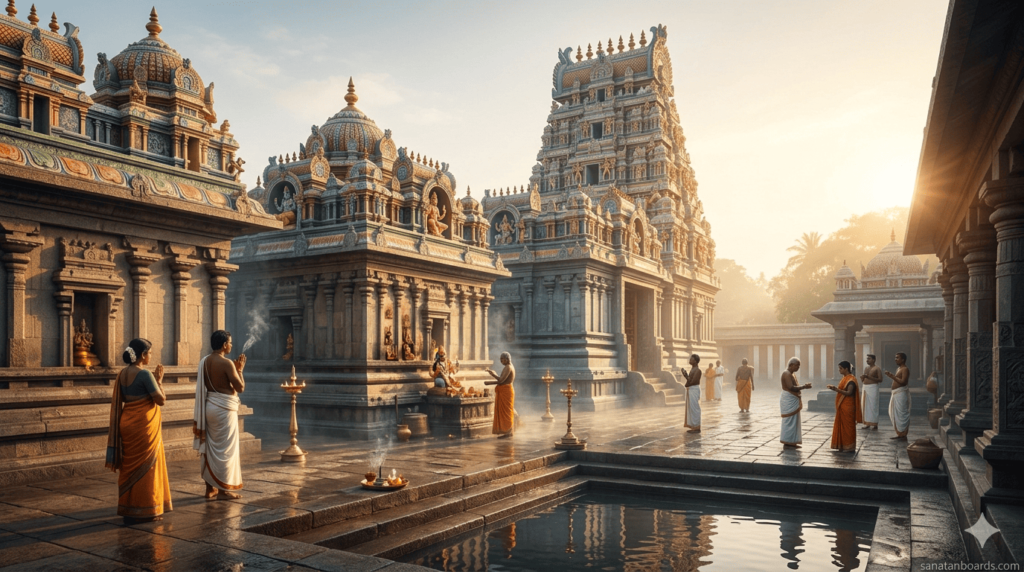
Munneswaram Temple stands as one of the most culturally and spiritually significant Hindu temples in Sri Lanka. Located in the coastal town of Chilaw, this ancient temple complex is deeply rooted in mythology, history, and religious tradition. It is primarily dedicated to Lord Shiva, one of the principal deities in Hinduism, and is considered part of the five ancient temples known as the Pancha Ishwarams.
The temple holds a unique place in both Sri Lankan and South Asian spiritual geography. It is believed to date back over a thousand years, although exact historical records vary. Despite periods of destruction during colonial invasions, especially under Portuguese rule, the temple has been restored multiple times, preserving its religious importance.
Munneswaram Temple is not only a religious center but also a symbol of cultural continuity. Devotees from different parts of Sri Lanka and neighboring countries visit throughout the year, especially during the annual Munneswaram festival, which is marked by vibrant rituals, processions,and traditional performances.
The temple complex includes several shrines dedicated to different deities, reflecting a blend of Shaivite and local spiritual traditions. Its architecture showcases Dravidian influences,with intricate carvings and sacred spaces designed for ritual worship.
Overall, Munneswaram Temple represents a powerful intersection of faith, history, and identity. It continues to serve as a spiritual anchor for many while also attracting scholars and travelers interested in understanding the religious landscape of Sri Lanka.
What Is Munneswaram Temple (Sri Lanka) ?
Munneswaram Temple is a prominent Hindu temple complex located in the northwestern region of Sri Lanka, near the town of Chilaw. It is primarily dedicated to Lord Shiva and forms part of a group of ancient temples known as the Pancha Ishwarams, which are believed to have been established in honor of Shiva across the island.
The temple is more than just a place of worship; it is a historical and cultural institution that reflects centuries of religious evolution. It consists of multiple shrines, with the main sanctum devoted to Shiva, while other shrines honor deities such as Ganesha, Kali, and Ayyanayake. This multi-deity structure illustrates the syncretic nature of religious practices in Sri Lanka, where Hinduism often blends with local traditions.
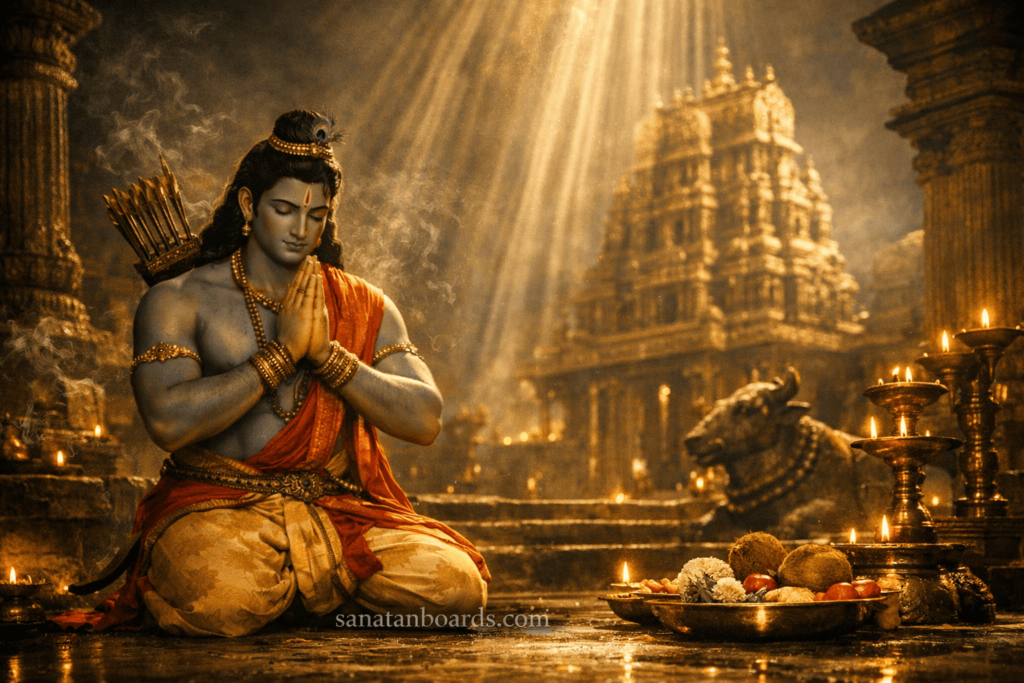
One of the defining aspects of Munneswaram Temple is its connection to the epic Ramayana. According to legend, Rama, after defeating Ravana, sought to cleanse himself of the sin of killing a Brahmin. He is believed to have prayed at Munneswaram Temple to seek forgiveness from Lord Shiva. This association enhances the temple’s spiritual importance and attracts pilgrims interested in Ramayana-related sites.
Architecturally, the temple follows traditional Dravidian styles, characterized by elaborate carvings, towering structures, and symbolic layouts. Despite destruction during colonial times, especially by the Portuguese in the 16th century, the temple has been rebuilt and continues to function as an active place of worship.
Today, Munneswaram Temple serves as a major pilgrimage destination. It hosts annual festivals, particularly the Munneswaram Festival, which draws thousands of devotees. These events include rituals, processions, and cultural performances that highlight the temple’s role in preserving heritage.
Who Is Required Munneswaram Temple (Sri Lanka) ?
Munneswaram Temple is relevant to a wide range of individuals and groups, each engaging with the temple for different purposes. Primarily, it serves Hindu devotees who seek spiritual fulfillment, religious rituals, and divine blessings. Followers of Lord Shiva visit the temple to perform पूजा (worship), seek forgiveness, and participate in sacred ceremonies.
Pilgrims interested in the Ramayana tradition are also closely connected to the temple. Since it is believed that Rama prayed here, individuals exploring religious narratives often include Munneswaram in their spiritual journeys. This makes the temple important for both religious tourism and mythological studies.
Scholars and researchers in fields such as religious studies, anthropology, and history find the temple highly valuable. It offers insights into the evolution of Hindu practices in Sri Lanka, especially the blending of South Indian and local traditions. The temple’s survival through colonial disruptions also provides material for historical analysis.
Cultural enthusiasts and travelers are another group for whom Munneswaram Temple holds importance. The annual festivals, traditional music, and rituals provide a rich cultural experience. Tourists interested in heritage and architecture visit to explore its Dravidian design and symbolic layout.
Local communities also rely on the temple as a social and cultural hub. It plays a role in community bonding, economic activity through tourism, and preservation of traditions. Vendors, artisans, and performers benefit from the temple’s activities.
Even non-Hindus sometimes visit the temple out of curiosity or respect, reflecting Sri Lanka’s multicultural environment. The temple becomes a space where different beliefs intersect peacefully.
When Munneswaram Temple (Sri Lanka) Is Required ?
Munneswaram Temple becomes especially significant during specific times tied to religious practices, festivals, and personal spiritual needs. One of the most important periods is the annual Munneswaram Festival, usually held between August and September. During this time, thousands of devotees gather to participate in rituals, processions, and offerings.
Another important time is during major Hindu festivals such as Maha Shivaratri, a night dedicated to Lord Shiva. Devotees visit the temple to fast, pray, and engage in continuous worship, seeking spiritual purification and blessings.
The temple is also visited during personal milestones or crises. Individuals come to seek divine guidance during challenging phases of life, such as illness, financial difficulties, or family issues. It is believed that prayers offered at Munneswaram carry significant spiritual power.
In the context of the Ramayana tradition, devotees may visit the temple when performing religious pilgrimages across Sri Lanka. Since Rama is believed to have worshipped here, the temple becomes a key stop in such journeys.
Daily worship also makes the temple relevant throughout the year. Regular पूजा rituals ensure that it remains an active spiritual center, not limited to specific events.
From a cultural perspective, the temple is important during times when traditional practices are celebrated and preserved. Festivals and rituals provide opportunities for communities to engage in shared cultural expressions.
Thus, Munneswaram Temple is required both during major religious events and in everyday spiritual life, making it continuously relevant.
Where Munneswaram Temple (Sri Lanka) Is Required ?
Munneswaram Temple is located in Chilaw, a coastal town in the northwestern province of Sri Lanka. Its geographical location plays a significant role in its accessibility and importance.
The temple is strategically positioned near major transport routes, making it accessible to pilgrims and tourists from across the island. Its proximity to urban centers allows for steady visitor flow, contributing to its prominence.
Within Sri Lanka, Munneswaram Temple is part of a broader network of religious and cultural sites. It is often included in pilgrimage circuits, especially those related to the Ramayana. This places it within a larger spiritual map that attracts both local and international visitors.
The temple’s location also connects it to local communities. It serves as a central place for religious gatherings, festivals, and social activities. This makes it not just a destination but an integral part of regional life.
From a symbolic perspective, the “where” extends beyond physical geography. The temple represents a spiritual space where individuals seek connection with the divine. Its sanctum is considered sacred ground where rituals gain heightened significance.
In tourism, the temple is part of cultural routes that showcase Sri Lanka’s heritage. Visitors exploring historical and religious landmarks often include Munneswaram in their itineraries.
Thus, the temple is required both as a physical location in Sri Lanka and as a symbolic spiritual destination.
How Munneswaram Temple (Sri Lanka) Is Required ?
Ashok Vatika, located in the scenic region of Nuwara Eliya, is deeply connected to the Ramayana narrative and holds cultural and spiritual significance. It is believed to be the place where Sita was kept captive by Ravana.
Ashok Vatika is required primarily for its mythological importance. Devotees and pilgrims visit the site to connect with the story of Sita’s resilience and devotion. It serves as a place of reflection and spiritual engagement.
The site is also important for tourism. Its natural beauty, combined with its legendary associations, attracts visitors from around the world. It contributes to Sri Lanka’s identity as a destination rich in mythology and heritage.
Educationally, Ashok Vatika provides insights into how epic narratives influence real-world locations. Scholars and students study the site to understand the intersection of mythology and geography.
Culturally, the site helps preserve traditional stories and beliefs. Rituals and storytelling practices associated with the Ramayana keep these traditions alive.
Thus, Ashok Vatika is required as a spiritual, cultural, and educational landmark.
Case Study On Munneswaram Temple (Sri Lanka)
Munneswaram Temple provides an insightful case study in the areas of religious resilience, cultural sustainability, and socio-economic development. The temple, believed to be over a thousand years old, has endured significant historical challenges, including destruction during colonial rule, particularly by the Portuguese in the 16th century. Despite these setbacks, it has been repeatedly restored by local communities, demonstrating strong cultural attachment and religious commitment.
One of the most notable aspects of this case is the temple’s role in preserving Hindu traditions within Sri Lanka, a nation where Buddhism is the dominant religion. Munneswaram Temple acts as a key spiritual center for the Hindu minority, offering a space where rituals, festivals, and beliefs are maintained across generations. This highlights its importance as a cultural anchor that supports identity and continuity.
Economically, the temple significantly contributes to the local economy of Chilaw. The annual Munneswaram Festival attracts thousands of pilgrims and tourists, leading to increased demand for accommodation, food services, transport, and local goods. Vendors, artisans, and small businesses benefit directly from this influx, making the temple a driver of microeconomic activity.
From a tourism perspective, the temple is an integral part of Sri Lanka’s heritage and religious tourism circuits. Its association with the Ramayana narrative, particularly the story of Rama seeking forgiveness, enhances its international appeal. Visitors from countries like India often include it in pilgrimage tours, boosting cross-border tourism.
Socially, Munneswaram Temple fosters community cohesion. Festivals and daily rituals bring people together, strengthening social ties and promoting cultural expression. It also serves as a platform for traditional arts, music, and performances, ensuring that intangible cultural heritage is preserved.
However, the temple faces several challenges. These include managing large crowds during festivals, maintaining the structural integrity of ancient buildings, and balancing modernization with tradition. Environmental concerns, such as waste management during large gatherings, also require attention.
Efforts to address these issues involve collaboration between temple authorities, local government, and community organizations. Infrastructure improvements, better crowd control measures, and conservation initiatives are being implemented to sustain the temple’s legacy.
In conclusion, Munneswaram Temple exemplifies how a religious institution can adapt to changing circumstances while preserving its core values. It serves as a model for cultural resilience, economic contribution, and social unity, making it a valuable case study for scholars and policymakers alike.
White Paper On Munneswaram Temple (Sri Lanka)
Munneswaram Temple represents a critical asset in Sri Lanka’s cultural, religious, and economic landscape. This white paper examines the temple’s significance and outlines strategies for its sustainable development and preservation.
Historically, Munneswaram Temple has demonstrated remarkable resilience. Despite repeated destruction during colonial invasions, it has been rebuilt through community efforts. This resilience underscores the deep-rooted cultural and spiritual importance of the temple. Preservation of such sites is essential not only for religious purposes but also for maintaining national heritage.
From a tourism perspective, the temple is a major attraction. It draws both domestic and international visitors, particularly those interested in religious tourism and the Ramayana trail. The temple’s connection to Rama enhances its global recognition. Tourism generated by the temple contributes significantly to local and national economies.
However, increased tourism also presents challenges. Infrastructure must be developed to accommodate visitors without compromising the temple’s sanctity. This includes improved transportation, sanitation facilities, and visitor management systems. Sustainable tourism practices are essential to ensure long-term viability.
Policy recommendations include the implementation of heritage conservation programs. These should focus on restoring and maintaining the temple’s architectural features while respecting traditional designs. Collaboration between government agencies, cultural organizations, and local communities is crucial for effective preservation.
Environmental sustainability is another key consideration. Large festivals generate waste and place pressure on local resources. Introducing eco-friendly practices, such as waste segregation and recycling, can mitigate environmental impact.
The temple also has potential for cultural diplomacy. As a site of historical and religious significance, it can strengthen cultural ties between Sri Lanka and other countries, particularly India. Promoting the temple internationally can enhance Sri Lanka’s image as a destination rich in heritage and spirituality.
In addition, digital initiatives can play a role in preservation and promotion. Virtual tours, online resources, and digital archives can make the temple accessible to a global audience while preserving its history for future generations.
In conclusion, Munneswaram Temple is more than #sanatanboardsinvasai a religious site; it is a valuable cultural and economic asset. Strategic planning and sustainable practices are essential to ensure its continued relevance and preservation.
Industry Application On Munneswaram Temple (Sri Lanka)
Munneswaram Temple demonstrates significant applications across various industries, including tourism, cultural management, education, and local economic development.
In the tourism industry, the temple serves as a major attraction within Sri Lanka’s religious and heritage tourism sectors. Travel agencies and tour operators include it in pilgrimage packages, especially those linked to the Ramayana trail. Its association with Rama enhances its appeal to international visitors, particularly from India. This drives demand for hotels, transport services, and guided tours, contributing to the growth of the tourism ecosystem.
In cultural management, Munneswaram Temple provides a model for preserving heritage while accommodating modern needs. The organization of large-scale festivals requires effective planning, coordination, and resource management. Event management professionals can study these processes to understand how traditional events can be conducted efficiently in contemporary settings.
The education sector also benefits from the temple’s existence. It serves as a practical case study for students and researchers in fields such as history, anthropology, religious studies, and cultural tourism. Academic institutions can use the temple to illustrate concepts related to cultural preservation, religious practices, and community engagement.
In terms of local economic development, the temple plays a crucial role. Festivals and daily activities generate income for local businesses, including vendors, artisans, and service providers. The demand for traditional crafts, food, and religious items supports small-scale industries and promotes entrepreneurship.
The temple also influences the hospitality industry. Hotels and guesthouses in and around Chilaw benefit from the steady flow of visitors. This encourages investment in infrastructure and improves service standards.
Another important application is in media and content creation. The temple’s rich history and cultural significance make it a subject for documentaries, blogs, and digital content. This not only promotes the temple but also contributes to the creative industry.
Furthermore, the temple has potential applications in sustainable development initiatives. By adopting eco-friendly practices during festivals and daily operations, it can serve as a model for environmentally responsible cultural sites.
In conclusion, Munneswaram Temple’s impact extends beyond religion. It influences multiple industries by driving tourism, supporting local economies, #sanatanboardsinindia and providing educational and cultural value. Its multifaceted applications highlight its importance as both a spiritual and economic asset.
source : Sri Lanka Tourism
ASK FAQ
1. What is Munneswaram Temple famous for?
Munneswaram Temple is famous for being an ancient Hindu temple dedicated to Lord Shiva and for its connection to the Ramayana, where Rama is believed to have prayed for forgiveness.
2. Where is Munneswaram Temple located?
Munneswaram Temple is located in Chilaw, in the northwestern part of Sri Lanka, making it easily accessible for pilgrims and tourists.
3. Why do people visit Munneswaram Temple?
People visit the temple for spiritual worship, to seek blessings from Lord Shiva, and to explore its historical and mythological significance.
4. What is the significance of Munneswaram Temple in the Ramayana?
According to legend, Rama prayed at the temple to cleanse himself after defeating Ravana, making it an important Ramayana site.
5. When is the best time to visit Munneswaram Temple?
The best time to visit is during the annual Munneswaram Festival (August–September) or during Maha Shivaratri for a vibrant spiritual experience.
Table of Contents
Disclaimer
This content is intended for informational and educational purposes only. While efforts have been made to ensure accuracy, historical interpretations and religious beliefs may vary across sources and traditions. The descriptions provided are based on commonly accepted narratives and cultural understandings. Readers are encouraged to consult additional scholarly resources or official authorities for detailed research or verification. धार्मिक and cultural sensitivities should be respected when interpreting or using this information. The content does not intend to promote or discredit any belief system but aims to present a balanced overview of the topic for general awareness and knowledge enhancement.