CHOTA CHAR DHAM (UTTARAKHAND)
Chota Char Dham (Uttarakhand) is one of the most sacred pilgrimage circuits in India, located in the Himalayan state of Uttarakhand. It comprises four holy sites—Yamunotri, Gangotri, Kedarnath, and Badrinath—which are deeply rooted in Hindu religious beliefs and traditions. These destinations are not only spiritual centers but also represent the cultural and geographical richness of the Indian Himalayas. The journey to these shrines is considered a path toward spiritual purification and self-realization.
The significance of Chota Char Dham lies in its association with divine rivers and deities. Yamunotri is the source of the Yamuna River while Gangotri marks the origin of the Ganges River. Kedarnath is dedicated to Lord Shiva, and Badrinath is devoted to Lord Vishnu. Together, these sites symbolize the harmony of nature and spirituality, attracting millions of devotees every year.
The pilgrimage usually begins from Yamunotri, followed by Gangotri, Kedarnath, and finally Badrinath. This sequence is traditionally followed in a clockwise direction. The journey is physically demanding due to high altitudes and rugged terrain, yet it remains a deeply fulfilling experience for pilgrims.
Apart from religious importance, Chota Char Dham also contributes significantly to tourism and local livelihoods. The route offers breathtaking landscapes, including snow-capped mountains rivers, valleys, and forests. Over time, improved infrastructure has made the pilgrimage more accessible while preserving its spiritual essence.
Chota Char Dham continues to be a symbol of faith, devotion, and resilience. It connects individuals with nature and divinity, making it a unique and transformative experience for those who undertake the journey.
What Is Chota Char Dham (Uttarakhand) ?
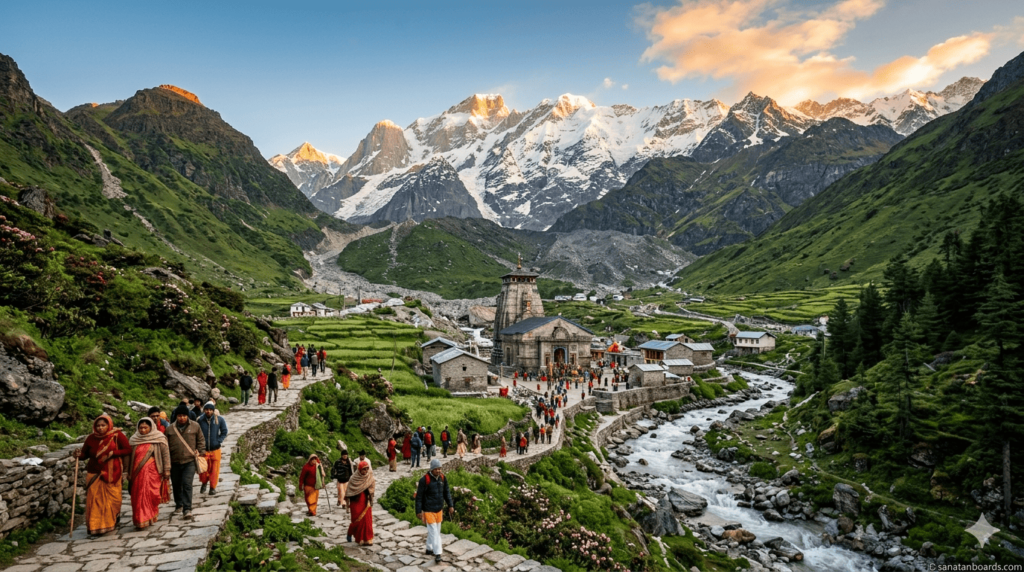
Chota Char Dham (Uttarakhand) refers to a group of four sacred pilgrimage sites located in the Garhwal region of Uttarakhand in India. The term “Chota” distinguishes it from the larger Char Dham circuit in India, which includes Badrinath, Dwarka, Puri, and Rameswaram. The Chota Char Dham circuit is considered highly significant in Hinduism and is visited by devotees seeking spiritual growth and liberation.
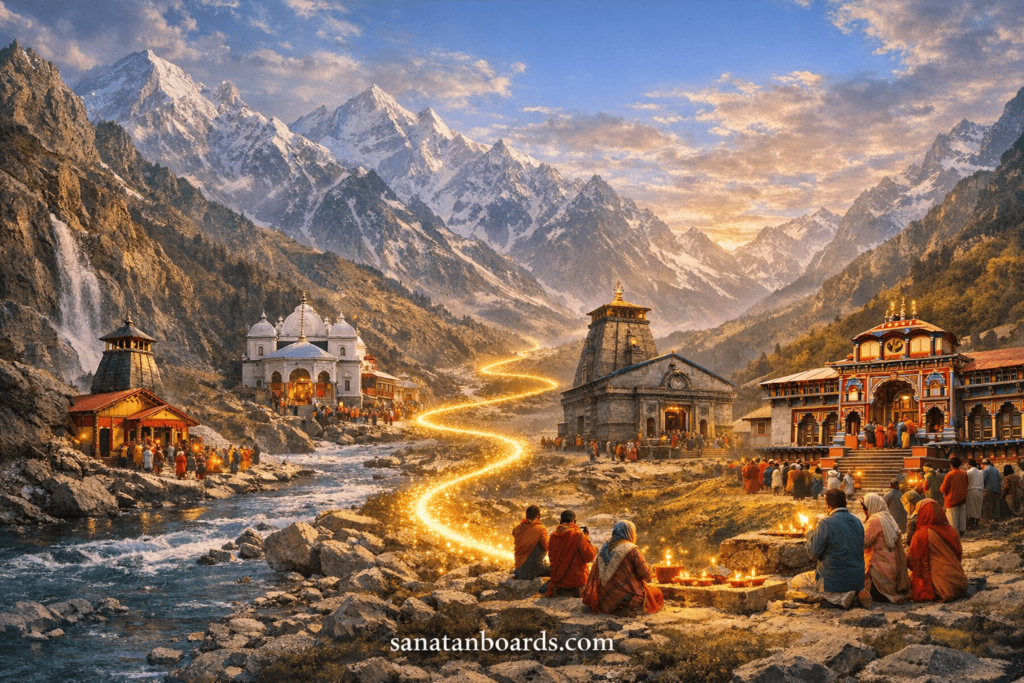
The four sites included in this circuit are Yamunotri, Gangotri, Kedarnath, and Badrinath. Yamunotri is the source of the Yamuna River and is dedicated to Goddess Yamuna. Gangotri, the origin of the Ganges River, is dedicated to Goddess Ganga. Kedarnath is one of the twelve Jyotirlingas and holds immense importance for devotees of Lord Shiva. Badrinath, dedicated to Lord Vishnu, is one of the most important pilgrimage sites in India.
These temples are located at high altitudes, ranging from approximately 3,000 to over 3,500 meters above sea level. Due to extreme weather conditions, they remain open only for a limited period each year, typically from April or May to October or November. During winter, the deities are moved to lower-altitude temples.
The pilgrimage is not only a religious journey but also a test of physical endurance and mental strength. Pilgrims often travel by road, trek, or use helicopter services to reach these shrines.
Chota Char Dham represents a combination of faith, tradition, and natural beauty. It plays a crucial role in preserving India’s spiritual heritage while promoting tourism and economic development in the region.
Who Is Required Chota Char Dham (Uttarakhand) ?
Chota Char Dham (Uttarakhand) pilgrimage is primarily undertaken by individuals who seek spiritual fulfillment, religious merit, and inner peace. Devotees of Hinduism form the largest group of pilgrims, as the four sacred sites are deeply connected to Hindu mythology and beliefs. People who have strong faith in deities such as Lord Shiva, Lord Vishnu, Goddess Ganga, and Goddess Yamuna often consider this journey essential in their spiritual life.
Elderly individuals frequently undertake this pilgrimage with the belief that visiting these holy shrines helps in attaining salvation or liberation from the cycle of birth and death. Many families also consider it a duty to ensure that their elders complete this sacred journey at least once in their lifetime.
Apart from religious devotees, spiritual seekers and individuals interested in self-discovery also undertake the Chota Char Dham Yatra. The serene environment, combined with the challenging terrain, provides an opportunity for introspection and mental clarity. The journey encourages discipline, patience, and resilience, which are valuable for personal growth.
Tourists and nature enthusiasts are another group attracted to this circuit. The Himalayan landscapes, rivers, and valleys offer a unique travel experience. Researchers and scholars studying religion, culture, and geography also visit these sites for academic purposes.
Additionally, government authorities, travel agencies, and service providers are indirectly involved in facilitating the pilgrimage. Their role ensures the smooth functioning of transportation, accommodation, and safety measures.
Overall, Chota Char Dham is relevant to a wide range of individuals, including devotees, tourists, researchers, and service providers, making it a multifaceted journey that caters to spiritual, cultural, and experiential needs.
When Chota Char Dham (Uttarakhand) Required ?
The Chota Char Dham (Uttarakhand) pilgrimage is undertaken during a specific period each year due to climatic and geographical conditions. The temples are located in high-altitude regions of the Himalayas, where extreme weather conditions make access difficult during winter. As a result, the pilgrimage season typically begins in late April or early May and continues until October or early November.
The opening dates of the temples are determined based on auspicious occasions and traditional Hindu calendars. For example, the portals of the temples often open around the festival of Akshaya Tritiya, which is considered highly sacred. The closing dates usually coincide with the festival of Diwali or Bhai Dooj. During the winter months, heavy snowfall covers the region, making travel unsafe and leading to the temporary closure of the temples.
The best time to undertake the Chota Char Dham Yatra is generally between May and June and again from September to October. During these periods, the weather is relatively stable, and the roads are accessible. The monsoon season, which occurs between July and August, is often avoided due to the risk of landslides, floods, and road blockages.
Apart from seasonal considerations, the pilgrimage is also undertaken during important life events or spiritual milestones. Many individuals choose to visit the Chota Char Dham after retirement, during religious vows, or as part of fulfilling a lifelong aspiration. Some people also undertake the journey to seek blessings during challenging phases of life or to express gratitude for positive outcomes.
The timing of the pilgrimage is crucial not only for safety but also for ensuring a meaningful spiritual experience. Planning the journey during the appropriate season allows pilgrims to complete the circuit comfortably and safely.
Where Chota Char Dham (Uttarakhand) Required ?
Chota Char Dham (Uttarakhand) is located in the northern Indian state of Uttarakhand, specifically in the Garhwal Himalayas. The four pilgrimage sites are situated in different districts, each offering unique geographical and spiritual significance.
Yamunotri is located in the Uttarkashi district and marks the origin of the Yamuna River. It is surrounded by glaciers and thermal springs. Gangotri, also in Uttarkashi district, is the source of the Ganges River and is situated along the banks of the Bhagirathi River. Kedarnath, located in the Rudraprayag district, is nestled near the Mandakini River and is one of the most revered shrines dedicated to Lord Shiva. Badrinath, situated in the Chamoli district, lies along the Alaknanda River and is dedicated to Lord Vishnu.
These locations are spread across mountainous terrain, making the journey both challenging and scenic. Pilgrims typically start their journey from cities like Haridwar, Rishikesh, or Dehradun, which serve as the main gateways to the Chota Char Dham circuit. From these starting points, travelers proceed by road to reach the base camps of each shrine, followed by trekking or alternative transport options.
The significance of these locations lies in their natural surroundings and spiritual atmosphere. The rivers, mountains, and forests contribute to the sacredness of the pilgrimage. Each site is carefully chosen based on its historical, mythological, and geographical importance.
The requirement of Chota Char Dham in these locations highlights the connection between nature and spirituality. The remote and serene environment enhances the sense of devotion and introspection among pilgrims.
Overall, Chota Char Dham is required in the Himalayan region of Uttarakhand, where the natural landscape and religious heritage come together to create a unique pilgrimage experience.
How Chota Char Dham (Uttarakhand) Is Required ?
Chota Char Dham (Uttarakhand) is required through a structured pilgrimage process that involves planning, travel, and participation in religious practices. The journey begins with careful preparation, including registration, booking transportation, and arranging accommodation. Pilgrims must also ensure physical fitness due to the challenging terrain and high altitudes.
The traditional route follows a specific sequence: Yamunotri, Gangotri, Kedarnath, and Badrinath. This order is followed to maintain religious significance and continuity. Travel is primarily done by road using buses, private vehicles, or organized tour packages. In recent years, helicopter services have also been introduced to make the यात्रा more accessible, especially for elderly individuals.
Upon reaching each destination, pilgrims participate in rituals such as पूजा (worship), दर्शन (viewing the deity), and offering prayers. These practices are considered essential for completing the pilgrimage. Many pilgrims also take holy dips in the rivers near Yamunotri and Gangotri as part of purification rituals.
Safety and sustainability are important aspects of the pilgrimage. Authorities have implemented measures such as registration systems, medical facilities, and disaster management protocols to ensure the well-being of travelers. Environmental conservation efforts are also emphasized to protect the fragile Himalayan ecosystem.
The role of infrastructure is crucial in facilitating the pilgrimage. Roads, bridges, accommodation facilities, and communication networks have been developed to support the increasing number of visitors. At the same time, efforts are made to preserve the cultural and spiritual essence of the journey.
Case Study On Chota Char Dham (Uttarakhand)
The Chota Char Dham Yatra in Uttarakhand serves as an important case study in understanding the intersection of religion, tourism, infrastructure, and environmental sustainability. Over the years, this pilgrimage has evolved from a traditional spiritual journey into a large-scale organized activity involving millions of participants annually.
One of the most significant developments in recent years is the Char Dham Road Project, initiated to improve connectivity between the four pilgrimage sites. The project aims to provide all-weather road access, reduce travel time, and enhance safety. While the initiative has boosted tourism and made the यात्रा more accessible, it has also raised concerns about environmental impact, including deforestation and landslides.
Another important aspect of this case study is disaster management. The 2013 Uttarakhand floods had a profound impact on the Kedarnath region, causing significant loss of life and infrastructure damage. This event highlighted the need for better planning, early warning systems, and sustainable development practices. Since then, authorities have implemented stricter safety measures, improved weather monitoring, and enhanced emergency response systems.
The economic impact of the Chota Char Dham Yatra is substantial. Local communities benefit from increased employment opportunities in sectors such as hospitality, transportation, and retail. Small businesses, including shops and lodges, depend heavily on the pilgrimage season for their income. Government revenue from tourism also contributes to regional development.
From a cultural perspective, the pilgrimage helps preserve traditional practices, rituals, and local heritage. It fosters a sense of community and shared identity among participants. The involvement of priests, guides, and local residents ensures the continuity of age-old traditions.
However, the growing number of pilgrims presents challenges related to overcrowding, waste management, and environmental degradation. Efforts are being made to promote responsible tourism, including waste reduction initiatives, eco-friendly accommodations, and awareness campaigns.
The use of technology has also transformed the pilgrimage experience. Online registration systems, GPS tracking, and mobile applications have improved convenience and safety. Helicopter services have made the यात्रा accessible to a wider audience, including those with physical limitations.
In conclusion, the Chota Char Dham Yatra serves as a comprehensive case study that highlights the balance between development and sustainability. #chotachardhamuttarakhand It demonstrates the importance of integrating modern infrastructure with environmental conservation and cultural preservation. The lessons learned from this pilgrimage can be applied to other large-scale religious and tourism initiatives worldwide.
White Paper On Chota Char Dham (Uttarakhand) ?
The Chota Char Dham (Uttarakhand) pilgrimage represents a critical intersection of religious tourism, infrastructure development, and environmental sustainability. This white paper aims to analyze the current state of the pilgrimage, identify key challenges, and propose strategic recommendations for sustainable growth.
The Chota Char Dham circuit attracts millions of pilgrims annually, making it one of the most significant religious tourism activities in India. The economic benefits are substantial, contributing to local employment, business growth, and government revenue. However, the increasing number of visitors has placed significant pressure on infrastructure and natural resources.
One of the primary challenges is environmental degradation. The Himalayan region is ecologically sensitive, and large-scale construction activities can lead to deforestation, soil erosion, and increased risk of landslides. The impact of climate change further exacerbates these issues, making it essential to adopt sustainable practices.
Infrastructure development, such as the Char Dham Road Project, has improved accessibility but must be balanced with environmental considerations. The use of eco-friendly construction techniques and strict regulatory frameworks is necessary to minimize ecological impact.
Another key area of concern is disaster management. The region is prone to natural disasters such as floods, landslides, and earthquakes. Strengthening early warning systems, improving evacuation plans, and enhancing coordination among agencies are crucial for ensuring the safety of pilgrims.
Technology can play a significant role in improving the pilgrimage experience. Digital platforms for registration, real-time updates, and crowd management can enhance efficiency and safety. The integration of data analytics can help authorities make informed decisions regarding resource allocation and risk management.
Community involvement is also essential for sustainable development. Local residents should be actively engaged in decision-making processes and benefit from #Sanatandharmaaccreditationboardsinvasai tourism-related activities. Training programs and capacity-building initiatives can empower communities and improve service quality.
In conclusion, the Chota Char Dham pilgrimage requires a holistic approach that balances economic growth, environmental sustainability, and cultural preservation. By implementing strategic policies and leveraging technology, it is possible to ensure the long-term viability of this महत्वपूर्ण pilgrimage while protecting the natural and cultural heritage of the region.
Industry Application Of Chota Char Dham (Uttarakhand)
The Chota Char Dham (Uttarakhand) pilgrimage has wide-ranging applications across multiple industries. The tourism and hospitality industry is the most directly impacted, with hotels, guesthouses, and travel agencies benefiting from the large influx of pilgrims. Transportation services, including buses, taxis, and helicopter operators, also play a crucial role in facilitating the यात्रा.
The infrastructure and construction industry is significantly involved in developing roads, bridges, and facilities required for the pilgrimage. This includes large-scale government projects aimed at improving connectivity and safety.
The retail and local business sector benefits through the sale of धार्मिक items, souvenirs, food, and daily necessities. Additionally, the healthcare industry is engaged in providing medical facilities and emergency services for pilgrims.
Technology and digital services have also found applications in this sector. Online booking platforms, mobile applications, and tracking systems #Sanatandharmaaccreditationboardsinmumbai enhance convenience and safety. Environmental management services are increasingly important for waste management and conservation efforts.
Overall, Chota Char Dham serves as a catalyst for economic activity across various industries while promoting cultural and spiritual tourism.
source : Distance between
ASK FAQ
1. What is Chota Char Dham (Uttarakhand)?
Chota Char Dham (Uttarakhand) is a sacred Hindu pilgrimage circuit consisting of four holy sites—Yamunotri, Gangotri, Kedarnath, and Badrinath—located in the Himalayan region. It is considered highly important for spiritual growth and religious significance.
2. When is the best time to visit Chota Char Dham (Uttarakhand)?
The best time to visit Chota Char Dham (Uttarakhand) is between May to June and September to October when the weather is pleasant and travel conditions are safer.
3. How can I reach Chota Char Dham (Uttarakhand)?
You can reach Chota Char Dham (Uttarakhand) via road from Haridwar, Rishikesh, or Dehradun. Transportation options include buses, taxis, trekking routes, and helicopter services.
4. Why is Chota Char Dham (Uttarakhand) important?
Chota Char Dham (Uttarakhand) is important because it is believed to cleanse sins, provide spiritual peace, and help devotees attain salvation according to Hindu beliefs.
5. How many days are required for Chota Char Dham (Uttarakhand) Yatra?
Typically, 10 to 12 days are required to complete the Chota Char Dham (Uttarakhand) Yatra, depending on travel mode, weather conditions, and itinerary planning.
Table of Contents
Disclaimer
This content is intended solely for informational, educational, and knowledge-sharing purposes. The information provided is based on general research and understanding of the topic and may not cover all aspects in detail. Readers are advised to verify specific details, travel guidelines, and safety measures from official sources before planning any pilgrimage