
CHAR DHAM YATRA (FOUR MOST SACRED PILGRIMAGE SITES)
The Char Dham Yatra is one of the most revered pilgrimage journeys in India, attracting thousands of devotees every year. Derived from the Sanskrit words “Char” meaning four and “Dham” meaning sacred abodes, this pilgrimage encompasses four highly sacred Hindu shrines situated in the Himalayan region of Uttarakhand. The four sites included in this spiritual circuit are Yamunotri, Gangotri, Kedarnath, and Badrinath, each representing a unique aspect of faith, devotion, and spiritual awakening.
The journey is not just a physical undertaking but also a profound spiritual experience, symbolizing a devotee’s pursuit of liberation, inner peace, and connection with the divine. Pilgrims believe that visiting these sacred sites cleanses the soul, absolves sins, and brings blessings for health, prosperity and spiritual growth. The Char Dham Yatra is deeply interwoven with Hindu mythology, with references found in sacred texts such as the Puranas, which describe the significance of the Himalayas as the abode of gods and the center of divine energy.
Apart from its spiritual importance, the Char Dham Yatra also showcases the breathtaking natural beauty of the Himalayas, offering mesmerizing views of snow-clad peaks, pristine rivers, and dense forests. Over the years, the pilgrimage has become a symbol of devotion, endurance, and cultural heritage, attracting not only Indian devotees but also travelers worldwide who seek a combination of spirituality, adventure, and nature. Undertaking the Char Dham Yatra is considered a life-changing experience, blending devotion, tradition, and the marvels of nature into one transformative journey.
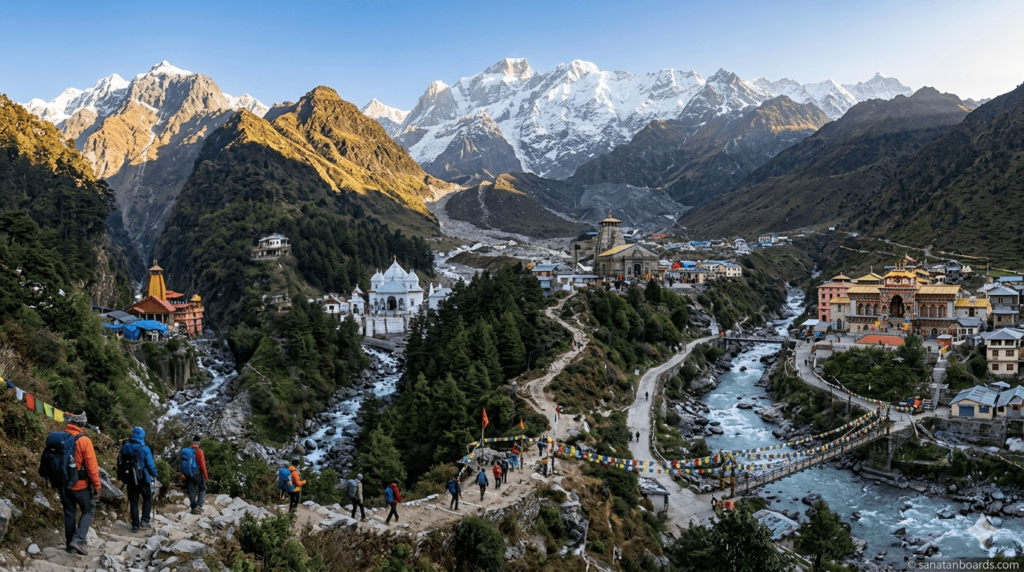
What Is Char Dham Yatra (Four Most Sacred Pilgrimage Sites) ?
The Char Dham Yatra refers to the sacred journey to the four holy shrines of Yamunotri, Gangotri, Kedarnath, and Badrinath in the Indian state of Uttarakhand. These sites hold immense religious significance for Hindus and are regarded as gateways to salvation. Each location has a distinct spiritual essence. Yamunotri is dedicated to Goddess Yamuna and is believed to purify sins. Gangotri marks the origin of the sacred river Ganga, revered as a symbol of purity and spiritual liberation. Kedarnath is a sacred shrine of Lord Shiva, representing spiritual strength and devotion, while Badrinath is dedicated to Lord Vishnu, symbolizing preservation, faith, and divine grace.
The journey is traditionally undertaken in a specific sequence starting from Yamunotri, then Gangotri, followed by Kedarnath, and finally Badrinath. Pilgrims often perform ritual baths in the rivers Yamuna and Ganga and offer prayers at each temple, seeking spiritual cleansing and divine blessings. The pilgrimage is considered incomplete without visiting all four shrines, as each temple complements the spiritual experience of the others, providing a holistic connection with the divine.
Historically, the Char Dham was conceptualized by the revered saint Adi Shankaracharya in the 8th century to unite the spiritual heart of India and make it accessible to all devotees. The Yatra is not merely a religious ritual but also a test of endurance, as the terrain is challenging, with high altitudes, fluctuating weather, and rugged paths. Modern infrastructure and trekking facilities have made the journey safer, yet the pilgrimage retains its traditional essence, allowing devotees to experience profound spirituality amid the serene Himalayan landscapes.
Who Is Required Char Dham Yatra (Four Most Sacred Pilgrimage Sites) ?
The Char Dham Yatra is traditionally considered essential for anyone seeking spiritual purification, personal growth, and a deeper connection with the divine. While devotees of Hinduism are the primary participants, the pilgrimage appeals to a wide range of individuals interested in spirituality, cultural heritage, and self-reflection.
Typically, devout Hindus undertake the Yatra to fulfill religious vows, express gratitude, or seek divine intervention in personal matters. It is especially significant for those who wish to absolve sins, attain spiritual merit, or seek blessings for longevity, prosperity, and familial well-being. For many, completing the Char Dham is a lifelong aspiration, often undertaken once in a lifetime, as it is believed that the pilgrimage guarantees moksha (liberation from the cycle of life and death).
Beyond religious devotees, the Char Dham Yatra is also suitable for spiritual seekers, travelers, and wellness enthusiasts. The serene landscapes, high-altitude rivers, and majestic mountains provide a natural environment conducive to meditation, mindfulness, and self-discovery. Individuals looking for a transformative journey or a break from the chaos of urban life find the Yatra deeply rewarding.
Families often participate together, combining devotion with shared experiences, while senior pilgrims may undertake the journey to fulfill lifelong spiritual goals. Trekking enthusiasts also consider it a challenging yet spiritually enriching adventure, testing physical endurance while immersing in cultural and religious practices. In essence, anyone seeking spiritual enrichment, self-reflection, or an extraordinary cultural experience is drawn to the Char Dham Yatra.
When Char Dham Yatra (Four Most Sacred Pilgrimage Sites) Is Required ?
The timing of the Char Dham Yatra is of utmost importance due to the challenging Himalayan terrain and seasonal accessibility. The pilgrimage is primarily undertaken during the summer months from April to October, when the weather conditions are favorable, and the mountain passes are open. During this period, pilgrims can safely navigate the steep paths, rivers, and high-altitude regions. Snowfall during winter makes many routes inaccessible, including Yamunotri and Kedarnath, and extreme cold poses risks of hypothermia and frostbite.
Within the open season, there are specific auspicious dates and festivals that attract large crowds of devotees. For instance, the opening and closing dates of each temple are marked by traditional ceremonies called “Mukh Darshan” and “Aarti”, which are spiritually significant and considered highly auspicious for starting or concluding the pilgrimage. Many pilgrims plan their journey around these dates to gain maximum spiritual merit.
The Yatra is required during significant life events or vows. Devotees often undertake the pilgrimage after important milestones such as marriages, childbirth, career achievements, or recovery from illness, as a form of thanksgiving or to seek blessings for future endeavors. It is also undertaken during religious observances, including festivals like Akshaya Tritiya, Shravan Maas, and Diwali, aligning the physical journey with spiritual significance.
Weather conditions play a crucial role in planning the pilgrimage. Monsoon seasons, particularly between July and September, bring heavy rainfall and landslides, making travel dangerous. Hence, timing the Yatra in the early summer or late monsoon months ensures safer trekking routes and comfortable travel.
Where Char Dham Yatra (Four Most Sacred Pilgrimage Sites) Is Required ?
The Char Dham Yatra is geographically located in the Garhwal region of Uttarakhand, in the northern part of India, nestled in the majestic Himalayas. Each of the four pilgrimage sites is situated in a unique location with significant spiritual and natural importance.
- Yamunotri – This temple is the source of the Yamuna River, located at an altitude of approximately 3,293 meters. It lies amidst snow-covered peaks, hot springs, and alpine forests. Pilgrims must trek about 6 kilometers from the nearest motorable point at Janki Chatti, making the journey physically challenging yet spiritually rewarding. Yamunotri is often the starting point of the Char Dham Yatra, symbolizing purification and the cleansing of past sins.
- Gangotri – Situated at an elevation of 3,415 meters, Gangotri marks the origin of the sacred Ganga River. Surrounded by glaciers and the snow-clad Bhagirathi peaks, this site is a center for ritual baths, prayers, and offerings. The location is crucial as it embodies the source of divine energy and the spiritual essence of the Ganga, attracting thousands of pilgrims each year.
- Kedarnath – Located at 3,583 meters in the Himalayas, Kedarnath is dedicated to Lord Shiva and is renowned for its ancient temple architecture and religious significance. The site is surrounded by snow-covered mountains and the Mandakini River, accessible via a steep trek of 16 kilometers from Gaurikund. Kedarnath is vital for devotees seeking spiritual strength, penance, and blessings for their family and personal life.
- Badrinath – At an elevation of 3,133 meters, Badrinath is dedicated to Lord Vishnu and lies on the banks of the Alaknanda River. The temple is one of the most visited pilgrimage sites in Uttarakhand and is often considered the culmination of the Char Dham Yatra. Pilgrims travel through valleys, rivers, and picturesque landscapes to reach this sacred abode.
The Yatra is required in these Himalayan regions due to the specific spiritual significance associated with each site. The geographical placement of these temples in the high mountains symbolizes the arduous journey of life and the effort required to attain spiritual liberation. The natural surroundings – glaciers, rivers, and valleys – also enhance the meditative and transformative experience of the pilgrimage.
How Char Dham Yatra (Four Most Sacred Pilgrimage Sites) Is Required ?
The Char Dham Yatra is undertaken through a combination of trekking, road travel, and ritual practices. Traditionally, pilgrims start their journey from Yamunotri, followed by Gangotri, Kedarnath, and Badrinath. The Yatra is physically demanding due to high altitudes, rugged terrains, and fluctuating weather conditions, requiring both planning and endurance.
Travel arrangements begin with reaching Uttarakhand’s main access points, typically Rishikesh, Haridwar, or Dehradun, followed by road travel to the base points of each temple. Pilgrims often hire guides, porters, or join organized tours to navigate the challenging routes safely. Local transport, including buses, jeeps, and ponies, helps in covering difficult stretches, particularly at Yamunotri and Kedarnath.
At each temple, pilgrims follow religious rituals such as holy baths, prayers, and offerings. For example, taking a dip in the Yamuna and Ganga rivers is considered essential for spiritual cleansing. Devotees carry sacred items, perform pujas, and follow temple protocols, including darshan (viewing the deity), which forms the core of the Yatra’s spiritual aspect.
The timing of the Yatra is planned according to seasonal and religious considerations, with temple opening dates and auspicious periods like Akshaya Tritiya being particularly significant. Physical preparation, proper clothing, and acclimatization to high altitudes are required to ensure safety and maximize the spiritual experience.
Modern infrastructure has simplified some aspects of the journey, with paved roads, improved trekking paths, and emergency facilities. However, the essence of the Char Dham Yatra remains in the spiritual challenge and devotion displayed by pilgrims. The journey is considered incomplete without visiting all four sites in the traditional sequence, as each location complements the other in terms of spiritual symbolism and merit.
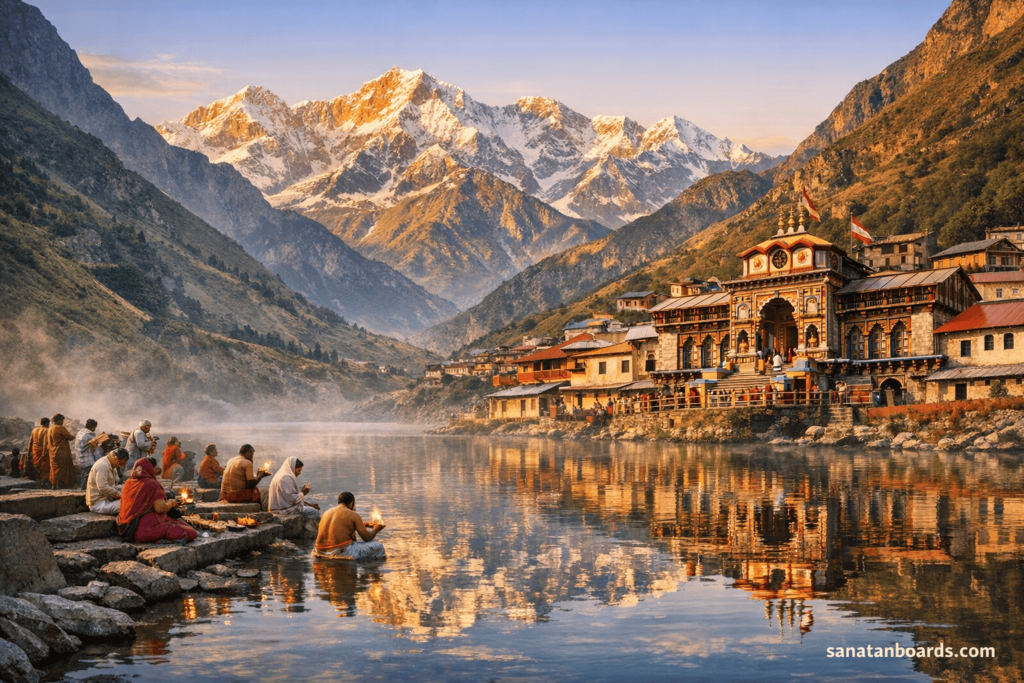
Case Study On Char Dham Yatra (Four Most Sacred Pilgrimage Sites)
Background: The Char Dham Yatra has been a cornerstone of Hindu pilgrimage for centuries. Its significance lies not only in the religious devotion of the pilgrims but also in its impact on regional culture, economy, and environmental conservation.
Objective: This case study examines the Yatra’s impact on spiritual engagement, tourism, and local communities, highlighting challenges and opportunities.
Methodology: Data was collected from interviews with pilgrims, local businesses, and government tourism departments in Uttarakhand. Secondary sources included research papers, government reports, and historical texts documenting the Yatra.
Findings:
- Spiritual Significance: Pilgrims consistently reported profound personal transformation. Many indicated that completing the Yatra brought emotional clarity, a sense of accomplishment, and strengthened religious faith. Devotees often perform Char Dham Yatra to fulfill vows, express gratitude, or seek divine intervention in life decisions.
- Economic Impact: The Yatra significantly contributes to the local economy. Villages near the pilgrimage sites, such as Janki Chatti (Yamunotri), Gangotri, Gaurikund (Kedarnath), and Badrinath town, experience increased employment opportunities. Businesses like hotels, guest houses, food stalls, and transport services thrive during the pilgrimage season. The Yatra also promotes handicrafts, local cuisine, and traditional goods.
- Infrastructure Development: To facilitate safer and more efficient travel, the Uttarakhand government has invested in road improvements, helicopter services, trekking paths, and emergency facilities. These developments not only assist pilgrims but also contribute to long-term regional development.
- Environmental Concerns: The large influx of pilgrims poses environmental challenges, including waste management, deforestation, and pollution of rivers. Authorities have implemented measures such as strict plastic bans, eco-friendly accommodations, and awareness programs to mitigate adverse effects.
- Cultural Preservation: The Char Dham Yatra has helped preserve local traditions, folk music, and religious ceremonies. Temple rituals, festivals, and community practices continue to be passed down to new generations, strengthening cultural identity.
- Challenges: Accessibility during extreme weather, landslides, and high-altitude health risks remain key challenges. Pilgrims must prepare physically and mentally to navigate difficult terrains. Additionally, balancing tourism with environmental preservation is an ongoing concern.
Conclusion: The Char Dham Yatra is more than a religious journey; it is a multidimensional experience blending spirituality, culture, adventure, #Sanatandharmaaccreditationboardsinvasai and economic development. By addressing environmental challenges and improving infrastructure, the pilgrimage can continue to thrive sustainably while maintaining its sacred essence.
White Paper On Char Dham Yatra (Four Most Sacred Pilgrimage Sites)
Executive Summary
The Char Dham Yatra is one of the most significant religious pilgrimages in India, encompassing four sacred sites: Yamunotri, Gangotri, Kedarnath, and Badrinath. This white paper examines the spiritual, cultural, economic, and infrastructural aspects of the Yatra, highlighting its importance in religious practice, tourism, regional development, and environmental sustainability.
Introduction
The Char Dham Yatra, conceptualized by Adi Shankaracharya, provides a structured spiritual path that has evolved into a major socio-cultural phenomenon. It is a journey of devotion, endurance, and transformation that attracts hundreds of thousands of pilgrims annually. The pilgrimage also plays a vital role in Uttarakhand’s economy and cultural preservation, while presenting challenges related to high-altitude logistics, environmental conservation, and safety.
Spiritual and Cultural Significance
Each site in the Char Dham holds distinct spiritual meaning:
- Yamunotri: Purification of sins through ritual baths in the Yamuna River.
- Gangotri: Source of the sacred Ganga, representing purity and liberation.
- Kedarnath: Abode of Lord Shiva, symbolizing spiritual strength and devotion.
- Badrinath: Temple of Lord Vishnu, representing preservation and divine grace.
The Yatra reinforces cultural identity through traditional rituals, temple architecture, festivals, and local folklore. Pilgrims not only undertake religious practices but also engage in meditation, introspection, and cultural learning.
Economic Impact
The Char Dham Yatra significantly contributes to the regional economy:
- Employment generation in transport, hospitality, and local markets.
- Growth of small businesses such as guesthouses, eateries, and trekking services.
- Promotion of handicrafts, traditional attire, and regional cuisine.
Seasonal tourism during the Yatra boosts revenue for local communities, making it a cornerstone of Uttarakhand’s economic strategy.
Infrastructure and Logistics
The pilgrimage requires extensive infrastructure due to challenging Himalayan terrain. Key initiatives include:
- Improved road connectivity to base points and temples.
- Helicopter services for elderly and physically challenged pilgrims.
- Trekking paths, rest houses, and emergency health facilities.
- Digital systems for registration, booking, and crowd management.
Efficient logistics ensure both safety and convenience, enhancing the overall pilgrim experience.
Environmental Sustainability
The influx of large numbers of pilgrims poses ecological risks:
- Waste accumulation and pollution in rivers and valleys.
- Deforestation and disruption of fragile ecosystems.
Government measures to mitigate these issues include strict plastic bans, eco-friendly accommodations, regulated trekking routes, and awareness campaigns for sustainable pilgrimage practices.
Challenges and Future Directions
- Extreme weather, landslides, and high-altitude health risks remain significant challenges.
- Balancing tourism growth with environmental sustainability requires continuous monitoring and innovative solutions.
- Integrating technology for safety, registration, and crowd management is crucial for future scalability.
Conclusion
The Char Dham Yatra transcends its religious significance, impacting culture, economy, and regional development. By combining spiritual tradition with #Sanatandharmaaccreditationboardsinmumbai modern infrastructure and environmental consciousness, the Yatra can continue to provide a transformative experience for devotees while supporting sustainable growth in Uttarakhand.
Industry Application On Char Dham Yatra (Four Most Sacred Pilgrimage Sites)
The Char Dham Yatra has significant applications across multiple industries due to its scale, cultural relevance, and economic impact:
- Tourism and Hospitality: The Yatra drives substantial demand for hotels, lodges, and guesthouses. Travel agencies and tour operators create tailored pilgrimage packages, combining accommodation, transport, and local experiences.
- Transport and Logistics: Roads, helicopters, and pony services cater to the movement of pilgrims across difficult terrains. This encourages the development of robust transport infrastructure, safety protocols, and emergency response systems.
- Healthcare Industry: High-altitude travel exposes pilgrims to health risks such as hypoxia and altitude sickness. Local clinics, mobile health units, and emergency medical services are crucial for ensuring safety.
- Retail and Handicrafts: Local artisans benefit from the Yatra as they sell traditional goods, religious items, and handicrafts to pilgrims. This fosters regional craftsmanship and cultural heritage preservation.
- Technology and Digital Services: Online registration, mobile applications, GPS tracking, and crowd management systems streamline the Yatra experience. Digital platforms are also used for weather alerts, emergency notifications, and pilgrim guidance.
- Environmental Management: Eco-friendly accommodations, waste management solutions, and renewable energy use are growing sectors aligned with sustainable pilgrimage practices. Companies specializing in eco-tourism and conservation find opportunities to collaborate with authorities and communities.
- Media and Cultural Documentation: The pilgrimage inspires documentaries, photography, and content creation, driving media and cultural tourism industries. Pilgrims’ experiences are shared online, enhancing global awareness of the Char Dham tradition.
Overall, the Char Dham Yatra integrates religion, tourism, commerce, and technology, offering diverse opportunities for businesses and communities while preserving cultural heritage and promoting sustainable development.
source : Distance between
ASK FAQ
1. What is Char Dham Yatra?
Char Dham Yatra is a sacred Hindu pilgrimage to four holy sites in Uttarakhand: Yamunotri, Gangotri, Kedarnath, and Badrinath, believed to cleanse sins and bring spiritual blessings.
When is the best time for Char Dham Yatra?
The ideal period is April to October, during summer months when Himalayan routes are accessible and weather conditions are safe for trekking and travel.
Who should undertake Char Dham Yatra?
Devout Hindus, spiritual seekers, and travelers seeking spiritual growth, meditation, and cultural experience should undertake the Yatra.
How to plan Char Dham Yatra?
Plan starting from Yamunotri → Gangotri → Kedarnath → Badrinath, arrange transport from Rishikesh or Haridwar, prepare for trekking, and follow temple rituals at each site.
What is the significance of Char Dham Yatra?
The Yatra symbolizes spiritual purification, devotion, and divine blessings, connecting pilgrims with Hindu gods and offering a transformative Himalayan experience.
Table of Contents
Disclaimer
The information provided in this blog is intended solely for educational, learning, and knowledge purposes. It is not intended as professional advice, endorsement, or recommendation for travel, religious practices, or commercial activities. Readers should independently verify all details, particularly regarding logistics, safety, health precautions, and local regulations, before undertaking any pilgrimage or related activities.