
SRIVALLABHA PANDYAN
The Pandyan ruler represents a significant name associated with the historical legacy of the Pandyan dynasty, one of the most ancient and influential ruling lineages in South India. The Pandyan kingdom, primarily located in present-day Tamil Nadu, was known for its rich contributions to culture, trade, literature, and governance. Within this broader historical framework, the Pandyan leader emerges as a figure whose identity reflects the continuity of royal authority, administrative strength and cultural patronage that defined the Pandyan rule.
The name itself carries traditional and cultural weight, indicating royal lineage and possibly denoting a ruler or a prominent member of the Pandyan family who played a role in sustaining or expanding the kingdom’s influence. The Pandyas were known for their maritime trade connections with regions such as Southeast Asia, Rome, and the Middle East, and rulers like Srivallabha Pandyan would have contributed to maintaining such economic and diplomatic networks.
In addition to political significance, the Pandyan rulers were patrons of Tamil literature, temple architecture, and religious institutions. the Pandyan ruler can therefore be understood not only in terms of governance but also as part of a larger cultural and spiritual ecosystem that shaped South Indian civilization. His association with this legacy suggests involvement in promoting social order, religious harmony, and artistic expression.
Understandingthe Pandyan ruler provides insight into the administrative systems, cultural priorities, and historical continuity of the Pandyan dynasty. It also helps contextualize the evolution of regional power structures and their long-lasting influence on South Indian identity and heritage.
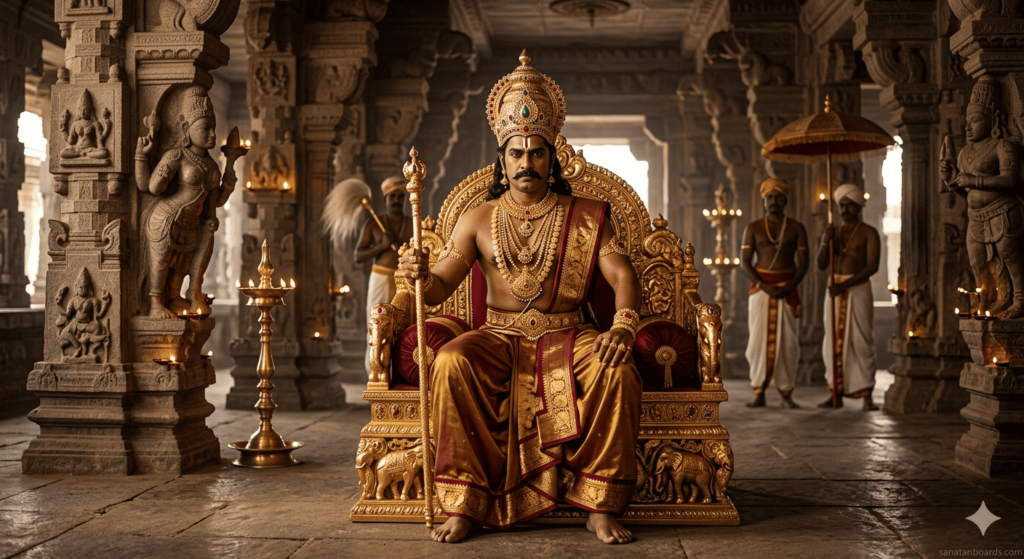
What Is Srivallabha Pandyan ?
The Pandyan ruler can be understood as a historical identity linked to the Pandyan dynasty, representing either a specific ruler or a title associated with royal authority in ancient South India. The term combines “Srivallabha,” which signifies prosperity, divine favor, or beloved status, with “Pandyan,” referring to the ruling family. Together, it reflects a figure of importance within a structured monarchy.
In a broader sense, the Pandyan ruler symbolizes governance, leadership, and cultural stewardship. The Pandyan rulers were known for their organized administrative systems, including land revenue management, judicial frameworks, and military organization. A figure like the Pandyan ruler would embody these responsibilities, acting as a central authority responsible for maintaining order and ensuring the welfare of the kingdom.
Additionally, the Pandyan ruler represents a connection to cultural development. The Pandyan era saw advancements in Tamil literature, temple construction, and artistic expression. Such figures often supported scholars, poets, and artisans, thereby contributing to the intellectual and cultural growth of society.
From a historical interpretation perspective, the Pandyan ruler may also represent continuity within the dynasty. Names and titles were often reused or adapted across generations, indicating lineage and legitimacy. Therefore, the term can also be viewed as part of a tradition that reinforced royal identity and authority.
Who Is Required Srivallabha Pandyan ?
The concept of “who requires Srivallabha Pandyan” can be interpreted in terms of relevance to different groups and disciplines. Primarily, historians and researchers require knowledge about Srivallabha Pandyan to better understand the structure and functioning of the Pandyan dynasty. By studying such figures they can reconstruct political systems, social hierarchies, and cultural developments of ancient South India.
Students and educators also require information about the Pandyan ruler as part of academic curricula related to Indian history, archaeology, and cultural studies. Learning about such figures helps build a comprehensive understanding of regional histories and their contributions to national identity.
Cultural scholars and linguists benefit from studying the Pandyan leader because the Pandyan period was crucial for the development of Tamil literature and language. Insights into royal patronage provide context for literary works and linguistic evolution.
Policy analysts and governance scholars may also find relevance in examining historical rulers like Srivallabha Pandyan. The administrative systems, resource management strategies, and diplomatic practices of ancient rulers can offer lessons applicable to modern governance.
Additionally, the general public, especially those interested in heritage and tourism, require knowledge about Srivallabha Pandyan to appreciate historical sites, temples, and monuments associated with the Pandyan era. This enhances cultural awareness and promotes preservation efforts.
Thus, Srivallabha Pandyan is required by a diverse audience ranging from academics to general readers, each seeking different insights into history, culture, and governance.
When Srivallabha Pandyan Is Required ?
The relevance of Srivallabha Pandyan becomes significant in multiple contexts, particularly when studying historical timelines and the evolution of South Indian dynasties. One key instance when Srivallabha Pandyan is required is during academic research focused on the medieval period of Indian history. Scholars analyzing political transitions, regional power dynamics, and administrative developments often refer to figures associated with ruling dynasties like the Pandyas.
Another important context is during the study of cultural and literary history. The Pandyan era was marked by contributions to Tamil literature and temple architecture. When examining the origins and growth of these cultural elements, references to rulers such as the Pandyan leader become essential to understand patronage systems and artistic support.
Srivallabha Pandyan is also required when exploring economic history, especially trade and commerce in ancient India. The Pandyas maintained extensive trade networks, and understanding the role of specific rulers helps in identifying how these networks were managed and expanded. This is particularly relevant when analyzing maritime trade routes and economic exchanges with foreign regions.
In modern times, the king is required in heritage conservation and tourism development. Historical narratives associated with such figures add value to monuments, temples, and archaeological sites, making them more meaningful to visitors and researchers alike.
Additionally, during comparative studies of governance, Srivallabha Pandyan becomes relevant when examining how ancient administrative systems functioned. Insights into taxation, justice, and military organization can provide useful comparisons with modern governance models.
Educational settings also highlight the importance of Srivallabha Pandyan when teaching regional history. Including such figures ensures a balanced understanding of India’s diverse historical landscape, rather than focusing solely on more widely known empires.
Therefore, Srivallabha Pandyan is required whenever there is a need to understand historical governance, cultural development, economic systems, and regional identity within the broader context of Indian history.
Where Srivallabha Pandyan Is Required ?
Srivallabha Pandyan is required across various domains where historical knowledge and cultural understanding play a crucial role. One of the primary areas is academic institutions, where the study of South Indian history forms an essential part of curricula. Universities, colleges, and research centers rely on figures like Srivallabha Pandyan to provide depth and specificity to historical narratives.
Another important area is in museums and archaeological sites. Exhibitions that focus on the Pandyan dynasty often include references to notable rulers and figures. Srivallabha Pandyan contributes to the contextual understanding of artifacts, inscriptions, and architectural remains found in regions associated with the Pandyan kingdom.
In the field of cultural preservation, Srivallabha Pandyan is required to establish historical authenticity and continuity. Organizations working on heritage conservation use such historical references to justify restoration efforts and promote awareness about the importance of preserving ancient sites.
Tourism is another domain where Srivallabha Pandyan plays a role. Historical storytelling enhances visitor experiences at temples, forts, and other landmarks. By associating these places with significant figures, tourism initiatives can create more engaging and informative narratives.
In literature and media, Srivallabha Pandyan is required for creating historically inspired content. Writers, filmmakers, and artists often draw upon historical figures to produce works that reflect cultural heritage and historical themes.
Government and policy-making bodies may also require historical insights linked to figures like Srivallabha Pandyan when developing cultural policies or educational frameworks. Such references help ensure that regional histories are adequately represented and preserved.
Thus, Srivallabha Pandyan is required in educational, cultural, tourism, and creative domains, serving as a bridge between historical knowledge and contemporary applications.
How Srivallabha Pandyan Is Required ?
Srivallabha Pandyan is required through various methods and approaches that facilitate understanding and application of historical knowledge. One of the primary ways is through academic research and documentation. Scholars analyze inscriptions, manuscripts, and archaeological findings to construct detailed accounts of figures like Srivallabha Pandyan, ensuring that historical information is preserved and accurately interpreted.
Another way Srivallabha Pandyan is required is through education. Textbooks, lectures, and digital learning platforms incorporate historical figures to provide structured knowledge to students. By including such names, educators create a comprehensive narrative that highlights the diversity and richness of Indian history.
In cultural representation, Srivallabha Pandyan is required through storytelling, art, and media. Historical dramas, novels, and documentaries often depict figures from the past to bring history to life. This not only मनोरंजन but also educates audiences about historical contexts and cultural heritage.
Technology also plays a role in how Srivallabha Pandyan is required. Digital archives, virtual museums, and online databases make historical information accessible to a global audience. These platforms ensure that knowledge about figures like Srivallabha Pandyan is preserved and disseminated widely.
In governance and policy-making, historical insights are used to inform decisions related to heritage conservation and cultural promotion. Srivallabha Pandyan serves as a reference point in understanding traditional systems and their relevance in modern contexts.
Finally, public engagement initiatives such as heritage walks, exhibitions, and seminars require historical figures to create meaningful connections with audiences. Srivallabha Pandyan helps anchor these initiatives in a specific historical framework, making them more relatable and impactful.
Through research, education, cultural representation, technology, and public engagement, Srivallabha Pandyan continues to be relevant and required in multiple ways.
Case Study On Srivallabha Pandyan
The case study of Srivallabha Pandyan can be approached by examining the broader context of the Pandyan dynasty and identifying the role such a figure would have played in governance, culture, and regional influence. The Pandyas were one of the longest-ruling dynasties in South India, with a history that spans several centuries. Within this context, Srivallabha Pandyan represents a model of leadership and administrative capability.
One of the key aspects of this case study is governance. The Pandyan rulers implemented structured administrative systems that included land revenue collection, judicial processes, and military organization. Srivallabha Pandyan, as part of this system, would have been responsible for maintaining order and ensuring efficient governance. This involved managing resources, addressing disputes, and coordinating with regional administrators.
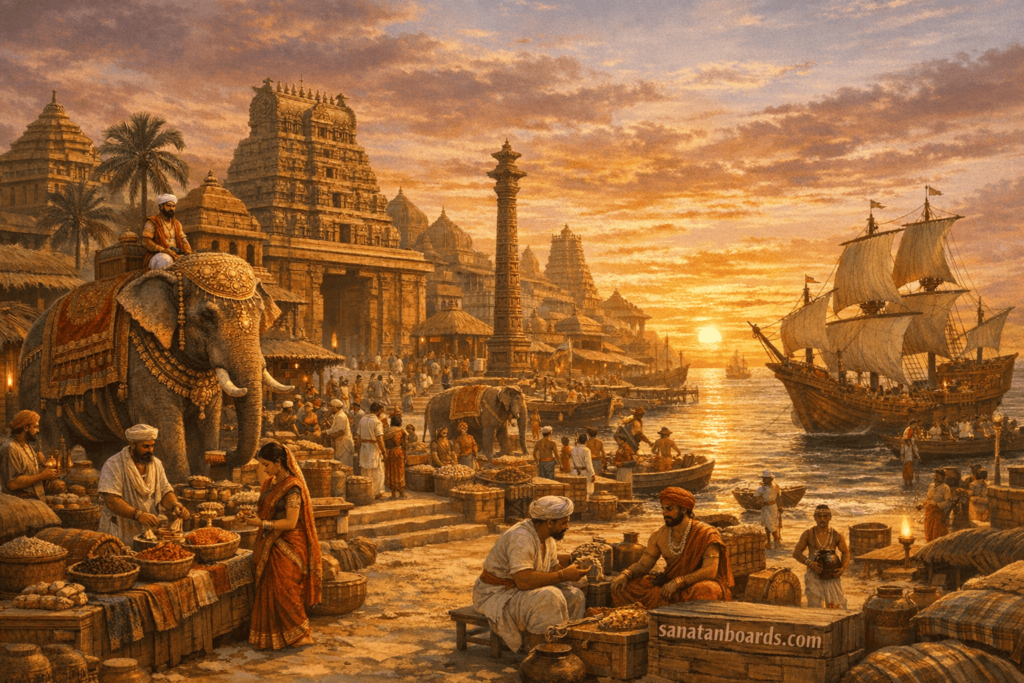
Another important dimension is economic management. The Pandyan kingdom was known for its active participation in maritime trade. Ports under their control facilitated trade with distant regions, contributing to economic prosperity. Srivallabha Pandyan’s role would have included overseeing trade activities, ensuring security, and maintaining diplomatic relations with foreign traders.
Cultural patronage forms a significant part of this case study. The Pandyan era saw the flourishing of Tamil literature and temple architecture. Srivallabha Pandyan would have supported scholars, poets, and artisans, thereby contributing to cultural development. This patronage helped preserve language, traditions, and artistic expressions.
Religious influence is another aspect to consider. The Pandyas were known for supporting various religious institutions, promoting harmony and spiritual growth. Srivallabha Pandyan likely played a role in funding temples, organizing religious events, and maintaining moral order within society.
The case study also highlights challenges faced by rulers. These included conflicts with neighboring kingdoms, internal disputes, and the need to adapt to changing economic conditions. Srivallabha Pandyan’s leadership would have been tested in addressing these challenges while maintaining stability.
From a modern perspective, this case study provides valuable lessons in leadership, resource management, and cultural preservation. #srivallabhapandyaninmumbai It demonstrates how historical figures contributed to shaping societal structures and sustaining long-term development.
Overall, the case study of the historical figure offers insights into the complexities of ancient governance and the enduring impact of effective leadership.
White Paper On Srivallabha Pandyan
This white paper examines Srivallabha Pandyan as a representative figure within the Pandyan dynasty, focusing on governance, cultural contributions, and historical significance. The objective is to provide a structured analysis that highlights the relevance of such figures in understanding historical and contemporary systems.
The Pandyan dynasty was characterized by organized administration and strong regional influence. Srivallabha Pandyan, as part of this lineage, represents a model of leadership that integrated political authority with cultural responsibility. The governance framework included efficient resource allocation, judicial systems, and military organization.
One of the key findings of this analysis is the importance of cultural patronage. The Pandyan rulers supported literature, art, and architecture, which contributed to the preservation and growth of Tamil culture. Srivallabha Pandyan’s role in this context underscores the connection between political power and cultural development.
Economic strategies also form a critical component of this white paper. The Pandyas maintained extensive trade networks, leveraging their geographical position to facilitate commerce. Srivallabha Pandyan would have been involved in managing these networks, ensuring economic stability and growth.
The white paper also explores the challenges faced by such rulers, including external threats and internal governance issues. Addressing these challenges required strategic planning and adaptability, qualities that define effective leadership.
In terms of modern relevance, the study of the historical figure provides insights into sustainable governance, cultural preservation, and #Sanatandharmaaccreditationboardsinvasai economic management. These lessons can be applied to contemporary contexts, particularly in policy-making and heritage conservation.
The analysis concludes that Srivallabha Pandyan represents more than a historical figure; he symbolizes a framework of governance and cultural integration that continues to influence modern perspectives
Industry Application Of Srivallabha Pandyan
The concept and historical significance of Srivallabha Pandyan extend into multiple modern industries by serving as a foundation for cultural, educational, and strategic applications. One of the most prominent industries where Srivallabha Pandyan is applied is tourism and heritage management. Historical figures associated with the Pandyan dynasty are used to design heritage circuits, guided tours, and storytelling experiences that attract both domestic and international visitors. By integrating such figures into tourism narratives, the industry enhances cultural value and promotes regional identity.
In the education industry, the Pandyan king plays a role in curriculum development, academic research, and knowledge dissemination. Schools, universities, and digital learning platforms incorporate historical figures to provide context-rich learning experiences. This helps students understand governance systems, cultural evolution, and socio-economic structures of ancient India, making education more engaging and meaningful.
The media and entertainment industry also benefits significantly from the application of Srivallabha Pandyan. Filmmakers, writers, and content creators draw inspiration from historical personalities to produce movies, web series, documentaries, and novels. These creative works not only entertain but also revive interest in history and cultural heritage among wider audiences.
In the field of public administration and policy-making, the Pandyan king provides insights into traditional governance models. Policymakers and researchers analyze historical administrative systems to understand resource management, conflict resolution, and leadership strategies. These insights can influence modern governance frameworks, particularly in areas related to decentralization and cultural preservation.
The cultural and creative industries, including art, architecture, and literature, also utilize historical figures like Srivallabha Pandyan as sources of inspiration. Artists and designers incorporate traditional themes into contemporary works, thereby preserving cultural continuity while encouraging innovation.
Furthermore, the research and academic publishing industry continuously explores historical figures to generate new knowledge. Journals, conferences, and publications rely on such topics to expand scholarly discourse and encourage interdisciplinary studies.
Overall, the industry application ofthe Pandyan king lies in #Sanatandharmaaccreditationboardsinmumbai transforming historical knowledge into practical, cultural, and economic value across diverse sectors.
source : theOpenBook
ASK FAQ
Who was Srivallabha Pandyan?
Srivallabha Pandyan was a figure associated with the ancient Pandyan dynasty of South India, known for its contributions to governance, trade, and cultural development. He represents royal authority and the continuation of Pandyan heritage.
What is the significance of this ruler in history?
Srivallabha Pandyan is significant as a symbol of administrative strength and cultural patronage within the Pandyan dynasty, which played a key role in shaping South Indian history and Tamil culture.
Why is the Pandyan king important in the Pandyan dynasty?
He is important because he reflects the leadership, governance systems, and cultural support that defined the success and longevity of the Pandyan rule.
Where is the Pandyan king relevant today?
Srivallabha Pandyan is relevant in fields like education, tourism, history research, and cultural studies, where understanding ancient dynasties helps preserve heritage and knowledge.
How does the Pandyan king influence modern studies?
He influences modern studies by providing insights into ancient governance, economic systems, and cultural development, which are useful for research, policy understanding, and historical analysis.
Table of Contents
Disclaimer
The information presented in this document is based on general historical interpretations and conceptual analysis associated with the Pandyan dynasty. Specific details about Srivallabha Pandyan may vary depending on historical sources, inscriptions, and scholarly research. This content is intended for informational purposes only and should not be considered as definitive historical evidence.