
PURU (PURU DYNASTY, FOUGHT ALEXANDER)
King Puru represents one of the most remarkable chapters in ancient Indian history, symbolizing courage, resistance, and leadership during a time of foreign invasion. The story of Puru often identified as King Porus in historical accounts, stands as a powerful narrative of a ruler who chose to defend his land and dignity against one of the greatest military commanders in world history. His legacy is not merely defined by war, but by the values of honor, strategic thinking, and resilience.
The Puru dynasty is believed to have been a significant lineage in the northwestern region of the Indian subcontinent. This region was politically dynamic, with several kingdoms and tribes coexisting often competing for power and influence. In such an environment, Puru emerged as a strong and capable ruler, commanding respect and loyalty from his people.
The historical importance of Puru is closely tied to his confrontation with Alexander, the Macedonian conqueror who invaded India during his campaign to expand his empire. The battle that took place between them is often seen as a defining moment, highlighting the clash between two powerful civilizations. Despite the technological and tactical advantages of Alexander’s army, Puru demonstrated exceptional bravery and strategic resistance.
What makes King Puru particularly significant is not just the battle itself, but the aftermath and the mutual respect that reportedly developed between the two leaders. This story has been preserved through various historical texts and continues to inspire discussions about leadership, diplomacy, and cultural exchange.
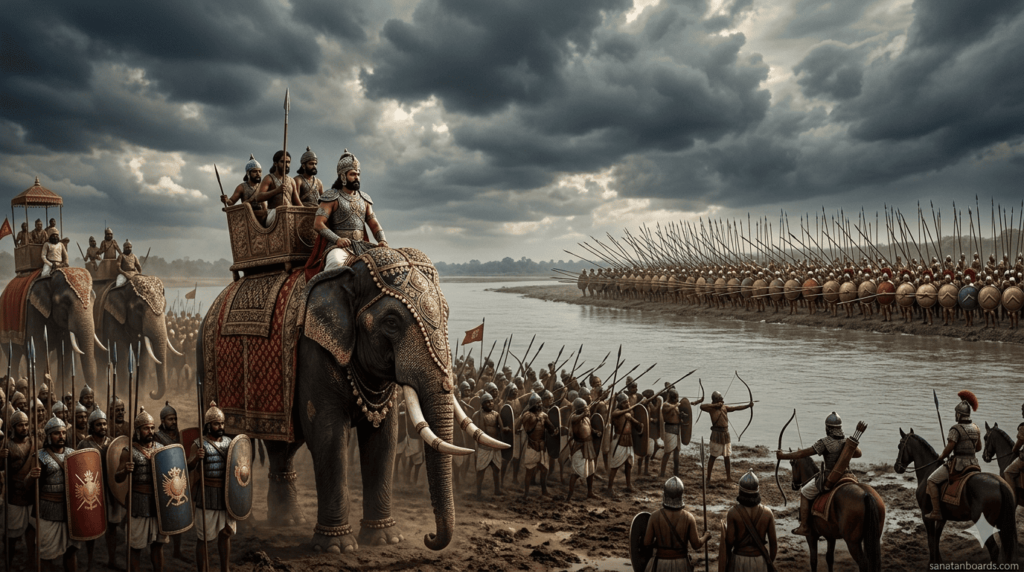
What Is Puru (Puru Dynasty, Fought Alexander) ?
King Puru refers to both a historical figure and the royal lineage associated with him. It represents a powerful kingdom that existed in the northwestern part of ancient India, known for its military strength and organized governance. The term encompasses not only the individual ruler, Puru, but also the broader socio-political structure of his dynasty.
At its core, King Puru symbolizes resistance against foreign invasion. It reflects a period when regional rulers played a crucial role in defending their territories from external forces. The dynasty is often associated with strong leadership, disciplined armies and strategic use of resources such as war elephants, which were a significant component of ancient Indian warfare.
Historically, the identity of Puru is closely linked with the accounts of his encounter with Alexander. These accounts describe him as a ruler of great stature, both physically and politically. His kingdom is believed to have been well-established, with a functioning administrative system and a loyal population.
Beyond the battlefield,King Puru also represents cultural and historical continuity. It provides insights into the traditions, governance systems, and military practices of ancient India. The dynasty serves as an example of how regional powers contributed to the broader historical narrative of the subcontinent.
In modern discussions, King Puru is often studied as a case of leadership under pressure, showcasing how a ruler responded to one of the most formidable invasions in history. It stands as a symbol of dignity, strategic thinking, and the ability to command respect even in defeat.
Who Is Required Puru (Puru Dynasty, Fought Alexander) ?
ancient Indian ruler is essential for various groups of people who seek knowledge, inspiration, and understanding of historical leadership and resilience. The study of this topic is particularly valuable for students, historians, researchers, and individuals interested in ancient civilizations.
For students, ancient Indian ruler provides a foundational understanding of Indian history and its interaction with global events. It helps them grasp the importance of regional powers and their role in shaping historical outcomes. The story of Puru offers lessons in courage, decision-making, and standing firm in the face of adversity.
Historians and researchers find this topic crucial for analyzing ancient warfare, diplomacy, and cross-cultural encounters. The battle involving Puru serves as a significant case study in military history, offering insights into strategies, troop formations, and the use of unique resources like war elephants.
Leadership enthusiasts and professionals can also benefit from studying King Puru. The narrative highlights qualities such as integrity, confidence, and the ability to command respect. It demonstrates how leadership is not only about victory but also about maintaining dignity and earning recognition from adversaries.
Additionally, educators can use this topic to teach broader themes such as cultural exchange, conflict resolution, and the evolution of political systems. It serves as a bridge between ancient and modern concepts of governance and leadership.
Overall King Puru is required for anyone who wishes to explore the depth of historical narratives and extract meaningful lessons applicable to contemporary life
When Puru (Puru Dynasty, Fought Alexander) Is Required ?
King Puru is particularly relevant in various contexts where understanding historical resistance, leadership, and strategic decision-making is important. Its significance becomes evident when studying periods of conflict, cultural interaction, and political evolution.
One of the primary situations where this topic is required is during the study of ancient history, especially when examining the expansion of empires and their encounters with regional powers. The timeline associated with Puru provides a clear example of how local rulers responded to large-scale invasions. It helps in understanding the dynamics of power, negotiation, and survival during such times.
This topic is also required when analyzing military strategies and warfare techniques. The battle involving Puru showcases the use of terrain, resources, and innovative tactics. It highlights how indigenous methods of warfare differed from those of invading forces and how these differences influenced the outcome of battles.
In educational settings, King Puru is required when teaching themes such as leadership under pressure and ethical decision-making. The actions of Puru during and after the battle provide valuable lessons on maintaining honor and dignity, even in challenging circumstances.
The relevance of this topic extends to discussions on diplomacy and conflict resolution. The interaction between Puru and his opponent after the battle demonstrates how mutual respect can emerge even in adversarial situations. This aspect is particularly important in modern contexts where negotiation and understanding play a crucial role in resolving conflicts.
Furthermore, King Puru is required in cultural studies to understand how historical narratives shape identity and heritage. It serves as a reminder of the rich history of resistance and resilience that forms an integral part of cultural consciousness.
Where Puru (Puru Dynasty, Fought Alexander) Is Required ?
King Puru is required across multiple domains where historical knowledge, leadership studies, and cultural understanding are emphasized. Its relevance spans academic, professional, and intellectual environments.
In academic institutions, this topic is required in history curricula, particularly in courses focusing on ancient civilizations and global interactions. It provides students with a deeper understanding of regional dynamics and the impact of external invasions on local governance. Schools and universities use this subject to illustrate the complexity of historical events and the role of individual leaders.
Research institutions also requireKing Puru for in-depth studies on ancient warfare and political systems. Scholars analyze this topic to compare different military approaches and to understand how cultural and geographical factors influenced strategic decisions.
In leadership training programs, this topic is used to demonstrate real-world examples of resilience and ethical leadership. It is required in workshops and seminars that focus on decision-making, crisis management, and interpersonal dynamics. The story of Puru serves as a case study for maintaining composure and dignity under pressure.
Cultural and heritage organizations require this topic to preserve and promote historical awareness. Museums, exhibitions, and cultural programs often highlight such narratives to educate the public and celebrate historical achievements.
In the field of literature and media, King Puru is required as a source of inspiration for storytelling. Writers, filmmakers, and content creators draw upon this narrative to create compelling stories that resonate with audiences.
Additionally, this topic is relevant in discussions related to national identity and pride. It is used in public discourse to highlight examples of bravery and resistance from the past.
How Puru (Puru Dynasty, Fought Alexander) Is Required ?
King Puru is required as a practical and theoretical framework for understanding leadership, strategy, and resilience. It is applied in various ways to extract meaningful lessons and insights.
In education, this topic is used as a teaching tool to explain complex historical events in a structured manner. Teachers use the narrative to engage students and encourage critical thinking. By analyzing the decisions made by Puru, students learn how to evaluate situations and consider multiple perspectives.
In leadership development, King Puru is required to illustrate the importance of integrity and confidence. Training programs often use this example to show how leaders can inspire trust and respect, even in difficult circumstances. It emphasizes the value of standing firm in one’s beliefs while remaining open to dialogue.
In strategic planning, this topic is used to demonstrate the significance of preparation and adaptability. The battle associated with Puru highlights how understanding the environment and utilizing available resources can influence outcomes. It serves as a reminder that strategy is not only about strength but also about intelligence and foresight.
In cultural education,Puru dynasty is required to connect individuals with their historical roots. It helps in preserving traditions and fostering a sense of identity. By studying such narratives, people gain a deeper appreciation of their heritage.
In modern discussions on conflict resolution, this topic is applied to show how respect and understanding can lead to positive outcomes. The interaction between opposing leaders provides a model for resolving disputes in a constructive manner.
Overall, Puru dynasty is required as a versatile tool for learning and application across various fields, offering timeless lessons that remain relevant in today’s world.
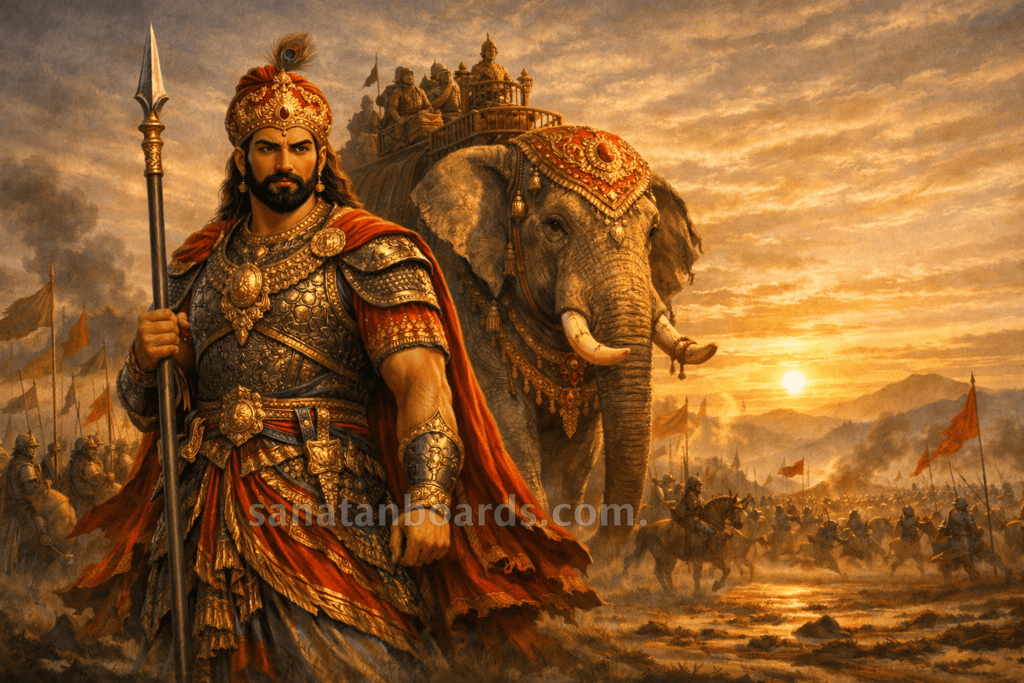
Case Study On Puru (Puru Dynasty, Fought Alexander)
The case study of Puru dynasty focuses on the historical confrontation between a regional Indian ruler and a powerful invading force. This event serves as a significant example of leadership, strategy, and resilience.
The situation began with the expansion of a foreign empire into the northwestern regions of the Indian subcontinent. The invading army was known for its discipline, advanced tactics, and successful campaigns across multiple territories. As it approached the region ruled by Puru, the stage was set for a major confrontation.
Puru faced a challenging situation. He had to defend his kingdom against an opponent with a strong reputation and considerable resources. Despite these challenges, he chose to resist rather than surrender. This decision reflects a key aspect of leadership—standing firm in the face of adversity.
The battle itself was marked by strategic planning and the use of unique resources. Puru’s army included war elephants, which played a crucial role in the conflict. These animals were not only powerful but also unfamiliar to the opposing forces, creating both opportunities and challenges on the battlefield.
However, the outcome of the battle was influenced by several factors, including environmental conditions and tactical decisions. Despite his efforts, Puru’s forces were eventually overpowered. Yet, what followed is perhaps more important than the battle itself.
After the conflict, Puru was brought before the opposing leader. Instead of showing defeat, he maintained his dignity and confidence. When asked how he wished to be treated, he reportedly responded in a manner that reflected his self-respect and leadership. This moment highlights the importance of character and presence, even in defeat.
The response of the opposing leader was equally significant. Recognizing Puru’s bravery and leadership qualities, he chose to treat him with respect and reportedly restored his position. This outcome demonstrates how mutual respect can transcend conflict and lead to constructive results.
From a leadership perspective, this case study offers several lessons. It emphasizes the importance of courage, strategic thinking, and maintaining composure under pressure. It also highlights the value of respecting opponents and recognizing their strengths.
From a historical standpoint, the case study provides insights into ancient warfare and political dynamics. It shows how regional powers interacted with larger empires and how these interactions shaped history.
In conclusion, the case study of Puru dynasty serves as a powerful example of leadership, resilience, and the enduring impact of historical events.
White Paper On Puru (Puru Dynasty, Fought Alexander)
Puru dynasty represents a critical subject in the study of ancient history, leadership, and strategic conflict. This white paper aims to analyze its significance, key elements, and broader implications.
The historical context of Puru dynasty is rooted in a period of expansion and interaction between different civilizations. The encounter between a regional Indian ruler and a foreign empire highlights the complexities of such interactions.
One of the key aspects of this topic is leadership. Puru’s actions demonstrate qualities such as courage, determination, and integrity. These qualities are essential for effective leadership and remain relevant in modern contexts. The ability to make decisions under pressure and maintain composure is a critical skill for leaders across various fields.
Another important aspect is strategy. The battle associated with Puru provides insights into the use of resources, terrain, and tactical planning. It illustrates how different approaches to warfare can influence outcomes and how adaptability plays a crucial role in success.
The concept of respect and diplomacy is also central to this topic. The interaction between the two leaders after the battle demonstrates how mutual respect can lead to positive outcomes. This aspect is particularly relevant in today’s world, where negotiation and understanding are essential for resolving conflicts.
From a cultural perspective, Puru dynasty contributes to the understanding of historical identity and heritage. It serves as a reminder of the rich and diverse history of the Indian subcontinent and its interactions with other cultures.
The implications of this topic extend beyond history. It provides valuable lessons for leadership development, strategic planning, and conflict resolution. By studying this subject, individuals and organizations can gain insights into effective decision-making and the importance of ethical conduct.
In conclusion, Puru dynasty is a significant topic that offers a comprehensive understanding of leadership, strategy, and cultural interaction. Its relevance continues to resonate in modern discussions and applications.
Industry Application On King Puru
Puru dynasty continues to hold strong relevance across multiple modern industries by offering timeless lessons in leadership, resilience, strategic thinking, and ethical conduct. Though rooted in ancient history, its principles can be effectively applied in today’s dynamic professional environments.
In the corporate and business sector, Puru dynasty is highly valuable for leadership development and executive training. Business leaders often face intense competition, uncertainty, and high-pressure decision-making situations. The example of Puru demonstrates how a leader can maintain confidence, uphold values, and inspire teams even when facing stronger competitors. Organizations use such historical case frameworks in management programs to teach negotiation skills, crisis handling, and maintaining dignity during setbacks.
In the defense and military industry, Puru dynasty is studied as a model of ancient warfare strategy. It highlights the importance of terrain awareness, resource utilization, and adaptability in battle. Military academies and strategic think tanks analyze such historical conflicts to draw parallels with modern warfare, focusing on leadership under pressure and unconventional tactics.
In the education sector, this topic is widely applied in curriculum design, especially in history, political science, and leadership studies. It helps educators create engaging learning modules that combine storytelling with critical analysis. Students gain insights into governance, ethics, and cultural interactions, making learning more practical and impactful.
In the media and entertainment industry, Puru dynasty serves as a powerful narrative source. Filmmakers, writers, and digital content creators draw inspiration from this story to produce historical dramas, documentaries, and motivational content. The themes of bravery, respect, and resilience resonate strongly with audiences, making it a compelling storytelling foundation.
In the leadership coaching and personal development industry, this topic is used to teach self-confidence, emotional intelligence, and resilience. Coaches use the example of Puru to illustrate how individuals can maintain self-respect and composure, even in defeat or challenging situations. It reinforces the idea that true leadership is defined not just by victory, but by character and conduct.
In the public policy and governance sector, Puru dynasty offers insights into ethical leadership and decision-making. Policymakers can learn the importance of balancing strength with diplomacy and understanding the long-term impact of their actions.
Overall, Puru dynasty serves as a cross-industry knowledge framework, bridging ancient wisdom with modern applications. It provides practical lessons that can be adapted to various professional fields, making it a valuable resource for continuous learning and development.
SOURCE : StudyIQ IAS
ASK FAQ
Who was Puru in King Puru
Puru, also known as King Porus, was a powerful ruler of the Puru dynasty in ancient northwestern India. He is best known for bravely confronting Alexander during his invasion and earning respect for his leadership and courage.
Why is PURU King Puru historically important?
Puru dynasty is important because it represents resistance against foreign invasion and showcases leadership, strategy, and dignity during one of the most significant battles in ancient history.
What happened in the battle between Puru and Alexander?
The battle took place near the Hydaspes River, where Puru fought against Alexander’s army using strong tactics and war elephants. Although defeated, Puru impressed Alexander with his bravery and was treated with honor.
What leadership lessons can be learned from King Puru ?
This topic teaches key leadership lessons such as courage under pressure, strategic thinking, maintaining dignity in defeat, and earning respect through character and confidence.
Where was King Puru located?
The Puru dynasty was located in the northwestern region of the Indian subcontinent, near the Hydaspes River (modern-day Jhelum River area), which was a significant location during ancient times.
Table of Contents
Disclaimer
This content is created for informational and educational purposes only. While efforts have been made to ensure accuracy, historical interpretations may vary based on different sources and perspectives. Readers are encouraged to conduct further research and refer to multiple references for a comprehensive understanding of the topic.