MAHADEVA PANDYAN (TAMIL NADU) reflects a deep-rooted cultural and spiritual connection between the ancient Pandya dynasty of Tamil Nadu and the worship of Mahadeva, a revered name of Lord Shiva in Sanatan Dharma. Tamil Nadu has long been a cradle of Shaivism, where devotion to Shiva flourished through temples, literature, rituals, and royal patronage. The Pandya rulers, known for their contributions to art, architecture, and religion, played a significant role in strengthening and preserving Shaivite traditions across the southern region of India.
The concept behind “Mahadeva Pandyan” can be understood as a symbolic representation of a ruler, follower, or tradition that upholds the values and practices of Shiva worship within the Pandyan cultural framework. During the Sangam and post-Sangam periods, Tamil society witnessed the integration of spiritual philosophy with governance, where kings were often seen as protectors of dharma. Temples dedicated to Lord Shiva became centers of not just worship, but also education, economy, and social organization.
Tamil Nadu’s landscape is dotted with ancient Shiva temples such as those in Madurai and other historic centers that were closely associated with Pandya rule. These temples embody the architectural brilliance and devotional intensity of the time. The idea of “Mahadeva Pandyan” thus represents a blend of spiritual devotion, cultural identity, and historical continuity rooted in Sanatan Dharma.
In modern interpretation, this term can also symbolize the enduring legacy of Shaivism in Tamil Nadu and the influence of ancient dynasties in shaping religious traditions that continue to thrive today.
What is MAHADEVA PANDYAN (TAMIL NADU) ?
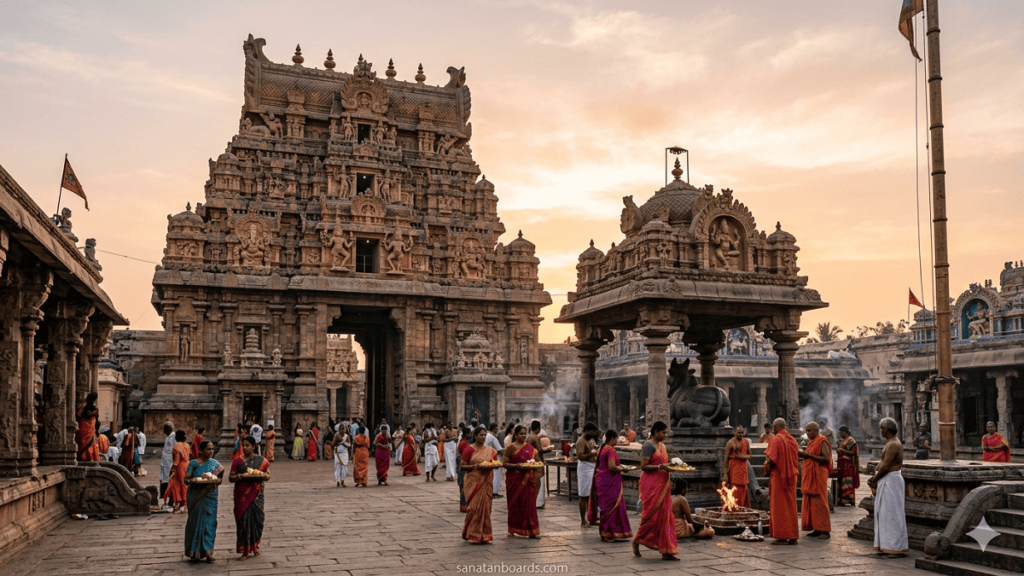
“MAHADEVA PANDYAN (TAMIL NADU)” can be understood as a conceptual and cultural identity rather than a strictly documented historical individual. It represents the synthesis of Shaivite devotion (Mahadeva) and the historical influence of the Pandya dynasty in Tamil Nadu. In the context of Sanatan Dharma, Mahadeva refers to Lord Shiva one of the principal deities of the Hindu trinity, associated with destruction, transformation, and regeneration.
The Pandya dynasty was one of the oldest ruling dynasties in South India, known for its patronage of religion, especially Shaivism and Vaishnavism. When these two elements are combined, the term signifies a tradition or figure that embodies devotion to Shiva within the socio-political and cultural environment shaped by the Pandyas.
This concept may also be interpreted as a representation of temple culture, where rulers and communities collectively contributed to the construction and maintenance of Shiva temples. These temples were not merely places of worship; they functioned as centers of learning, art, music, and administration. Rituals, festivals, and daily practices were deeply influenced by Shaivite philosophies, which emphasized devotion (bhakti), discipline, and spiritual awareness.
Additionally, “Mahadeva Pandyan” can symbolize the integration of spiritual authority with temporal power. Kings often considered themselves servants of the divine, and their rule was legitimized through religious adherence. This created a system where governance and spirituality were interconnected.
Thus, the term stands as a broader representation of Tamil Nadu’s Shaivite heritage under Pandyan influence, highlighting a legacy that continues to shape cultural and religious practices even today.
Who Is Required Mahadeva Pandyan (Tamil Nadu) ?
The concept of “MAHADEVA PANDYAN (TAMIL NADU)” is not limited to a single individual but extends to various groups and roles within society who contribute to preserving and promoting Shaivite traditions. Primarily, it is relevant to historians, cultural scholars, and researchers who study the evolution of Sanatan Dharma in South India. For them, this concept provides insight into how dynastic rule influenced religious practices and temple culture.
It is also significant for spiritual practitioners and devotees of Lord Shiva. Those who follow Shaivism can relate to the values represented by “Mahadeva Pandyan,” such as devotion, discipline, and alignment with dharma. Priests, temple caretakers, and religious leaders play a crucial role in maintaining the rituals and traditions that are part of this legacy.
Artists, architects, and musicians are also connected to this concept, as many aspects of Tamil culture—such as classical dance, temple architecture, and devotional music—have roots in Shaivite traditions supported by the Pandya rulers. These individuals help in preserving and evolving the cultural expressions associated with Mahadeva worship.
Furthermore, policymakers and cultural preservationists may find relevance in this concept when working to protect heritage sites and promote tourism related to ancient temples and traditions. Educational institutions and students studying Indian history and culture also benefit from understanding this integrated perspective.
When Mahadeva Pandyan (Tamil Nadu) Is Required ?
The relevance of “MAHADEVA PANDYAN (TAMIL NADU)” becomes particularly significant during periods of cultural reflection, spiritual revival, and historical study. One of the primary contexts in which this concept is required is during religious festivals dedicated to Lord Shiva, such as Maha Shivaratri. During such occasions, the historical and cultural roots of Shaivism in Tamil Nadu are revisited, highlighting the contributions of ancient dynasties like the Pandyas.
It is also important in academic and research settings, especially when studying the evolution of Sanatan Dharma in South India. Scholars examining temple architecture, inscriptions, and literary works often rely on the historical framework established during the Pandya period. The concept helps contextualize how religion and governance were intertwined.
Another key situation where this concept is relevant is in heritage conservation efforts. As many ancient temples face challenges related to preservation, understanding the historical significance of Shaivite traditions under the Pandya dynasty becomes essential. This knowledge supports initiatives aimed at restoring and maintaining these structures.
In modern times, the idea is also required in discussions about cultural identity. As globalization influences local traditions, there is a growing need to reconnect with historical roots. “Mahadeva Pandyan” serves as a symbolic anchor that links contemporary society with its spiritual and cultural past.
Additionally, the concept is relevant in educational curricula that focus on Indian history, philosophy, and religion. It provides students with a holistic understanding of how spiritual beliefs shaped societal structures.
Where Mahadeva Pandyan (Tamil Nadu) Is Required ?
The concept of “MAHADEVA PANDYAN (TAMIL NADU)” is most prominently required in regions historically associated with the Pandya dynasty, particularly in southern Tamil Nadu. Cities such as Madurai, which served as a major cultural and political center, are key locations where this idea holds strong relevance. Temples dedicated to Lord Shiva in these regions stand as living examples of the integration of spirituality and governance.
It is also required in temple complexes across Tamil Nadu, where rituals and traditions rooted in Shaivism continue to be practiced. These temples serve as hubs of religious activity and cultural preservation, making them important spaces for understanding the legacy of Mahadeva worship under Pandyan influence.
Educational institutions, including universities and research centers, are another important setting where this concept is relevant. Departments focusing on history, archaeology, and religious studies often explore topics related to ancient dynasties and their contributions to Indian culture.
Museums and heritage sites also play a crucial role in preserving artifacts, inscriptions, and architectural elements from the Pandya period. These spaces provide valuable insights into how Shaivite traditions were practiced and supported by rulers.
In addition, cultural events, festivals, and exhibitions that celebrate Tamil heritage often incorporate elements related to this concept. These platforms help in spreading awareness and appreciation among a wider audience.
Even in digital spaces, such as online platforms and educational blogs, the concept is required to disseminate knowledge and engage with global audiences interested in Indian culture and spirituality.
How Mahadeva Pandyan (Tamil Nadu) Is Required ?
The concept of “MAHADEVA PANDYAN (TAMIL NADU)” is required through various methods that involve preservation, interpretation, and dissemination of cultural and spiritual knowledge. One of the primary ways is through the maintenance and restoration of ancient temples. These structures are not only architectural marvels but also repositories of religious practices and historical narratives.
Another important method is through education and research. Scholars and students study ancient texts, inscriptions, and artifacts to understand the role of the Pandya dynasty in promoting Shaivism. This academic work helps in reconstructing historical contexts and ensuring that knowledge is passed on to future generations.
Cultural practices such as classical dance forms, music, and festivals also play a significant role. These art forms often have themes rooted in Shaivite traditions and serve as a medium for expressing devotion and storytelling.
Technology has also become a key tool in this process. Digital archives, virtual tours of temples, and online courses make it easier for people around the world to access information about Tamil Nadu’s heritage. Social media and blogs further contribute by creating awareness and engaging audiences.
Community participation is another crucial aspect. Local communities, temple authorities, and cultural organizations work together to organize events, maintain traditions, and support heritage conservation efforts.
In modern governance, policies aimed at preserving cultural heritage also reflect the importance of this concept. Government initiatives to protect monuments and promote tourism contribute to sustaining the legacy.
Thus, “Mahadeva Pandyan” is required through a combination of traditional practices and modern approaches that ensure the continuity of cultural and spiritual heritage.
Case Study On Mahadeva Pandyan (Tamil Nadu)
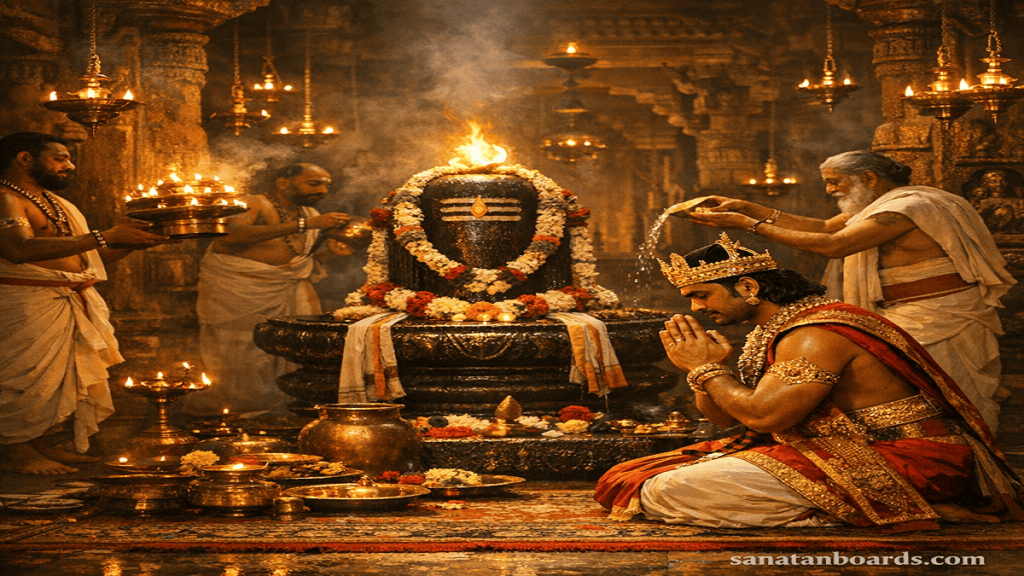
The case study of “MAHADEVA PANDYAN (TAMIL NADU)” can be understood through the historical and cultural development of Shaivite traditions under the Pandya dynasty in Tamil Nadu. This period represents a strong integration of spirituality, governance, and community life, where devotion to Mahadeva (Lord Shiva) played a central role in shaping society.
During the Pandya rule, temples were established as key institutions that went beyond religious purposes. They functioned as centers of economic activity, education, and social organization. Land grants were provided to temples, ensuring a continuous source of income for rituals, maintenance, and employment of priests, artisans, and workers. This structured system reflects the essence of “Mahadeva Pandyan,” where governance supported spiritual institutions.
One notable aspect is the architectural development of temples. The construction of grand Shiva temples showcased advanced engineering skills and artistic excellence. Sculptures, carvings, and inscriptions found in these temples provide valuable insights into the social, political, and religious life of that era.
Community participation was another defining feature. Festivals dedicated to Lord Shiva brought people together, strengthening social bonds and cultural identity. Music, dance, and rituals performed during these events contributed to the preservation of traditions.
Over time, these temple systems faced challenges such as invasions and changing political landscapes. However, their strong foundation allowed them to survive and continue influencing society. In modern times, restoration efforts have helped revive many of these historical sites.
This case study highlights that “MAHADEVA PANDYAN (TAMIL NADU)” represents a sustainable model where spirituality, governance, and community involvement worked together to create a lasting cultural legacy.
The case study of “MAHADEVA PANDYAN (TAMIL NADU)” clearly demonstrates how the integration of Shaivite devotion with Pandya governance created a sustainable and well-structured societal model. Temples functioned as multi-dimensional institutions that supported not only religious practices but also economic stability, education, and cultural continuity. The active involvement of communities and the strategic support from rulers ensured the long-term preservation of traditions. This case highlights that a strong foundation built on spirituality and collective participation can sustain cultural systems even through periods of change and challenge.
White Paper On Mahadeva Pandyan (Tamil Nadu)
The concept of “MAHADEVA PANDYAN (TAMIL NADU)” offers a structured perspective on the relationship between cultural heritage, religion, and governance. This white paper explores its relevance in both historical and contemporary contexts.
Historically, the Pandya dynasty contributed significantly to the promotion of Shaivism by supporting temple construction, religious practices, and artistic expression. This created a well-organized system where temples acted as institutional hubs for various activities, including education and economic management.
In the modern context, preserving such heritage has become increasingly important. Rapid urbanization and lack of awareness pose threats to ancient temples and traditions. To address these challenges, governments and organizations must implement effective conservation policies. This includes funding restoration projects, training experts, and ensuring proper documentation of historical sites.
Education plays a vital role in sustaining this legacy. By incorporating topics related to traditional systems into academic curricula, students can develop a deeper understanding of cultural heritage. Interdisciplinary approaches combining history, architecture, and philosophy can enhance this learning process.
Technology provides new opportunities for preservation and dissemination. Digital archives, virtual tours, and online platforms make it possible to share knowledge with a global audience. These tools help in maintaining records and increasing accessibility.
Community involvement is equally important. Local communities act as custodians of traditions and are essential for their continuation. Encouraging participation through festivals and cultural programs strengthens this connection.
Economically, heritage tourism based on such concepts can generate revenue and create employment opportunities. However, sustainable practices must be followed to protect historical sites.
This white paper concludes that “MAHADEVA PANDYAN (TAMIL NADU)” serves as a comprehensive model for integrating heritage preservation with modern development strategies.
The white paper on “MAHADEVA PANDYAN (TAMIL NADU)” emphasizes the importance of adopting a holistic approach to cultural preservation. By combining historical understanding with modern strategies such as policy implementation, education, and technological innovation, it is possible to protect and promote heritage effectively. #Sanatandharmaaccreditationboardsintamilnadu The framework illustrates that sustainable development can be achieved when cultural identity is integrated into planning and decision-making processes. It also reinforces the role of #Sanatandharmaaccreditationboardsinsouthindia community involvement as a key factor in maintaining and transmitting traditions across generations.
Industry Application On Mahadeva Pandyan (Tamil Nadu)
The concept of “MAHADEVA PANDYAN (TAMIL NADU)” holds significant relevance across various industries by bridging traditional heritage with modern innovation. It provides a strong foundation for developing culturally rooted yet economically viable applications.
In the tourism industry, this concept plays a crucial role in promoting heritage and spiritual tourism. Tamil Nadu is home to numerous ancient Shiva temples associated with Pandya history, which attract pilgrims and travelers. Tour operators can design curated experiences such as temple circuits, guided heritage walks, and festival-based tourism. This not only enhances visitor engagement but also contributes to local economies and employment generation.
In the education industry, the concept is highly valuable for academic research and curriculum development. Universities and institutions can introduce specialized courses focusing on South Indian history, temple architecture, and Shaivite philosophy. It also supports interdisciplinary studies combining archaeology, history, and cultural studies, helping students gain a deeper understanding of traditional systems.
The media and content industry can leverage this concept to create documentaries, web series, books, and digital storytelling platforms. Content based on temple traditions, Pandya heritage, and Shaivism has strong potential to reach both national and global audiences. This helps in preserving narratives while making them accessible in modern formats.
In the architecture and design industry, traditional temple construction techniques and artistic elements serve as inspiration for contemporary projects. Concepts such as symmetry, detailed carvings, and symbolic layouts can be adapted into modern infrastructure, blending aesthetics with cultural identity.
The event and cultural management industry benefits through the organization of religious festivals, cultural exhibitions, and heritage events. These activities not only promote traditions but also create platforms for artists, performers, and local communities to showcase their skills.
In the technology sector, digital transformation plays a key role. Virtual temple tours, mobile applications, and digital archives can preserve and present historical data effectively. Technologies like augmented reality (AR) and virtual reality (VR) can offer immersive experiences, making cultural heritage more engaging for younger generations.
Additionally, the government and policy sector can utilize this concept to develop heritage conservation programs and promote sustainable tourism. #Sanatandharmaaccreditationboardsinmumbai Public-private partnerships can further enhance infrastructure and awareness initiatives.
SOURCE :Top 10 Safar
ASK FAQ
What is MAHADEVA PANDYAN (TAMIL NADU)?
MAHADEVA PANDYAN (TAMIL NADU) refers to a conceptual representation of the connection between Shaivite traditions (devotion to Lord Shiva) and the cultural legacy of the Pandya dynasty in Tamil Nadu.
Why is MAHADEVA PANDYAN (TAMIL NADU) important?
It is important because it highlights the integration of spirituality, temple culture, and governance in ancient Tamil Nadu, which continues to influence modern cultural and religious practices.
How is MAHADEVA PANDYAN (TAMIL NADU) related to Sanatan Dharma?
It is closely related to Sanatan Dharma through Shaivism, as it represents devotion to Lord Shiva and the preservation of spiritual traditions supported by the Pandya rulers.
Where can we see the influence of MAHADEVA PANDYAN (TAMIL NADU)?
Its influence can be seen in ancient Shiva temples, cultural festivals, architecture, and traditional practices across Tamil Nadu, especially in historically significant regions.
What are the modern applications of MAHADEVA PANDYAN (TAMIL NADU)?
It is applied in industries like tourism, education, media, and technology through heritage promotion, academic research, digital preservation, and cultural events.
Table of Contents
Disclaimer
This content is a conceptual and interpretative representation based on historical elements of the Pandya dynasty, Shaivism, and Sanatan Dharma traditions in Tamil Nadu. “MAHADEVA PANDYAN (TAMIL NADU)” is not presented as a verified historical individual but as a symbolic framework to explain cultural and spiritual connections. The information is intended for general informational purposes and should not be considered as definitive historical or academic evidence.