
BHASKARAVARMAN (KAMRUPA)
Bhaskaravarman was one of the most prominent rulers of ancient northeastern India, associated with the powerful kingdom of Kamarupa. His reign is generally placed in the 7th century CE, a period marked by dynamic political alliances, cultural development, and expanding regional influence. Bhaskaravarman belonged to the Varman dynasty, which played a critical role in shaping the early political identity of Assam and surrounding regions.
What makes Bhaskaravarman particularly noteworthy is his diplomatic and cultural engagement with other major powers of the Indian subcontinent. He is widely remembered for his alliance with Harsha, the ruler of northern India. This alliance was not only political but also reflected mutual respect and shared interests in maintaining regional stability and countering rival kingdoms.
The historical importance of Bhaskaravarman is also preserved through accounts by the Chinese traveler Xuanzang, who visited India during this time. Xuanzang’s writings provide valuable insights into the administration, culture, and prosperity of Kamarupa under Bhaskaravarman’s rule. These accounts portray him as a wise, learned, and generous ruler who encouraged education and religion.
Bhaskaravarman’s reign represents a significant chapter in early Indian history, particularly in highlighting the importance of the northeastern region in broader political and cultural networks. His contributions extended beyond governance to include support for intellectual exchange and religious tolerance.
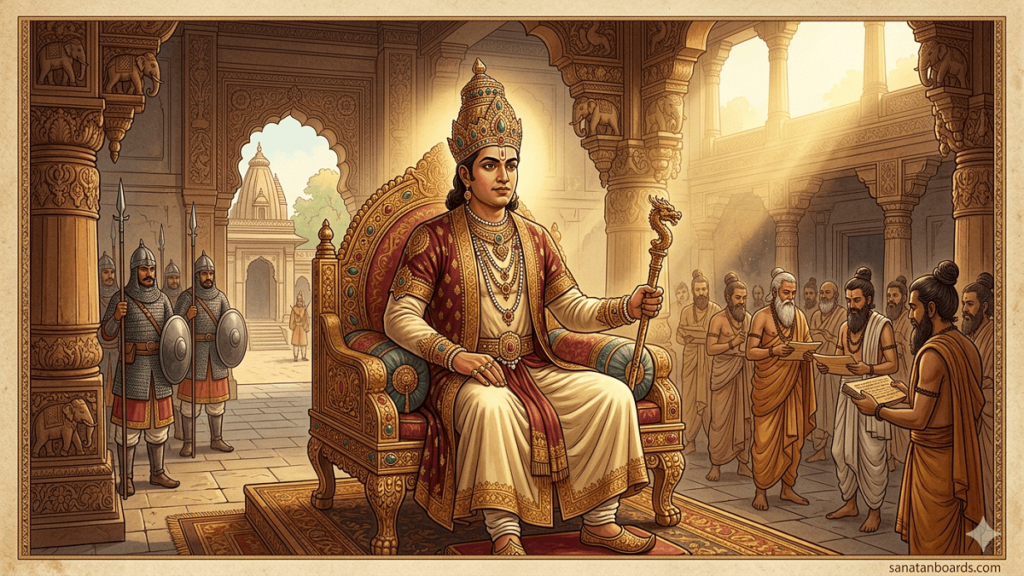
What Is Bhaskaravarman (Kamrupa) ?
Bhaskaravarman (Kamarupa) refers to the historical figure who ruled the ancient kingdom of Kamarupa and symbolizes a period of political strength and cultural advancement in northeastern India. The term encompasses not just the individual ruler but also the era of governance, diplomacy, and socio-cultural development associated with his reign.
As a king, Bhaskaravarman represented the culmination of the Varman dynasty’s influence. His rule marked a time when Kamarupa emerged as a significant regional power interacting with other prominent kingdoms across the Indian subcontinent. The concept of “Bhaskaravarman (Kamarupa)” therefore includes the administrative framework, diplomatic relations, and cultural environment fostered during his leadership.
One of the defining aspects of Bhaskaravarman’s identity was his ability to maintain strong alliances. His collaboration with Emperor Harsha played a crucial role in balancing power against common adversaries. This partnership demonstrates how regional rulers contributed to shaping the broader political landscape of India during the early medieval period.
Additionally, Bhaskaravarman is associated with intellectual and religious patronage. His court attracted scholars and religious figures, promoting learning and cultural exchange. This aspect highlights the integration of governance with cultural development, making his reign an example of holistic leadership.
The term also reflects the geographic and strategic importance of Kamarupa, which acted as a bridge between India and Southeast Asia. Under Bhaskaravarman, the kingdom gained recognition for its prosperity and administrative efficiency.
Thus, Bhaskaravarman (Kamarupa) is not merely a historical name but a representation of a significant era characterized by political stability, diplomatic intelligence, and cultural richness.
Who Is Required Bhaskaravarman (Kamrupa) ?
The relevance of Bhaskaravarman extends to various groups who seek to understand historical governance, diplomacy, and cultural development. His contributions are particularly significant for historians, researchers, and students exploring early Indian political systems and regional dynamics.
For historians, Bhaskaravarman serves as a key figure in understanding the evolution of northeastern India. His reign provides insights into how smaller kingdoms could assert influence and maintain autonomy while forming strategic alliances. His relationship with Harsha demonstrates the importance of cooperation in maintaining regional balance.
Students of political science and governance can also benefit from studying Bhaskaravarman. His leadership style reflects a combination of strategic thinking, diplomacy, and cultural awareness. By analyzing his decisions, learners can gain a deeper understanding of how effective leadership operates in complex political environments.
Cultural scholars find Bhaskaravarman relevant due to his patronage of learning and religion. His support for intellectual activities contributed to the preservation and dissemination of knowledge. The accounts of Xuanzang highlight the importance of cultural openness and exchange during his reign.
In addition, Bhaskaravarman is relevant for those studying international relations in a historical context. His diplomatic engagements illustrate how alliances were formed and maintained long before modern political frameworks emerged.
Finally, his legacy is important for regional identity and heritage studies. Bhaskaravarman represents a significant figure in the history of Assam and northeastern India, symbolizing pride and historical continuity.
When Bhaskaravarman (Kamrupa) Is Required ?
The study and relevance of Bhaskaravarman become particularly important in specific contexts where historical understanding, political analysis, and cultural exploration are involved. His contributions are most “required” when examining the early medieval period of Indian history, especially the 7th century CE, which was a transformative phase in regional and interregional interactions.
One key context where Bhaskaravarman is required is during the study of political alliances in ancient India. His relationship with Harsha provides a clear example of how rulers collaborated to address common challenges. This period illustrates the importance of diplomacy over conflict in maintaining stability and expanding influence.
Bhaskaravarman is also required when analyzing the development of northeastern India as a significant cultural and political region. His reign highlights how Kamarupa was not isolated but actively engaged with larger political entities. This understanding helps correct misconceptions about the historical marginalization of the region.
In the field of cultural and religious studies, Bhaskaravarman becomes essential when examining the patronage of knowledge and spirituality. His support for scholars and religious figures contributed to a vibrant intellectual environment. The visit of Xuanzang during his reign underscores the global connections and exchanges that existed at the time.
Another important context is the study of governance systems. Bhaskaravarman’s administration reflects a structured and effective approach to ruling a diverse kingdom. His policies and leadership style provide insights into early forms of statecraft and administration.
Bhaskaravarman is also required in discussions about historical documentation and sources. The information about his reign comes from inscriptions, literary works, and foreign accounts, making him a central figure in understanding how history is recorded and interpreted.
Lastly, his relevance emerges in contemporary discussions about regional identity and heritage. Bhaskaravarman represents a historical figure who contributed significantly to the identity of Assam and northeastern India.
Where Bhaskaravarman (Kamrupa) Is Required ?
Bhaskaravarman is required in multiple domains where historical, cultural, and political knowledge is explored. His relevance is not confined to a single region or discipline but extends across various fields and areas of study.
Geographically, Bhaskaravarman is most prominently associated with the ancient kingdom of Kamarupa, which corresponds largely to present-day Assam and parts of northeastern India. This region serves as the primary context where his contributions are studied and appreciated. However, his influence extends beyond this area due to his interactions with other kingdoms, particularly in northern India.
In academic settings, Bhaskaravarman is required in the study of history, especially courses focusing on early medieval India. His reign provides a case for understanding regional kingdoms and their interactions with larger empires. Universities and research institutions often include his contributions in discussions about political alliances and cultural exchange.
In cultural studies, Bhaskaravarman is relevant in understanding the development of traditions, religious practices, and intellectual activities in northeastern India. His support for scholars and religious institutions played a significant role in shaping the cultural landscape of the region.
Bhaskaravarman is also required in the context of international historical relations. His interactions with figures like Xuanzang highlight the connections between India and other parts of Asia. These interactions demonstrate how knowledge and culture were shared across borders.
Museums, historical sites, and heritage institutions also require the study of Bhaskaravarman to present a comprehensive narrative of regional history. His contributions help in preserving and promoting the cultural identity of Assam.
In addition, Bhaskaravarman is relevant in modern discussions about regional pride and identity. His legacy serves as a reminder of the historical significance of northeastern India in the broader context of Indian civilization.
How Bhaskaravarman (Kamrupa) Is Required ?
Bhaskaravarman is required through various approaches that involve analyzing his life, reign, and contributions to different fields. Understanding how he is required involves examining the methods and perspectives through which his significance is studied and applied.
One of the primary ways Bhaskaravarman is required is through historical analysis. Scholars examine inscriptions, literary sources, and foreign accounts to reconstruct his reign and understand his impact. This approach helps in building a comprehensive picture of his governance and achievements.
Another way is through comparative studies. Bhaskaravarman’s alliance with Harsha provides an opportunity to compare different rulers and their strategies. By studying their relationship, researchers can gain insights into the dynamics of cooperation and competition in ancient politics.
Bhaskaravarman is also required through cultural interpretation. His patronage of learning and religion is analyzed to understand the cultural environment of his time. This approach highlights the role of rulers in promoting intellectual and spiritual growth.
In the field of education, Bhaskaravarman is required as a case study for teaching leadership and governance. His decisions and policies serve as examples of effective administration and diplomacy. Students can learn valuable lessons about strategic thinking and collaboration.
Another important approach is through interdisciplinary studies. Bhaskaravarman’s reign intersects with history, political science, cultural studies, and international relations. By studying him from multiple perspectives, a more holistic understanding of his significance is achieved.
Bhaskaravarman is also required in the preservation of heritage. Efforts to document and promote the history of Kamarupa often involve highlighting his contributions. This ensures that his legacy continues to be recognized and appreciated.
Finally, his relevance is maintained through continuous research and reinterpretation. As new findings emerge, scholars revisit his life and contributions, ensuring that his significance remains dynamic and evolving.
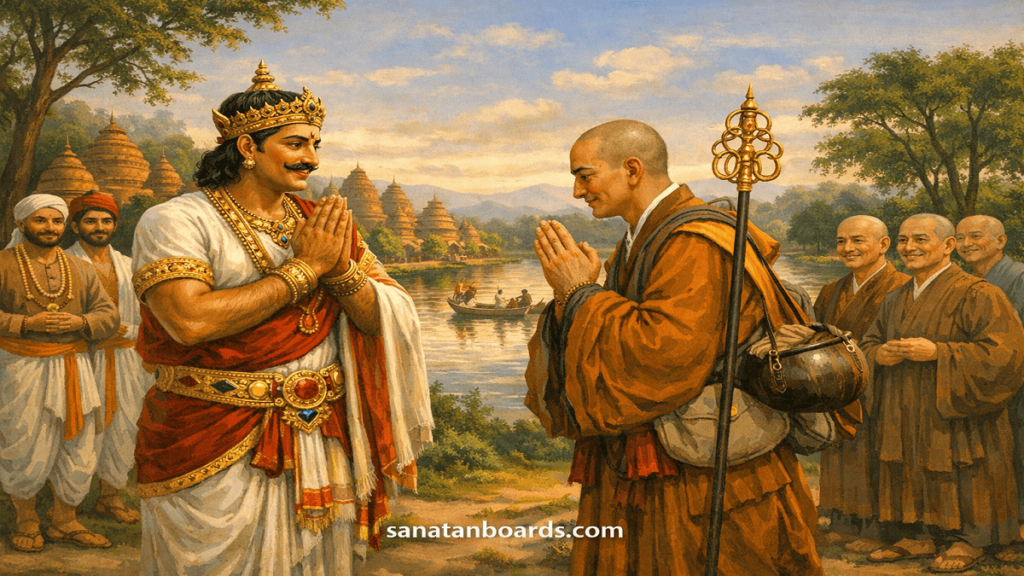
Case Study On Bhaskaravarman (Kamrupa)
Bhaskaravarman’s reign offers a compelling case study in leadership, diplomacy, and cultural development during the early medieval period of Indian history. As the ruler of Kamarupa, he successfully navigated a complex political landscape, establishing his kingdom as a significant regional power.
One of the most notable aspects of Bhaskaravarman’s rule was his diplomatic relationship with Harsha. At a time when political alliances were crucial for survival and expansion, Bhaskaravarman demonstrated exceptional foresight by aligning with a powerful ruler. This alliance was mutually beneficial, allowing both kingdoms to counter threats and maintain stability.
The case of Bhaskaravarman also highlights the importance of cultural patronage. His court became a center for learning and intellectual exchange, attracting scholars and religious figures. This environment fostered the growth of knowledge and contributed to the cultural richness of Kamarupa.
Xuanzang’s visit to Kamarupa provides valuable insights into Bhaskaravarman’s administration. The Chinese traveler described the kingdom as prosperous and well-governed, reflecting the effectiveness of Bhaskaravarman’s leadership. His hospitality towards Xuanzang also indicates his openness to cultural exchange and international interaction.
From a governance perspective, Bhaskaravarman’s rule demonstrates the importance of balancing power and diplomacy. He managed to maintain autonomy while engaging with larger political entities. This balance allowed Kamarupa to thrive without being overshadowed by more powerful kingdoms.
The case study also reveals the strategic importance of geography. Kamarupa’s location enabled it to act as a bridge between different regions, facilitating trade and cultural exchange. Bhaskaravarman effectively utilized this advantage to strengthen his kingdom’s position.
Another important aspect is his legacy. Bhaskaravarman’s contributions have had a lasting impact on the history and identity of Assam. His reign is often seen as a #bhaskaravarmaninindia golden period, characterized by stability, prosperity, and cultural development.
Thus, the case study of Bhaskaravarman provides valuable lessons in leadership, diplomacy, and cultural patronage, making him a significant figure in Indian history.
White Paper On Bhaskaravarman
Bhaskaravarman’s reign represents a significant period in early medieval Indian history, characterized by political stability, cultural development, and strategic diplomacy. This white paper aims to analyze his contributions and their broader implications.
The political landscape of the 7th century CE was marked by the presence of multiple regional powers. Bhaskaravarman’s ability to navigate this environment demonstrates his strategic acumen. His alliance with Harsha played a crucial role in maintaining regional balance and preventing conflicts.
Economically, Kamarupa under Bhaskaravarman experienced growth and prosperity. The kingdom’s strategic location facilitated trade and interaction with neighboring regions. This economic strength contributed to its stability and influence.
Culturally, Bhaskaravarman’s patronage of learning and religion created a vibrant intellectual environment. His support for scholars and religious institutions reflects his commitment to cultural development. Xuanzang’s accounts provide evidence of the kingdom’s cultural richness and openness.
Administratively, Bhaskaravarman’s governance was marked by efficiency and organization. His ability to manage a diverse kingdom highlights his leadership skills. The success of his administration is evident in the prosperity and stability of Kamarupa during his reign.
The legacy of Bhaskaravarman extends beyond his lifetime. His contributions have had a lasting impact on the history and identity of northeastern India. His reign is often seen as a model of effective leadership and cultural patronage.
This white paper concludes that Bhaskaravarman’s #sanatandharmaaccreditationboardsinmumbai significance lies in his ability to integrate political, economic, and cultural elements to create a मजबूत and prosperous kingdom.
Industry Application Of Bhaskaravarman
Although Bhaskaravarman belonged to an ancient historical context, the principles derived from his reign have relevance in modern industries and organizational practices. His leadership, diplomacy, and strategic thinking offer valuable insights for contemporary applications.
One of the key applications is in leadership and management. Bhaskaravarman’s ability to balance power, maintain alliances, and ensure stability reflects qualities that are essential in modern leadership. Organizations can learn from his approach to decision-making and conflict resolution.
In the field of international relations and business partnerships, Bhaskaravarman’s alliance with Harsha serves as an example of effective collaboration. Companies and organizations can draw parallels in forming strategic partnerships to achieve mutual goals.
Cultural patronage under Bhaskaravarman can be related to corporate social responsibility in modern industries. His support for learning and religion highlights the importance of contributing to societal development. Organizations today can adopt similar approaches to enhance their social impact.
Another application is in strategic planning. Bhaskaravarman’s use of geography and resources to strengthen his kingdom demonstrates the importance of understanding and utilizing available assets. Businesses can apply this principle in market analysis and resource management.
In the education sector, Bhaskaravarman’s emphasis on learning can inspire institutions to prioritize knowledge and innovation. His reign serves as a reminder of the importance of intellectual growth in achieving long-term success.
Finally, Bhaskaravarman’s legacy highlights the #sanatandharmaaccreditationboardsinmumbai importance of adaptability and foresight. His ability to respond to changing political dynamics is a valuable lesson for industries operating in competitive and evolving environments.
source : Burning Encyclopedia
ASK FAQ
Who was Bhaskaravarman (Kamarupa)?
Bhaskaravarman was a 7th-century ruler of the ancient kingdom of Kamarupa in present-day Assam. He belonged to the Varman dynasty and is known for his strong leadership, diplomatic skills, and alliance with Emperor Harsha.
Why is Bhaskaravarman important in Indian history?
Bhaskaravarman is important for strengthening Kamarupa as a regional power and maintaining strategic alliances. His reign highlights political stability, cultural growth, and international connections, especially through the accounts of Xuanzang.
What was the relationship between Bhaskaravarman and Harsha?
Bhaskaravarman shared a strong diplomatic alliance with Harsha. Their partnership helped maintain political balance in northern India and counter common enemies, making it a key example of early Indian diplomacy.
What did Xuanzang say about Bhaskaravarman’s kingdom?
The Chinese traveler Xuanzang described Kamarupa under Bhaskaravarman as prosperous, well-governed, and culturally rich. He praised the king’s hospitality and support for learning and religion.
Where was the kingdom of Kamarupa located?
The kingdom of Kamarupa was located in present-day Assam and parts of northeastern India. It was strategically important for trade and cultural exchange between India and Southeast Asia.
Table of Contents
Disclaimer
This content on Bhaskaravarman (Kamarupa) is based on historical interpretations, available records, and scholarly research related to the ancient kingdom of Kamarupa. While efforts have been made to ensure accuracy and clarity, historical details may vary due to differences in sources, translations, and interpretations. The information provided is intended for general informational purposes only and should not be considered as definitive or exhaustive. Readers are encouraged to consult additional academic sources, historical texts, and expert opinions for deeper understanding and further research on the topic