The TRAVANCORE KINGDOM – MARTHANDA VARMA, SWATHI THIRUNAL RAMA VARMA represents a significant era in the history of southern India, marked by political consolidation, cultural renaissance, and visionary leadership. Situated at the southern tip of the Indian subcontinent, Travancore emerged as a dominant power under the reign of Marthanda Varma, often hailed as the architect of modern Travancore. His leadership, which began in the early 18th century, was characterized by military strategy, diplomatic acumen, and systematic administration. Marthanda Varma’s expansion of the kingdom not only consolidated fragmented regions but also laid the foundation for a centralized governance model that ensured long-term stability.
Following Marthanda Varma, Swathi Thirunal Rama Varma became one of the most celebrated monarchs of Travancore, known for his patronage of arts, music, and literature in the 19th century. Swathi Thirunal was a visionary ruler whose reign is synonymous with cultural prosperity. Under his guidance, Travancore became a hub for classical music, literature, and intellectual pursuits, attracting scholars, musicians, and artists from across the region. The combination of Marthanda Varma’s administrative genius and Swathi Thirunal’s cultural vision created a legacy that has endured for centuries, influencing modern governance, culture, and education in Kerala and beyond.
The kingdom’s achievements during this period are not just limited to politics and culture. The economic reforms, public infrastructure projects, and innovative approaches to administration initiated during their reign contributed to social stability and prosperity. Today, the study of TRAVANCORE KINGDOM – MARTHANDA VARMA, SWATHI THIRUNAL RAMA VARMA offers valuable insights into the integration of strategic governance with cultural enrichment, demonstrating how leadership can shape a society’s identity and progress.
What Is Travancore Kingdom – Marthanda Varma, Swathi Thirunal Rama Varma ?
The TRAVANCORE KINGDOM – MARTHANDA VARMA, SWATHI THIRUNAL RAMA VARMA refers to the historical period and region under the rule of two of Travancore’s most influential monarchs. Travancore was a princely state located in the southernmost part of India, covering parts of present-day Kerala and Tamil Nadu. It was a strategically important region, known for its natural harbors, fertile land, and trade routes connecting India with the Arabian Sea and beyond.
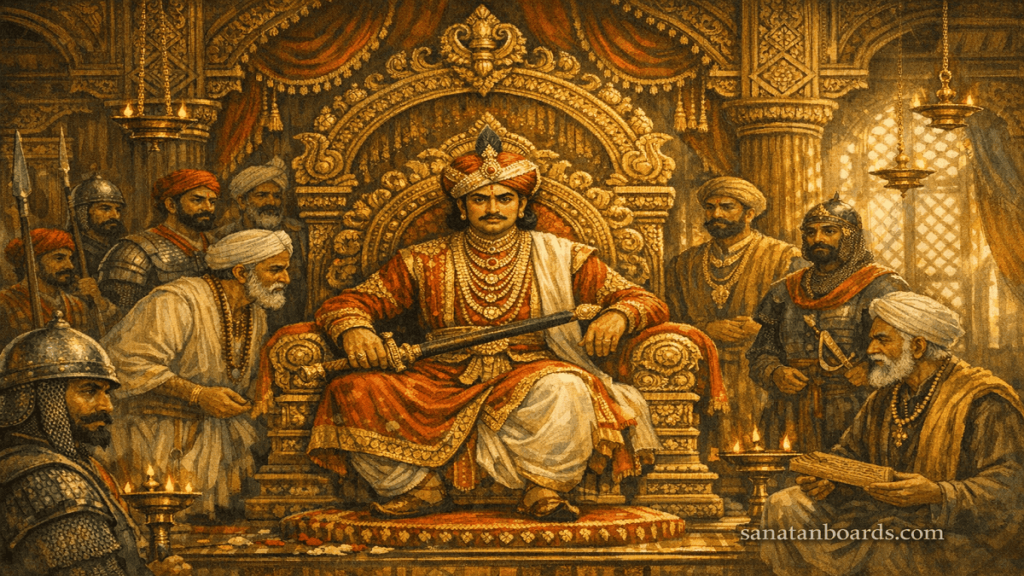
Under Marthanda Varma, Travancore underwent significant territorial expansion and political consolidation. He is renowned for defeating rival feudal lords and strengthening the central authority of the monarchy. His military campaigns, coupled with strategic alliances, helped Travancore resist external invasions and emerge as a powerful state in the region. The administrative reforms introduced during his reign, including systematic revenue collection and local governance structures, ensured the kingdom’s long-term stability.
Swathi Thirunal Rama Varma, who reigned in the 19th century, transformed Travancore into a cultural and intellectual hub. He was a patron of classical music, literature, and performing arts, promoting the arts alongside governance. Swathi Thirunal himself was a prolific composer, blending Carnatic and Hindustani music traditions, and encouraging scholarly pursuits that elevated the kingdom’s cultural status.
Together, Marthanda Varma and Swathi Thirunal symbolize a balance of military prowess, administrative efficiency, and cultural enrichment. The TRAVANCORE KINGDOM – MARTHANDA VARMA, SWATHI THIRUNAL RAMA VARMA thus represents a unique historical instance where political consolidation and cultural flourishing occurred simultaneously, creating a model of governance that has left an enduring legacy in Indian history.
Who Is Required Travancore Kingdom – Marthanda Varma, Swathi Thirunal Rama Varma ?
who is required to study or understand TRAVANCORE KINGDOM – MARTHANDA VARMA, SWATHI THIRUNAL RAMA VARMA spans several groups of people. First and foremost, historians and researchers focusing on Indian or South Asian history are deeply invested in this period. The kingdom represents a pivotal moment in southern India’s political consolidation, military strategy, and administrative evolution, making it a primary subject for historical scholarship. Understanding the strategies and policies of Marthanda Varma and Swathi Thirunal provides valuable context for regional and national historical narratives.
Secondly, students and scholars of political science, governance, and administration find the kingdom highly relevant. Marthanda Varma’s structured revenue systems, military reforms, and centralization of power demonstrate effective governance strategies, while Swathi Thirunal’s inclusive and culturally enriching policies offer insights into leadership that integrates social and cultural development. These examples serve as case studies in administrative efficiency, strategic leadership, and the interaction between power and cultural stewardship.
Third, musicians, artists, and literary enthusiasts are naturally drawn to this kingdom due to Swathi Thirunal Rama Varma’s lasting contributions to the arts. His compositions in both Carnatic and Hindustani music, along with his encouragement of literary and theatrical pursuits, make the period essential for those exploring classical music, performance arts, or regional literature.
Additionally, policymakers, cultural curators, and educators benefit from studying Travancore’s legacy. The kingdom’s emphasis on infrastructure, social welfare, and cultural promotion highlights sustainable development practices and a balanced approach to progress.
In summary, the study of TRAVANCORE KINGDOM – MARTHANDA VARMA, SWATHI THIRUNAL RAMA VARMA is required for historians, scholars of governance, artists, educators, and policymakers. Its relevance spans political, cultural, and social spheres, providing a multifaceted framework for understanding leadership, cultural identity, and societal development in both historical and contemporary contexts.
When Travancore Kingdom – Marthanda Varma, Swathi Thirunal Rama Varma Is Required ?
The study of TRAVANCORE KINGDOM – MARTHANDA VARMA, SWATHI THIRUNAL RAMA VARMA is particularly required when examining critical periods in South Indian history, cultural development, and governance evolution. The era of Marthanda Varma in the early 18th century is required when analyzing how fragmented territories were unified under a central authority. During this period, Travancore faced challenges from neighboring feudal states and colonial powers attempting to exert influence. Marthanda Varma’s decisive military campaigns and diplomatic strategies became necessary examples for understanding conflict resolution, state-building, and long-term political stability in pre-modern India.
Similarly, the period of Swathi Thirunal Rama Varma in the 19th century is required when exploring the intersection of leadership and cultural flourishing. This was a time when Travancore became a cultural hub, attracting musicians, poets, and scholars. The kingdom’s cultural policies during Swathi Thirunal’s reign are required for studying how rulers can foster intellectual and artistic growth while maintaining administrative efficiency. His compositions, patronage of performing arts, and encouragement of literary scholarship illustrate when culture becomes a tool for societal cohesion and identity formation.
The kingdom is also required when tracing economic and social reforms in historical governance. Infrastructure improvements, systematic revenue collection, and public welfare initiatives during Marthanda Varma’s reign are required examples for understanding how forward-looking policies can create sustainable prosperity. These examples are particularly relevant for comparative studies in administration, public policy, and economics, offering lessons on timing, strategy, and implementation of reforms.
Additionally, Travancore’s legacy is required when assessing the historical foundations of Kerala’s regional identity and social cohesion. The policies, cultural patronage, and governance models introduced during this era are required to understand how historical leadership can influence contemporary culture, governance, and social structures.
Where Travancore Kingdom – Marthanda Varma, Swathi Thirunal Rama Varma Is Required ?
The study of TRAVANCORE KINGDOM – MARTHANDA VARMA, SWATHI THIRUNAL RAMA VARMA is required in several geographic and institutional contexts. Geographically, it is centered in the southernmost part of India, covering present-day Kerala and parts of Tamil Nadu. The kingdom’s capital, Thiruvananthapuram, served as the political, administrative, and cultural nucleus. Understanding Travancore in this geographic context is required for exploring how location, natural resources, and trade routes influenced political strategy, economic growth, and cultural exchange.
Institutions such as universities, research centers, and cultural academies across India and abroad require the study of Travancore for historical and cultural scholarship. Music conservatories, literary societies, and performance art institutions in Kerala, for instance, require this knowledge to understand Swathi Thirunal’s impact on classical music, literature, and performing arts. Similarly, museums, archives, and heritage centers require information on Travancore to preserve artifacts, manuscripts, and architectural heritage from the period.
Furthermore, policymakers and urban planners require insights from Travancore’s historical governance, administrative systems, and public welfare initiatives. The kingdom’s structured taxation, infrastructure development, and social initiatives provide case studies in sustainable governance that are applicable even in modern urban and regional planning contexts.
Globally, scholars interested in comparative monarchy, regional governance, and cultural integration also require Travancore’s example to understand how smaller states managed to preserve sovereignty, culture, and prosperity amid larger empires.
How Travancore Kingdom – Marthanda Varma, Swathi Thirunal Rama Varma Is Required ?
The study of TRAVANCORE KINGDOM – MARTHANDA VARMA, SWATHI THIRUNAL RAMA VARMA is required through multiple approaches that encompass historical, cultural, administrative, and policy perspectives. First, it is required through archival research. Historical documents, royal decrees, treaties, and letters from Marthanda Varma’s and Swathi Thirunal’s periods provide a direct insight into governance, diplomacy, and cultural patronage. Researchers and historians analyze these primary sources to reconstruct political strategies, societal structures, and cultural priorities of the kingdom.
Second, it is required through cultural exploration. Swathi Thirunal’s compositions, performances, and literary works are studied to understand the integration of governance with cultural enrichment. Musicians, literary scholars, and artists require this approach to preserve, interpret, and adapt the kingdom’s cultural legacy for contemporary practice.
Third, it is required through case-based administrative studies. Marthanda Varma’s reforms in revenue collection, military organization, and centralized governance provide practical examples for understanding strategic administration. Policy analysts and public administration scholars examine these models to explore effective governance methods, especially in balancing political authority with social welfare.
Additionally, the kingdom is required through comparative historical analysis. By comparing Travancore’s strategies with neighboring kingdoms or colonial administrations, scholars gain insight into effective leadership models and cultural integration. This approach highlights the distinctive methods employed by Marthanda Varma and Swathi Thirunal to maintain stability and prosperity while encouraging intellectual and artistic growth.
It is also required through educational dissemination. Textbooks, seminars, workshops, and cultural programs use Travancore’s history to illustrate broader lessons in governance, leadership, and cultural patronage. Educators employ storytelling, research-based analysis, and experiential learning to make the kingdom’s history accessible and relevant.
Finally, the kingdom is required through preservation and heritage efforts. Restoration of palaces, archival documentation, and promotion of traditional arts ensure that Travancore’s legacy remains tangible and influential. Museums, cultural centers, and government initiatives use these resources to inspire modern governance, arts, and societal development.
Case Study On Travancore Kingdom – Marthanda Varma, Swathi Thirunal Rama Varma
The TRAVANCORE KINGDOM – MARTHANDA VARMA, SWATHI THIRUNAL RAMA VARMA presents a fascinating case study in the consolidation of power, cultural patronage, and administrative innovation. Travancore, situated at the southern tip of India, emerged as a critical princely state during the 18th and 19th centuries. The reigns of Marthanda Varma and Swathi Thirunal Rama Varma provide unique insights into how strategic leadership can simultaneously address military, administrative, and cultural objectives, creating a legacy that continues to influence the region today.
Marthanda Varma’s Political Consolidation:
Marthanda Varma ascended the throne in a period marked by fragmentation and constant threats from local feudal lords and European colonial powers. At the time, the region consisted of multiple small principalities, each governed by local chieftains. These divisions led to recurring conflicts and instability. Marthanda Varma’s approach involved a combination of diplomacy, military strategy, and administrative reforms. He systematically subdued rebellious chieftains, integrated their territories into the central administration, and reorganized the kingdom’s military to create a disciplined and modern force capable of defending the state against external threats.
One of his most notable achievements was the victory over the Dutch at the Battle of Colachel in 1741. This victory not only secured Travancore’s sovereignty but also sent a powerful message to colonial powers that regional kingdoms could resist European interventions. Marthanda Varma’s success in consolidating power and defending Travancore established the kingdom as a significant player in the politics of southern India.
Administrative Reforms:
Marthanda Varma’s governance model introduced several innovative practices. He implemented a centralized revenue system, replacing inconsistent local taxation methods with a structured system that ensured predictable income for the kingdom. Administrative divisions were standardized, with officials accountable to the monarchy rather than local lords. This centralization increased efficiency, reduced corruption, and strengthened the authority of the crown. Additionally, public works, including roads, irrigation systems, and temples, were developed to promote economic activity and social cohesion.
Swathi Thirunal’s Cultural Renaissance:
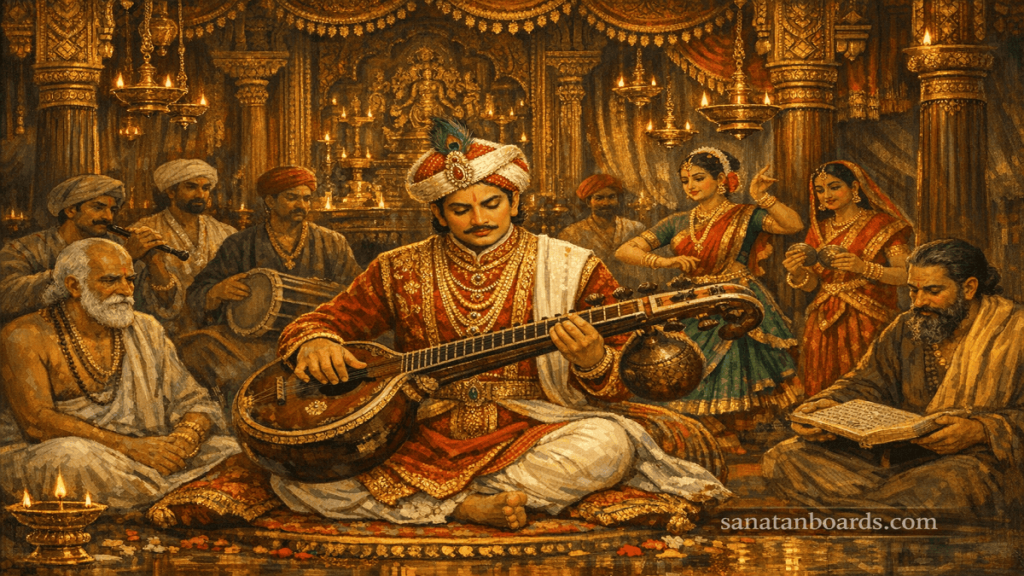
In the 19th century, Swathi Thirunal Rama Varma brought a new dimension to Travancore’s legacy through his patronage of arts and culture. Unlike Marthanda Varma, whose focus was largely on political and administrative consolidation, Swathi Thirunal emphasized cultural enrichment. He was a prolific composer, blending Carnatic and Hindustani musical traditions, and introduced innovations in musical theory and performance.
Swathi Thirunal’s court became a hub for musicians, scholars, and artists from across India, fostering an environment of intellectual and creative exchange. He also promoted literature, theater, and visual arts, ensuring that cultural development complemented the kingdom’s political stability. By intertwining governance with cultural flourishing, Swathi Thirunal set an example of holistic leadership that valued both power and creativity.
Economic and Social Impact:
The policies of Marthanda Varma and Swathi Thirunal had lasting economic and social effects. Efficient revenue collection and infrastructure improvements facilitated trade and agriculture, creating a prosperous economy. Social reforms, including support for education and healthcare, improved the welfare of citizens. The combination of economic stability, social welfare, and cultural patronage created a cohesive society with a strong sense of identity and pride.
Strategic Lessons:
The case study of the TRAVANCORE KINGDOM – MARTHANDA VARMA, SWATHI THIRUNAL RAMA VARMA offers multiple lessons in leadership, governance, and cultural management. Marthanda Varma exemplifies strategic consolidation, military foresight, and administrative efficiency, while Swathi Thirunal demonstrates the importance of cultural vision and intellectual investment. Together, they illustrate that sustainable development requires both structural stability and creative enrichment.
Legacy and Modern Relevance:
Today, the legacy of Travancore’s rulers is visible in Kerala’s administrative systems, music, arts, and cultural institutions. Scholars and policymakers study this period to understand how visionary leadership can shape long-term societal growth. Institutions continue to preserve Travancore’s palaces, manuscripts, and musical compositions, ensuring that the lessons from this kingdom remain accessible for contemporary governance, culture, and social development.
In conclusion, the TRAVANCORE KINGDOM – MARTHANDA VARMA, SWATHI THIRUNAL RAMA VARMA serves as an exemplary model #travancorekingdommarthandavarma where strategic leadership, cultural innovation, and administrative foresight combined to create a lasting legacy. The case study emphasizes that political power, cultural enrichment, and #travancorekingdomthirunalramaverma social welfare are not mutually exclusive but complementary pillars of effective governance.
White Paper On Travancore Kingdom – Marthanda Varma, Swathi Thirunal Rama Varma
Executive Summary:
The TRAVANCORE KINGDOM – MARTHANDA VARMA, SWATHI THIRUNAL RAMA VARMA represents a historical model of integrated governance and cultural development. This white paper examines the strategic, administrative, cultural, and social initiatives undertaken by these rulers, highlighting their relevance for modern governance, arts, and policy planning. By analyzing the political consolidation of Marthanda Varma and the cultural vision of Swathi Thirunal Rama Varma, this document presents a framework for applying historical lessons to contemporary contexts.
Introduction:
Travancore, located at India’s southern tip, emerged as a powerful kingdom due to the leadership of Marthanda Varma in the 18th century and Swathi Thirunal Rama Varma in the 19th century. Their reigns represent complementary approaches to governance: one focusing on political and administrative consolidation, the other on cultural enrichment. Studying this period provides valuable insights into effective leadership, sustainable development, and the integration of governance with social and cultural objectives.
Political Strategy and Governance:
Marthanda Varma’s reign was marked by decisive political action. Facing fragmentation and threats from neighboring principalities and colonial powers, he implemented a centralized administration, a disciplined military system, and structured revenue collection. His victory over the Dutch at Colachel exemplifies the kingdom’s strategic and military acumen. Administrative reforms, including the centralization of power and accountability systems for officials, ensured stability and efficiency.
Cultural and Intellectual Enrichment:
Swathi Thirunal Rama Varma emphasized arts and intellectual development, making Travancore a cultural hub. His musical compositions blended Carnatic and Hindustani styles, while his patronage of literature and performing arts fostered creativity across multiple disciplines. Cultural policies under Swathi Thirunal demonstrated that intellectual and artistic advancement could coexist with strong governance, creating a well-rounded and cohesive society.
Economic and Social Development:
The kingdom’s economic reforms, infrastructure projects, and social welfare initiatives strengthened the region’s prosperity. Roads, irrigation systems, and marketplaces facilitated trade and agricultural productivity, while education and healthcare initiatives improved citizen welfare. These reforms illustrate how governance can be effectively applied to achieve both economic stability and social wellbeing.
Strategic Implications for Modern Governance:
The Travancore model offers several lessons for modern governance:
- Centralized Administration with Accountability: Marthanda Varma’s reforms highlight the importance of structured governance.
- Cultural Investment as Social Cohesion: Swathi Thirunal demonstrates that culture strengthens identity and societal resilience.
- Balanced Economic and Social Policies: Infrastructure and welfare reforms exemplify sustainable development strategies.
Conclusion:
The TRAVANCORE KINGDOM – MARTHANDA VARMA, SWATHI THIRUNAL RAMA VARMA serves as a blueprint #travancorekingdominindia for integrating political strategy, cultural enrichment, and social development. Contemporary leaders, policymakers, and cultural institutions can draw #travancorekingdominkerala lessons from this historical example to promote holistic societal progress.
Industry Application On Travancore Kingdom – Marthanda Varma, Swathi Thirunal Rama Varma
The TRAVANCORE KINGDOM – MARTHANDA VARMA, SWATHI THIRUNAL RAMA VARMA offers a multifaceted framework that extends far beyond historical study and into practical modern industry applications. The strategic leadership of Marthanda Varma, combined with Swathi Thirunal Rama Varma’s cultural and intellectual vision, provides actionable insights across sectors such as governance, culture, tourism, education, administration, and social development. Understanding these applications allows contemporary industries to draw inspiration from historical excellence, blending heritage, strategy, and innovation to achieve sustainable outcomes.
1. Cultural and Creative Industries:
Swathi Thirunal’s reign exemplifies the integration of artistic patronage with societal identity, offering modern cultural industries valuable lessons. Music academies, theater companies, and literary institutions can study his model of sponsorship, innovation, and cross-disciplinary collaboration. Swathi Thirunal composed hundreds of works in both Carnatic and Hindustani styles, setting standards for creative excellence, adaptability, and the blending of tradition with innovation. Today, arts organizations can apply these principles to program development, artist mentorship, and audience engagement, emphasizing the creation of culturally resonant content while fostering emerging talent.
Moreover, the kingdom’s approach demonstrates how arts can be leveraged for brand-building and cultural influence. Festivals, performance series, and musical compositions under Swathi Thirunal were not just entertainment; they were tools for social cohesion, regional identity, and legacy building. Modern cultural enterprises can replicate this model by using cultural programming as both an economic driver and a platform for societal impact.
2. Tourism and Heritage Management:
The palaces, temples, and administrative complexes of Travancore, including the iconic Padmanabhaswamy Temple and Mattancherry Palace, are living testimonies to the kingdom’s architectural and cultural achievements. Tourism boards, heritage conservation agencies, and hospitality industries can learn from Travancore’s emphasis on combining aesthetics, utility, and cultural symbolism. Sustainable heritage tourism programs can be designed around these principles, ensuring historical sites are preserved, monetized responsibly, and used as educational resources.
Experiential tourism, such as musical workshops inspired by Swathi Thirunal’s compositions or guided tours of Marthanda Varma’s military and administrative achievements, can create immersive visitor experiences. By linking history, culture, and local economy, industries can replicate the kingdom’s approach of blending functionality with cultural enrichment.
3. Public Administration and Corporate Governance:
Marthanda Varma’s administrative system provides a case study for modern governance structures. His centralized revenue collection, efficient military organization, and accountability mechanisms are directly relevant to contemporary public administration, corporate management, and organizational leadership. Public policy planners, municipal authorities, and corporate executives can draw lessons on structuring hierarchical systems, standardizing procedures, and balancing centralized authority with local empowerment.
Additionally, Travancore’s approach to dispute resolution, resource allocation, and strategic planning demonstrates risk management and contingency planning practices. For example, Marthanda Varma’s victory over colonial powers illustrates the importance of strategic foresight and diplomatic agility—principles that are highly relevant in today’s competitive business and governmental environments.
4. Education and Knowledge Industries:
Universities, cultural academies, and research institutes can leverage the TRAVANCORE KINGDOM – MARTHANDA VARMA, SWATHI THIRUNAL RAMA VARMA period to design curriculum, case studies, and interdisciplinary programs. Leadership courses, arts programs, and public administration classes can use Travancore as a model of holistic governance and cultural investment. Additionally, modern education technology platforms can develop interactive simulations, virtual museum tours, and online learning modules based on Travancore’s history, ensuring broader access and engagement.
Furthermore, Swathi Thirunal’s promotion of intellectual pursuits underscores the role of fostering talent through structured mentorship and patronage. Educational institutions can adapt these principles to create research fellowships, artist-in-residence programs, and scholarship systems that encourage innovation while preserving heritage knowledge.
5. Social Development and Community Planning:
Travancore’s integrated policies on infrastructure, healthcare, and social welfare demonstrate how governance can be applied to holistic societal development. Urban planners, NGOs, and social enterprises can adopt this integrated approach to create projects that balance economic growth with social equity. For example, the kingdom’s investments in irrigation, road networks, and public buildings enhanced trade and mobility, while simultaneously strengthening community welfare. Modern industries can replicate these strategies in urban development projects, public-private partnerships, and social innovation initiatives.
The kingdom’s attention to cultural and spiritual welfare also offers lessons in community engagement. Policies that incorporate cultural heritage into social planning increase community buy-in, create a sense of belonging, and ensure sustainable implementation—practices highly relevant for contemporary community development projects.
6. Strategic Industry Insights:
The combined leadership of Marthanda Varma and Swathi Thirunal shows that long-term sustainability arises from aligning multiple pillars: governance, culture, economy, and social welfare. Businesses can apply this holistic framework in corporate strategy, where balancing financial growth with corporate social responsibility and employee welfare mirrors Travancore’s integrated approach. Similarly the cultural industries can use Travancore’s emphasis on patronage and innovation as a guide for brand positioning, stakeholder engagement, and product development.
7. Global Relevance:
Beyond India, the Travancore model offers lessons for international governance, cultural diplomacy, and heritage management. Smaller states, private institutions, and municipalities worldwide can study how a strategically governed state with strong cultural investment can maintain autonomy, resilience, and identity amid larger regional and global pressures. Travancore’s combination of military strategy, economic foresight, and cultural patronage illustrates a replicable framework for sustainable societal growth.
Conclusion:
The TRAVANCORE KINGDOM – MARTHANDA VARMA, SWATHI THIRUNAL RAMA VARMA is not only a historical case study but also a guide for modern industries across multiple sectors. Its lessons in strategic governance, cultural patronage, social welfare, education, and economic planning are #sanatandharmaaccreditationboardsinmumbai directly applicable to contemporary challenges. By understanding and adapting the kingdom’s integrated approach, industries can achieve sustainable growth, foster innovation, and preserve cultural heritage—ensuring #sanatandharmaaccreditationboardsinvasai that the legacy of Travancore continues to inspire progress in the 21st century and beyond.
SOURCE : Sangam Talks
ASK FAQ
Who was Marthanda Varma in Travancore history?
Marthanda Varma was the 18th-century ruler of Travancore who unified fragmented territories, strengthened the kingdom’s military, and implemented centralized administrative reforms.
What contributions did Swathi Thirunal Rama Varma make to culture?
Swathi Thirunal promoted classical music, literature, and arts, composing hundreds of Carnatic and Hindustani works and making Travancore a cultural hub.
Why is Travancore kingdom historically significant?
Travancore represents a model of political consolidation, economic reforms, and cultural prosperity under visionary rulers, influencing Kerala’s modern identity.
Where was Travancore kingdom located?
Travancore was located in southern India, covering present-day Kerala and parts of Tamil Nadu, with Thiruvananthapuram as its capital.
How can modern industries benefit from Travancore’s legacy?
Travancore’s governance, cultural patronage, and social initiatives provide lessons for leadership, heritage tourism, arts management, and community development.
Table of Contents
Disclaimer: The information provided on TRAVANCORE KINGDOM – MARTHANDA VARMA, SWATHI THIRUNAL RAMA VARMA is for informational purposes only, based on historical research. It does not constitute professional advice or an official historical record.