BASTAR KINGDOM – KING PRAVIR CHANDRA BHANJ DEO refers to the historic princely state of Bastar and its celebrated ruler Pravir Chandra Bhanj Deo. Bastar was a princely kingdom in central India, founded in the early 14th century by rulers from the Kakatiya dynasty. Its capital was Jagdalpur, a region rich in forests, tribal cultures, and ancient traditions that still influence modern-day Chhattisgarh.
Pravir Chandra Bhanj Deo (25 June 1929–25 March 1966) became the 20th Maharaja of Bastar in 1936 As king, he was deeply connected with the tribal communities of the region and worked to protect their rights against unfair land laws and exploitation of resources. His dedication to tribal welfare earned him great respect and popular support among the indigenous peoples.
After India’s independence, Bastar joined the Indian Union, but Pravir Chandra continued to be politically active. He even served as a member of the undivided Madhya Pradesh Legislative Assembly in 1957. His reign is remembered for leadership that blended tradition with social activism.
What Is Bastar Kingdom – King Pravir Chandra Bhanj Deo ?
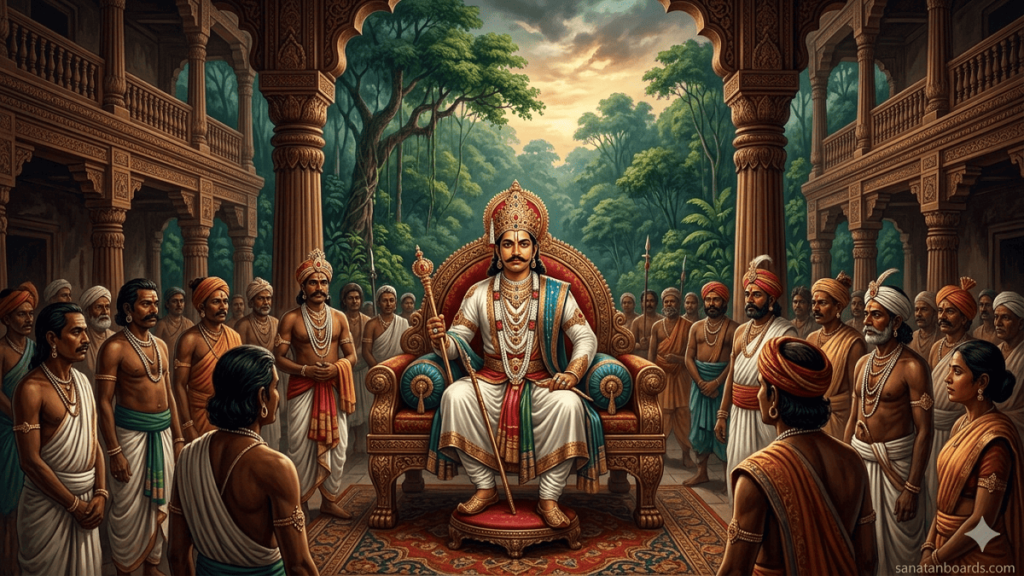
The Bastar Kingdom was a princely state in central India, situated in the dense forests and hilly terrain of what is today Chhattisgarh. Founded around 1324 by a branch of the Kakatiya dynasty, this kingdom preserved its autonomous identity throughout the medieval and colonial periods. Its rulers, adopting the surname “Bhanj Deo,” maintained Bastar’s traditions and tribal heritage while navigating political challenges during the British Raj.
King Pravir Chandra Bhanj Deo stands out in Bastar’s history as its 20th and last ruling maharaja. Born on 25 June 1929 in Jagdalpur, he ascended the throne as a young boy in 1936 and later became a voice for his people. Bastar was predominantly tribal, with communities such as the Gonds, Marias, and Murias preserving ancient cultures and ways of life. The king developed deep ties with these communities and championed their rights.
After Indian independence in 1947, Bastar acceded to the Indian Union in 1948. Despite his royal status being largely ceremonial after accession, Pravir Chandra remained influential. He entered politics and won a seat in the Madhya Pradesh Legislative Assembly in 1957, representing Jagdalpur. His leadership was rooted in advocating for social justice, fairness in land reforms, and protection of tribal interests.
Pravir Chandra’s legacy is complex and profound. His popularity among the people — especially tribal communities — made him a symbol of resistance against exploitation and marginalization. Even after Bastar ceased to be a princely state, his life and leadership continued to shape the region’s cultural memory and political activism.
Who Is Required Bastar Kingdom – King Pravir Chandra Bhanj Deo ?
Pravir Chandra Bhanj Deo was the 20th king of the Bastar Kingdom, born into royalty in June 1929. He inherited the throne in 1936 and became ruler of a region steeped in ancient tribal traditions and forest culture. Bastar had long been home to indigenous tribes, including the Gonds, Murias, and Maria communities, each with their own customs and social structures. As ruler, Pravir Chandra developed a deep bond with the tribal population and dedicated himself to advocating for their rights.
After India achieved independence, Bastar acceded to the Indian Union in 1948, and the traditional roles of the royals transformed significantly. Yet, Pravir Chandra did not remain a distant ceremonial figure. He entered mainstream politics, contested elections, and was elected to the Madhya Pradesh Legislative Assembly in 1957, representing Jagdalpur.
His experience as both a monarch and a public representative gave him unique insight into the needs of his people. Bastar’s tribal communities were often marginalized in the political and economic sphere. Land reforms after independence threatened traditional ownership structures, and there was growing exploitation of natural resources in the region. Tribal communities required a leader who could stand against these challenges. Pravir Chandra emerged as exactly that — a leader who worked to protect tribal rights, land, and culture.
In this sense, Pravir Chandra was required by the people of Bastar — not merely as a king by title, but as a protector and advocate. His death in 1966 under controversial circumstances — when police opened fire during a tribal protest — marked a tragic turning point and deepened his legacy. For many in the region, he symbolized dignity, resistance, and unwavering commitment to his people.
When Bastar Kingdom – King Pravir Chandra Bhanj Deo Is Required ?
The Bastar Kingdom itself was founded in the early 14th century, around 1324–1325 AD, when the Kakatiya dynasty spread its influence into the forested region of present‑day Chhattisgarh. For centuries, the kingdom preserved its autonomy, remaining a princely state under local rulers long after much of India came under other empires or kingdoms.
When did Bastar join India?
With the end of British colonial rule in 1947, nearly 565 princely states—including Bastar—were given the choice to join either India or Pakistan. Bastar acceded to the Indian Union on 1 January 1948, marking a major turning point in its history as it transitioned from princely rule to modern democratic governance.
When was King Pravir Chandra Bhanj Deo influential?
Pravir Chandra Bhanj Deo was born on 25 June 1929 and ascended to the throne on 28 October 1936 at a young age. However, his real period of influence came after India’s independence, especially in the 1950s and 1960s. As the last ruling monarch of Bastar, he served not only as a symbolic king but also as an elected representative when he won the Jagdalpur constituency seat in the Madhya Pradesh Legislative Assembly in 1957.
During this time, post‑independence India was grappling with land reforms, forest rights, and tribal welfare. Many tribal communities felt marginalized as laws changed and outside interests sought access to tribal lands and resources. It was then—in the late 1950s and early 1960s—that King Pravir’s leadership became particularly important. He championed tribal rights and opposed exploitative policies that threatened the culture and livelihood of Bastar’s indigenous people.
When did his life end?
The most notable date associated with him beyond his political career was 25 March 1966, when he was shot dead during a confrontation with police at Jagdalpur Palace. His death sparked widespread outrage among tribal communities and influenced political currents in Bastar in the decades that followed.
In summary, BASTAR KINGDOM – KING PRAVIR CHANDRA BHANJ DEO was most required historically:
- During the transition from princely state to Indian Union (1948)
- In the post‑independence period of tribal rights activism (1950s–1960s)
- At the time of his death in 1966, when tribal leadership and resistance movements were reshaped
Where Bastar Kingdom – King Pravir Chandra Bhanj Deo Is Required ?
Bastar Kingdom was located in the southern and forested part of central India, in what is now the state of Chhattisgarh. Its capital was Jagdalpur, a historic town on the banks of the Indravati River that remains a cultural hub to this day.
This region is characterized by dense forests, rolling hills, and a landscape rich in biodiversity. Bastar lies in the area traditionally known as Dandakaranya in ancient Indian texts, which extends across parts of central and eastern India. Historically, it was also part of the larger Trikalinga region, connected to powerful dynasties such as the Kakatiyas and later influenced by adjacent kingdoms and empires.
The Tribal Heartland
Bastar was—and still is—home to hundreds of tribal communities, including the Gonds, Marias, Murias, Halbas, and many other groups. The tribal culture flourished here, with its own languages, traditions, dance forms, and tribal governance systems. The forests, rivers, and hills shaped their way of life, making Bastar a region of deep cultural identity and ecological diversity.
King Pravir Chandra Bhanj Deo’s importance is tied directly to where he lived and led. He was born in Jagdalpur on 25 June 1929 and lived most of his life within the Bastar region. His palace, political activity, and final confrontation with authorities all took place in and around Jagdalpur.
Jagdalpur Palace served as the cultural heart of the Bastar Kingdom. It was not just a royal residence but a place where tribal matters were discussed, grievances were addressed, and decisions about welfare were made. His leadership was deeply rooted in this place and its people.
Modern‑day Bastar continues to celebrate its heritage through festivals, museums, cultural centers, and academic study. The Danteshwari Temple—an ancient temple dedicated to local goddess Danteshwari—remains one of the most significant spiritual sites in the region and reinforces the continued cultural relevance of Bastar’s history.
In academic, historical, and sociological settings today, where BASTAR KINGDOM – KING PRAVIR CHANDRA BHANJ DEO is studied continues to matter—primarily in institutions within Chhattisgarh and Indian universities that focus on tribal history, princely states, land rights, and post‑colonial transitions.
How Bastar Kingdom – King Pravir Chandra Bhanj Deo Is Required ?
Bastar, as a princely state, followed a traditional monarchical system. The king held political, social, and cultural authority over the kingdom, which included forested territories and tribal populations. The administration balanced royal authority with the local customs of indigenous communities. This unique governance style made Bastar a model of blending traditional tribal governance with formal monarchical leadership. (en.wikipedia.org)
How Pravir Chandra Bhanj Deo led:
Pravir Chandra’s leadership was distinctive because he combined traditional royal duties with active advocacy for tribal rights. He attended to social justice issues, resisted exploitation of forest resources, and supported tribal land ownership. His role was not just ceremonial; he personally engaged with his subjects, resolving disputes, supporting festivals, and protecting cultural practices. (en.wikipedia.org)
How he influenced post-independence India:
After Bastar joined the Indian Union in 1948, Pravir Chandra shifted from royal governance to political activism within a democratic system. By winning a seat in the Madhya Pradesh Legislative Assembly in 1957, he influenced legislative decisions affecting forest policies, tribal welfare, and local governance. In this way, he became a bridge between traditional monarchy and modern democratic structures. (en.wikipedia.org)
How his legacy is preserved:
His death in 1966 during a police confrontation marked a turning point. Today, the Bastar Kingdom and Pravir Chandra are studied as a case of leadership rooted in cultural preservation, political activism, and advocacy for marginalized communities. Educational institutions, historians, and social scientists examine how he navigated political change while staying loyal to tribal communities.
Case Study On Bastar Kingdom – King Pravir Chandra Bhanj Deo
Introduction
The Bastar Kingdom was among the most unique princely states of India, located in what is now south‑central Chhattisgarh. It flourished as a tribal‑centred polity for centuries under rulers tracing descent from the Kakatiya dynasty, and later the Bhanj dynasty. At its historical heart was King Pravir Chandra Bhanj Deo, the 20th and final maharaja, whose life and tragic death in 1966 shaped both local and regional history.
Historical Background
The Bastar Kingdom was established in 1324 AD by Raja Annam Dev, a brother of the last Kakatiya king of Warangal. Its capital eventually shifted to Jagdalpur on the banks of the Indravati River. The region was characterized by forest‑based tribal cultures, most notably the Gonds, Murias, and other adivasi communities. Unlike many princely states that were structured around rigid feudal hierarchy, Bastar’s governance operated with significant tribal influence alongside royal authority.
Under British colonial rule, Bastar remained a princely state under indirect control. It retained autonomy over internal affairs while aligning with the Central Provinces and Berar. With Indian independence in 1947, the political integration of princely states brought Bastar into the Union of India on 1 January 1948.
Pravir Chandra Bhanj Deo: A Monarch and Advocate
Pravir Chandra Bhanj Deo was born on 25 June 1929 in Jagdalpur and ascended the throne on 28 October 1936 under regency when he was still a child. He was educated at Rajkumar College in Raipur, which gave him a blend of traditional royal grooming and modern schooling.
Although Bastar acceded to India after independence, the king did not fade into ceremonial life. Instead, Pravir Chandra became a political leader and social advocate for his people — especially the tribal population. In 1957, he contested and won the Jagdalpur Assembly seat in the undivided Madhya Pradesh Legislative Assembly. His political engagement was rooted in protecting tribal land rights, forest resources, and local autonomy against external exploitation and corrupt land reform practices.
Leadership in an Era of Change
In the aftermath of independence, Indian policy focused on land reform, industrial development, and integration of diverse regions. Bastar — rich in natural resources such as bauxite, iron ore, and forest products — became a focal point of competing interests: tribal communities seeking to protect their ancestral land, government efforts at modernization, and business and mining lobbies pressing for access. Pravir Chandra emerged as a leader opposing unchecked land appropriation and exploitation that threatened traditional livelihoods.
The Bastar Confrontation and Death of the King
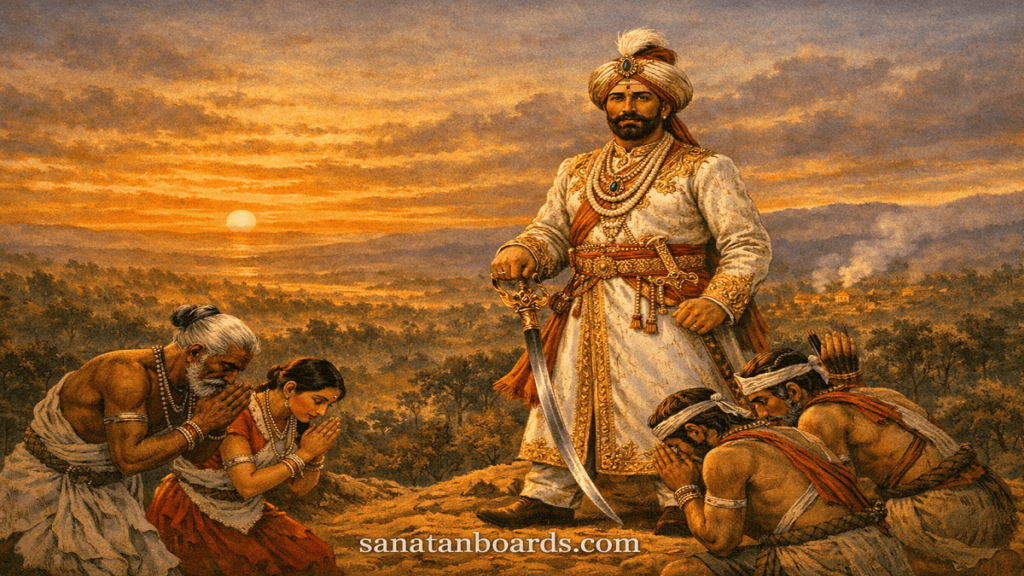
On 25 March 1966, a tense confrontation occurred at the Jagdalpur Palace. Pravir Chandra was leading a rally of tribal supporters who were protesting against land encroachments and government policies perceived as anti‑adivasi. In the resulting clash, police opened fire on the gathered crowd, killing the king along with several tribal followers. Official reports stated that police acted in “self‑defence,” but the incident sparked deep local outrage and became a defining moment in Bastar’s modern history.
The death of Pravir Chandra Bhanj Deo was not just the end of a monarch; it marked a turning point for tribal politics and resistance movements in the region. Many historians and commentators link the incident with the later rise of left‑wing extremism and Naxalite influence in parts of central India, including Bastar. Disillusionment with formal political processes — especially among youth and marginalized groups — made insurgent narratives more appealing, fueling decades of conflict in the region.
Legacy and Educational Importance
The legacy of BASTAR KINGDOM – KING PRAVIR CHANDRA BHANJ DEO is multifaceted. On one level, it represents the end of one of India’s longest‑lasting princely traditions, rooted in tribal identity and local governance. On another level, King Pravir’s leadership embodies the struggle for tribal rights, equitable development, and ethical governance.
For historians, political scientists, and students of indigenous studies, this case challenges simple narratives of modernization. Instead, it highlights how colonial legacies, post‑colonial governance, and grassroots resistance intersected in a resource‑rich tribal landscape. This makes the Bastar Kingdom a compelling subject for academic research, curriculum development, and comparative studies of post‑colonial state formation.
Conclusion
The Bastar Kingdom under Pravir Chandra Bhanj Deo illustrates the complexities of #basterkingdominmumbai integrating traditional societies into modern nation‑states. His life — royal yet politically engaged, rooted in tradition yet forward‑looking — offers important lessons #basterkingdomindelhi in leadership, conflict, and the ongoing need for culturally informed governance.
White Paper On Bastar Kingdom – King Pravir Chandra Bhanj Deo
Executive Summary
The Bastar Kingdom of central India offers a historical model of adaptive indigenous governance with unique tribal integration. This white paper examines the political, social, and cultural dynamics associated with the reign of King Pravir Chandra Bhanj Deo (1936–1966), particularly focusing on tribal rights, resource governance, and state‑society relations. It also assesses historical policy implications and contemporary relevance.
Introduction and Historical Context
The Bastar Kingdom — established in 1324 AD — remained a princely state through the British colonial period, integrating traditional tribal customs with monarchic leadership. Its capital at Jagdalpur became a focal point for princely administration and an enduring cultural centre. In the context of India’s post‑independence political evolution, Bastar’s transition reflected broader themes of indigenous assimilation, resource contention, and civil governance.
Objective
This white paper seeks to:
- Analyze the role of King Pravir Chandra Bhanj Deo in advancing tribal interests.
- Review governance models in Bastar under his reign.
- Examine the socio‑economic triggers for the 1966 confrontation.
- Outline lessons for current policy on tribal governance and resource management.
Methodology
The analysis synthesizes historical records, legislative archives, eyewitness accounts, and secondary literature on Bastar’s princely history and Pravir Chandra’s political involvement. Observations are contextualized within post‑colonial state formation frameworks and indigenous rights paradigms.
Section I: Governance Structure of Bastar Kingdom
Bastar’s governance historically combined royal authority with tribal customary systems. Unlike feudal systems centred solely on elite power, Bastar’s monarchs often engaged directly with tribal assemblies and relied on local council input for resource and land decisions. The kingdom’s administration managed land rights, forest utilization, and cultural practices under a hybrid governance model that balanced central authority with community agency.
Section II: Pravir Chandra’s Dual Role — Monarch and Politician
After Indian independence and accession to the Union in 1948, Pravir Chandra transitioned from monarchic figurehead to an active politician, winning a legislative seat in 1957. His primary focus was to protect tribal rights in the face of accelerating land reform efforts and external resource interests. This dual role illustrates an early form of participatory leadership among former princely rulers in the democratic system.
Section III: Conflict Dynamics Leading to 1966
The mid‑20th century was a period of intense socio‑economic change in India. Policy emphasis on industrialization and land redistribution often clashed with tribal land tenure systems. In Bastar, heightened competition for forest products, mining potential, and agricultural land led to grievances among tribal groups. Pravir Chandra’s vocal opposition to resource exploitation and dilution of tribal protections heightened tensions. The fatal confrontation in March 1966, where police fired on civilian supporters at Jagdalpur Palace, epitomized escalating conflict between tribal aspirations and state power.
Section IV: Policy Implications and Lessons
- Indigenous Governance Recognition: Bastar’s hybrid governance model demonstrates the value of incorporating tribal customary law into modern legal frameworks.
- Resource Management: Sustainable resource policies must balance economic development with tribal land rights and ecological preservation.
- Conflict Prevention: Inclusive political participation and grievance redress systems can mitigate escalation into violence.
- Historical Narratives: Acknowledging historical injustices can support community healing and reconciliation.
Conclusion and Recommendations
The legacy of BASTAR KINGDOM – KING PRAVIR CHANDRA BHANJ DEO provides valuable lessons in inclusive governance, ethical leadership, and #basterkingdominsouthindia balancing tradition with modern state imperatives. Policymakers should consider historical insights to inform contemporary tribal welfare schemes, resource allocation policies, #basterkingdomininindia and participatory governance structures. The Bastar case remains relevant for debates on indigenous autonomy, environmental justice, and democratic inclusion.
Industry Application On Bastar Kingdom – King Pravir Chandra Bhanj Deo
1. Natural Resource Management and Mining
Bastar is rich in minerals such as iron ore (notably in Bailadila) and other resources that attract mining industries. Historical tensions arose when resource extraction threatened tribal land rights. Contemporary mining companies can apply Bastar’s lessons by:
- Engaging tribal communities in decision‑making to ensure consent and equitable benefit sharing.
- Implementing transparent land acquisition policies that respect customary land usage.
- Investing in community development programs aligned with local cultural values.
Such approaches reduce conflict and foster long‑term socio‑economic partnerships rather than short‑term gains at community expense.
2. Sustainable Forestry and Ecosystem Services
The Bastar region’s forests are integral to tribal livelihoods. Industries dependent on timber, forest products, or eco‑tourism can adopt sustainable harvesting practices, joint forest management committees, and reforestation projects that honor tribal ecological knowledge. This ensures resource sustainability while maintaining cultural traditions.
3. Cultural and Heritage Tourism
Bastar’s cultural festivals (such as Dussehra), temples, and tribal art forms present opportunities for ethical tourism that uplifts local artisans and preserves heritage. Tourism initiatives can:
- Partner with tribal communities for cultural performances and craft markets.
- Establish heritage centres that educate visitors about Bastar Kingdom’s history and royalty.
- Reinvest tourism revenue into community infrastructure.
These practices promote economic growth without cultural commodification.
4. Education and Skill Development Industries
Educational institutions and NGOs can develop curricula that integrate Bastar’s historical governance models with contemporary civic education. Leadership programs inspired by figures like Pravir Chandra can encourage youth participation in governance and advocacy.
5. Social Enterprise and Community Health
Healthcare, water resource management, and sustainable agriculture projects can benefit from community collaboration that reflects historical respect for tribal autonomy. Partnerships between industries and local councils help tailor services to cultural needs.
Conclusion
BASTAR KINGDOM’s history and the life of #sanatandharmaaccreditationboardsinmumbai King Pravir Chandra Bhanj Deo reveal that industry practices must respect cultural heritage, tribal rights, and environmental sustainability. Applying these #sanatandharmaaccreditationboardsinindia principles leads to more resilient, equitable, and ethical industrial engagement in tribal regions.
source : Khabargaon
ASK FAQ
Who was King Pravir Chandra Bhanj Deo of Bastar Kingdom?
King Pravir Chandra Bhanj Deo (1929–1966) was the 20th and last ruler of Bastar Kingdom, known for advocating tribal rights and social welfare in central India.
What is the historical significance of Bastar Kingdom?
Bastar Kingdom, founded in the 14th century, was a tribal-centric princely state in present-day Chhattisgarh, preserving indigenous culture and governance for centuries.
When did Bastar Kingdom join the Indian Union?
Bastar Kingdom acceded to the Indian Union on 1 January 1948, integrating its princely administration into post-independence India.
Where was Bastar Kingdom located?
Bastar Kingdom was located in southern Chhattisgarh, with Jagdalpur as its capital, surrounded by dense forests and tribal settlements.
How did King Pravir Chandra Bhanj Deo protect tribal rights?
He actively opposed exploitative land policies, supported forest and cultural rights, and represented Bastar in the Madhya Pradesh Legislative Assembly after independence.
Table of Contents
Disclaimer
The content provided about BASTAR KINGDOM – KING PRAVIR CHANDRA BHANJ DEO is intended solely for educational and informational purposes. It summarizes historical events, leadership, and cultural aspects based on publicly available sources. While efforts have been made to ensure accuracy, historical interpretations can vary, and details may be subject to scholarly debate. This content should not be considered professional historical advice or legal guidance. Readers are encouraged to consult primary sources, academic publications, or local historical records for research or verification purposes. The authors assume no liability for the use of this information.