
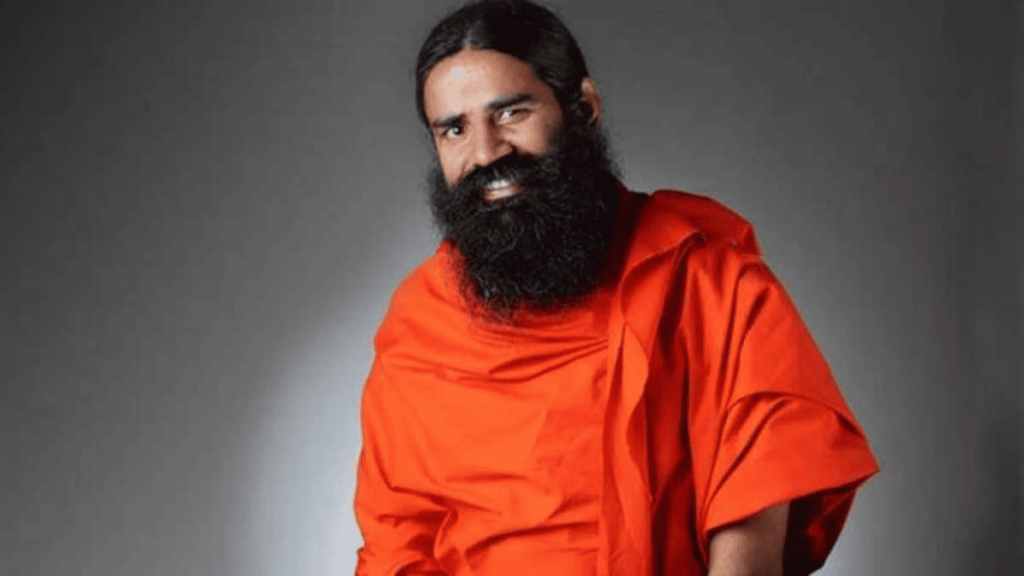
Sanatan Dharma Yoga Guru
The Eternal Path of Union
Introduction: The Timeless Wisdom of Sanatan Dharma
Sanatan Dharma, often translated as “the eternal way” or “the eternal religion,” represents one of the world’s oldest living spiritual traditions. Unlike religions with historical founders, Sanatan Dharma is understood as a perpetual, universal truth that has existed since time immemorial. Within this vast spiritual ecosystem, yoga occupies a central position—not merely as a system of physical postures, but as a comprehensive science of consciousness and a pathway to ultimate liberation (moksha).
The term “yoga” derives from the Sanskrit root “yuj,” meaning to yoke or unite. In the context of Sanatan Dharma, yoga represents the systematic process of uniting individual consciousness (jivatma) with universal consciousness (paramatma).
Historical Foundations: Yoga in the Vedic and Upanishadic Traditions
The origins of yoga within Sanatan Dharma are deeply intertwined with India’s earliest spiritual texts. While popular narratives often credit Patanjali with “founding” yoga, the tradition predates his systematization by millennia.
Vedic Period (circa 1500-500 BCE): The Rigveda, the oldest known spiritual text, contains references to spiritual practices that would evolve into yoga. The Vedic seers (rishis) practiced tapas (austerities), dhyana (meditation), and pranayama (breath control) to attain higher states of consciousness. The concept of rita (cosmic order) and the practice of aligning individual life with this order formed an early foundation for what would become yogic philosophy.
Upanishadic Period (circa 800-300 BCE): The Upanishads, sometimes called Vedanta (the end of the Vedas), explicitly articulate yogic principles. The Katha Upanishad famously compares the spiritual path to a chariot: the body is the chariot, the intellect the charioteer, the mind the reins, the senses the horses, and the soul (atman) the passenger. This metaphor encapsulates the yogic understanding of self-mastery. The Shvetashvatara Upanishad contains one of the earliest uses of the word “yoga” in a technical spiritual sense, describing the control of senses and mind as essential for self-realization.
Epic Period: The Mahabharata, particularly the Bhagavad Gita (circa 500-200 BCE), represents a watershed moment in yogic philosophy. Lord Krishna articulates multiple yoga paths: Karma Yoga (the yoga of selfless action), Jnana Yoga (the yoga of knowledge), and Bhakti Yoga (the yoga of devotion). The Gita presents yoga not as world-renunciation but as spiritualization of worldly engagement.
The Yogic Synthesis: Patanjali’s Ashtanga Yoga
While yoga existed for centuries before him, the sage Patanjali (circa 2nd century BCE to 4th century CE) systematized existing knowledge into what we now recognize as classical yoga. His Yoga Sutras, consisting of 196 aphorisms, provide a concise yet comprehensive guide to the philosophy and practice of yoga.
The Eight Limbs (Ashtanga) of Yoga:
- Yama (Ethical Restraints): Five moral principles governing social conduct: ahimsa (non-violence), satya (truthfulness), asteya (non-stealing), brahmacharya (moderation/continence), and aparigraha (non-possessiveness).
- Niyama (Observances): Five personal disciplines: saucha (purity), santosha (contentment), tapas (austerity/discipline), svadhyaya (self-study), and Ishvara pranidhana (surrender to the divine).
- Asana (Posture): Patanjali devotes exactly one sutra to asana, defining it as a steady and comfortable posture. The physical postures commonly associated with yoga today represent just one aspect of this limb, originally intended primarily to prepare the body for prolonged meditation.
- Pranayama (Breath Control): Regulation of vital energy (prana) through conscious breathing patterns.
- Pratyahara (Sense Withdrawal): Turning attention inward by disengaging from external sensory stimuli.
- Dharana (Concentration): Focused attention on a single object, thought, or point.
- Dhyana (Meditation): Uninterrupted flow of consciousness toward the object of concentration.
- Samadhi (Absorption/Enlightenment): Complete integration with the object of meditation, leading to transcendence of subject-object duality.
Patanjali’s system emphasizes that yoga is a progressive journey from external ethical conduct to internal states of consciousness, ultimately leading to kaivalya (liberation).
Philosophical Underpinnings: Samkhya and Vedanta
Yoga philosophy (Yoga Darshana) is traditionally paired with Samkhya metaphysics. While Samkhya provides the theoretical framework of reality, yoga offers the practical methodology for realization.
Samkhya Philosophy: This dualistic system distinguishes between purusha (pure consciousness) and prakriti (material nature). According to Samkhya, the universe emerges from the interaction of these two eternal principles. Prakriti consists of three gunas (qualities): sattva (purity/balance), rajas (activity/passion), and tamas (inertia/darkness). Liberation comes through discerning (viveka) the distinction between purusha and prakriti.
Yoga Adapts Samkhya: Patanjali’s yoga accepts Samkhya’s metaphysics but introduces Ishvara (a special purusha, or divine consciousness) as an object of meditation for those who benefit from a theistic approach. This adaptation demonstrates yoga’s pragmatic nature—it offers multiple pathways suited to different temperaments.
Vedantic Influence: While classical yoga has dualistic tendencies, it also incorporates non-dual (advaita) elements, particularly in later developments. The synthesis of yoga with Vedanta, especially through figures like Adi Shankara (8th century CE), enriched yogic practice with the understanding that the individual soul (atman) and universal consciousness (Brahman) are ultimately identical.
The Multidimensional Paths of Yoga
Sanatan Dharma recognizes that spiritual seekers have different temperaments and inclinations. Accordingly, it offers multiple yogic paths (margas), each emphasizing a different approach to divine union.
Hatha Yoga: Often called “the yoga of force,” Hatha Yoga emerged between the 9th and 15th centuries CE. It emphasizes physical techniques (asanas, pranayama, mudras, bandhas) to purify the body and awaken kundalini energy. Texts like the Hatha Yoga Pradipika detail practices for balancing solar (ha) and lunar (tha) energies within the subtle body. Contrary to modern perceptions, traditional Hatha Yoga was never merely physical exercise but a preparatory system for higher meditation.
Raja Yoga: Known as “the royal yoga,” this path emphasizes meditation and mind control as the direct route to samadhi. Patanjali’s Ashtanga Yoga falls under this category. Raja Yoga systematically addresses the modifications of the mind (chitta vrittis) through disciplined practice.
Jnana Yoga: The path of wisdom and discernment, Jnana Yoga uses intellectual inquiry and self-analysis to realize one’s true nature. Through practices like neti-neti (“not this, not this”) and meditation on mahavakyas (great pronouncements such as “Tat Tvam Asi”—”Thou art That”), the practitioner discriminates between the eternal Self and temporary identifications.
Bhakti Yoga: The path of devotion emphasizes loving surrender to the divine. Through practices like kirtan (devotional singing), puja (ritual worship), and remembrance of the divine name, the practitioner cultivates prema (divine love). The Bhagavata Purana and the poetry of saints like Mirabai exemplify this tradition.
Karma Yoga: Popularized in the Bhagavad Gita, Karma Yoga transforms ordinary action into spiritual practice through selfless service (seva) and performing duties without attachment to results. Mahatma Gandhi’s life exemplified this path in modern times.
Tantra Yoga: Often misunderstood in the West, authentic Tantra represents a sophisticated system that views the entire universe as a manifestation of divine consciousness. Tantric practices work with the subtle body, including chakras (energy centers) and nadis (energy channels), to achieve liberation. Unlike ascetic traditions that seek transcendence of the world, Tantra embraces the world as a means to liberation.
Kundalini Yoga: This specialized form focuses on awakening the dormant spiritual energy (kundalini) believed to reside at the base of the spine. Through specific techniques, this energy is guided upward through the central channel (sushumna) to unite with consciousness at the crown chakra.
The Subtle Anatomy: Beyond the Physical Body
A distinctive feature of Sanatan Dharma yoga is its detailed mapping of subtle dimensions of human existence beyond the physical body.
The Five Koshas (Sheaths): According to the Taittiriya Upanishad, the human being consists of five layers of experience:
- Annamaya Kosha: The physical sheath
- Pranamaya Kosha: The energy sheath
- Manomaya Kosha: The mental sheath
- Vijnanamaya Kosha: The wisdom sheath
- Anandamaya Kosha: The bliss sheath
Yoga practice systematically addresses each sheath, moving from gross to subtle.
The Nadis and Chakras: The subtle body contains 72,000 nadis (energy channels), with three primary ones: Ida (lunar, left), Pingala (solar, right), and Sushumna (central). Along the sushumna are located chakras (energy wheels)—traditionally seven major centers from the base of the spine to the crown of the head. Each chakra correlates with specific psychological, emotional, and spiritual qualities.
The Three Bodies: Sanatan Dharma describes human existence as having three bodies: Sthula Sharira (gross/physical body), Sukshma Sharira (subtle/astral body containing prana, mind, and intellect), and Karana Sharira (causal body containing karmic impressions).
The Guru-Shishya Parampara: Transmission of Wisdom
Traditional yoga has always been transmitted through the guru-shishya (teacher-disciple) relationship. This lineage-based transmission (parampara) ensures the living transmission of wisdom beyond mere intellectual knowledge.
The Role of the Guru: In Sanatan Dharma, the guru is not merely an instructor but a spiritual guide who has traversed the path and can guide others. The guru helps remove ignorance (avidya) through direct transmission (shaktipat) and personalized guidance. Texts like the Guru Gita extol the importance of the guru on the spiritual path.
Initiation (Diksha): Formal entry into a yogic path traditionally occurs through initiation, where the guru imparts a mantra and establishes a spiritual connection with the disciple. This sacred bond creates a conduit for grace and guidance.
Lineages (Sampradayas): Various yogic lineages have preserved and transmitted specific teachings through the centuries. Notable ones include the Dashanami Sampradaya (associated with Adi Shankara), the Nath Sampradaya (Hatha Yoga), and the Sri Vaishnava Sampradaya (Bhakti Yoga).
Integration with Daily Life: Yoga Beyond the Mat
A common misconception reduces yoga to mat-based practices. Authentic Sanatan Dharma yoga encompasses a complete way of life.
Yamas and Niyamas as Foundation: The ethical principles of yoga provide a framework for harmonious living. For instance, practicing ahimsa extends beyond physical non-violence to compassionate thoughts and speech. Satya involves not just truth-telling but alignment with higher truth.
Sanatana Dharma’s Social Framework: Traditional yoga was practiced within the context of varnashrama dharma—the four stages of life (student, householder, retiree, renunciant) and four social orientations. This structure supported spiritual growth through different life phases.
Rituals as Yogic Practice: Daily rituals (sandhya vandana, puja) in Sanatan Dharma serve as yogic practices that cultivate mindfulness, gratitude, and connection with the divine. Mantra repetition (japa) is itself a form of meditation that purifies consciousness.
Dietary Considerations: The yogic diet (sattvic ahara) emphasizes pure, light, nourishing foods that support meditation and clarity. Many traditional yogis practice vegetarianism in alignment with ahimsa.
Misconceptions and Modern Appropriations
The globalization of yoga has led to both positive dissemination and problematic distortions of traditional teachings.
Physical Reductionism: The predominant Western presentation of yoga as primarily physical exercise represents a significant narrowing of its scope. While asana practice offers benefits, traditional yoga views physical postures as just one component of an eight-limbed system aimed at spiritual liberation.
Cultural Commodification: The commercialization of yoga—from designer yoga pants to expensive retreats—often divorces practice from its philosophical and ethical foundations. Traditional yoga emphasizes simplicity (aparigraha) and contentment (santosha), values sometimes contradicted by modern yoga culture.
Selective Adoption: Western yoga frequently adopts physical practices while discarding philosophical and ethical components. This creates an incomplete practice that may yield physical benefits but misses yoga’s transformative potential.
Authentic Integration: Some contemporary teachers successfully integrate traditional wisdom with modern context. Figures like Sri Aurobindo developed Integral Yoga for contemporary seekers, while others like Swami Vivekananda and Paramahansa Yogananda effectively bridged Eastern and Western understandings.
Scientific Validations and Contemporary Research
Modern science has begun to validate what yogic sages discovered empirically centuries ago.
Neuroscience: Studies on yoga and meditation show measurable changes in brain structure and function, including increased gray matter in regions associated with self-awareness, compassion, and emotional regulation. The default mode network (associated with self-referential thinking) shows decreased activity in experienced meditators.
Psychophysiology: Research confirms yoga’s benefits for stress reduction, evidenced by decreased cortisol levels, improved heart rate variability, and enhanced parasympathetic nervous system activity. Yoga has shown efficacy in treating anxiety, depression, and PTSD.
Medicine: Numerous studies document yoga’s therapeutic benefits for conditions ranging from hypertension and diabetes to chronic pain and autoimmune disorders. The mechanisms include reduced inflammation, improved immune function, and enhanced neuroplasticity.
Physics and Consciousness: Quantum physics’ understanding of reality as interconnected and consciousness-dependent resonates with yogic cosmology. The observer effect in quantum mechanics parallels yogic insights about consciousness shaping reality.
Contemporary Challenges and Adaptations
Traditional yoga faces challenges in the modern world while also offering solutions to contemporary problems.
Secularization: The secularization of yoga in educational and healthcare settings raises questions about preserving its spiritual essence while making it accessible to diverse populations.
Cultural Context: As yoga spreads globally, practitioners grapple with honoring its roots while adapting to different cultural contexts. The question of cultural appropriation versus appreciation remains contested.
Modern Applications: Yoga principles are being applied beyond personal practice to address social issues. Karma Yoga inspires service initiatives, while yogic ethics inform environmental and social justice movements.
Technological Integration: While technology can support practice through apps and online communities, it also risks creating distraction—the opposite of yoga’s aim to cultivate focused attention.
The Future of Sanatan Dharma Yoga
The future of yoga lies in balancing preservation of tradition with creative adaptation.
Integrative Approaches: Contemporary teachers are developing integrative approaches that honor traditional wisdom while addressing modern psychological understanding and lifestyle challenges.
Yoga Scholarship: Increased academic study of yoga’s history and philosophy helps distinguish authentic teachings from modern inventions, supporting more informed practice.
Socially Engaged Yoga: A growing movement applies yogic principles to social transformation, addressing issues like inequality, conflict, and environmental degradation.
Interfaith Dialogue: Yoga’s nonsectarian aspects facilitate interfaith understanding, offering contemplative practices accessible to people of various religious backgrounds while maintaining integrity to its Hindu roots.
Conclusion: The Perennial Relevance of Yogic Wisdom
Sanatan Dharma yoga represents humanity’s most comprehensive and time-tested system for conscious evolution. Its enduring power lies in its recognition of multiple paths to truth, its integration of ethics with contemplation, and its profound understanding of human consciousness.
As the world faces unprecedented challenges—environmental crisis, social fragmentation, and psychological distress—the holistic wisdom of Sanatan Dharma yoga offers crucial resources. Its emphasis on interconnectedness (advaita), ethical living (yamas and niyamas), and self-realization provides an antidote to the materialism and fragmentation of modern life.
The true yoga guru—whether an individual teacher or the accumulated wisdom of the tradition—guides seekers not merely to physical flexibility but to the ultimate freedom that comes from recognizing our essential nature. In the words of the Isha Upanishad: “The face of truth is covered with a golden disk. Uncover it, O Lord of Light, so that I who love the truth may see it.”
Through dedicated practice (abhyasa) and non-attachment (vairagya), the yogi gradually removes the coverings of ignorance to realize the truth of their own being—sat-chit-ananda (existence-consciousness-bliss). This realization, according to Sanatan Dharma, is not an exotic achievement but the recognition of what has always been true. In this awakening, the practitioner discovers that yoga was never something to be attained but only something to be remembered—our eternal union with the divine that has existed since before time began.
Top 100 name of Sanatan Dharma Yoga Guru
Here is a list of 100 notable Yoga Gurus from the Sanatan Dharma tradition, including ancient sages, historical figures, and modern yoga masters:
Courtesy: Business Standard
Ancient and Classical Yoga Gurus
- Lord Shiva (Adiyogi – The First Yogi)
- Maharishi Patanjali (Author of Yoga Sutras)
- Sage Vyasa (Commentator of Yoga Sutras)
- Sage Kapila (Founder of Samkhya Philosophy)
- Sage Bharadwaja
- Sage Vasishtha (Guru of Lord Rama)
- Sage Agastya
- Sage Dattatreya (Avadhuta Gita)
- Sage Markandeya
- Sage Matsyendranath (Founder of Nath Tradition)
Medieval Yoga Gurus
- Guru Gorakhnath (Nath Yoga Master)
- Swami Samarth Ramdas (Guru of Chhatrapati Shivaji Maharaj)
- Sant Jnaneshwar (Author of Jnaneshwari and Yogic Commentator)
- Sant Eknath
- Swami Raghavendra
- Swami Sivananda Saraswati (16th Century)
- Swami Ramananda (Guru of Kabir)
- Sant Kabir Das (Bhakti and Yoga Saint)
- Guru Nanak Dev Ji (Founder of Sikhism, influenced by Yoga)
- Sant Tulsidas (Author of Ramcharitmanas)
Modern Yoga Gurus (19th to 20th Century)
- Swami Vivekananda
- Sri Ramakrishna Paramhansa
- Sri Aurobindo Ghosh
- Swami Sivananda Saraswati (Founder of Divine Life Society)
- Paramahansa Yogananda (Author of Autobiography of a Yogi)
- Swami Kuvalayananda (Scientific Yoga Researcher)
- Swami Rama (Founder of Himalayan Institute)
- Maharishi Mahesh Yogi (Founder of Transcendental Meditation)
- Swami Chinmayananda (Chinmaya Mission)
- Swami Satyananda Saraswati (Bihar School of Yoga)
- Swami Krishnananda (Divine Life Society)
- Swami Vishnudevananda (Sivananda Yoga Vedanta Centers)
- Sri Yukteswar Giri (Guru of Paramahansa Yogananda)
- Swami Venkatesananda
- Swami Dayananda Saraswati (Founder of Arya Samaj)
- Swami Yogeshwarananda Saraswati
- Swami Karpatri Ji Maharaj
- Swami Muktananda (Siddha Yoga)
- Swami Nithyananda (Avadhoota)
- Swami Satchidananda (Integral Yoga)
Courtesy: AuroMaa
Contemporary Yoga Gurus (20th & 21st Century)
- B.K.S. Iyengar (Founder of Iyengar Yoga)
- K. Pattabhi Jois (Ashtanga Yoga)
- T.K.V. Desikachar (Viniyoga)
- Swami Rama Dev (Popularized Yoga in India)
- Sri Sri Ravi Shankar (Founder of Art of Living)
- Sadhguru Jaggi Vasudev (Founder of Isha Yoga)
- Swami Bharati Krishna Tirtha (Vedic Mathematics and Yoga)
- Acharya Balkrishna (Patanjali Ayurveda & Yoga)
- Baba Hari Dass (Silent Monk and Yoga Teacher)
- Dr. Nagendra (SVYASA Yoga University)
Notable Indian Yoga Teachers & Promoters Worldwide
- Indra Devi (First Western Woman Yoga Teacher)
- Swami Bua Ji Maharaj
- Swami Maheshwarananda (Yoga in Daily Life)
- Gopi Krishna (Kundalini Yoga)
- Yogi Bhajan (Founder of Kundalini Yoga in the West)
- Sri Dharma Mittra (Hatha-Raja Yoga)
- Swami Kriyananda (Ananda Yoga)
- Swami Tejomayananda (Chinmaya Mission)
- Dr. H.R. Nagendra (Yoga Therapy)
- Dr. Bimal Chhajer (Yoga for Heart Health)
- Sadhu Vaswani (Yoga & Spirituality)
- Dhirendra Brahmachari (Yoga Guru to Indira Gandhi)
- Acharya Prashant (Vedantic Yoga)
- Anandmurti Gurumaa (Spiritual & Yogic Teachings)
- Yogi Amrit Desai (Kripalu Yoga)
- Yogrishi Vishvketu (Akhand Yoga)
- Sri Sri Pranav Pandya (Gayatri Parivar)
- Pandit Rajmani Tigunait (Himalayan Yoga Tradition)
- Rishi Nityapragya (Art of Living)
- Anand Mehrotra (Sattva Yoga)
International Yoga Gurus of Indian Origin
- Mukunda Stiles (Structural Yoga Therapy)
- Bikram Choudhury (Bikram Yoga)
- Gurmukh Kaur Khalsa (Kundalini Yoga)
- Radhanath Swami (Bhakti Yoga)
- Swami Sarvapriyananda (Vedanta Society)
- Swami Chidananda Saraswati (Parmarth Niketan)
- Kamlesh Patel (Heartfulness Yoga)
- Dr. Omanand Guruji (Vedic Yoga)
- Yogiraj Gurunath Siddhanath (Hamsa Yoga)
- Swami Medhananda Saraswati
Influential Women in Yoga
- Indra Devi (First Lady of Yoga)
- Shakti Mhi (Shakti Yoga)
- Yogacharini Meenakshi Devi Bhavanani (Puducherry)
- Sadhvi Bhagawati Saraswati (Parmarth Niketan)
- Mata Amritanandamayi (Spiritual & Yoga Leader)
- Anandmurti Gurumaa (Meditation & Yoga)
- Dr. Hansaji Yogendra (The Yoga Institute)
- Seane Corn (Yoga Activism)
- Gurmukh Kaur Khalsa (Women’s Yoga)
- Yogmata Keiko Aikawa (Himalayan Yoga Master)
Emerging & Modern Yoga Gurus
- Dr. Deepak Mittal (Yoga & Meditation)
- Ankit Tiwari (Yoga Awareness)
- Akshar (Akshar Power Yoga)
- Surya Namaskar Swami (Yoga for All)
- Om Swami (Spiritual & Yogic Wisdom)
- Sri Prem Baba (Brazil-India Yoga Guru)
- Dr. Madan Kataria (Laughter Yoga)
- Rishi Chaitanya (Vedantic Yoga)
- Niranjanananda Saraswati (Bihar School of Yoga)
- Anandmurti Gurumaa (Yoga & Meditation)
This list covers a broad range of Yoga Gurus from ancient to contemporary times, contributing to Sanatan Dharma and the global yoga movement.

Table of Contents