
Prayagraj, formerly known as Allahabad, is a major city in Uttar Pradesh, India, situated at the confluence of the Ganga, Yamuna, and the mythical Saraswati rivers, called the Triveni Sangam. This unique geographical location makes Prayagraj a significant hub in the Ganga river network. The Ganga network in this region is vital for religious, ecological, and socio-economic purposes.
The river network supports agriculture, as the fertile alluvial soil along the Ganga and Yamuna banks enables extensive crop cultivation. It also sustains local biodiversity, including aquatic flora and fauna. The Ganga in Prayagraj is deeply intertwined with culture and religion, attracting millions of pilgrims annually, especially during the Kumbh Mela, the world’s largest religious gathering.
Recent initiatives under the Namami Gange Programme focus on improving water quality, reducing pollution, and maintaining ecological balance along the Ganga network. Efforts include wastewater treatment, riverfront development, and awareness programs for sustainable river use.
The Prayagraj Ganga network illustrates the delicate balance between human activity and natural resources. Protecting this river system is crucial not only for preserving religious and cultural traditions but also for ensuring environmental sustainability and supporting the livelihoods of millions who depend on it.
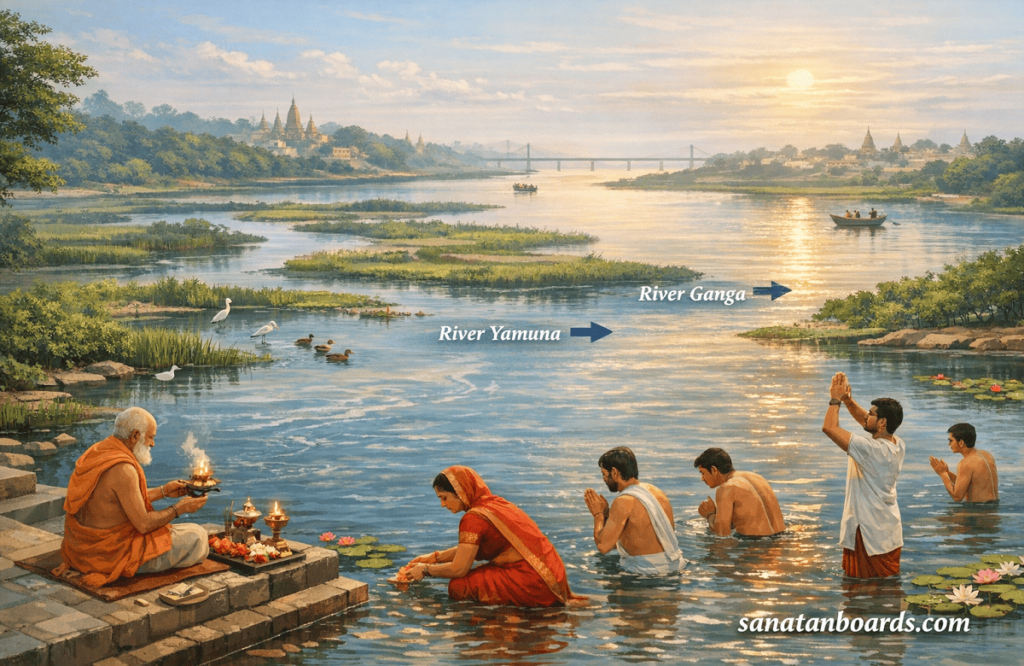
What Is Prayagraj Ganga Network ?
The Prayagraj Ganga Network is more than just a confluence of rivers; it is a dynamic ecological and hydrological system. The Ganga and Yamuna rivers in Prayagraj are part of a complex network of tributaries, wetlands, and seasonal streams. These tributaries regulate water flow, prevent flooding during the monsoon, and support groundwater replenishment. The city’s rivers also play a key role in sediment transport, which sustains fertile plains downstream.
The network supports diverse ecosystems. Aquatic species like the Ganges river dolphin, turtles, and numerous fish species thrive here, while migratory birds use the riverbanks as stopovers. Wetlands along the network, such as those near Sangam and surrounding ghats, act as natural filters, improving water quality and providing habitats for local flora and fauna.
From a hydrological perspective, the Prayagraj Ganga network regulates seasonal flow patterns. Monsoon rains swell the rivers, which historically deposited nutrient-rich silt across the plains, supporting agriculture. Modern river management projects, including embankments, barrages, and riverfront development, aim to balance flood control with sustainable water use.
Socially, the Ganga network shapes local livelihoods. Fisherfolk, boatmen, and farmers rely on the river for sustenance, while tourism linked to the Sangam brings significant economic activity. Cultural practices like ritual bathing, fairs, and festivals are inseparable from the river network, highlighting the interplay between ecology and tradition.
Government and NGO interventions, under programs like Namami Gange and clean Ganga initiatives, focus on pollution reduction, riverbank restoration, and public awareness campaigns. These efforts aim to ensure that the Prayagraj Ganga network remains both ecologically vibrant and culturally sacred for future generations.
Who Is Required For The Prayagraj Ganga Network ?
The Prayagraj Ganga Network is a complex system that includes rivers, tributaries, wetlands, and riverfronts. Maintaining and preserving this network requires the coordinated effort of multiple stakeholders, ranging from government authorities to local communities, environmentalists, and citizens.
At the government level, several agencies are directly responsible. The National Mission for Clean Ganga (NMCG) under the Namami Gange Programme plays a central role in monitoring water quality, reducing pollution, and implementing riverfront and sewage management projects. State-level authorities, like the Uttar Pradesh Jal Nigam and local municipal corporations, handle wastewater treatment, embankment maintenance, and flood management. Engineers, planners, and environmental experts within these agencies are required to design sustainable interventions that balance ecological and socio-economic needs.
Environmentalists and scientists are also crucial. They study river health, biodiversity, and sediment patterns, providing data and recommendations for conservation. Experts in ecology, hydrology, and waste management are required to advise on pollution control, aquatic life protection, and wetland restoration, ensuring the river network remains ecologically balanced.
Local communities and residents form another essential group. Fisherfolk, farmers, boatmen, and small-scale vendors depend on the river for their livelihoods. Their cooperation is required for sustainable practices, such as reducing plastic use, preventing untreated waste disposal, and participating in river clean-up drives. Cultural custodians, like priests and organizers of festivals such as Kumbh Mela, are required to implement eco-friendly rituals that respect the river while maintaining tradition.
Non-governmental organizations (NGOs) and volunteers are increasingly required to support awareness campaigns, river clean-ups, and educational programs. Schools, colleges, and citizen groups contribute by promoting environmental consciousness and responsible river use.
When Is The Prayagraj Ganga Network Required ?
The Prayagraj Ganga Network, comprising the Ganga, Yamuna, and the mythical Saraswati rivers at the Triveni Sangam, is a lifeline for the city and its surrounding regions. Its importance is realized in multiple contexts and at different times, making it indispensable for ecological, cultural, and socio-economic reasons.
During Religious and Cultural Events: The Ganga network is most visibly required during festivals and religious gatherings. The Kumbh Mela, held every twelve years in Prayagraj, draws millions of pilgrims from across India and the world. During this period, the rivers are essential for ritual bathing, which is believed to purify the soul and wash away sins. Other festivals, such as Magh Mela, daily aarti ceremonies, and seasonal fairs, also rely on the river network. The availability of clean water and safe riverbanks during these times is crucial for both religious and logistical purposes.
During Agricultural Seasons: The Prayagraj Ganga Network is required throughout the year for irrigation and agriculture. The rivers provide fertile alluvial soil and a reliable water supply for crops such as wheat, rice, sugarcane, and vegetables. During the monsoon, the river’s natural flow replenishes groundwater levels, ensuring that the agricultural ecosystem remains sustainable. Farmers depend on timely river water for sowing and harvesting, making the network essential for regional food security and livelihoods.
During Ecological and Environmental Cycles: The river network is required to maintain ecological balance. Wetlands, tributaries, and floodplains along the Ganga and Yamuna serve as habitats for aquatic species, migratory birds, and endangered animals like the Ganges river dolphin. Seasonal variations in river flow, such as during monsoon floods, deposit nutrient-rich silt, maintaining soil fertility and biodiversity. Preservation of these ecological cycles depends on the continuous functioning of the Ganga network.
During Urban and Development Needs: In modern times, the river network is required for water supply, sanitation, and urban development. Municipalities rely on the Ganga for drinking water, sewage management, and riverfront planning. Projects under the Namami Gange Programme aim to maintain water quality, prevent pollution, and ensure that the rivers meet the growing demands of the urban population.
During Environmental Crises: The Prayagraj Ganga Network becomes crucial during periods of drought, heatwaves, or climate-related stress. Its waters provide relief to local populations, recharge aquifers, and support resilience against environmental shocks.
Where The Prayagraj Ganga Network Is Required ?
1. Religious and Pilgrimage Sites
The network is most visibly required at Triveni Sangam, the confluence where millions of pilgrims gather for ritual bathing, prayers, and festivals such as the Kumbh Mela and Magh Mela. The riverbanks and ghats around Prayagraj, including Akbar’s Fort ghats and Allahabad Fort ghats, are locations where the water of the Ganga network is central to religious activities. Clean and safe river waters are essential here to facilitate rituals and support large gatherings.
2. Agricultural Areas
The Ganga and Yamuna rivers flow through extensive agricultural lands around Prayagraj. The river network is required in irrigation canals, farmlands, and floodplains to provide water for crops such as wheat, rice, sugarcane, and vegetables. Fertile alluvial soil along these riverbanks depends on the silt and water carried by the network, making it vital for local farming communities.
3. Urban Centers
The Prayagraj Ganga Network is required within urban settlements and city infrastructure for drinking water, sanitation, and urban planning. Municipalities use river water to supply households, maintain parks and gardens, and support riverfront development projects under programs like the Namami Gange Programme. Riverfront areas, such as Prayagraj Sangam riverfront, are designed to balance urban use with ecological preservation.
4. Ecological and Biodiversity Zones
The river network is required in wetlands, tributaries, and floodplains near Prayagraj, which act as natural habitats for fish, aquatic plants, and endangered species like the Ganges river dolphin. Migratory birds also depend on these areas. The network supports the ecological balance of the region and sustains biodiversity.
5. Disaster and Flood Management Zones
During monsoons or droughts, the Ganga network is required in floodplains, embankments, and drainage systems to regulate water flow, prevent flooding, and provide relief to affected communities. Strategic locations along the rivers ensure safety and water availability for human use and agriculture.
How The Prayagraj Ganga Network Is Required ?
Religious and Cultural Practices
The network is required for spiritual activities and rituals. Millions of pilgrims visit Prayagraj annually to perform ritual bathing in the river waters during festivals such as the Kumbh Mela and Magh Mela. Clean and accessible river water is essential for these practices, as it facilitates prayers, holy dips, and other religious ceremonies. River ghats and bathing areas are maintained in conjunction with the river flow to ensure safety and ease of access, showing how the network supports cultural life.
Agriculture and Irrigation
The Prayagraj Ganga Network is required to sustain agriculture in the surrounding plains. Farmers depend on river water for irrigation, especially during dry seasons. The natural deposition of nutrient-rich silt along riverbanks replenishes soil fertility, ensuring crops like wheat, rice, and sugarcane thrive. Irrigation canals and small dams connected to the network regulate water distribution, demonstrating how the river is required to maintain regional food security and agricultural livelihoods.
Ecological Balance
The network is required to preserve ecosystems and biodiversity. Wetlands, tributaries, and floodplains supported by the Ganga and Yamuna provide habitats for fish, turtles, migratory birds, and endangered species like the Ganges river dolphin. Seasonal variations in water flow maintain ecological cycles, while wetlands act as natural water filters. The river network is required to maintain these processes, ensuring long-term environmental health.
Urban and Socioeconomic Uses
Urban areas in Prayagraj rely on the network for drinking water, sanitation, and riverfront development. Water treatment plants and riverfront infrastructure projects, such as those under the Namami Gange Programme, demonstrate how the network is required to meet human needs while balancing environmental sustainability. Local communities, including fishermen, boatmen, and vendors, rely on the river for income, showing its socio-economic significance.
Disaster Management and Sustainability
During floods or droughts, the Prayagraj Ganga Network is required to regulate water flow, prevent flooding, and support relief measures. Its maintenance ensures both ecological resilience and human safety.
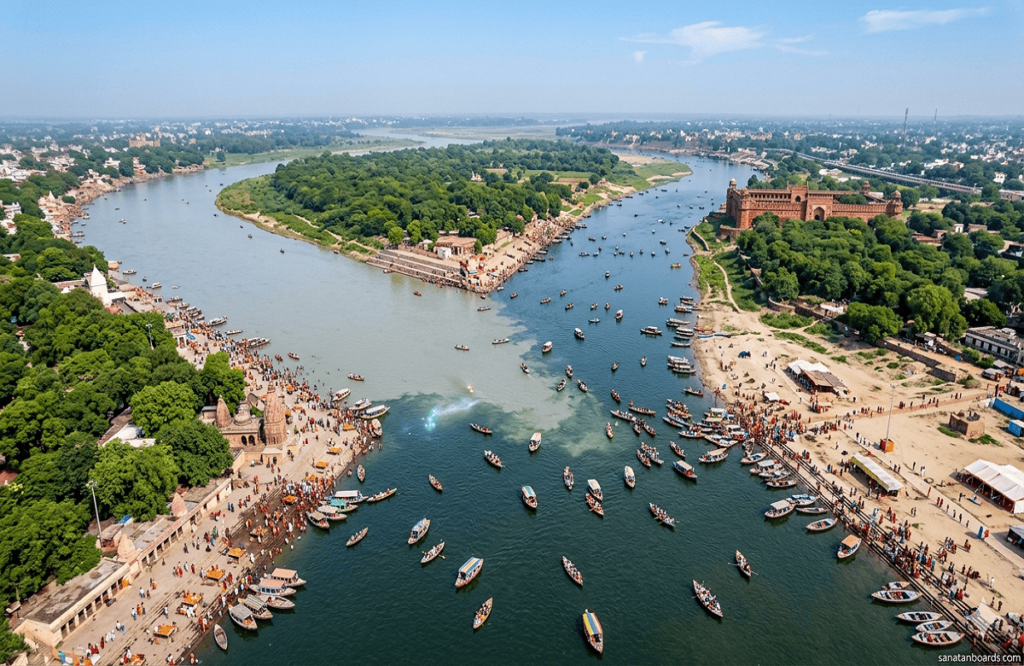
Case Study On Prayagraj Ganga Network
Introduction
The Prayagraj Ganga Network is the river system comprising the Ganga, Yamuna, and the mythical Saraswati rivers at the Triveni Sangam in Prayagraj, Uttar Pradesh. This network is not only a natural resource but also a cultural, religious, and economic lifeline for millions. Understanding its management, challenges, and significance provides valuable lessons in ecology, urban planning, and cultural preservation.
Objective
The case study aims to analyze how the Prayagraj Ganga Network functions, why it is critical who manages it, and the challenges it faces. It also examines the strategies adopted to maintain ecological balance and support human livelihoods.
Key Stakeholders
- Government Agencies: The National Mission for Clean Ganga (NMCG) and Uttar Pradesh Jal Nigam oversee water quality, riverfront development, and pollution control.
- Local Communities: Farmers, fishermen, boatmen, and vendors depend on the river for agriculture, fishing, transportation, and livelihoods.
- Environmental Experts & NGOs: Scientists, ecologists, and NGOs monitor biodiversity, conduct river clean-ups, and raise awareness about sustainable practices.
- Religious Organizations: Temples, priests, and Kumbh Mela organizers ensure the river supports religious practices responsibly.
Significance of the Network
- Cultural: Millions of pilgrims visit for the Kumbh Mela and other festivals.
- Agricultural: Provides irrigation and fertile alluvial soil.
- Ecological: Sustains wetlands, aquatic species, and migratory birds.
- Urban Development: Supports drinking water supply, sanitation, and riverfront projects.
Challenges
- Pollution: Industrial effluents, untreated sewage, and plastic waste threaten water quality.
- Urbanization: Expansion of the city puts pressure on riverbanks and wetlands.
- Climate Change: Erratic rainfall and flooding affect river flow and sediment distribution.
- Overcrowding: Massive pilgrim gatherings during festivals strain resources.
Management Strategies
- Namami Gange Programme: Focuses on cleaning, riverfront development, and sustainable water use.
- Wastewater Treatment Plants: Reduce pollution from municipal and industrial sources.
- Community Participation: Volunteer clean-up drives, awareness campaigns, and eco-friendly festival practices.
- Biodiversity Conservation: Protection of wetlands and endangered species like the Ganges river dolphin.
Conclusion
The Prayagraj Ganga Network demonstrates the delicate balance between human activity, ecological preservation, and cultural significance. Its sustainable management requires the cooperation of government bodies, local communities, environmentalists, and religious organizations. This case study highlights that protecting river networks is essential not only for preserving traditions but also for ensuring ecological and economic stability
White Paper On Prayagraj Ganga Network
Executive Summary
The Prayagraj Ganga Network, consisting of the Ganga, Yamuna, and the mythical Saraswati rivers at the Triveni Sangam, is a critical ecological, cultural, #prayagrajganganetworkindelhi and economic resource in Uttar Pradesh, India. This white paper analyzes the network’s significance, current challenges, management strategies, and recommendations for sustainable development. #prayagrajganganetworkinuttarpradesh It emphasizes the need for integrated governance involving government agencies, local communities, environmentalists, and cultural custodians.
1. Introduction
Prayagraj’s river network is central to India’s environmental and cultural heritage. The confluence of the rivers supports:
- Religious and cultural activities, including the world-famous Kumbh Mela.
- Agriculture and livelihoods, with fertile alluvial plains sustaining crops and fisheries.
- Biodiversity, including wetlands, aquatic species, and endangered fauna.
- Urban infrastructure, providing drinking water, sanitation, and riverfront development.
The increasing population, industrialization, and environmental pressures demand a sustainable approach to preserving this network.
2. Importance of the Prayagraj Ganga Network
Ecological Importance:
- Maintains wetlands, floodplains, and habitats for species like the Ganges river dolphin.
- Regulates water flow, soil fertility, and sediment transport.
Cultural Importance:
- Supports millions of pilgrims during festivals like Kumbh Mela and Magh Mela.
- Preserves rituals tied to river waters, ghats, and bathing practices.
Economic Importance:
- Provides irrigation for crops such as wheat, rice, and sugarcane.
- Supports fishing, tourism, and riverfront businesses.
3. Challenges
- Water Pollution: Industrial discharge, untreated sewage, and plastics degrade water quality.
- Urban Encroachment: Rapid city expansion threatens riverbanks, wetlands, and floodplains.
- Climate Change: Erratic rainfall and flooding disrupt flow and sedimentation.
- Overcrowding: Large-scale religious gatherings create environmental stress.
4. Management Strategies
- Namami Gange Programme: Focused on pollution control, riverfront development, and sustainable water use.
- Wastewater Treatment Plants: Reduce industrial and domestic contamination.
- Community Participation: Volunteer-driven river clean-ups and awareness campaigns.
- Biodiversity Conservation: Wetland restoration and protection of endangered species.
5. Recommendations
- Strengthen integrated river basin management combining urban planning, agriculture, and ecology.
- Implement eco-friendly festival guidelines for pilgrimage events.
- Promote public-private partnerships for sustainable riverfront development.
- Expand education and awareness programs targeting local communities and visitors.
- Continuous monitoring and research to adapt policies for climate resilience and ecological balance.
6. Conclusion
The Prayagraj Ganga Network is a multifaceted resource with cultural, ecological, and economic significance. Its sustainable #prayagrajganganetworkinmumbai management requires cooperation across government agencies, local communities, environmental organizations, and religious institutions. Protecting and revitalizing the network ensures that it continues to #prayagrajganganetworkinvasai support livelihoods, preserve biodiversity, and maintain the spiritual heritage of India for generations to come.
Industry Applications Of The Prayagraj Ganga Network
1. Agriculture and Agro-Based Industries
One of the most important industrial applications is in agriculture. The fertile alluvial soil and constant water supply from the river network support large-scale farming. Crops like wheat, rice, sugarcane, and vegetables are cultivated extensively.
This directly supports agro-based industries such as:
- Food processing units
- Sugar mills
- Rice and flour mills
The river network ensures irrigation, soil fertility, and crop productivity, making it essential for the agricultural economy.
2. Fisheries and Aquaculture Industry
The Ganga and Yamuna rivers support fisheries, providing employment and food resources. Fish farming and river fishing are important industries in Prayagraj.
- Provides livelihood to local fishermen
- Supports fish markets and export potential
- Encourages aquaculture development
3. Tourism and Hospitality Industry
The river network plays a major role in the tourism industry, especially due to the Triveni Sangam and religious events like Kumbh Mela.
Industrial applications include:
- Hotels and guest houses
- Transport services (boats, taxis)
- Event management and temporary infrastructure
This sector generates significant revenue and employment.
4. Water Supply and Municipal Services
Industries rely on the river network for water supply in:
- Drinking water treatment plants
- Sanitation and sewage systems
- Urban infrastructure development
Clean and managed river water is essential for maintaining public health and supporting city-based industries.
5. Small-Scale and Cottage Industries
Many small-scale industries depend on the river, such as:
- Handicrafts and local goods
- Laundry services (dhobi ghats)
- Clay and pottery industries using river soil
These industries provide employment to local communities and contribute to the regional economy.
6. Transportation and Logistics (Emerging Use)
The Ganga is being developed as a national waterway, opening opportunities for:
- Inland water transport
- Cargo movement
- Trade and logistics
This reduces transportation costs and supports sustainable industrial growth.
Conclusion
The Prayagraj Ganga Network is not only a cultural and ecological #sanatandharmaaccreditationboardsinmumbai asset but also a strong foundation for multiple industries. From agriculture and fisheries to tourism and transportation, it supports #sanatandharmaaccreditationboardsinvasai economic growth and livelihoods. Sustainable management of this network is essential to ensure long-term industrial development while protecting the environment.
source : RS Live
ASK FAQ
What is the Prayagraj Ganga Network?
The Prayagraj Ganga Network is the river system at the Triveni Sangam, where the Ganga, Yamuna, and the mythical Saraswati rivers converge, supporting ecology, culture, and livelihoods.
Why is the Prayagraj Ganga Network important?
It is important for religious rituals, agriculture, biodiversity, urban water supply, and economic activities like tourism and fisheries.
Who is responsible for maintaining the Prayagraj Ganga Network?
Government agencies like NMCG and Uttar Pradesh Jal Nigam, local communities, NGOs, environmentalists, and religious organizations share responsibility.
How is the Prayagraj Ganga Network used in industries?
It supports agriculture, fisheries, tourism, water supply, small-scale industries, and transport, providing raw materials, irrigation, and water-based logistics.
What are the main challenges facing the Prayagraj Ganga Network?
Pollution, urban encroachment, climate change, overpopulation during festivals, and biodiversity loss are key challenges.
Table of Contents
Disclaimer:
The information provided in this blog is for educational and informational purposes only. All content is based on publicly available data and research. The author does not assume any responsibility for errors, omissions, or actions taken based on this information.