
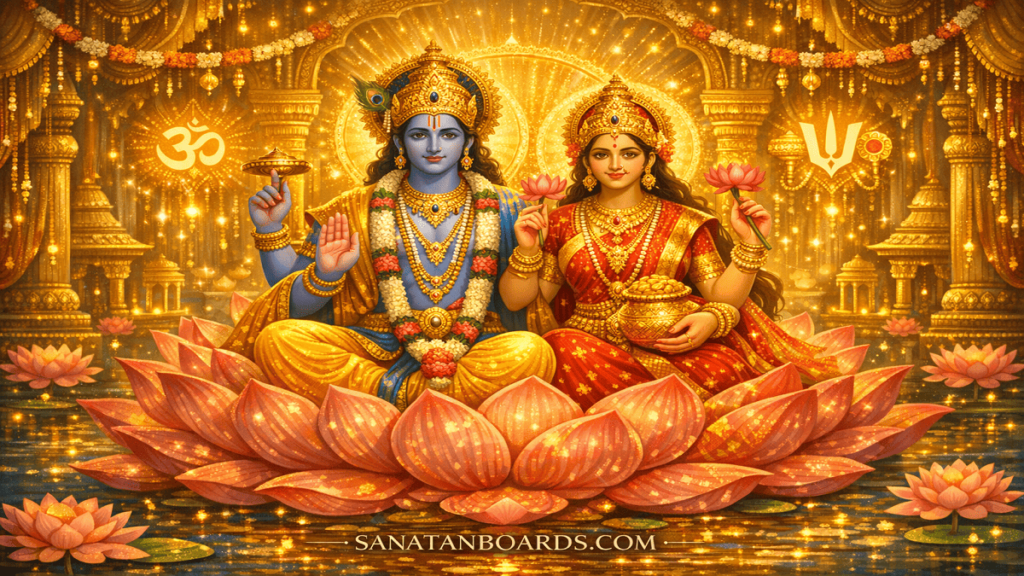
In Hindu tradition, Lakshmi Narayan refers to the divine couple — Goddess Lakshmi and Lord Narayan (Vishnu) — representing a sacred union of prosperity, protection, harmony, and spiritual well‑being. Lakshmi is the goddess of wealth, fortune, and abundance, while Narayan (a form of Lord Vishnu) is the preserver and protector of the universe. Together, they symbolize the ideal balance of material success and spiritual fulfillment. Worshipping them is believed to bring peace, good fortune, and holistic well‑being into the lives of devotees.
Although there isn’t an official organization called “Lakshmi Narayan Network,” the term can be interpreted metaphorically as the network of beliefs, traditions, rituals, and cultural practices associated with their worship. Across India and in many Hindu communities worldwide, temples, festivals, and pujas dedicated to Lakshmi and Narayan create a spiritual network that connects people through devotion and shared cultural heritage.
In spiritual practice, ceremonies such as the Lakshmi Narayan Puja or Maha Yagya are performed to invoke their combined blessings for prosperity, peace, and success in life. Devotees often chant mantras, participate in rituals, and celebrate festivals to honor this divine partnership, making Lakshmi Narayan’s influence a living part of cultural devotion today
What is Lakshmi Narayan Network?
The term “Lakshmi Narayan Network” is not the name of an officially recognized organization or technology system that you’ll find in textbooks or corporate registries. Instead, it can be best understood as a symbolic spiritual network rooted in one of the most revered divine couples of Hindu tradition — Lord Narayana (Vishnu) and Goddess Lakshmi. Their combined presence represents the perfect union of protection, preservation, prosperity, and well‑being, forming the foundation of numerous cultural beliefs, rituals, temples, and practices across India and the world.
In Hindu theology, Lakshmi Narayana refers to the dual form of Vishnu, the protector of the universe, and Lakshmi, the goddess of wealth and prosperity. When worshipped together, they symbolize not just material abundance but spiritual balance — a complete harmony of worldly success and moral, ethical living. devotees see them as a source of blessings for peace, prosperity, long life, and fulfillment of aspirations.
Though not a formal institution, the idea of a “network” in this context can be interpreted as the web of cultural practices, temples, communities, and devotional traditions that connect millions of believers through shared worship and spiritual values. Across India, hundreds of Lakshmi Narayan temples serve as places of devotion and community gatherings where people come together to perform pujas (rituals), celebrate festivals, and seek blessings. These temples often become centers of faith, fostering collective spirituality and cultural continuity.
Additionally, the concept of worshipping Lakshmi Narayana involves rituals like joint puja ceremonies, mantra chanting, and celebrations on auspicious days such as Diwali and other holy occasions. These practices strengthen the cultural “network” by tying followers through shared beliefs and spiritual experiences. Many devotees believe that performing Lakshmi Narayan Puja invokes divine grace that leads to prosperity, peace, and protection from difficulties.
In modern cultural expressions, the idea of Lakshmi Narayan is also featured in media and storytelling, such as television series and mythological programs that depict their divine stories in ways accessible to today’s audience. These forms of storytelling further expand how the teachings and ideals associated with Lakshmi Narayana reach people, reinforcing the symbolic network of teachings, beliefs, and cultural heritage.
Who is Required for the Lakshmi Narayan Network?
The Lakshmi Narayan Network is essentially a symbolic network of worship, traditions, and cultural practices centered around Lord Narayan (Vishnu) and Goddess Lakshmi. Therefore, the network exists and thrives through the participation of devotees, priests, and community members:
- Devotees / Worshippers:
Anyone who believes in or wants the blessings of Lakshmi Narayan can be part of this network. Devotees perform pujas, chant mantras, and participate in festivals, connecting themselves spiritually with this divine network. - Priests / Pujaris:
Trained priests guide rituals, conduct ceremonies like the Lakshmi Narayan Puja, and ensure the proper performance of religious practices. They are essential to maintaining the sanctity and structure of worship within the network. - Temple and Community Leaders:
Temples serve as hubs for this network. Leaders organize festivals, community gatherings, and charitable activities that strengthen the collective spiritual and social bond. - Families and Cultural Participants:
Families and individuals who honor the traditions in their homes — by placing idols, celebrating festivals, or teaching children about these practices — help expand and sustain the network over generations. - Media and Cultural Promoters (Modern Extension):
Today, mythological shows, literature, and social media content that narrate stories of Lakshmi Narayan help reach a wider audience, bringing more people into this symbolic network.
When is the Lakshmi Narayan Network Required?
The Lakshmi Narayan Network represents the spiritual and cultural web of devotion, rituals, and community practices centered around Lord Narayan (Vishnu) and Goddess Lakshmi. While it is not a formal organization, the network is required or most relevant during times when individuals and communities seek blessings, prosperity, and spiritual balance.
Primarily, this network becomes essential during important life events and spiritual occasions. Devotees often turn to Lakshmi Narayan’s guidance when they are starting new ventures, making significant investments, or seeking stability in personal and professional life. By performing rituals, offering prayers, or participating in pujas, followers invite divine blessings for wealth, success, and protection from obstacles.(aajtak.in)
The network is also required during festivals and special occasions. Celebrations like Diwali, Akshaya Tritiya, and other auspicious days are when the spiritual network is most active. Communities gather at temples or homes to worship, share rituals, and reinforce cultural traditions, creating a living connection that binds devotees together.(ndtv.in)
Furthermore, the network is relevant during challenging times in life. When people face financial difficulties, health issues, or emotional stress, turning to the Lakshmi Narayan Network provides spiritual reassurance and moral support. By participating in collective prayers, chanting mantras, or performing symbolic rituals, devotees find guidance and hope, reinforcing the network’s role as a source of stability and inspiration.
In modern life, the network is also “required” in a cultural and educational sense. Through temples, storytelling, media, and literature, the teachings of Lakshmi Narayan help preserve values such as ethics, balance, gratitude, and community service. This makes the network relevant not only for religious reasons but also for nurturing cultural awareness and spiritual literacy among younger generations.
Where is the Lakshmi Narayan Network Required?
The Lakshmi Narayan Network, though symbolic rather than a formal organization, represents the interconnected web of devotional practices, rituals, temples, and cultural traditions centered on Lord Narayan (Vishnu) and Goddess Lakshmi. Understanding where this network is required helps identify the spaces and contexts where spiritual engagement, worship, and community activities are most meaningful.
Primarily, this network is required in homes. Devotees often create personal altars or small prayer spaces dedicated to Lakshmi Narayan, where daily rituals and prayers are performed. Placing idols or images of the divine couple in a clean, sacred space fosters prosperity, harmony, and spiritual balance within the household. Families rely on this network to cultivate moral values, gratitude, and the teaching of spiritual traditions to younger generations.(aajtak.in)
The network is also required in temples and religious centers, which act as hubs for collective worship and cultural activities. Temples dedicated to Lakshmi Narayan become focal points during festivals like Diwali, Akshaya Tritiya, or special puja ceremonies, drawing devotees together to perform rituals, share knowledge, and strengthen community bonds. In these sacred spaces, priests guide worshippers in proper rituals, ensuring the sanctity and continuity of spiritual practices.(jagran.com)
Beyond homes and temples, the Lakshmi Narayan Network is required in community events and cultural gatherings. Religious festivals, spiritual workshops, and charitable activities inspired by Lakshmi Narayan teachings create a network that connects people socially, culturally, and spiritually. Even modern platforms, such as television, social media, and online learning channels, play a role by spreading stories, rituals, and knowledge about Lakshmi Narayan, making the network accessible wherever devotees are.
Additionally, the network is relevant in personal and professional spaces when guidance, blessings, and auspicious beginnings are sought. Many devotees perform rituals before starting a business, purchasing a new home, or marking life milestones, creating a symbolic extension of the network into everyday life.
How is the Lakshmi Narayan Network Required?
The Lakshmi Narayan Network is a symbolic web of spiritual practices, cultural traditions, and devotional activities centered around Lord Narayan (Vishnu) and Goddess Lakshmi. Understanding how it is required means exploring the methods and ways through which devotees, communities, and society engage with this network to seek blessings, prosperity, and spiritual guidance.
Primarily, the network is required through rituals and pujas. Devotees perform daily or periodic worship at home or in temples, offering flowers, incense, food, and other items to Lakshmi Narayan. Mantras, prayers, and chants form a key part of this engagement, creating a spiritual connection that aligns the individual with the energy of prosperity, protection, and harmony.(aajtak.in)
The network is also required through community participation. Temples and cultural centers organize festivals, religious ceremonies, and educational programs where devotees collectively engage in worship. This communal practice strengthens social bonds, reinforces cultural heritage, and ensures the continuity of spiritual knowledge. It also allows individuals to share their devotion and learn from experienced priests and elders about proper rituals and the significance of each practice.(jagran.com)
Modern methods of engaging with the network include media and digital platforms, such as online pujas, mythological TV shows, storytelling, and social media groups that share prayers, rituals, and teachings about Lakshmi Narayan. These methods make the network accessible to devotees even when they cannot physically visit temples, helping maintain spiritual practice and cultural connection in a fast-paced world.
The network is also required during key life events and transitions. People often perform Lakshmi Narayan pujas before starting a new business, moving into a new home, celebrating a marriage, or seeking guidance during challenges. By invoking the divine couple through rituals, devotees align themselves with blessings of wealth, protection, and balance.

Case Study: The Lakshmi Narayan Network
Background
In the small town of Ramkunda (fictional setting), families faced frequent financial struggles disputes over agriculture income, and declining community cohesion. Many villagers felt discouraged as crop yields fluctuated and traditional values began fading among younger generations. In response, the local temple committee decided to strengthen the community’s cultural and spiritual foundations by encouraging participation in the Lakshmi Narayan Network of Worship and Traditions.
Objective
The goal was simple:
To use the principles of the Lakshmi Narayan Network — devotion, collective rituals, shared cultural values, and spiritual practices — to improve social harmony, economic stability, and mutual support within the community.
Implementation
The initiative involved four main steps:
1. Community Puja and Rituals
Once a week, villagers gathered at the Lakshmi Narayan Temple, where priests guided them in traditional pujas, chanting of mantras, and recitation of sacred stories about Lakshmi (goddess of prosperity) and Narayan (protector and preserver). These rituals were structured, welcoming to all ages, and designed to reinforce shared values of thankfulness and hope.
2. Educational and Cultural Workshops
Local youth and women’s groups organized storytelling sessions, bhajan evenings, and cultural discussions focused on Lakshmi Narayan teachings — especially about harmony between wealth and spiritual well‑being. These gatherings helped revive interest in cultural traditions and assured the younger generation that prosperity and ethical living can go hand in hand.
3. Community Support Programs
Inspired by the ideals of giving and balance, the temple committee set up support programs such as food donations, collective saving schemes for small farmers, and a rotating micro‑loan fund to help villagers invest in seeds, livestock, or other livelihood needs.
4. Digital Outreach
To include those who worked outside the village or were unable to attend physically, the committee began sharing online puja invitations, mantra audios, and cultural stories through mobile groups. This helped widen the network beyond physical boundaries.
Results After One Year
The impact of strengthening the Lakshmi Narayan Network in Ramkunda was noticeable:
- Economic Stability Improved: The community savings and micro‑loan fund helped farmers manage crop cycles better and reduce debt burden.
- Stronger Social Bonds: Weekly gatherings and cultural sessions rebuilt trust among families and neighbors.
- Youth Engagement Increased: Younger members began participating enthusiastically in cultural activities, learning traditional values alongside practical life lessons.
- Spiritual Upliftment: Many villagers reported greater peace, optimism, and emotional support during difficult times, crediting collective prayers and community solidarity.
Insights
This case study shows that the Lakshmi Narayan Network, while rooted in spiritual tradition, can have tangible social and emotional benefits when practiced as a community‑centered cultural network. It helped transform not just religious participation, but also social cooperation, economic resilience, and shared values.
Conclusion
The Ramkunda example highlights how the Lakshmi Narayan Network — far from being just a set of rituals — can become a living network of community support and cultural continuity, strengthening both individual lives and collective well‑being.
White Paper: The Lakshmi Narayan Network
Executive Summary
The Lakshmi Narayan Network represents a symbolic, spiritual, and cultural framework centered around Lord Narayan (Vishnu) and Goddess Lakshmi. While not a formal organization, it functions as a network of rituals, community engagement, and devotional practices that connect individuals and communities in pursuit of prosperity, harmony, and spiritual growth. This white paper explores the meaning, significance, operational dynamics, and modern applications of the network, emphasizing its role in cultural continuity, social cohesion, and personal well-being.
1. Introduction
In Hindu tradition, Lakshmi Narayan embodies the union of wealth (Lakshmi) and protection/preservation (Narayan). The concept is foundational in shaping cultural norms, festivals, and rituals across India. The network is conceptualized as the interconnection of devotees, temples, rituals, educational activities, and modern digital outreach, collectively sustaining devotion and cultural heritage.
2. Objectives of the Lakshmi Narayan Network
- Spiritual Guidance: Provide avenues for worship, prayer, and ritual practice to invoke blessings.
- Cultural Preservation: Maintain and transmit traditional knowledge, values, and practices across generations.
- Community Cohesion: Strengthen social ties through collective religious and cultural activities.
- Practical Support: Facilitate community-led initiatives such as charity, micro-loans, and education.
3. Who, When, Where, and How the Network Operates
- Who: Devotees, priests, temple authorities, community leaders, families, and media platforms.
- When: During festivals, auspicious life events (marriage, business ventures, new homes), and periods of social or personal need.
- Where: Homes, temples, community centers, educational programs, and digital spaces.
- How: Through ritual worship, pujas, mantras, storytelling, cultural events, charity, and online engagement.
4. Case Study Highlight
In Ramkunda village, the revival of the Lakshmi Narayan Network improved community cohesion, economic stability, and spiritual engagement. Weekly temple rituals, educational workshops, and collective savings programs strengthened social trust and cultural continuity, demonstrating the network’s practical impact beyond religious devotion.
5. Modern Applications and Digital Outreach
The network has adapted to contemporary life through:
- Online puja streaming and virtual communities
- Mythological storytelling through television and social media
- Digital educational resources for youth and diaspora communities
These innovations expand accessibility, reinforce cultural values, and maintain intergenerational connections.
6. Benefits
- Spiritual: Enhanced personal faith, emotional resilience, and mental peace
- Cultural: Preservation of traditional values, arts, and rituals
- Social: Improved community cohesion, charitable engagement, and collective problem-solving
- Economic: Support networks through community micro-loans and shared resources
7. Conclusion
The Lakshmi Narayan Network demonstrates that spiritual and cultural traditions can serve as dynamic, interconnected networks with tangible social, emotional, and economic benefits. By integrating ritual practice, community participation, and modern digital outreach, the network remains a living system that sustains devotion, prosperity, and cultural continuity in contemporary society.
#sanatanboards.com
Industry Applications of the Lakshmi Narayan Network
Though the Lakshmi Narayan Network is a symbolic spiritual and cultural framework, its principles of prosperity, balance, community engagement, and ethical practice have implications across several industries. Here’s a breakdown of how different sectors can relate to or leverage these ideas:
1. Hospitality and Tourism
- Temple Tourism: Many Lakshmi Narayan temples attract pilgrims nationally and internationally. Developing tourism packages, guided tours, and cultural experiences around these sites is an industry application.
- Festivals & Cultural Events: Diwali, Akshaya Tritiya, and other festivals see increased economic activity through accommodations, local transport, and guided cultural programs.
2. Media and Entertainment
- Content Creation: Mythological TV shows, web series, and documentaries on Lakshmi Narayan teachings cater to audiences seeking cultural education and spiritual engagement.
- Digital Platforms: Apps and online streaming services offer puja tutorials, storytelling sessions, and virtual temple experiences, combining technology with tradition.
3. Education & E-Learning
- Cultural Literacy Programs: Schools and online platforms can teach children about Lakshmi Narayan’s symbolism, ethics, and traditional rituals.
- Skill Development: Training in classical arts like bhajan singing, temple rituals, and cultural storytelling can be formalized for vocational or hobbyist purposes.
4. Retail & Consumer Goods
- Religious Products: Idols, books, prayer materials, and decorative items related to Lakshmi Narayan are in demand during festivals and rituals.
- Ethical Marketing: Brands leverage symbolism of prosperity and harmony to align products with values inspired by Lakshmi Narayan traditions.
5. Financial Services
- Community-Based Microfinance: Inspired by collective rituals and mutual support observed in Lakshmi Narayan practices, micro-loans or cooperative saving schemes can be implemented for small businesses.
- Financial Literacy Programs: Teaching ethical wealth management aligned with spiritual principles can appeal to communities seeking holistic prosperity.
6. Healthcare & Wellness
- Spiritual and Mental Health Services: Meditation, chanting, and puja practices associated with Lakshmi Narayan provide stress relief and emotional balance, influencing wellness centers and mental health programs.
- Holistic Retreats: Resorts and wellness centers can combine spiritual rituals with yoga, mindfulness, and community engagement.
Conclusion
While the Lakshmi Narayan Network originates as a spiritual-cultural framework, its values of prosperity, balance, ethical practice, and community engagement have broad industry applications. Sectors such as tourism, media, education, retail, finance, and wellness can integrate these principles, creating offerings that combine cultural relevance with practical benefits. By bridging tradition with modern industry, businesses can provide value-driven, culturally sensitive, and socially impactful services.
source : Jai Jai Kids Music
#sanatanboards.com
#sanatanboardinvasai
ASK FAQ
What is the Lakshmi Narayan Network?
The Lakshmi Narayan Network is a symbolic spiritual and cultural framework in Hinduism, centered around Lord Narayan (Vishnu) and Goddess Lakshmi. It represents a network of devotional practices, rituals, festivals, temples, and community activities that promote prosperity, harmony, and spiritual well-being. Devotees participate through pujas, mantras, storytelling, and cultural events, creating a living network of faith and cultural continuity.
Who participates in the Lakshmi Narayan Network?
The network includes devotees, priests, temple authorities, community leaders, families, and digital media participants. Anyone who practices rituals, attends festivals, performs pujas, or engages in educational and cultural activities related to Lakshmi Narayan can be considered part of this network. Its strength lies in collective devotion and intergenerational participation.
When is the Lakshmi Narayan Network most important?
The network is most significant during festivals like Diwali and Akshaya Tritiya, auspicious life events (weddings, new business ventures, housewarming), and times of personal or community challenges. Devotees seek blessings for prosperity, protection, and harmony, making these occasions ideal for engaging with the network.
Where can one engage with the Lakshmi Narayan Network?
People can engage at home, in temples, community centers, cultural events, and online platforms. Temples act as hubs for collective worship, while homes and digital media allow individuals to maintain devotion and participate in rituals, even if they cannot attend physically. Community gatherings further expand the network’s influence.
How does the Lakshmi Narayan Network benefit individuals and communities?
The network provides spiritual, cultural, social, and economic benefits. It enhances mental peace and emotional resilience, preserves cultural traditions, strengthens social bonds, and inspires charitable or community support activities. Participation in the network helps align individuals and communities with the principles of prosperity, balance, and ethical living.
Table of Contents
Disclaimer:
This article is intended for educational and informational purposes only. The information about the Lakshmi Narayan Network is based on cultural, spiritual, and publicly available knowledge. It does not represent any official organization, religious authority, or professional advice. Readers are encouraged to conduct their own research and consult appropriate sources for further understanding.