In Loco Parents Accreditation
A Sign Of Greatness That Is Granted By SDAB – An Independent, Third-party Accreditation Body, When Early Education And Child Care Centre Demonstrates That It Consistently Maintains High Standards Of Quality, Health & Safety In Youth Schooling And Care.
SDAB “In Loco Parents” License Is A Willful Quality, Wellbeing And Security License Particularly Planned And Oversaw For The Early Education & Child Care Centers (EECCC).
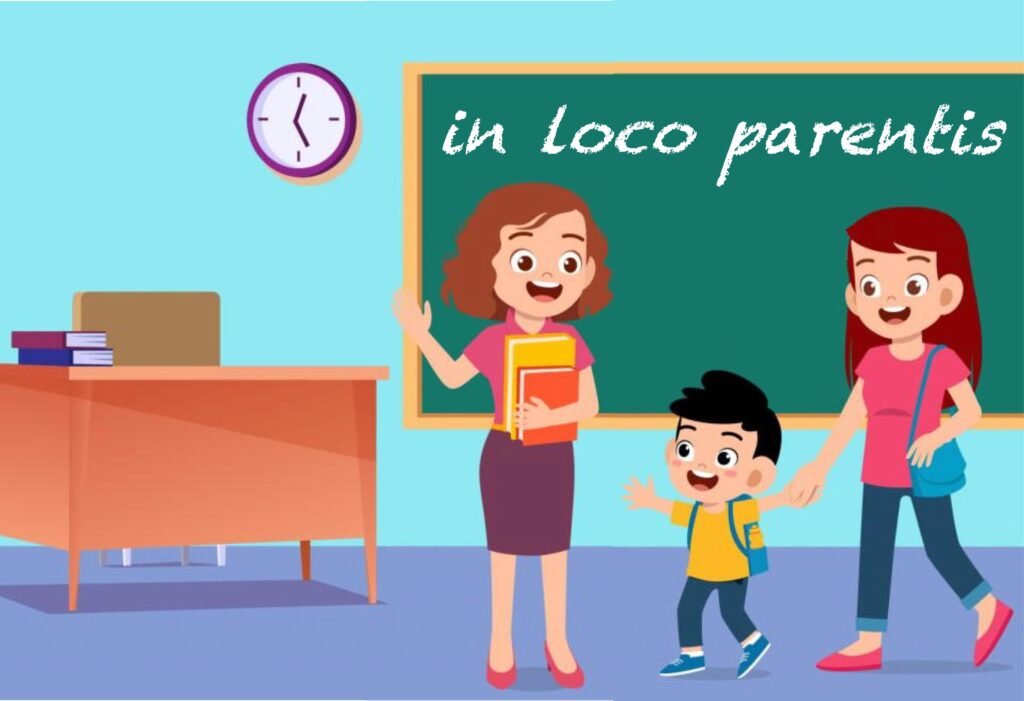
The Latin Term In Loco Parents Means “In The Place Of A Parent” SDAB “In Loco Parents Standard” Is Enlivened By This Teaching That The Kid Care Organizations Will Act In The Best Interests Of The Kids Being Disapproved As They Think About Fit, While Not Permitting What Would Be Viewed As Infringement Of The Youngster’s Very Own Distinction And Independence.
The United Nations Show On The Privileges Of The Youngster (Usually Curtailed As The CRC, CROC, or UNCRC) Is A Human Rights Settlement Which Sets Out The Common, Political, Monetary, Social, Health And Cultural Rights Of Children. This Certification Tries To Help Every One Of The People Who Are Worried About The Right Of The Kid.
This License Plans To Construct Essential Adequacy For Quality, Health And Security The Executives Despite Changing Requirements Of The General Public, Guardians, Early Education & Child Care Centres And Kids In An Arranged Way. Wherein A Framework Approach Made Of Interrelated Components Cultivates A Culture Of Reflection And Constant Improvement.
In Loco Parents Accreditation Means That An Early Education & Child Care Center Meets The Standards For:
• Structure
• Administration
• Space, Framework And Climate
• Arranging And Strategy Arrangement
• Funding
• Human Resources
In Loco Parents Certification Implies That An Early Education & Child Care Center Follows The Best
• Area
• Engineering Plan – Indoor And Outdoor
• Access Control And Security
• Gear
• Day-care Program
• Approaches
• Staff
• Safety
• Cleanliness
• Upkeep
• Organization
Why “In Loco Parents” Accreditation?
• Certification Will Give Affirmation To The Guardians That Your Middle Has Responsibility To Give Quality And Safe Early Training And Kid Care Services And Focused On Seeking After Greatness.
• The Guardians Will Have Certainty That Their Youngster Will Get The Best Fun, Positive, Instructive And Connecting With Experience, Safe And Invigorating Climate And Care Conceivable At The Certify Centre.
• Get Full Specialized Help From SDAB Endorsed Arrangement Accomplice Carry Out The In Loco Parent Is In Your EECCC.
• SDAB Follows A Similar Way Of Thinking, Assessment Interaction And Rigor As ISO 17011 Standard While Delivery The In Loco Parents Accreditation.
Introduction: Redefining Quality in Childcare
The phrase in loco parentis, a Latin term meaning “in the place of a parent,” has long been a foundational legal and ethical doctrine in education and childcare. It signifies a profound responsibility: the duty of caregivers and institutions to act with the vigilance, care, and earnest concern of a prudent parent, prioritizing the child’s best interests while respecting their developing individuality. In the modern context of Early Education and Child Care Centres (EECCCs), this doctrine transcends a simple legal obligation. It becomes the very ethos of high-quality provision—a holistic commitment to nurturing the whole child in an environment that is safe, stimulating, and deeply respectful of their rights.
Recognizing the need for a tangible, rigorous, and universally credible standard built upon this ancient principle, the SDAB (Standards Development and Accreditation Body) has established the In Loco Parentis (ILP) Accreditation. This independent, third-party accreditation is not merely a certificate for display; it is a “willful quality, wellbeing and security license,” a voluntary commitment to a journey of continuous excellence. It represents a formal recognition granted to EECCCs that consistently demonstrate and maintain the highest benchmarks across every facet of their operation—from physical infrastructure and human resources to pedagogical approaches and safety protocols.
This 5000-word document delves into the comprehensive nature of the In Loco Parentis Accreditation. It explores its philosophical underpinnings in the United Nations Convention on the Rights of the Child (UNCRC), outlines its intricate structural and operational standards, details the rigorous assessment process modeled on international norms like ISO 17011, and elucidates the multifaceted benefits it delivers to children, parents, educators, and the community at large. Ultimately, it positions the ILP Accreditation as more than a seal of approval; it is a transformative framework that cultivates a culture of reflection, accountability, and relentless pursuit of what is best for every child entrusted to an accredited centre’s care.
Chapter 1: Philosophical and Ethical Foundations
1.1 The Doctrine of In Loco Parentis: From Legal Principle to Ethos of Care
Historically, in loco parentis granted institutions the authority to discipline and supervise children as a parent would. The SDAB ILP standard modernizes and expands this concept. It is “enlivened by this teaching that the kid care organizations will act in the best interests of the kids… while not permitting what would be viewed as infringement of the youngster’s very own distinction and independence.” This crucial balance is the accreditation’s core. It mandates:
- Proactive Nurturing and Protection: Centres must create environments that proactively safeguard physical and emotional wellbeing, foresee risks, and provide affectionate, individualized care.
- Respect for Agency and Identity: The standard guards against overreach. It requires that practices support the child’s growing autonomy, voice, and unique personality, aligning with contemporary understanding of child development.
1.2 Anchoring in the United Nations Convention on the Rights of the Child (UNCRC)
The ILP Accreditation is explicitly designed to operationalize the articles of the UNCRC, a comprehensive human rights treaty. It “tries to help every one of the people who are worried about the right of the kid.” Key principles integrated include:
- The Best Interests of the Child (Article 3): This is the paramount consideration in all centre decisions, from budget allocations to curriculum planning.
- The Right to Survival and Development (Article 6): Accredited centres must provide safe, healthy environments and stimulating experiences that promote holistic development—cognitive, social, emotional, and physical.
- The Right to Participation (Article 12): Children’s views must be considered in matters affecting them, fostering a sense of agency and community.
- The Right to Education, Play, and Leisure (Articles 28 & 31): The accreditation mandates a balanced approach where structured learning coexists with ample, high-quality opportunities for creative play and relaxation.
- Protection from Harm (Article 19): Rigorous safety, hygiene, and child protection protocols are non-negotiable pillars of the standard.
By embedding these rights into operational criteria, the ILP Accreditation ensures that childcare is not viewed as a mere custodial service but as a rights-based practice fundamental to a just society.
1.3 The System Approach: Cultivating a Culture of Continuous Improvement
The license “plans to construct essential adequacy… in an arranged way. Wherein a framework approach made of interrelated components cultivates a culture of reflection and constant improvement.” This systems-thinking perspective is vital. An EECCC is seen as a dynamic organism where:
- Interconnectedness is Key: The quality of human resources affects curriculum delivery, which is influenced by the physical environment, which is governed by administration and funding. Weakness in one area impacts the whole.
- Reflection is Institutionalized: Accredited centres engage in regular self-study, data collection (from observations, parent feedback, incident reports), and team discussions to assess their practice.
- Improvement is Cyclical: Insights from reflection lead to planned actions, policy updates, professional development, or facility enhancements, which are then evaluated, continuing the cycle of growth.
This moves quality assurance from a static, compliance-based exercise (“We have a policy”) to a living process of striving for excellence (“How effectively is our policy implemented, and how can we better meet children’s needs?”).
Chapter 2: The Pillars of Accreditation – Structural and Governance Standards
The ILP Accreditation signifies that a centre meets exhaustive standards across six foundational pillars.
2.1 Structure and Governance
A clear, ethical, and effective governance structure is the backbone of a quality centre.
- Legal Constitution: The centre must operate under a defined legal entity with transparent ownership.
- Governing Body: A board or management committee with defined roles, responsibilities, and lines of authority must be in place. This body is ultimately responsible for upholding the ILP standard.
- Mission, Vision, and Values: These must be formally documented, aligned with the in loco parentis and UNCRC principles, and communicated to all stakeholders.
- Strategic Planning: A long-term strategic plan demonstrates forward-thinking leadership and a commitment to sustained quality.
- Ethical Framework: Policies on conflicts of interest, confidentiality, and ethical conduct for all personnel are mandatory.
2.2 Administration and Organization
Effective administration ensures the smooth, safe, and compliant running of the centre.
- Management Systems: Robust systems for record-keeping (attendance, child development, incidents, staff records), communication (with parents, staff, regulators), and daily operations.
- Financial Management: Sound, transparent financial practices, including budgeting, auditing, fee management, and allocation of resources for quality improvement.
- Risk Management: A proactive risk management framework that identifies, assesses, and mitigates potential risks to children, staff, and the organization.
- Compliance: Demonstrated adherence to all national and local licensing regulations, health codes, and fire safety standards.
2.3 Space, Infrastructure, and Climate
The physical environment is the “third teacher.” It must be safe, fit-for-purpose, and conducive to learning and wellbeing.
- Licensed Capacity: Adherence to mandated child-to-space ratios, ensuring no overcrowding.
- Functional Areas: Clearly defined, adequate, and appropriate spaces for different activities: quiet rest areas, active play zones, creative arts spaces, hygiene facilities, and administrative offices.
- Ambiance and Climate: The environment must be welcoming, child-centered, culturally sensitive, and aesthetically pleasing. Natural light, ventilation, temperature control, and acoustics are evaluated.
- Outdoor Space: Safe, secure, and challenging outdoor play areas that offer diverse sensory and physical experiences are essential, not optional.
2.4 Planning and Policy Framework
Policies are the codified expression of a centre’s values and operational standards.
- Comprehensive Policy Manual: A living document covering all critical areas: Child Protection/Safeguarding, Inclusion and Diversity, Health and Safety, Nutrition and Food Hygiene, Behavior Guidance, Curriculum, Staff Recruitment, and Parental Engagement.
- Accessibility and Implementation: Policies must be accessible to staff and parents, and critically, staff must be trained in their implementation. The accreditation assesses how policies translate into daily practice.
- Review Cycle: Policies must be regularly reviewed and updated (at least annually) to reflect new regulations, research, or identified needs.
2.5 Funding and Financial Sustainability
Financial health is intrinsically linked to quality sustainability.
- Transparent Fee Structures: Clear communication to parents about fees and what they cover.
- Financial Planning: Budgets that ensure long-term viability while prioritizing resource allocation for child-facing quality (materials, staff training, facility upkeep).
- Ethical Use of Funds: Systems to ensure funds are used as intended and in alignment with the centre’s mission.
2.6 Human Resources: The Heart of Quality Care
The most critical pillar. The qualifications, wellbeing, and practices of the staff directly determine the quality of the child’s experience.
- Recruitment and Vetting: Rigorous recruitment processes, including comprehensive background checks, reference verification, and interviews focused on both qualification and attitude.
- Qualifications and Ratios: Staff must meet or exceed mandated qualification levels, and child-to-staff ratios must be maintained at all times, often requiring more favorable ratios than the legal minimum.
- Induction and Continuous Professional Development (CPD): A robust induction program and an ongoing, funded CPD plan for all staff, focused on pedagogy, child development, safeguarding, and inclusion.
- Staff Wellbeing and Supervision: Policies that promote staff mental and physical health, fair compensation, and regular supportive supervision. A nurtured adult is best equipped to nurture children.
- Performance Management: Fair, constructive processes for appraising staff performance aligned with the centre’s goals and the ILP standards.
Chapter 3: The Pillars of Accreditation – Operational and Programmatic Standards
These standards translate the structural foundations into the daily lived experience of children and families.
3.1 Location, Architectural Design, and Access Control
- Location: The centre should be situated in a safe, accessible community, with consideration for environmental hazards, traffic, and noise pollution.
- Architectural Design – Indoor & Outdoor: Design must be purpose-built or adaptively reused to optimally support early childhood activities. Key features include:
- Child-scale furniture and fixtures.
- Visibility and sightlines for supervision.
- Safe, durable, and non-toxic materials.
- Inclusive design for children with disabilities.
- Logical flow between activity areas.
- Outdoor spaces designed for exploration, risk-taking, and connection with nature.
- Access Control and Security: A secure perimeter, controlled entry/exit points, visitor management protocols, and systems to ensure no child leaves the premises unsupervised. Security must be balanced with a welcoming atmosphere.
3.2 Equipment, Resources, and Upkeep
- Suitability and Safety: All equipment (toys, furniture, play structures) must be age-appropriate, safe (meeting safety standards), clean, and in good repair.
- Variety and Stimulation: A rich and diverse array of open-ended materials that promote creativity, problem-solving, and developmental across all domains.
- Preventive and Responsive Maintenance: Scheduled maintenance plans for facilities and equipment, plus swift processes for repairing reported issues.
3.3 Day-care Program (Curriculum and Pedagogy)
This is the essence of the educational offering.
- Philosophy and Approach: A clearly articulated educational philosophy (e.g., play-based, Reggio-inspired, Montessori, eclectic) that aligns with ILP principles.
- Child-Centered and Play-Based: The program must be driven by children’s interests, developmental stages, and the power of purposeful play as the primary vehicle for learning.
- Holistic Development: Planning must address all areas: cognitive, language, physical, social-emotional, and creative.
- Observation and Documentation: Systematic observation of children to inform planning, assess development, and share progress with families.
- Routines and Transitions: Predictable yet flexible routines that provide security. Transitions between activities are managed calmly and respectfully.
3.4 Staff Interactions and Pedagogical Practices
- Warm, Responsive Relationships: Staff interactions are characterized by warmth, respect, and attunement to children’s needs. Positive language is used consistently.
- Guidance and Discipline: Practices are focused on teaching self-regulation and prosocial behavior, not punitive control. Redirection, natural consequences, and collaborative problem-solving are emphasized.
- Facilitation of Learning: Staff act as facilitators and co-learners, scaffolding children’s explorations, asking open-ended questions, and extending their thinking.
3.5 Safety, Hygiene, and Health Management
- Health and Safety Policies: Comprehensive policies for illness, medication administration, allergies, sun safety, and emergency procedures (fire, lockdown, natural disaster).
- Hygiene Protocols: Strict routines for handwashing, diapering/toileting, cleaning and sanitizing surfaces and toys, and food handling.
- Nutrition and Physical Activity: Provision of nutritious meals/snacks (if offered) and ample daily opportunities for vigorous physical activity.
- First Aid and Emergency Preparedness: All staff trained in pediatric first aid and CPR. Regularly practiced emergency drills. Fully stocked first-aid kits accessible.
3.6 Partnership with Parents and Families
Recognizing parents as the primary educators, the centre must foster a strong, collaborative partnership.
- Open Communication: Multiple, regular channels for communication (daily conversations, digital portfolios, newsletters, parent-teacher conferences).
- Family Engagement: Opportunities for families to participate in the centre’s life (events, volunteering, feedback surveys).
- Respect for Diversity: Active efforts to understand and incorporate families’ cultural, linguistic, and structural backgrounds into the programme.
Chapter 4: The Accreditation Process – Rigor and Objectivity
The credibility of the ILP Accreditation hinges on a rigorous, transparent, and objective assessment process. SDAB explicitly “follows a similar way of thinking, assessment interaction and rigor as ISO 17011,” the international standard for accreditation bodies.
4.1 The Journey to Accreditation
Step 1: Enquiry and Self-Assessment
The centre expresses interest and receives the detailed ILP Standard manual. It conducts a comprehensive self-assessment against the criteria, identifying strengths and gaps.
Step 2: Engagement of an SDAB Endorsed Solution Partner
Centres can choose to “get full specialized help from SDAB endorsed arrangement accomplice carry out the In Loco Parentis standard.” These partners provide consulting, gap analysis, and preparation support but play no role in the final assessment, ensuring impartiality.
Step 3: Formal Application
The centre submits a formal application with supporting evidence, including its self-assessment report, policy manuals, and key operational documents.
Step 4: Documentation Review
SDAB assessors conduct a desktop review of all submitted documentation to verify initial compliance with the standard’s requirements.
Step 5: On-Site Assessment
A team of expert assessors (typically including an educator and a health/safety specialist) visits the centre for 1-3 days. The assessment involves:
- Observations: Unobtrusive observation in all rooms and outdoor spaces.
- Interviews: Structured conversations with the director, pedagogical leaders, teaching staff, support staff, and parents.
- Facility Inspection: Detailed check of the physical environment, equipment, hygiene practices, and safety systems.
- Evidence Verification: Cross-checking documented policies against observed practice and staff knowledge.
Step 6: Assessment Report and Decision
The assessment team submits a detailed report outlining conformity, non-conformities (minor and major), and opportunities for improvement. An independent SDAB decision-making committee reviews the report and grants accreditation, grants accreditation with conditions (requiring action on minor non-conformities), or denies accreditation.
Step 7: Surveillance and Re-accreditation
Accreditation is valid for a set period (e.g., 3-4 years). Annual surveillance visits (shorter, focused assessments) ensure ongoing compliance. Full re-accreditation is required at the end of the cycle, involving a comprehensive review akin to the initial assessment.
4.2 Principles of the Assessment Process
- Competence: Assessors are highly qualified, experienced, and trained in the ILP Standard and assessment techniques.
- Impartiality and Independence: SDAB and its assessors have no conflict of interest. Their revenue comes from accreditation fees, not consultancy, ensuring objective judgments.
- Transparency: The standard and process are publicly available. Centres receive clear, justified reports.
- Consistency: The process is applied uniformly across all applicants to ensure the accreditation’s value is consistent.
Chapter 5: The Value Proposition – Why Pursue “In Loco Parentis” Accreditation?
5.1 For Parents and Families – Confidence and Trust
- Certification Will Give Affirmation… focused on seeking after greatness. In a market with varying quality, the ILP seal is a reliable, independent marker of a centre’s commitment. It reduces anxiety and simplifies the difficult choice of childcare.
- The Guardians Will Have Certainty… They can trust their child is in an environment that is not only safe but also optimally designed for fun, learning, engagement, and positive social-emotional growth. It validates that their child’s rights are respected.
5.2 For Early Education & Child Care Centres – Differentiation and Excellence
- Market Leadership and Competitive Advantage: The accreditation distinguishes a centre as a leader in quality, attracting discerning parents and potentially allowing for sustainable fee structures.
- Structured Path to Improvement: The standard provides a clear, comprehensive roadmap for excellence. The process itself, through self-assessment and external feedback, drives significant organizational improvement.
- Enhanced Staff Morale and Recruitment: Working in an accredited centre is a mark of professional pride. It attracts and retains high-quality staff who seek environments committed to best practices and continuous learning.
- Risk Mitigation: The systematic approach to safety, compliance, and governance significantly reduces operational, reputational, and legal risks.
5.3 For Children – The Ultimate Beneficiaries
- Entitlement to High-Quality Experiences: It ensures their daily reality is one of secure, respectful, and enriching interactions and environments.
- Holistic Development: The comprehensive standards guarantee attention to all aspects of their wellbeing and growth.
- Voice and Agency: Their rights to participation and individuality are structurally embedded in the centre’s operations.
5.4 For the Community and Society – A Foundation for the Future
- Elevating the Sector: By setting a high, visible benchmark, the ILP Accreditation pushes the entire early childhood sector towards higher standards.
- Investing in Human Capital: High-quality early childhood education has unparalleled social and economic returns, from improved educational outcomes to reduced social costs. Accredited centres are direct contributors to this public good.
- Promoting Social Equity: When the accreditation emphasizes inclusion and rights, it helps create early learning environments that are just and equitable, laying the groundwork for a fairer society.
Conclusion: Beyond Accreditation – A Covenant of Care
The SDAB In Loco Parentis Accreditation is far more than a checklist or a marketing tool. It is a covenant—a solemn commitment between a childcare centre and the families it serves, grounded in the timeless duty of acting in the child’s best interests and animated by the modern framework of children’s rights. It recognizes that greatness in early childhood education is not accidental; it is “granted” only after demonstrating a consistent, systemic, and deeply ingrained culture of quality.
By weaving together robust governance, exemplary human resources, intentional environments, and reflective pedagogy into a single coherent standard, the ILP Accreditation provides a gold-star framework for what 21st-century childcare should be. It assures parents, empowers educators, protects children, and ultimately, strengthens the very fabric of society by ensuring that our youngest citizens are nurtured in places that truly understand and honor the profound responsibility of standing in loco parentis. In doing so, it transforms a legal doctrine into a living promise of excellence, safety, and love for every child.

Branches
SDAB Accreditation
SDAB Head Office
SDAB Sanatan Dharma Accreditation Board
SDAB House
C/O Mr.Garry 54, Glengarnock Avenue,
E-14 3BP Isle Of Dogs, London UK
Tel .: +44-8369083940
email: info@sanatanboards.com
Website: www.sanatanboards.com
MUMBAI Head Office
Sanatan Dharma Accreditation Board (SDAB)
SDAB House
B-401, New Om Kaveri Chs. Ltd., Nagindas pada,
Next To Shiv Sena Office, Nallasopara (E)
Tel .: +91-7499991895
email: info@sanatanboards.com
Website: www.sanatanboards.com
DELHI-NCR Regd. Office
Sanatan Dharma Accreditation Board (SDAB)
SDAB House
Asaoti, Dist Palwal
Faridabad Delhi NCR, Haryana
Tel .: +91-7979801035
Fax: +91-250 2341170
Website: www.sanatanboards.com
Table of Contents