
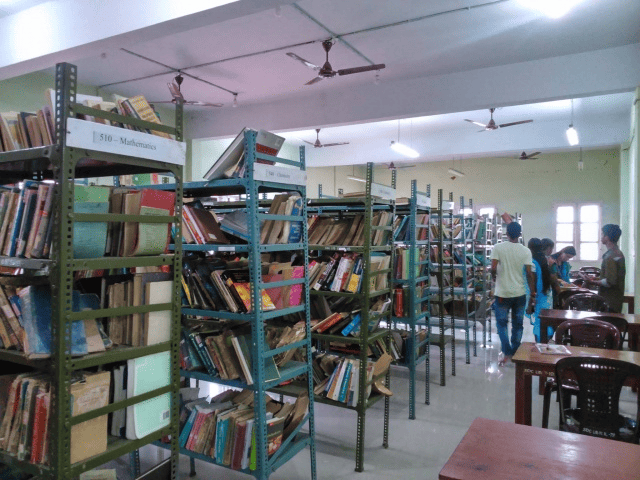
Sanatan Dharam e-Library
The concept of a “Sanatan Dharam e-Library” is less about a single website and more about a vast, distributed digital landscape. For seekers, students, and scholars, this means access to an incredible wealth of resources, from ancient scriptures digitized by renowned institutions to modern commentaries available as e-books. This guide explores the major digital repositories, key texts, and practical considerations for building your own virtual library of Sanatan Dharma.
📚 Major Digital Repositories and Archives
For authentic and often rare publications, several institutional and community-driven digital libraries are invaluable resources.
- Tirumala Tirupati Devasthanams (TTD) Official Website: One of the most significant curated collections of Sanatan Dharma literature is available on the TTD website. As of 2017, the TTD had uploaded over 3,500 publications for global devotees, including 1,197 in Telugu, 226 in English, 181 in Tamil, 175 in Kannada, and 70 in Sanskrit. The collection is vast and well-organized, featuring:
- Core Scriptures: Landmark texts like Potana Bhagavatham and Mahabharatam .
- Diverse Categories: The e-publications are divided into sections such as Vedic literature, Puranas and Itihasas, Kavya (poetry) literature, Sankeertana (devotional songs) literature, and Agama literature related to temple worship .
- Periodicals and Archives: Complete issues of the Sapthagiri magazine, dating back to 1975, are also available .
- Internet Archive: This digital library is a goldmine for out-of-print and historically significant books. A prime example is the 1916 book Sanatana Dharma, which was published by the Benaras Hindu University as a textbook for students. All physical copies were destroyed, but a digitized version from the University of California’s library is preserved here, making it accessible to all . The Internet Archive allows for free borrowing and downloading of such rare finds .
📖 Navigating the World of Sanatan Dharma E-Books
The rise of e-books has made exploring Sanatan Dharma more accessible than ever. Commercial platforms and modern publications offer diverse perspectives, from ancient wisdom to contemporary interpretations.
- Commercial E-book Platforms: The Amazon Kindle Store hosts a vast and growing collection of titles on Sanatan Dharma. These e-books often include features like customer reviews, which can help you gauge a book’s content and readability before purchasing . Other platforms like Google Play Books and specialized academic sites like Blackwell’s also offer extensive catalogs.
- A Spectrum of Modern Publications:
- Foundational Overviews: Many modern books aim to provide a clear and comprehensive introduction to the religion. For instance, Sanatana Dharma: The Eternal Religion, edited by Swami Nirmalananda Giri, is an adaptation of the 1916 BHU textbook, designed to present basic Hindu religious ideas, customs, and ethical teachings to the modern reader . Another title, The Eternal Wisdom of Sanatana Dharma, offers a brief introduction to the key literature and philosophy .
- Scriptural Compilations: For those who wish to engage directly with primary sources, books like Sanatani: Sampurn Sanatan Dharm compile verses (slokas) from ancient texts such as the Vedas, Puranas, Upanishads, and Mahabharata. These are arranged thematically to cover topics like philosophy, duties (sanskars), and ethics .
- Thematic Explorations: Other e-books focus on specific concepts. For example, Sanātana Dharma: The Universal Path of Truth and Balance delves into the core principles of Dharma, Karma, and Moksha, aiming to show their practical application in modern life . Similarly, UNDERSTANDING SANATAN DHARMA is presented as a guide to the “Divine Science of Hindu Religion” .
- Critical Perspectives: Some authors also attempt to present a balanced view, discussing both the strengths and what they perceive as defects or flaws within the tradition, as seen in Basics of Hinduism: Questions Concerning Sanatan Dharma .
💡 Building Your Own Digital Library
Here are some practical tips to help you navigate and build your personal collection of Sanatan Dharma e-resources.
- Define Your Focus: Sanatan Dharma is an extensive tradition. Are you looking for an introductory overview, deep dives into specific scriptures like the Upanishads, books on yoga and meditation, or texts on a particular philosophical school (like Advaita Vedanta)? Defining your interest will help narrow your search.
- Utilize Search and Discovery Tools: On platforms like Amazon, use specific keywords (e.g., “Upanishads English translation,” “Bhagavad Gita commentary,” “History of Sanatan Dharma”). Pay close attention to customer reviews and book descriptions to understand the author’s perspective and the book’s scope . Look for “Look Inside” features to sample the writing style.
- Explore Different Formats: E-books come in various formats. While Kindle books are popular, you may also encounter PDFs, EPUB files, and other formats. The Internet Archive often provides books in multiple formats for download . Some platforms, like the one for Sanātana Dharma: The Universal Path of Truth and Balance, offer features like unlimited loans and table of contents navigation for easier reading .
- Verify Authenticity: When exploring lesser-known publications or archives, it’s always wise to consider the source. Publications from established institutions like the TTD carry the weight of traditional authority . For other books, reading author biographies and reviews can provide context about their approach and credentials .
The “Sanatan Dharam e-Library” is not a single website but a vast, decentralized digital universe. For the modern seeker, student, or scholar, this means unprecedented access to an ocean of wisdom, ranging from ancient scriptures digitized by renowned institutions to contemporary commentaries available as e-books. This guide serves as a roadmap to help you navigate this rich landscape, highlighting key repositories, essential texts, and practical strategies for building your own personal digital collection.
📚 Navigating the Major Digital Repositories
The foundation of any digital library rests on authentic and well-preserved archives. Two sources stand out for their scale and significance.
- Tirumala Tirupati Devasthanams (TTD) Official Website: The TTD has undertaken a monumental effort to digitize and freely distribute its vast publication archive. As of 2017, they had uploaded over 3,500 publications, available in multiple languages including Telugu, English, Tamil, Kannada, and Sanskrit. This is a treasure trove for anyone seeking authoritative texts. The collection is meticulously categorized, featuring:
- Core Scriptures: Landmark works such as the Potana Bhagavatham and the Mahabharatam.
- Diverse Literary Categories: The e-library is divided into sections like Vedic literature, Puranas and Itihasas, Kavya (poetry), Sankeertana (devotional songs), and Agama literature (temple worship guides).
- Historical Archives: Complete, searchable issues of the Sapthagiri magazine, dating back to 1975, are also available, offering decades of insightful articles.
- Internet Archive: This digital library is an indispensable resource for out-of-print and historically significant books. A prime example is the rare 1916 textbook Sanatana Dharma, originally published by Benaras Hindu University. All physical copies were reportedly destroyed, but a digitized version from the University of California’s library is preserved here, making this foundational text accessible to all. The Internet Archive allows for free borrowing and downloading of such irreplaceable works in multiple formats.
📖 Exploring the World of Sanatan Dharma E-Books
The rise of e-books has democratized access to spiritual and philosophical knowledge. Commercial platforms and modern publications offer a spectrum of perspectives, from ancient wisdom to contemporary interpretations.
- Commercial E-book Platforms: The Amazon Kindle Store hosts an ever-expanding collection of titles. These e-books offer powerful advantages for discovery, such as customer reviews that provide insights into a book’s content and readability, and “Look Inside” features that let you sample the author’s style before committing. Other platforms like Google Play Books and academic sites like Blackwell’s also provide extensive catalogs.
- A Spectrum of Modern Publications:
- Foundational Overviews: Many modern books serve as excellent entry points. For instance, Sanatana Dharma: The Eternal Religion, edited by Swami Nirmalananda Giri, is a modern adaptation of the 1916 BHU textbook, designed to present core Hindu ideas, customs, and ethical teachings to a contemporary audience.
- Scriptural Compilations: For direct engagement with primary sources, books like Sanatani: Sampurn Sanatan Dharm compile verses (slokas) from ancient texts such as the Vedas, Puranas, Upanishads, and Mahabharata. These are thematically arranged to cover topics like philosophy, duties (sanskars), and ethics, making the vast scriptures more approachable.
- Thematic Explorations: Other e-books focus on specific concepts. Sanātana Dharma: The Universal Path of Truth and Balance delves into the core principles of Dharma, Karma, and Moksha, aiming to show their practical application in modern life. Similarly, UNDERSTANDING SANATAN DHARMA is presented as a guide to the “Divine Science of Hindu Religion.”
💡 A Practical Guide to Building Your Digital Library
With such a wealth of resources, a strategic approach is essential for building a meaningful and coherent collection.
- Define Your Focus: Sanatan Dharma is an extensive and multifaceted tradition. Begin by asking yourself: What is my primary interest? Are you looking for an introductory overview, deep dives into specific scriptures like the Upanishads, books on yoga and meditation, or texts on a particular philosophical school like Advaita Vedanta? A clear focus will make your search exponentially more effective.
- Utilize Search and Discovery Tools: On platforms like Amazon, move beyond simple searches. Use specific keywords (e.g., “Upanishads English translation,” “Bhagavad Gita commentary Shankara,” “History of Sanatan Dharma”). Actively use customer reviews and book descriptions to understand the author’s perspective and the book’s scope. The “Look Inside” feature is invaluable for assessing writing style and depth.
- Explore Different Formats: E-books come in various formats like Kindle (AZW), EPUB, and PDF. The Internet Archive often provides books in multiple formats for download. Some platforms offer features like unlimited loans and table of contents navigation for a smoother reading experience.
- Verify Authenticity and Authority: When exploring lesser-known publications or archives, it’s wise to consider the source. Publications from established institutions like the TTD carry the weight of traditional authority. For other books, reading author biographies and reviews can provide crucial context about their lineage, approach, and credentials.
In essence, the “Sanatan Dharam e-Library” is an invitation to a boundless journey. By thoughtfully exploring institutional archives, commercial platforms, and a diverse range of modern publications, anyone can access the eternal wisdom of this ancient tradition.
Are you looking for texts on a specific aspect of Sanatan Dharma, such as the Vedas, the Puranas, or a particular philosophical school? Providing more detail would help in suggesting more targeted resources.
Top 100 name of Sanatan Dharam e-Library
Here are 100 names for a Sanatan Dharma e-Library, covering Vedic scriptures, Upanishads, Puranas, yoga, Ayurveda, and spiritual wisdom.
Courtesy: धर्म ही श्रेष्ठ है
1-25: General Sanatan Dharma e-Libraries
- Sanatan Dharma Digital Library
- Vedanta e-Library
- Vedic Wisdom Online Library
- Bhagavad Gita Digital Library
- Upanishad e-Book Collection
- Sanatan Gyan Peeth e-Library
- Moksha Path e-Library
- Dharma Granth e-Library
- Rigveda Digital Archive
- Patanjali Yoga e-Library
- Himalayan Spiritual Library
- Brahma Vidya Online Library
- Adi Shankaracharya e-Library
- Ramayan & Mahabharata Digital Library
- Gyan Mandir e-Library
- Sanatan Shastra Sangrahalaya
- Hindu Dharma Knowledge Hub
- Bharatiya Sanskriti e-Library
- Divine Knowledge Digital Archive
- Shri Ram e-Pathshala
- Saraswati Gyan Kosh
- Shri Vishnu Dharma Library
- Om Shastra Sangrah e-Library
- Bhakti Marg Digital Collection
- Sanatan Dharmic Manuscript Archive
26-50: Vedic, Puranic & Scriptural e-Libraries
- Veda Pathshala Digital Collection
- Chaturveda Online Library
- Atharvaveda e-Library
- Samaveda Knowledge Archive
- Yajurveda Digital Manuscripts
- Shri Hanuman Dharma Granth
- Shri Krishna Consciousness Library
- Ayodhya Ramayan Digital Library
- Kurukshetra Mahabharata Collection
- Panchatantra Wisdom Archive
- Bhagavata Purana e-Library
- Garuda Purana Online Archive
- Shiva Mahapurana Digital Library
- Skanda Purana e-Book Center
- Vishnu Purana Manuscript Archive
- Matsya Purana Digital Collection
- Narasimha Purana e-Library
- Markandeya Purana Digital Library
- Brahmanda Purana Online Repository
- Sanskrit Dharma Shastra e-Library
- Brahma Sutras Digital Library
- Upanishad Pathshala e-Library
- Shri Ramcharitmanas Digital Books
- Sanatan Sanskrit e-Granth Kosh
- Tulsidas Kavya Sangrah e-Library
Courtesy: Kattar Sanatani
51-75: Yoga, Ayurveda & Spirituality e-Libraries
- Patanjali Yoga Sutra Digital Archive
- Dhyana Yoga e-Library
- Ayurveda Granth Sangrah
- Charaka Samhita e-Library
- Sushruta Samhita Digital Collection
- Shri Dhanvantari Ayurveda Library
- Himalayan Wellness e-Library
- Raja Yoga Wisdom Repository
- Gita Upadesha e-Library
- Pranayama & Meditation e-Library
- Sanatan Dharma Holistic Healing Library
- Karma Yoga Digital Books
- Jnana Yoga e-Library
- Bhakti Yoga e-Book Center
- Advaita Vedanta Digital Library
- Siddha Vidya Knowledge Archive
- Hatha Yoga Wisdom Collection
- Shri Ramakrishna e-Library
- Swami Vivekananda Spiritual Library
- Shri Aurobindo Integral Yoga Collection
- Ganga-Saraswati Knowledge Repository
- Mantra & Tantra Studies Digital Library
- Divine Sound & Nadabrahma Library
- Kailash Himalayan Scriptures Archive
- Yogic Science & Wellness Digital Books
76-100: Dharma, Culture & History e-Libraries
- Sanatan Sanskriti e-Pathshala
- Bharatiya Itihas e-Library
- Rishi Muniyon Ki Vani e-Library
- Shri Jagannath Dharma Collection
- Himalayan Yogis Wisdom Library
- Dharmic Ethics & Values Digital Library
- Tirth Yatra & Pilgrimage e-Library
- Sanatan Culture & Heritage Archive
- Vastu Shastra e-Book Center
- Jyotish & Astrology e-Library
- Sanskrit Manuscripts Digital Repository
- Hindu Rituals & Traditions e-Library
- Bharatiya Katha Sangrah e-Library
- Panchang & Vedic Calendar Library
- Sanatan Music & Chants Digital Collection
- Shri Durga Saptashati e-Library
- Shri Lalita Sahasranama Digital Archive
- Shri Ganga Aarti e-Library
- Tirupati Balaji Sacred Texts Collection
- Vedic Architecture & Temples e-Library
- Omkar Dhwani Shastra e-Library
- Bharatiya Spiritual Leaders Collection
- Sanatan Stotra & Bhajan e-Library
- Nirvana Path e-Library
- Dharma Sandesh Digital Collection
Conclusion
Building Your Digital Sanctuary of Eternal Wisdom
The concept of a “Sanatan Dharam e-Library” represents far more than a mere collection of digital files—it is a living, breathing gateway to one of humanity’s oldest and most profound spiritual traditions. As we have explored throughout this guide, the resources available to the modern seeker are unprecedented in both scale and accessibility.
The Digital Landscape: A Summary
Our journey has revealed three primary pillars of the Sanatan Dharam digital ecosystem:
Institutional Repositories like the Tirumala Tirupati Devasthanams (TTD) website stand as bastions of authenticity, offering over 3,500 curated publications spanning Vedas, Puranas, Agamas, and devotional literature. The Internet Archive serves as a guardian of rare and out-of-print works, preserving treasures like the 1916 BHU textbook Sanatana Dharma for future generations.
Commercial Platforms such as the Amazon Kindle Store and Google Play Books have democratized access, hosting thousands of titles ranging from introductory overviews to scholarly commentaries. Features like customer reviews, “Look Inside” previews, and multi-device synchronization make these platforms powerful tools for discovery and study.
Modern Publications bridge the ancient and contemporary worlds. Whether through comprehensive compilations like Sanatani: Sampurn Sanatan Dharm, thematic explorations of concepts like Dharma and Moksha, or critical examinations of the tradition, today’s e-books cater to every level of interest and inquiry.
The Deeper Purpose: More Than a Collection
An e-library of Sanatan Dharma is ultimately not about accumulating files but about facilitating transformation. The scriptures themselves remind us that knowledge (jnana) is meant to be lived, not merely studied. The Bhagavad Gita (4.38) declares:
न हि ज्ञानेन सदृशं पवित्रमिह विद्यते
“In this world, there is nothing as pure and elevating as knowledge.”
Yet this knowledge must be internalized. As you build your digital collection, remember that each text is an invitation—to contemplate, to question, to meditate, and ultimately, to realize the eternal truths they contain.
A Call to Deeper Exploration
The resources outlined here are but doorways. The Vedas, Upanishads, Puranas, Itihasas, Agamas, Darshanas, and the countless commentaries and contemporary works together form an endless ocean of wisdom. Your journey is unique, and your digital library should reflect your personal path.
Are you drawn to the philosophical depths of the Upanishads? The narrative richness of the Ramayana and Mahabharata? The practical wisdom of the Yoga Sutras? The devotional poetry of the Alvars and Nayanmars? Or the systematic inquiry of the six Darshanas?
Each of these paths offers its own treasures. By thoughtfully curating your digital collection—combining authoritative sources from institutional archives, accessible translations from commercial platforms, and diverse perspectives from modern authors—you create not just a library, but a personal sanctuary for spiritual growth.
The eternal wisdom of Sanatan Dharma, once confined to palm-leaf manuscripts in remote monasteries, now flows freely through the digital realm. May your exploration be fruitful, your understanding deepen, and your journey bring you closer to the timeless truth that illuminates all paths.
Om Sham Shanti Shantih

Table of Contents