
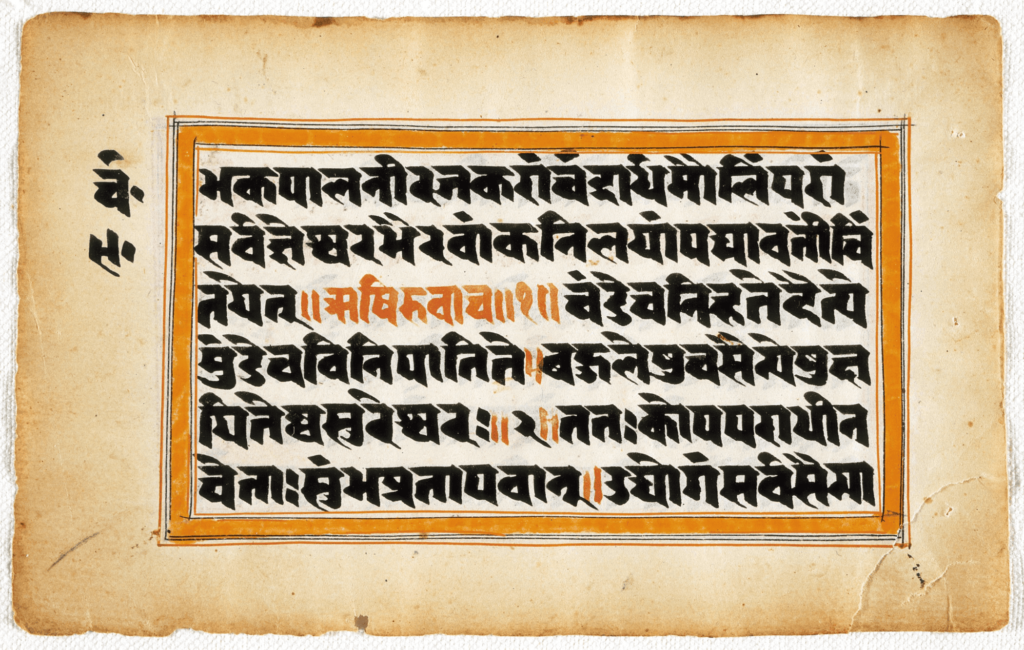
Sanatan Dharma 22 Puranas
The Grand Tapestry of Timeless Wisdom
The Puranas stand as one of the most magnificent and influential collections of sacred literature within Sanatan Dharma (often referred to as Hinduism). More than mere mythological stories, the 18 Maha-Puranas (Great Puranas) and 18 Upa-Puranas (Subsidiary Puranas) constitute a vast encyclopedic compendium that has shaped the spiritual, cultural, social, and philosophical landscape of the Indian subcontinent for over two millennia. They are the “smriti” (remembered) texts, the dynamic, popular, and narrative counterpart to the “shruti” (revealed) Vedas and Upanishads.
To call them just “mythology” is to vastly undersell their role; they are the living encyclopedias of a civilization, weaving together cosmology, theology, genealogy, philosophy, geography, medicine, astrology, grammar, art, and ethics into a coherent, devotional, and accessible narrative framework. This exploration delves into the essence, classification, content, and enduring significance of the 22 principal Puranas (18 Maha and 4 prominent Upa-Puranas) that form the core of this tradition.
I. The Essence and Purpose of the Puranas
The term “Purana” itself means “ancient” or “old,” signifying narratives of primordial times. Traditionally, a Maha-Purana is defined by five characteristic marks or “Pancha Lakshana”:
- Sarga: The primary creation of the universe.
- Pratisarga: Secondary creations and dissolutions (the cyclic process).
- Vamsha: Genealogies of gods, sages, kings, and patriarchs.
- Manvantara: The reigns of the Manus, the progenitors of humanity.
- Vamshanucharita: Histories of the solar and lunar dynasties.
However, the Puranas far exceed this definition. Their overarching purpose, as stated in the texts themselves, is to “bring that which is good in the Vedas and Shastras to the door of the common man.” They achieve this by embedding profound Vedic truths within compelling stories (katha), dialogues (samvada), and allegories. They are the primary vehicles for the propagation of the central theological ideas of Sanatan Dharma—the concepts of Dharma (righteousness), Artha (prosperity), Karma (action and consequence), Moksha (liberation), and Bhakti (devotion).
The Puranas emerged in the post-Vedic and early classical period (roughly 3rd century BCE to 1000 CE), a time of great social and religious transformation. They served to consolidate and popularize the evolving religious consciousness, integrating local deities, cults, and traditions into a broader, pan-Indian theistic framework centered on the Trimurti: Brahma (the creator), Vishnu (the preserver), and Shiva (the destroyer/transformer). They democratized spiritual knowledge, making it accessible to all, irrespective of gender, caste, or educational background.
II. The Classification: Sattva, Rajas, and Tamas
The 18 Maha-Puranas are traditionally categorized according to the three gunas (qualities) of Prakriti (nature), reflecting their primary theological orientation. This classification, mentioned in several Puranas themselves, is as follows:
- Sattvic Puranas (6): Embodying the quality of purity, wisdom, and goodness, these glorify Lord Vishnu as the supreme reality.
- Rajasic Puranas (6): Embodying the quality of passion, activity, and creation, these glorify Lord Brahma.
- Tamasic Puranas (6): Embodying the quality of inertia, darkness, and transformation, these glorify Lord Shiva.
This guna-based classification is not absolute and many Puranas contain material dedicated to all deities, but it indicates their primary devotional focus.
III. A Detailed Exploration of the 18 Maha-Puranas
Here, we delve into the core themes and significance of each of the 18 Maha-Puranas, grouped by their guna classification.
A. The Sattvic (Vaishnava) Puranas
- Vishnu Purana: Often considered the most perfect and model Purana, it is quintessentially Sattvic. It systematically covers all five defining marks (Pancha Lakshana) with exceptional clarity. It presents a comprehensive Vaishnava cosmology, the stories of Vishnu’s incarnations (Dashavatara) in detail, and the sublime devotional philosophy centered on Vishnu as the ultimate, all-pervading reality (Purushottama). Its poetic description of the universe as Vishnu’s cosmic form is unparalleled.
- Naradiya Purana: Presented as a dialogue between the divine sage Narada and Sanatkumara, this text is a veritable manual of Bhakti (devotion). It contains the famous “Narada Bhakti Sutras” (in some versions), which systematically outline the philosophy and practice of devotional love for God. It emphasizes the power of chanting the divine names (Nama-Sankirtana) and places Bhakti above even Jnana (knowledge) and Karma (ritual action) as the supreme path in the Kali Yuga.
- Bhagavata Purana (Srimad Bhagavatam): The crown jewel of the Puranic corpus and arguably the most influential Hindu text of the last millennium. Its primary subject is intense, ecstatic devotion (Bhakti) to Lord Krishna. The magnificent Tenth Canto details Krishna’s divine plays (Leela) in Vrindavan. Its philosophical depth, embedded in the teachings of Kapila (Sankhya) and the Uddhava Gita, is profound. It presents Krishna not just as an avatar of Vishnu, but as the supreme personality of Godhead (Svayam Bhagavan). Its narration by the sage Shuka to the dying King Parikshit is a timeless allegory for the soul’s quest for liberation.
- Garuda Purana: Named after Vishnu’s mount, the divine eagle Garuda, this text is unique. It serves as a detailed guide to the afterlife, funeral rites (Antyeshti), and the geography of the realms beyond death. It describes the journey of the soul, the principles of karma and judgment by Yama (the god of death), and the various heavens and hells. It also contains extensive sections on medicine (Ayurveda), gemology, and temple architecture. Its practicality in matters of life, death, and ethics makes it widely consulted.
- Padma Purana: A massive and encyclopedic work named after the lotus (Padma) from which Brahma was born. It contains a vast array of legends, rituals, and geographical descriptions (tirtha-mahatmyas) of sacred places. It includes famous sub-narratives like the stories of Dhruva, Prahlada, and the sage Rishyashringa. It strongly advocates Vishnu Bhakti and the significance of observing sacred vows (Vratas).
- Varaha Purana: Delivered by Vishnu in his Varaha (boar) incarnation to the earth goddess Prithvi. It contains many tales emphasizing Vishnu’s supremacy and the importance of pilgrimage, particularly to Shiva lingams, showcasing the Puranic spirit of inclusivity. It also includes details on iconography and rituals.
B. The Rajasic (Brahma) Puranas
- Brahma Purana: Traditionally considered the first Purana, it is attributed to Brahma. It covers a wide range of topics from creation to the solar and lunar dynasties. A large portion is dedicated to the glory of the Jagannath Temple in Puri (Orissa) and other sacred sites in eastern India, serving as a key source for the region’s sacred geography.
- Brahmanda Purana: The “Purana of the Cosmic Egg,” it describes the creation of the universe (Brahmanda) in immense detail. It contains the famous Lalita Sahasranama (the thousand names of the Goddess Lalita), making it a crucial text for the Shakta tradition as well. It includes the Adhyatma Ramayana, a philosophical recasting of the Ramayana, emphasizing Rama’s divine nature.
- Brahma Vaivarta Purana: Focuses on the divine play of Radha and Krishna, elevating their love to a cosmic, theological principle. It presents Krishna as the ultimate masculine principle (Purusha) and Radha as the supreme feminine energy (Prakriti). It details the creation emanating from these two and glorifies the sacred land of Vrindavan. It also contains narratives of other goddesses like Ganga and Tulsi.
- Markandeya Purana: One of the oldest Puranas, it is a dialogue between the sage Markandeya and Jaimini. It is unique among the Maha-Puranas for being largely neutral, not heavily favoring a specific deity. Its most famous and pivotal section is the Devi Mahatmya (also known as Chandi or Durgasaptashati), a powerful 700-verse hymn that is the foundational scripture of Shaktism, glorifying the Goddess Durga as the supreme, singular power behind the Trimurti.
- Bhavishya Purana: The “Purana of the Future,” it contains prophecies (Bhavishya). It is a complex text with sections that appear to have been updated over time, as it contains references to historical figures like Jesus, Muhammad, and British colonial rule. It mixes traditional genealogies, ritual codes (particularly for royal consecration), and astrological predictions.
- Vamana Purana: Centered on the Vamana (dwarf) incarnation of Vishnu, who subdued the asura-king Bali. While dedicated to Vishnu, a significant portion of this text is devoted to the glory of Shiva and his sacred sites, particularly around the region of Kashi (Varanasi), again demonstrating the Puranic synthesis.
C. The Tamasic (Shaiva) Puranas
- Shiva Purana: Dedicated entirely to the glory, lilas, and teachings of Lord Shiva. It elaborates on his paradoxical nature as the ascetic yogi (Mahayogi) and the ideal householder (with Parvati, Ganesha, and Kartikeya). It includes the famous story of the churning of the ocean (Samudra Manthan), the origin of the lingam, and the principles of Shaiva philosophy and rituals.
- Linga Purana: Primarily focuses on the worship and theological significance of the Shiva Lingam as a formless symbol of Shiva’s infinite, transcendent energy. It details the origins, types, and rituals of lingam worship, along with stories of Shiva’s manifestations and the importance of Shaiva pilgrimage sites.
- Skanda Purana: The largest of all the Puranas, it is a monumental work named after Skanda (Kartikeya), the son of Shiva. It is a vast travelogue and encyclopedic guide to sacred geography across the Indian subcontinent, containing detailed “Mahatmyas” (glorifications) of hundreds of tirthas (pilgrimage sites), their legends, and ritual instructions. It is an indispensable source for understanding the development of pilgrimage networks in ancient India.
- Agni Purana: Ascribed to Agni, the fire god, this Purana is a practical handbook. It is less a continuous narrative and more a compilation of diverse subjects: rituals, law codes (Dharmashastra), polity (Arthashastra), medicine, grammar, dramaturgy, poetry metrics, iconography, and even martial arts. It is a quintessential example of the Purana as an encyclopedia for daily life and governance.
- Matsya Purana: Revealed by Vishnu in his Matsya (fish) incarnation to the sage Manu during the great deluge. It contains detailed instructions for building temples and crafting idols (Pratima-lakshana). It also includes extensive chapters on cosmology, genealogies, and the duties of kings, along with narratives of various avatars.
- Kurma Purana: Delivered by Vishnu in his Kurma (tortoise) incarnation, which served as the base for the churning of the ocean. It features a significant dialogue between Shiva and Vishnu, where Shiva explains the Panchakshara Mantra (“Om Namah Shivaya”) and Vaishnava doctrines. It thus serves as a bridge between Shaiva and Vaishnava theology, containing important philosophical discourses.
IV. The Upa-Puranas and Their Significance
Beyond the 18 Maha-Puranas, there are at least 18 Upa-Puranas (minor Puranas) that focus on specific sects, local deities, temples, or communities. They continue the tradition of synthesizing local lore with mainstream theology. Four of the most prominent are:
- Devi Bhagavata Purana: A cornerstone of Shaktism, it presents the Goddess (Devi) as the supreme, absolute, and ultimate reality (Brahman), from whom even the Trimurti emerge. It details her various forms (Durga, Kali, Lakshmi, Saraswati) and contains extensive philosophical dialogues. For Shakta devotees, it holds a status equal to the Vishnu-oriented Bhagavata Purana.
- Kalki Purana: Focuses on the future, tenth avatar of Vishnu, Kalki, who is prophesied to appear at the end of the Kali Yuga to destroy adharma and restore cosmic order. It describes the decay of the current age and the apocalyptic battle that will precede the renewal of creation.
- Ganesha Purana: Dedicated to Lord Ganesha, it details his birth, exploits, and worship. It presents Ganesha not just as a remover of obstacles but as a supreme deity in his own right, with his own incarnations and cosmic functions.
- Narasimha Purana: Centers on the fierce Narasimha (man-lion) incarnation of Vishnu, his battle with the demon Hiranyakashipu, and the salvation of his devotee Prahlada. It expounds on the philosophy of devotion and divine grace in the face of extreme adversity.
V. The Enduring Significance and Legacy
The Puranas are not relics of the past but living texts that continue to breathe life into Sanatan Dharma.
- Architects of Culture: They standardized the Hindu pantheon, integrated countless local traditions, and provided a common narrative pool from which art, sculpture, dance, theatre, and music have drawn for centuries. Every classical Indian dance drama, temple frieze, and folk performance is steeped in Puranic lore.
- Vehicles of Bhakti: They were the primary engine of the Bhakti movements that swept across India from the 7th century onwards. The stories of Rama, Krishna, Shiva, and the Devi, as told in the Puranas, provided the emotional and devotional fuel for saints from Alvars and Nayanars to Mirabai and Tulsidas.
- Guides for Dharma: They functioned as a “Dharma Shastra for the masses,” illustrating through compelling stories the practical application of dharma in personal, social, and political life. They addressed the needs of all four Purusharthas (human goals): Dharma, Artha, Kama, and Moksha.
- Preservers of Knowledge: They acted as vast repositories of knowledge, preserving and transmitting information on everything from astronomy and medicine to statecraft and grammar in an age before print.
- A Living Tradition: Even today, the Puranas are alive in village storytelling (Kathavachan), in the televised epics watched by millions, in the discourses (pravachan) at temples, and in the daily rituals and festivals that mark the Hindu calendar. Diwali, Holi, Navaratri, Shivaratri, and Janmashtami are all Puranic festivals.
Conclusion
The 22 Puranas of Sanatan Dharma are far more than a collection of ancient stories. They represent a grand, sophisticated, and dynamic project of civilization-building. They took the profound, abstract truths of the Vedas and wove them into a vibrant, colorful, and emotionally resonant tapestry that could touch the heart of every individual—from the philosopher-king to the humble farmer.
They provided a coherent universe of meaning, a sacred history linking the microcosm to the macrocosm, and a devotional pathway accessible to all. In their encyclopedic scope and narrative genius, they created the mythological and theological bedrock upon which much of Hindu thought, art, and daily practice still rests. They are, in essence, the story of a civilization told as the divine play of the cosmos—a timeless (sanatan) narrative that continues to inspire, guide, and transform lives.
Top 100 name of Sanatan Dharma 22 Puranas
Sanatan Dharma recognizes 22 Puranas in total, which include the 18 Maha Puranas and 4 Upa Puranas. These texts are rich in history, cosmology, philosophy, and devotion to different deities. Below is a list of their names along with alternative or associated names, reaching a total of 100 names.
1. Vishnu Purana
- Vishnu Purana
- Vaishnava Mahapurana
- Puranottama
- Narayana Purana
2. Bhagavata Purana (Srimad Bhagavatam)
- Bhagavata Purana
- Srimad Bhagavatam
- Krishna Purana
- Bhaktimarga Purana
Courtesy: सनातन धर्म हिन्दू
3. Naradiya Purana
- Naradiya Purana
- Narada Purana
- Naradottama
- Bhakti Purana
4. Garuda Purana
- Garuda Purana
- Vaishnava Garuda Purana
- Pretashastra
- Moksha Purana
5. Padma Purana
- Padma Purana
- Kamala Purana
- Lotus Purana
- Vishnu Pada Purana
6. Varaha Purana
- Varaha Purana
- Boar Purana
- Shatapatha Purana
- Matsyavahana Purana
7. Brahma Purana
- Brahma Purana
- Adi Purana
- Sarga Purana
- Brahmottama Purana
8. Brahmanda Purana
- Brahmanda Purana
- Universe Purana
- Jyotish Purana
- Creation Purana
9. Brahmavaivarta Purana
- Brahmavaivarta Purana
- Vaivarta Purana
- Krishna Janma Purana
- Gopi Purana
10. Linga Purana
- Linga Purana
- Shivlinga Mahapurana
- Rudra Purana
- Jyotirlinga Mahapurana
11. Shiva Purana
- Shiva Purana
- Rudra Mahapurana
- Shaiva Purana
- Maheshwara Purana
12. Skanda Purana
- Skanda Purana
- Kartikeya Purana
- Muruga Mahapurana
- Kumara Purana
Courtesy: B.S Bhardwaj ji
13. Agni Purana
- Agni Purana
- Fire Purana
- Tapas Purana
- Yajna Purana
14. Matsya Purana
- Matsya Purana
- Fish Purana
- Vishnu Matsya Mahapurana
- Jalavatar Purana
15. Kurma Purana
- Kurma Purana
- Tortoise Purana
- Samudra Manthan Purana
- Amrita Purana
16. Vamana Purana
- Vamana Purana
- Dwarf Purana
- Bali Purana
- Vaishnava Vamana Purana
17. Markandeya Purana
- Markandeya Purana
- Chandi Purana
- Devi Mahatmya
- Durga Saptashati
18. Bhavishya Purana
- Bhavishya Purana
- Future Purana
- Kaliyuga Mahapurana
- Prophecy Purana
Upa Puranas (4 Secondary Puranas)
19. Sanatkumara Purana
- Sanatkumara Purana
- Wisdom Purana
- Knowledge Purana
- Jnana Purana
20. Narasimha Purana
- Narasimha Purana
- Lion Purana
- Vaishnava Narasimha Purana
- Hiranyakashipu Vadha Purana
21. Brihannaradiya Purana
- Brihannaradiya Purana
- Naradiya Bhakti Purana
- Kirtan Purana
- Vaishnava Mahima Purana
22. Adi Purana
- Adi Purana
- First Purana
- Brahmanda Adi Purana
- Creation’s First Purana
Other Alternative Names & Associated Names
- Vayu Purana (sometimes classified as a part of Shiva Purana)
- Ishana Samhita (related to Shaivism)
- Devi Purana (another name for Markandeya Purana)
- Suta Samhita (a commentary in Puranas)
- Krishna Katha Purana (linked to Bhagavata Purana)
- Yuga Purana (a part of Bhavishya Purana)
- Dhyana Purana (associated with Brahmavaivarta Purana)
- Kali Purana (related to Bhavishya Purana)
- Manvantara Purana (subsection in Brahmanda Purana)
- Sapta Rishi Purana (spiritual commentary in Shiva Purana)
- Ganesha Purana (separate scripture but related to Skanda Purana)
- Surya Purana (related to Vishnu Purana and solar worship)
Conclusion
The 22 Puranas contain vast knowledge about Hindu cosmology, deities, devotion, history, and philosophy. Each Purana has different versions and associated texts, leading to various names and titles.

Table of Contents