
Shri Ram Network is a term used in India for multiple purposes, often causing confusion. It refers to some technology and ISP companies providing internet, networking, and security solutions. Additionally, several online cultural or devotional platforms use the name to promote Hindu traditions and community engagement, inspired by Lord Rama, a central figure in the Ramayana symbolizing duty and righteousness. Some groups, like Jai Shri Ram Sena, describe themselves as networks for spiritual and cultural unity. While widely recognised locally, Shri Ram Network is not a global social media platform, but rather a name adopted by different businesses and cultural initiatives.
What Is Shri Ram Netwok?
Shri Ram Network can refer to different things depending on context, and it is not a single, universally recognised entity with one official global meaning. One of the primary and verifiable uses of the name is Shree Ram Network, a technology company based in Gurugram, India. This organisation provides internet and networking services such as corporate broadband, wireless internet, leased lines, security and surveillance systems, and event Wi‑Fi solutions to businesses and individuals across parts of India. Its focus is on delivering reliable connectivity and technology solutions tailored to client needs.
In online spaces, similar names like Shri Ram News Network appear as news and content platforms offering articles on culture, religion, current events, astrology, and entertainment, though these are independent blog‑style sites without a formal organisational structure tied to any major recognised institution.
Another related concept sometimes associated with the name is the Jai Shri Ram Sena Sangathan, which describes itself as a spiritual‑social movement and network aiming to promote Hindu unity and cultural values. This group seeks to create a community of followers (called Ramdoots) and has plans to build a dedicated social network platform for Hindus. However, this is a distinct movement, not the same as the corporate network.
Overall, “Shri Ram Network” is not an officially recognised global social media platform or a singular cultural organisation by that exact name. Instead, it is used by different businesses and groups — ranging from an internet service provider to thematic news blogs and cultural movements — each with its own aims and activities. A clear understanding of which specific entity a writer means helps avoid confusion for readers.
Who Is Required For Shri Ram Network?
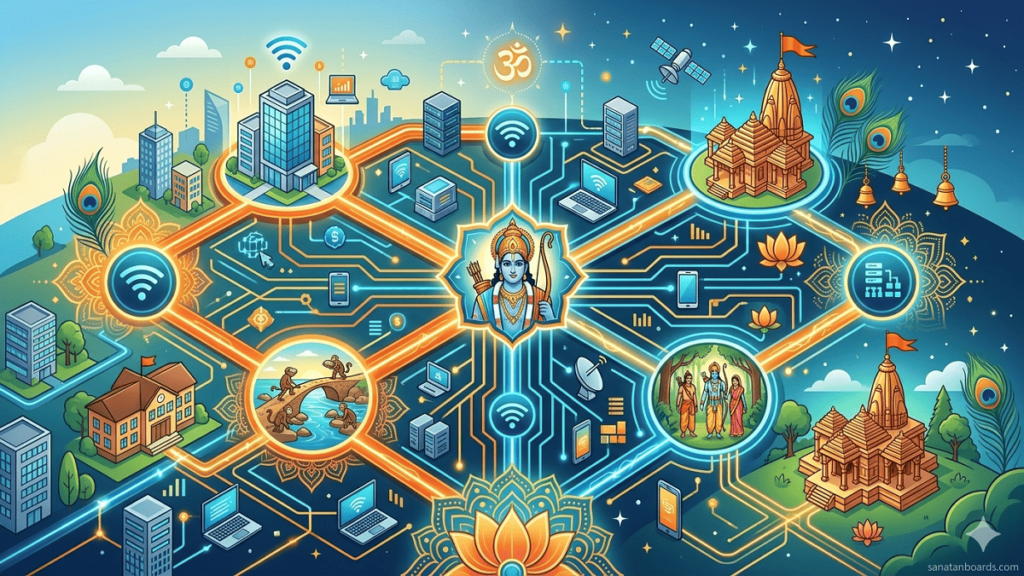
In the context of Shri Ram Network, whether it refers to a technology services organisation or a cultural/social network inspired by Lord Rama, several types of people are typically required to build, sustain, and grow the initiative effectively. Firstly, leadership and management personnel are essential. These include founders, directors, and senior managers responsible for setting vision, organisational goals, strategy, and ensuring proper governance. In a corporate setting like an internet and networking services provider, these leaders shape business development, client engagement, and long‑term growth.
Equally important are technical experts and operational staff. For a network infrastructure company, skilled network engineers, IT technicians, cybersecurity specialists, and support staff are required to design, implement, and maintain reliable systems. These professionals ensure that internet services, networking solutions, and security installations function seamlessly for clients. Without technical talent, such networks cannot deliver quality services.
For platforms or initiatives with cultural and community focus — such as devotional groups, content publishers, or community networks — content creators, editors, and communicators are crucial. Writers, editors, social media managers, and multimedia producers help circulate information, educational material, and cultural narratives rooted in tradition. These roles help deepen engagement, share knowledge about Lord Rama’s teachings, ethics, and cultural significance, and maintain an active presence across channels.
Additionally, community members and volunteers form the backbone of any social or cultural network. Whether participating in events, spreading awareness, or supporting outreach, their involvement fosters a sense of shared purpose. In many such networks, volunteers and grassroots organisers help extend the initiative beyond formal organisational boundaries.
When Is Required Shri Ram Network?
In the context of Shri Ram Network, understanding when participation or involvement is required depends on the type of network being discussed. If it refers to the technology and internet services company, people are required primarily during project implementation, network maintenance, and client support. For example, network engineers, technicians, and support staff are essential during the setup of broadband services, installation of security systems, or troubleshooting of client networks. Timely involvement ensures smooth operations, minimizes downtime, and delivers consistent service quality. In such cases, the requirement is continuous, but peaks often occur during installations, upgrades, or technical emergencies.
For cultural or spiritual initiatives that also use the name Shri Ram Network, timing is connected to events, festivals, educational programs, or community outreach. Participation is required during major Hindu festivals like Ram Navami, or during community drives, temple activities, or awareness campaigns. Leaders, volunteers, content creators, and members are needed to organise events, share educational materials, and engage communities. In these contexts, involvement is often periodic but crucial, aligning with the calendar of religious or cultural activities to maximize impact and participation.
Additionally, strategic decision-making and leadership roles require timely engagement. Board members, coordinators, or directors must step in whenever critical decisions, expansion plans, or crisis management activities arise. Their input ensures that both the operational and cultural objectives of the network remain aligned and effective.
Finally, continuous engagement from volunteers and community members is required to maintain network cohesion and shared purpose. While specific actions may be tied to projects or events, ongoing presence—through online platforms, discussion forums, and local initiatives—helps strengthen the network’s influence and reach.
Where Is Shri Ram Network Required?
1. In the Technology Sector
In the context of Shri Ram Network as an internet and networking service provider, the network is required wherever there is a need for reliable digital infrastructure. Specific locations include:
- Corporate Offices: Businesses require stable internet connections, secure networks, and wireless systems for daily operations. Companies in cities like Gurugram, Delhi, Mumbai, and Bangalore often rely on such networks for uninterrupted services.
- Educational Institutions: Schools, colleges, and coaching centers need high-speed internet and online learning platforms, making network services critical.
- Events and Conferences: Temporary network setups are required for live events, seminars, or digital presentations.
- Residential Areas: High-speed broadband and Wi-Fi solutions for homes in urban and semi-urban areas depend on such networks for connectivity.
Here, Shri Ram Network is required wherever digital communication, internet access, and data security are needed, whether for businesses, educational institutions, or homes.
2. In the Cultural and Spiritual Sphere
Shri Ram Network also refers to devotional and cultural initiatives inspired by Lord Rama. It is required in places where community engagement, religious education, and spiritual activities occur, including:
- Temples and Religious Centers: For organising events, spiritual discourses, and broadcasting cultural programs.
- Community Hubs: Social and cultural gatherings where volunteers and members participate in teaching values of Lord Rama.
- Festivals: Large-scale festivals such as Ram Navami require a network for coordinating volunteers, managing event logistics, and spreading awareness.
- Online Platforms: Websites, apps, or social media pages that disseminate knowledge about Ramayana, ethics, and Hindu culture depend on Shri Ram Network to reach a global audience.
3. Strategic and Leadership Roles
Shri Ram Network is required where leadership, planning, and coordination are needed:
- Volunteer Coordination Centers: To mobilize community members for events or campaigns.
- Decision-making Hubs: Where organisational or community strategies are formulated and implemented.
How Is Shri Ram Network Required?
For the technology and networking side, Shri Ram Network is required through structured technical processes. Businesses or clients need the network to provide reliable internet connectivity, secure network solutions, and digital infrastructure. Technical experts, engineers, and support staff implement these requirements by designing network layouts, installing equipment, configuring routers and servers, and maintaining service uptime. The network is required whenever a business needs fast and dependable connectivity or during periods of expansion, system upgrades, or troubleshooting. Proper planning, resource allocation, and continuous monitoring ensure that these requirements are met efficiently.
In the cultural or devotional context, Shri Ram Network is required as a platform for engagement, education, and community building. It is utilised through content creation, online discussions, and organisation of events such as religious festivals, spiritual workshops, or community outreach programs. Volunteers, coordinators, and content managers ensure the network serves its purpose by actively disseminating information, sharing teachings of Lord Rama, and fostering a sense of unity among participants. The network is required whenever there is a need for cultural awareness, spiritual guidance, or collective action.
Additionally, the network is required strategically in leadership and decision-making. Directors, coordinators, and community heads are involved in planning initiatives, allocating resources, and ensuring that both technical and cultural objectives align. The requirement here is met through structured meetings, reporting, and coordinated action.
CASE STUDY: SHRI RAM NETWORK
Introduction:
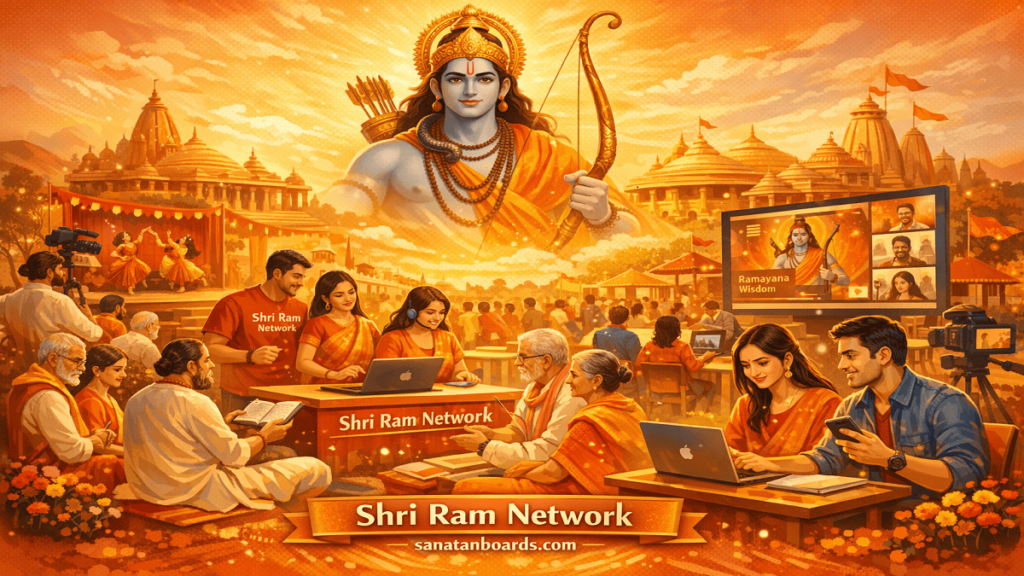
The term Shri Ram Network represents both a technology and networking services provider and a cultural-spiritual community initiative inspired by Lord Rama, a central figure in the Hindu epic Ramayana. While these two domains differ in purpose, they share the common goal of connecting people—digitally, socially, or spiritually. This case study explores how the network functions, where it is required, and who participates, highlighting its impact in different contexts.
Background:
Shri Ram Network, in the technology context, is an Indian-based company that provides internet solutions, networking services, and security infrastructure. Its services include corporate broadband, wireless networks, leased lines, and event connectivity. On the other hand, various cultural and devotional initiatives under the same name aim to engage communities, promote Hindu values, and foster unity through events, educational content, and online platforms. The dual nature of Shri Ram Network demonstrates how modern technology can support both business and social-cultural objectives.
Implementation in Technology Services:
Businesses and educational institutions across urban and semi-urban India rely on Shri Ram Network for reliable digital infrastructure. For example, a medium-sized enterprise in Gurugram needed seamless connectivity for its offices and remote teams. By implementing dedicated leased lines and Wi-Fi solutions, the network enabled uninterrupted communication, enhanced security, and improved productivity. During annual corporate events, temporary network setups ensured smooth live streaming, demonstrating the network’s flexibility and operational efficiency. This illustrates how the network is required wherever digital communication and technological reliability are critical.
Cultural and Community Applications:
Shri Ram Network also serves as a platform for community engagement and spiritual education. During Ram Navami, volunteers coordinate events in multiple cities, including Delhi, Lucknow, and Varanasi, using the network for outreach, communication, and program management. Online platforms share educational content, stories from the Ramayana, and cultural discussions, extending the network’s influence beyond physical locations. This demonstrates the importance of Shri Ram Network in sustaining cultural initiatives, uniting devotees, and creating a structured system for knowledge sharing.
Outcomes and Impact:
- Enhanced Connectivity: Businesses experienced improved operational efficiency and reliable digital infrastructure.
- Community Cohesion: Cultural initiatives fostered engagement among community members and volunteers.
- Scalable Outreach: Online platforms expanded the reach of educational content and spiritual teachings globally.
- Strategic Coordination: Leaders, coordinators, and volunteers efficiently managed events and programs using structured network systems.
Conclusion:
Shri Ram Network is required in multiple contexts—technological, social, and cultural. Its application ranges from providing critical IT infrastructure to facilitating community engagement and spiritual education. This case demonstrates that combining technology with cultural purpose can create sustainable, impactful networks that serve both operational and societal needs. The network’s success highlights the interconnectedness of digital solutions and cultural initiatives in modern India.
WHITE PAPER: SHRI RAM NETWORK
Executive Summary
The Shri Ram Network is a multifaceted concept encompassing both technology services and cultural/community initiatives. On one hand, it represents an Indian-based company providing reliable internet, networking, and security solutions. On the other, it serves as a platform for cultural engagement, spiritual education, and community cohesion, inspired by Lord Rama’s values of duty, ethics, and unity. This white paper explores the network’s purpose, operational requirements, areas of implementation, impact, and best practices, highlighting its relevance in modern India’s digital and cultural landscape.
1. Introduction
Shri Ram Network is a unique blend of technical infrastructure and cultural outreach, addressing the dual needs of digital connectivity and community engagement. In a rapidly evolving technological environment, businesses, educational institutions, and social organizations require reliable network infrastructure. Simultaneously, India’s rich cultural heritage demands platforms that foster spiritual education and communal unity. By integrating these objectives, Shri Ram Network provides a model for technology-enabled cultural networks.
2. Objectives
The core objectives of Shri Ram Network include:
- Providing High-Quality Digital Infrastructure: Ensure consistent internet connectivity, secure networks, and technical support for businesses and institutions.
- Promoting Cultural Awareness: Share teachings of Lord Rama, values from the Ramayana, and cultural education through online and offline initiatives.
- Facilitating Community Engagement: Connect devotees, volunteers, and community members for events, festivals, and collaborative projects.
- Encouraging Strategic Coordination: Support leadership and volunteer efforts in organizing events and ensuring sustainable growth.
3. Areas of Requirement
3.1 Technological Applications
Shri Ram Network is required in sectors that rely on digital infrastructure, such as:
- Corporate Offices: Businesses require leased lines, broadband, and secure network systems.
- Educational Institutions: Schools and colleges need reliable connectivity for digital learning platforms.
- Events and Conferences: Temporary network setups for live streaming, presentations, and audience engagement.
- Residential Areas: Urban and semi-urban homes rely on high-speed internet for professional and personal needs.
3.2 Cultural and Community Applications
Shri Ram Network is essential in spiritual and community-focused settings, including:
- Temples and Religious Centers: Organizing events, broadcasting programs, and educating followers.
- Community Hubs: Facilitating workshops, spiritual discussions, and volunteer coordination.
- Festivals: Ram Navami and other celebrations require networked coordination for volunteers and participants.
- Online Platforms: Educational content, cultural articles, and social media engagement expand the network’s reach globally.
4. Key Stakeholders
Successful operation of Shri Ram Network requires involvement from:
- Leadership and Management: Directors, coordinators, and strategic planners guide operations and outreach.
- Technical Experts: Engineers, IT technicians, and support staff maintain network reliability.
- Content Creators: Writers, editors, and multimedia specialists develop educational and cultural material.
- Volunteers and Community Members: Facilitate events, cultural activities, and grassroots engagement.
5. Methodology – How It Works
Shri Ram Network operates through coordinated action and structured processes:
- Planning and Strategy: Leadership identifies areas where network deployment or cultural activities are required.
- Implementation: Technical teams set up connectivity or digital infrastructure; community teams organize events.
- Engagement: Volunteers and content creators actively participate to ensure community and cultural objectives are met.
- Monitoring and Feedback: Continuous evaluation of technological performance, event impact, and community participation ensures quality and sustainability.
6. Case Study Examples
- A corporate client in Gurugram implemented Shri Ram Network solutions to connect multiple offices, ensuring uninterrupted workflow during peak operations.
- During Ram Navami, volunteers coordinated activities across Delhi, Varanasi, and Lucknow, leveraging online platforms for outreach, volunteer communication, and live coverage.
- Online portals and social media pages under Shri Ram Network disseminated educational content about the Ramayana, reaching thousands of followers globally.
7. Benefits and Impact
- Operational Efficiency: Businesses experience improved productivity with stable and secure network systems.
- Cultural Preservation: Communities engage more deeply with spiritual and cultural content.
- Community Cohesion: Volunteers and participants collaborate effectively, strengthening networks at local and regional levels.
- Global Reach: Online platforms allow cultural teachings and community initiatives to transcend geographical boundaries.
8. Challenges and Considerations
- Scalability: Ensuring network services and cultural programs reach remote or underserved areas.
- Resource Allocation: Balancing technical infrastructure investment with community and cultural activities.
- Volunteer Management: Sustaining engagement and coordinating efforts across multiple regions.
- Technological Updates: Keeping pace with rapidly evolving digital tools to maintain efficiency.
9. Conclusion
Shri Ram Network represents an innovative intersection of technology, culture, and community. Its applications are required wherever digital connectivity, cultural education, or community engagement is needed. By integrating technical expertise with spiritual and cultural initiatives, it provides a sustainable model for modern networks that serve both operational and societal goals. Shri Ram Network highlights the potential for technology to empower communities, preserve heritage, and foster meaningful engagement.
INDUSTRY APPLICATIONS OF SHRI RAM NETWORK
. Information Technology and Networking Industry
In the IT and networking sector, Shri Ram Network provides essential infrastructure, including broadband services, leased lines, wireless connectivity, and cybersecurity solutions. Industry applications include:
- Corporate Sector: Companies require secure and reliable network solutions to support internal communication, cloud services, and remote work.
- Data Centers: Businesses use the network for high-speed connectivity, server management, and secure data transfers.
- IT Service Providers: Technical teams rely on stable infrastructure for service delivery, troubleshooting, and client support.
- Event Technology: Temporary network setups during conferences, webinars, or product launches ensure smooth live streaming and connectivity.
2. Education and E-Learning
Educational institutions benefit significantly from Shri Ram Network:
- Schools and Colleges: High-speed internet supports digital classrooms, online assessments, and learning management systems.
- Coaching and Skill Development Centers: Enables live online lectures, interactive sessions, and access to global learning resources.
- Remote Learning Programs: Reliable connectivity ensures uninterrupted access for students in urban and semi-urban areas.
3. Cultural and Religious Industry
Shri Ram Network plays a vital role in cultural promotion and spiritual engagement:
- Temples and Religious Organizations: Used for coordinating events, broadcasting spiritual programs, and engaging devotees.
- Festivals and Community Programs: Networks facilitate volunteer coordination, event logistics, and outreach campaigns during occasions like Ram Navami.
- Online Cultural Platforms: Websites, apps, and social media pages use the network to disseminate teachings of Lord Rama, stories from the Ramayana, and devotional content.
4. Media and Content Creation
The network supports media and content-driven industries:
- Digital Publishing: News portals and cultural blogs rely on connectivity for content distribution and audience engagement.
- Multimedia Production: Video streaming, online tutorials, and digital campaigns leverage stable network services.
- Community Media Channels: Facilitate live cultural events, webinars, and spiritual discourses.
5. Community and NGO Sector
Non-profits and community organizations use Shri Ram Network for:
- Volunteer Coordination: Organizing events and campaigns across cities or regions.
- Outreach Programs: Promoting educational, cultural, or spiritual initiatives.
- Data Management: Maintaining records of community members, donors, and volunteers efficiently.
Conclusion
The industry applications of Shri Ram Network are broad, spanning IT, education, cultural, media, and community sectors. Its versatility lies in providing reliable digital infrastructure, facilitating community engagement, and supporting cultural and spiritual outreach. By bridging technology and culture, Shri Ram Network demonstrates how modern networks can serve both business needs and societal objectives.
source : T-Series
#shriramnetworkinvasai
#shriramnetworkinmumbai
ASK FAQ
1. What is Shri Ram Network?
It is a platform combining technology services (internet, networking) and cultural/community initiatives inspired by Lord Rama.
2. Who is involved in Shri Ram Network?
Leaders, technical experts, content creators, volunteers, and community members.
3. Where is Shri Ram Network used?
In offices, schools, temples, community hubs, festivals, and online platforms.
4. How does Shri Ram Network work?
Through planning, technical setup, volunteer engagement, and monitoring for efficiency.
5. Why is Shri Ram Network important?
It provides reliable digital infrastructure, promotes cultural awareness, and fosters community engagement.
Table of Contents
Disclaimer:
The content and images on this website are for educational and informational purposes only. Shri Ram Network references include publicly available information about technology services and cultural initiatives. sanatanboards.com is not officially affiliated with any organization mentioned.